Anouncement

Anouncement

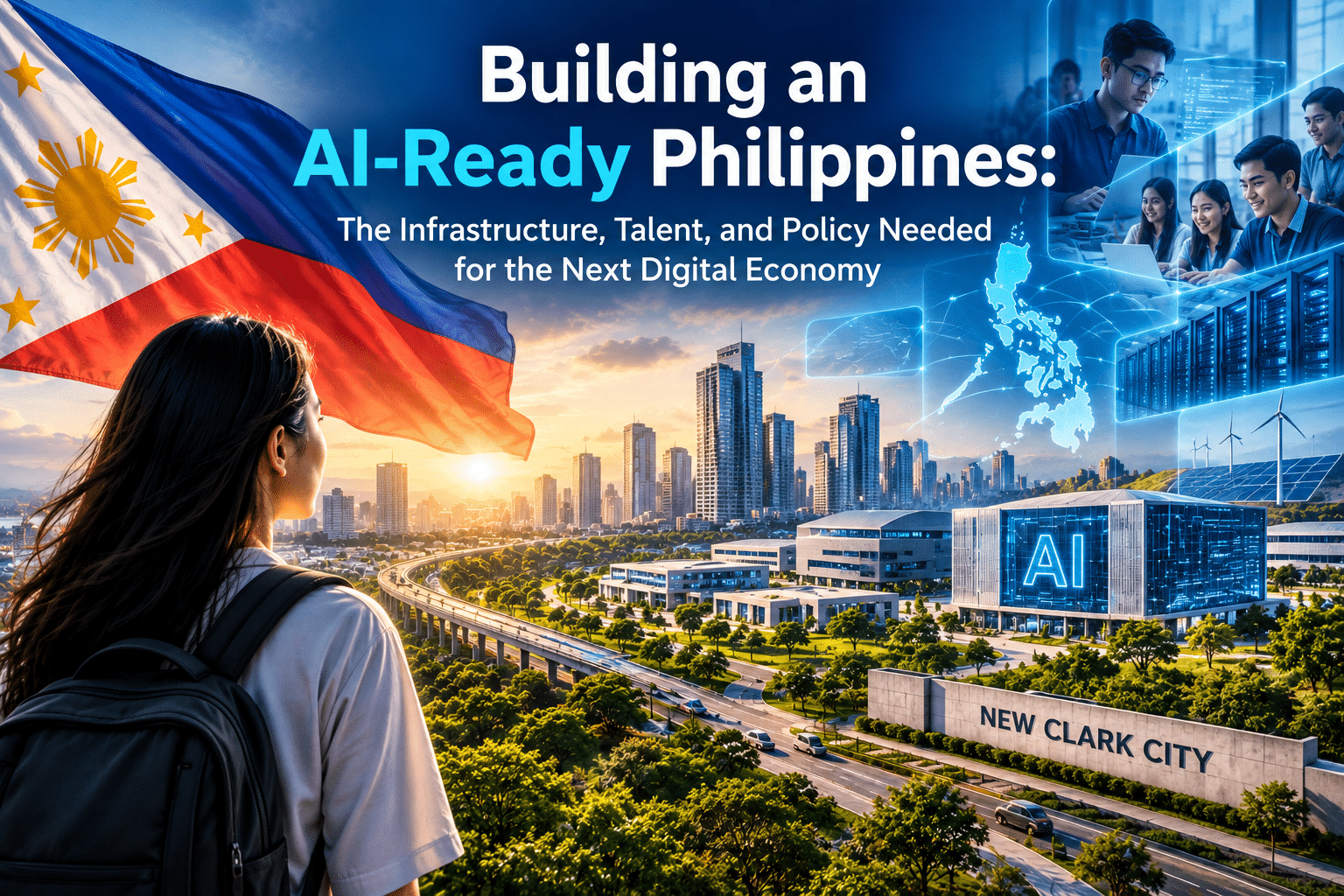
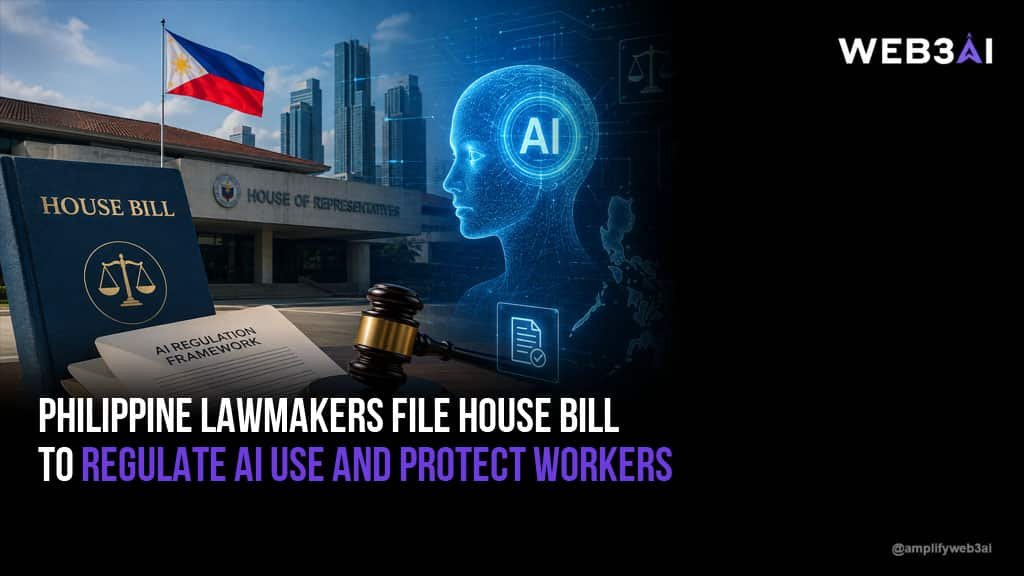
AI legislation in the Philippines is no longer a future talking point — it is actively being debated in the halls of the 20th Congress right now. From regulating deepfakes to protecting workers displaced by automation, Filipino lawmakers are drafting a wide-ranging set of bills that could define how artificial intelligence is governed across one of Southeast Asia’s most digitally active nations. If you work in tech, content creation, business, or simply rely on digital services in the Philippines, these bills will matter to you.
The urgency is real. As Reuters reported, Asia-Pacific nations are racing to regulate artificial intelligence before its risks outpace their legal frameworks. The Philippines is no exception — and arguably, it has more at stake than most, given its massive BPO sector, high social media penetration, and rapidly growing freelance and creator economy. This post breaks down the key AI bills in the 20th Congress, what they aim to do, and why they matter to everyday Filipinos.
The timing of this legislative push is not accidental. AI tools have moved from research labs into everyday Filipino life at remarkable speed. Millions of Filipinos now interact with AI-powered customer service bots, use AI writing assistants for work, and consume AI-generated content on social media daily. The question is no longer whether AI is here — it is whether the rules governing it are.
The 20th Congress convened with an unusually strong appetite for tech regulation. Legislators have pointed to international examples — from the EU AI Act to emerging frameworks in Singapore and Japan — as models that the Philippines can learn from and adapt. At the same time, local advocates are pushing for a uniquely Filipino approach that centers labor rights, cultural context, and the realities of a developing economy rather than simply copying Western regulation wholesale.
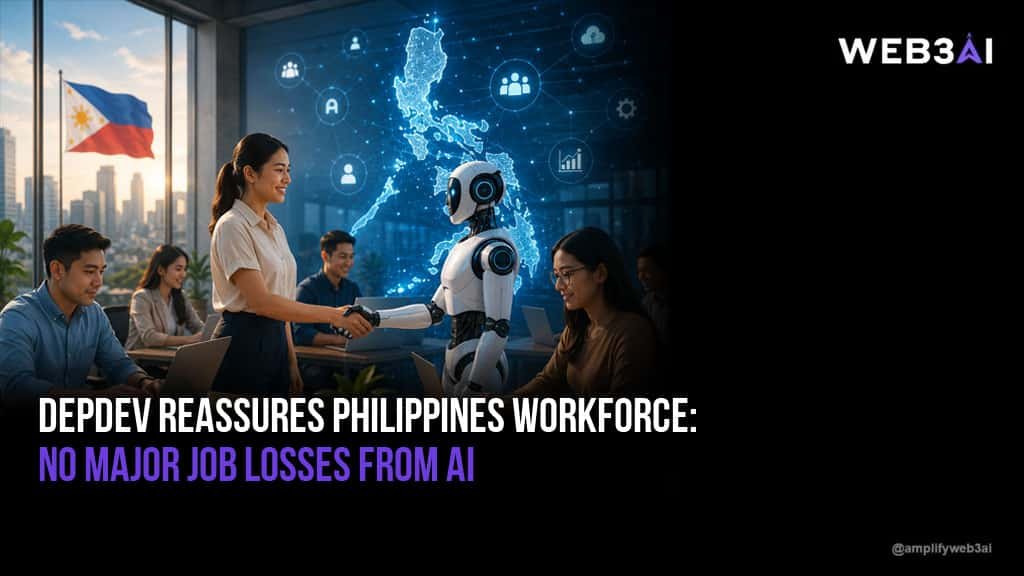
The stakes are significant for the BPO industry alone, which employs over 1.7 million Filipinos and generates billions in revenue. If AI automates large portions of that sector without a legal safety net, the economic consequences could be severe. Legislation being filed now is directly responding to that threat.
Several distinct bills are taking shape in the current Congress, each targeting a different dimension of the AI challenge. Understanding them individually gives a clearer picture of where Philippine AI governance is headed. Importantly, these are not competing bills — many legislators see them as complementary pieces of a broader national AI policy framework.
One of the most significant proposals is a comprehensive AI governance bill that would establish a national regulatory body to oversee AI development and deployment across both public and private sectors. This type of centralized oversight body is a common feature of mature AI regulatory frameworks globally, and its creation in the Philippines would mark a meaningful shift from voluntary industry guidelines to enforceable rules.
For creators and digital workers, the AI legislation in the Philippines also includes proposals specifically targeting synthetic media — AI-generated images, audio, and video that can be used to impersonate real people. These deepfake-related provisions have gained particular urgency given how synthetic content has already been weaponized in the Philippines for political disinformation and personal harassment of women.
Pro Tip: If you work in content creation or the creator economy, track the synthetic media and intellectual property provisions of these bills closely — they will directly affect how AI-generated content is owned, attributed, and monetized.
For a deeper look at how AI is already reshaping how creators work and earn, read our post on how AI is transforming the creator economy — the regulatory conversation happening in Congress is the essential backdrop to those shifts.
Perhaps no sector watches the AI legislation in the Philippines with more anxiety than the business process outsourcing industry. BPO workers perform exactly the kinds of repetitive, language-based tasks that modern AI is best equipped to automate — data entry, customer support, transcription, basic coding, and document processing. Legislation being proposed in the 20th Congress would require companies to notify and consult workers before deploying AI systems that significantly alter or eliminate their roles.
Some bills go further, proposing mandatory transition funds and retraining programs financed by companies that benefit from AI-driven productivity gains. The logic is straightforward: if a corporation saves millions by replacing human workers with AI, a portion of that saving should fund the upskilling of the displaced workforce. Whether Congress will pass provisions with that level of teeth remains to be seen.
Labor advocates have broadly welcomed these proposals, though some argue the current drafts lack strong enough enforcement mechanisms. The concern is that without meaningful penalties, the notification and consultation requirements become formalities rather than genuine protections.
One of the most legally complex areas of the AI bills involves intellectual property. When an AI model trained on human-created work produces something new — a song, an image, a piece of writing — who owns the output? The human who prompted it? The company that built the AI? The creators whose work trained it? Philippine IP law was simply not written with these questions in mind, and lawmakers are now racing to address the gap.
Proposals in the 20th Congress would require clear disclosure when content is substantially AI-generated, establish a framework for determining copyright ownership of AI-assisted works, and potentially create new licensing obligations for AI companies that train their models on Filipino cultural content or copyrighted Filipino works. This last point has attracted significant attention from the country’s creative industries — film, music, publishing, and visual arts — all of which have expressed concern about the uncompensated use of their work to train commercial AI systems.
The intersection of AI, intellectual property, and decentralized technology is one of the defining legal frontiers of our era. Our post on Web3 and AI: the convergence shaping the future of the internet explores how these technologies are already colliding in ways that make clear regulatory frameworks more important than ever.
Pro Tip: Creative professionals in the Philippines should document their original works thoroughly now. Clear provenance and timestamps on original content will matter increasingly as IP disputes involving AI-generated material reach the courts.
The bills being filed are not only aimed at the private sector. Several proposals would govern how government agencies themselves use AI — a timely concern given that various Philippine government bodies have already begun piloting AI tools for document processing, public communications, and even law enforcement applications. The draft legislation would require algorithmic transparency for any AI system used to make or inform decisions that affect citizens’ rights or access to services.
This includes AI systems used in tax assessment, social welfare eligibility, immigration processing, and criminal risk profiling. The requirement for explainability — the ability of a government body to explain in plain terms why an AI system reached a particular decision — is borrowed from the EU AI Act but tailored to the Philippine administrative context. Civil society groups have lobbied hard for this provision, arguing that opaque government AI creates a new form of unaccountable bureaucratic power.
For readers interested in the foundational technology underpinning many of these transparency and accountability tools, our beginner’s guide to blockchain technology explains how distributed ledgers are being used to create auditable, tamper-proof records — the kind of infrastructure that could complement AI governance frameworks in the public sector.
Taken together, the AI bills in the 20th Congress represent a serious — if still incomplete — attempt to govern a technology that is moving faster than any legislature can fully track. The Philippines has the advantage of learning from earlier movers like the EU, while also having the flexibility to write rules that fit its specific economic and social context. That is an opportunity, but only if the political will exists to see these bills through to actual law.
The conversation does not end when these bills pass or fail. AI legislation is, by nature, iterative — technology will continue to evolve and the law will need to follow. What matters most right now is that Filipino voices — workers, creators, technologists, and citizens — are part of shaping the first draft.
The AI bills in the 20th Congress aim to create a legal framework governing how artificial intelligence is developed, deployed, and regulated across both public and private sectors in the Philippines. Key goals include protecting workers from unmanaged automation, establishing IP rules for AI-generated content, curbing harmful synthetic media like deepfakes, and ensuring government use of AI remains transparent and accountable to citizens.
Several bills specifically address the vulnerability of BPO workers to AI-driven automation. Proposed protections include mandatory consultation rights before AI systems replace or significantly alter human roles, access to government-funded retraining programs, and restrictions on using AI performance assessments as the sole basis for termination. The strength of these protections will depend heavily on the final text of any bills that pass into law.
Philippine legislators have drawn on the EU AI Act as a reference point, particularly for provisions around algorithmic transparency and high-risk AI systems. However, lawmakers and advocates are working to adapt these concepts to the Philippine context — including the realities of a large informal economy, a developing regulatory infrastructure, and specific sectors like BPO that have no real parallel in the EU framework.
Yes. Synthetic media and deepfake-related provisions are among the most actively debated elements of the legislative package. Proposed rules would require labeling of AI-generated content, establish criminal liability for the malicious use of deepfakes — particularly for non-consensual intimate imagery — and create platform obligations to remove harmful synthetic content more rapidly than current law requires.
The timeline is uncertain. Legislative priorities shift, and comprehensive tech regulation typically requires multiple committee hearings, bicameral reconciliation, and eventual presidential signing. Optimistic observers hope for framework legislation by late 2025 or 2026, but given the complexity and the number of competing bills, a phased approach — with some targeted laws passing earlier than a comprehensive AI governance act — is also likely.
AI legislation in the Philippines is not just a policy story — it is a story about what kind of digital future Filipinos want to build for themselves. The 20th Congress has a genuine window to establish rules that protect workers, empower creators, hold government accountable, and signal to the world that the Philippines is a serious participant in the global AI governance conversation. Whether that window is used well depends as much on informed public engagement as it does on the lawmakers doing the drafting.
The choices being made in committee rooms in Manila right now will ripple outward into millions of daily lives — the freelancer using AI tools to compete globally, the call center agent wondering if their job will exist in five years, the journalist trying to verify whether a viral video is real. These bills matter, and following them closely is one of the most practical things a digitally active Filipino can do right now.
Explore what we have built at attn.live.