Anouncement

Anouncement
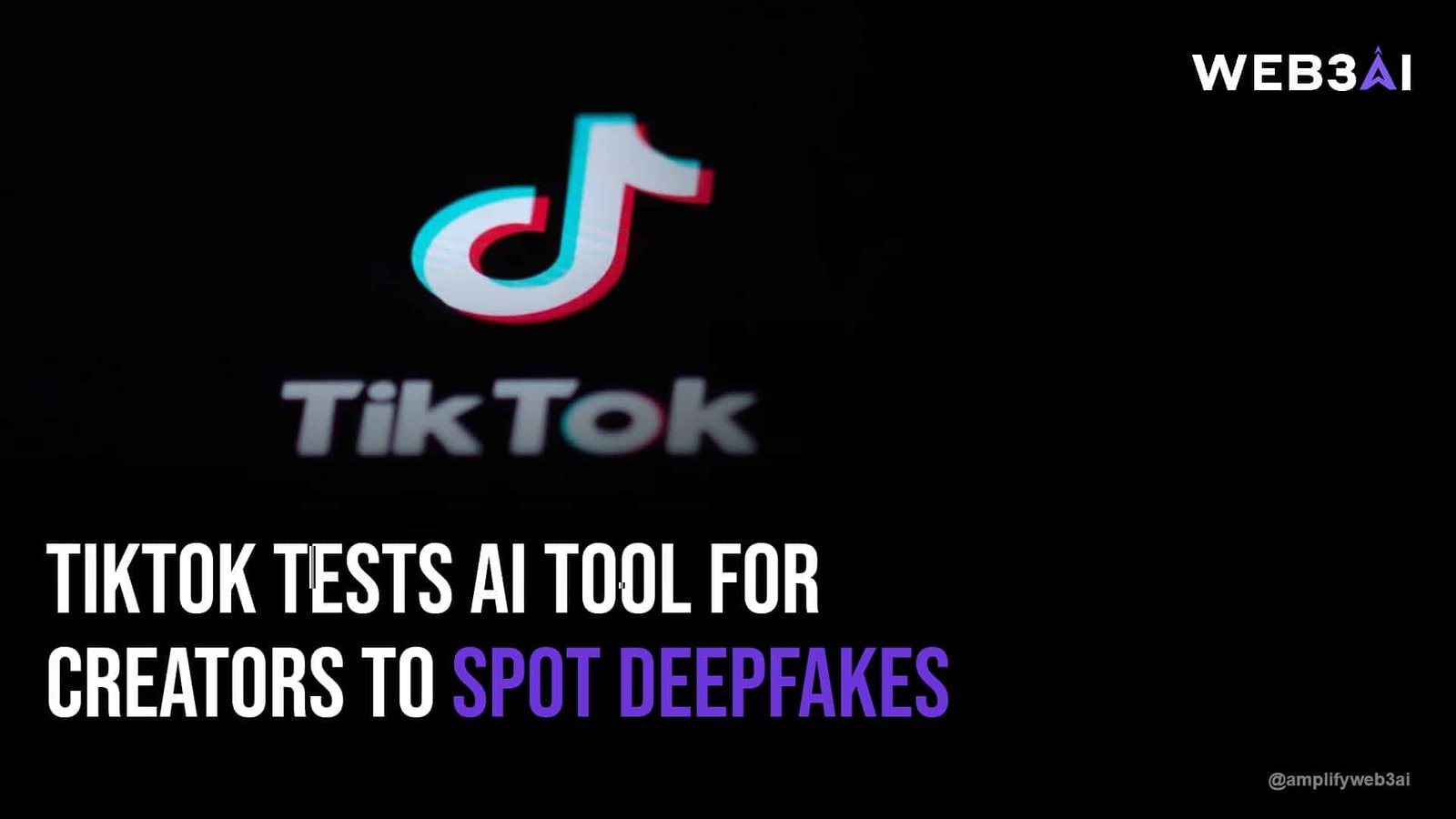

An AI deepfake detection tool just moved from “nice to have” to “essential” for anyone building an audience online. TikTok is now testing a feature that lets creators check whether a video was manipulated with AI before it ever reaches their followers. If you have ever wondered whether a clip of a celebrity, politician, or even yourself was real, you already understand why this matters.
Platforms have been racing to catch up with synthetic media for years. As TechCrunch reported, TikTok began automatically labeling AI-generated content using Content Credentials metadata back in 2024, a move that laid the groundwork for the creator-facing detection tool being tested now. That earlier step focused on platform-side labeling. This new test puts detection power directly into the hands of the people making the content.
The pain point is real. Creators have watched their faces, voices, and likenesses get lifted and remixed into videos they never made, sometimes with damaging or embarrassing results. This post breaks down what the new tool does, why it matters for your content strategy, and how you can start protecting your work today.
TikTok’s experimental feature scans uploaded videos and flags signs of AI manipulation before publishing. It looks for inconsistencies in facial movement, audio-to-lip sync, and metadata gaps that often appear in synthetic media. Creators get a simple readout: likely authentic, possibly altered, or flagged for review.
This is different from TikTok’s existing AI-content labels, which mostly apply to fully AI-generated posts made with tools like text-to-video generators. The deepfake detection tool is aimed squarely at manipulated footage of real people, the kind of content that causes reputational harm fastest. It is currently limited to a small test group of creators and moderators.
Pro Tip: If you post face-forward content regularly, start saving original raw footage with timestamps. It gives you proof of authenticity if a deepfake dispute ever comes up.
Trust is the currency of the creator economy, and deepfakes threaten to devalue it fast. When audiences can no longer tell real content from fabricated content, engagement drops across the board, not just on the fake posts. Our team explored this shift in detail in How AI Is Transforming the Creator Economy, where we cover how synthetic media is reshaping brand deals and audience trust.
Brands are already asking creators to prove content authenticity before signing sponsorship deals. An AI deepfake detection tool gives creators a way to show receipts, literally. It is quickly becoming a baseline expectation rather than a bonus feature.
You do not need to wait for TikTok’s full rollout to start protecting your content. Several third-party tools already offer similar scanning capabilities, and pairing them with smart habits goes a long way. We rounded up several strong options in Best AI Tools for Content Creators in 2025.
Start by building a simple verification routine into your publishing workflow. It takes only a few extra minutes but can save you from a much bigger headache later.
TikTok’s test is part of a much larger shift in how platforms police synthetic media. Every major platform is under pressure to label, detect, or remove manipulated content before it spreads. If you want the full picture on how platforms are handling this, our guide on AI Content Moderation: A Beginner’s Guide breaks down the moderation stack platforms use behind the scenes.
Regulators are watching closely too. Several governments are drafting rules that would require clear disclosure whenever AI alters a real person’s likeness. An AI deepfake detection tool built into the platform itself could become the standard compliance layer creators rely on.
Pro Tip: Follow platform policy updates monthly. Deepfake detection rules are evolving fast, and staying current protects both your content and your monetization eligibility.
Deepfake detection connects directly to Web3’s core promise: verifiable digital identity. Blockchain-based content provenance, similar to what Content Credentials already does at the metadata level, could eventually give creators tamper-proof proof of authorship. Pairing an AI deepfake detection tool with on-chain verification would make faked content far harder to pass off as real.
This is exactly the kind of convergence we track closely, where AI detection meets Web3 verification. Together, they offer a much stronger defense than either technology alone.
TikTok has not announced a full public release date for the tool, but early tests usually expand within a few months if results look promising. Creators who build good verification habits now will have a head start once the feature reaches everyone. It is far easier to adopt new tools when your workflow already supports them.
Waiting until a deepfake scandal hits your account is the wrong strategy. Getting ahead of the trend costs very little time and protects a lot of reputation.
It analyzes facial movement patterns, audio-lip sync accuracy, and file metadata for signs of manipulation. Most tools compare these signals against known patterns found in AI-generated or altered media. The result is usually a confidence score rather than a simple yes or no answer.
Not yet. It is currently limited to a small group of test creators and moderators as TikTok evaluates accuracy and false-positive rates. A wider rollout is expected if the test performs well.
No single tool can catch every manipulated video, since deepfake technology keeps improving too. It significantly reduces risk when combined with metadata standards, watermarking, and platform labeling. Think of it as one strong layer in a larger defense system.
Start using third-party detection tools, add Content Credentials metadata, and keep verified backups of original footage. Building these habits now makes the transition to platform-native tools much smoother later.
Increasingly, yes. Platforms and brands are starting to require proof of content authenticity before approving sponsorships or monetization. Using detection and verification tools proactively can protect your earning potential.
The AI deepfake detection tool TikTok is testing marks a real turning point for creator trust and safety. It shifts some verification power directly into creators’ hands instead of leaving it entirely to platform moderation teams. Combined with metadata standards and smart publishing habits, it gives creators a genuine chance to stay ahead of synthetic media risks.
Whether you create casually or run a full creator business, building deepfake awareness into your workflow now is a smart, low-cost move. Explore what we have built at attn.live.