Anouncement

Anouncement
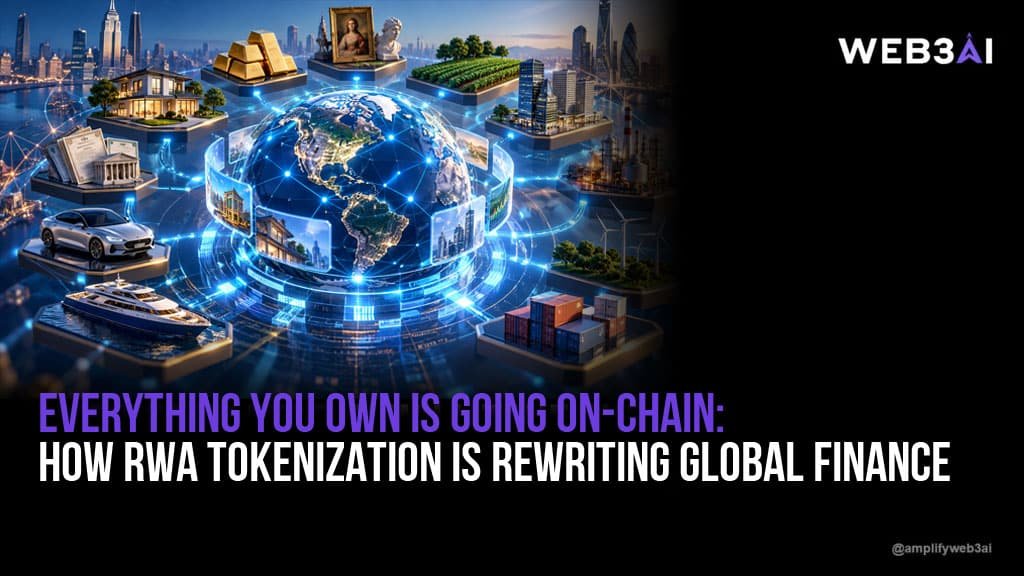

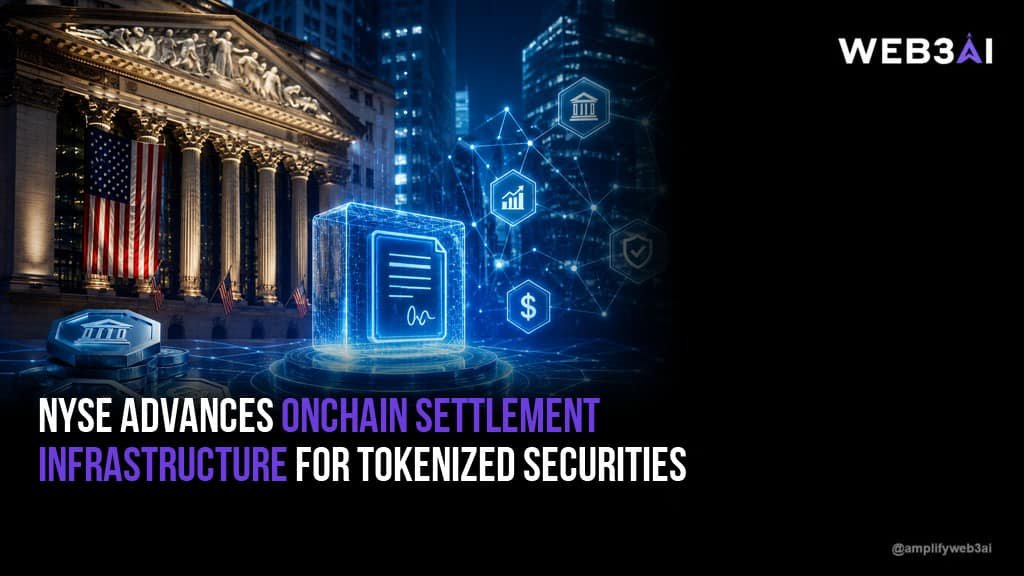
When BlackRock Chairman Larry Fink proclaimed that “every stock, every bond, every fund, every asset can be tokenized,” Wall Street treated it as a forward-looking hypothesis. Today, it reads like an operational status report.
Real-world asset (RWA) tokenization has transitioned from white papers and experimental sandboxes into liquid, high-volume production markets. Investors can now trade fractional US Treasury bills, take synthetic stakes in private tech unicorns, and borrow against physical assets directly from a Web3 wallet.
RWA tokenization is the process of converting ownership rights of tangible or traditional financial assets—such as bonds, equities, real estate, commodities, and private credit—into digital tokens on a blockchain.
By representing these instruments as tokens, issuers unlock key architectural advantages over legacy finance:
While stablecoins represented the first wave of tokenization by bringing fiat currency on-chain, legislative milestones like the GENIUS Act of 2025 provided clear regulatory foundations that opened institutional gates to broader asset classes.
| Asset Class | Market Size / Growth | Notable Issuers & Protocols | Primary Use Case |
| Tokenized Treasuries | Dominant asset class (~$6B+ aggregate) | Circle (USYC: ~$3B), BlackRock (BUIDL: ~$2.4B), Franklin Templeton (BENJI: ~$821M) | Low-risk yield, institutional reserves, DeFi margin collateral |
| Tokenized Equities | ~$963M (+2,878% annual growth) | Ondo Global Markets, XStocks (Backed Finance / Kraken) | Global 24/7 equity exposure, dividend pass-throughs |
| Pre-IPO Perpetuals | Hundreds of millions in volume | Hyperliquid (HIP-3), Ventuals, Trade.xyz | Speculation and price discovery on private giants (SpaceX, OpenAI, Anthropic) |
| Alternative & Exotic Assets | Rapidly expanding niche | Collector Crypt, USD.AI | Tokenized physical collectibles, compute/GPU debt collateral |
Short-term government debt forms the liquidity backbone of the RWA sector. Institutional funds like Circle’s USYC, BlackRock’s BUIDL, and Franklin Templeton’s BENJI have attracted billions in deposits. These vehicles allow whitelisted institutions to park idle stablecoin capital into yield-bearing paper without leaving the blockchain rail.
Tokenized stocks experienced exponential adoption, surging nearly 2,900% to push toward the $1 billion threshold. Platforms like Ondo Global Markets and Backed Finance bridge traditional stock markets to decentralized ledgers.
Simultaneously, protocols built on Hyperliquid’s HIP-3 framework (such as Ventuals and Trade.xyz) have pioneered perpetual futures tracking the valuations of late-stage private companies, allowing traders to hedge or speculate on private firms like SpaceX, OpenAI, and Anthropic before they reach public bourses.
Tokenization is extending far beyond traditional securities:
The infrastructure supporting tokenized assets has diversified across multiple layer-1 ecosystems:
Tokenization is systematically turning illiquid, siloed real-world instruments into programmable, composable capital. As institutional infrastructure solidifies and regulatory frameworks mature, the boundary between decentralized finance and traditional capital markets continues to evaporate.