Anouncement

Anouncement

For Audio, Listen HERE
Grab a chair, pour yourself a warm cup of coffee, and let’s sit together for a minute.
Imagine you’ve spent the last ten years lovingly renovating an apartment. You painted the walls, built custom shelves, and filled the place with your memories. Then one morning you wake up to find the landlord has changed the locks and left a note: “Sorry, I changed the terms of the lease.” You’d be furious — and you’d be right to be.
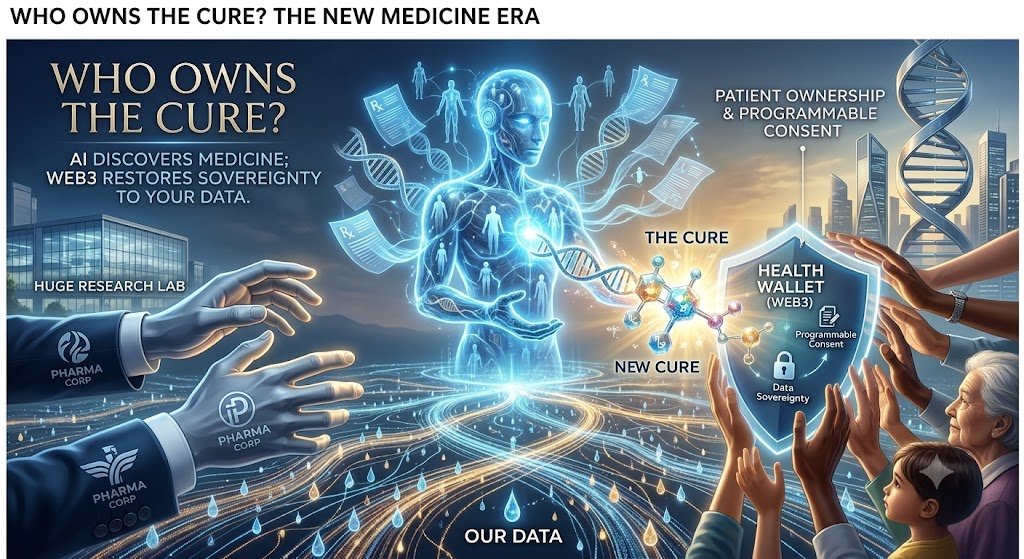
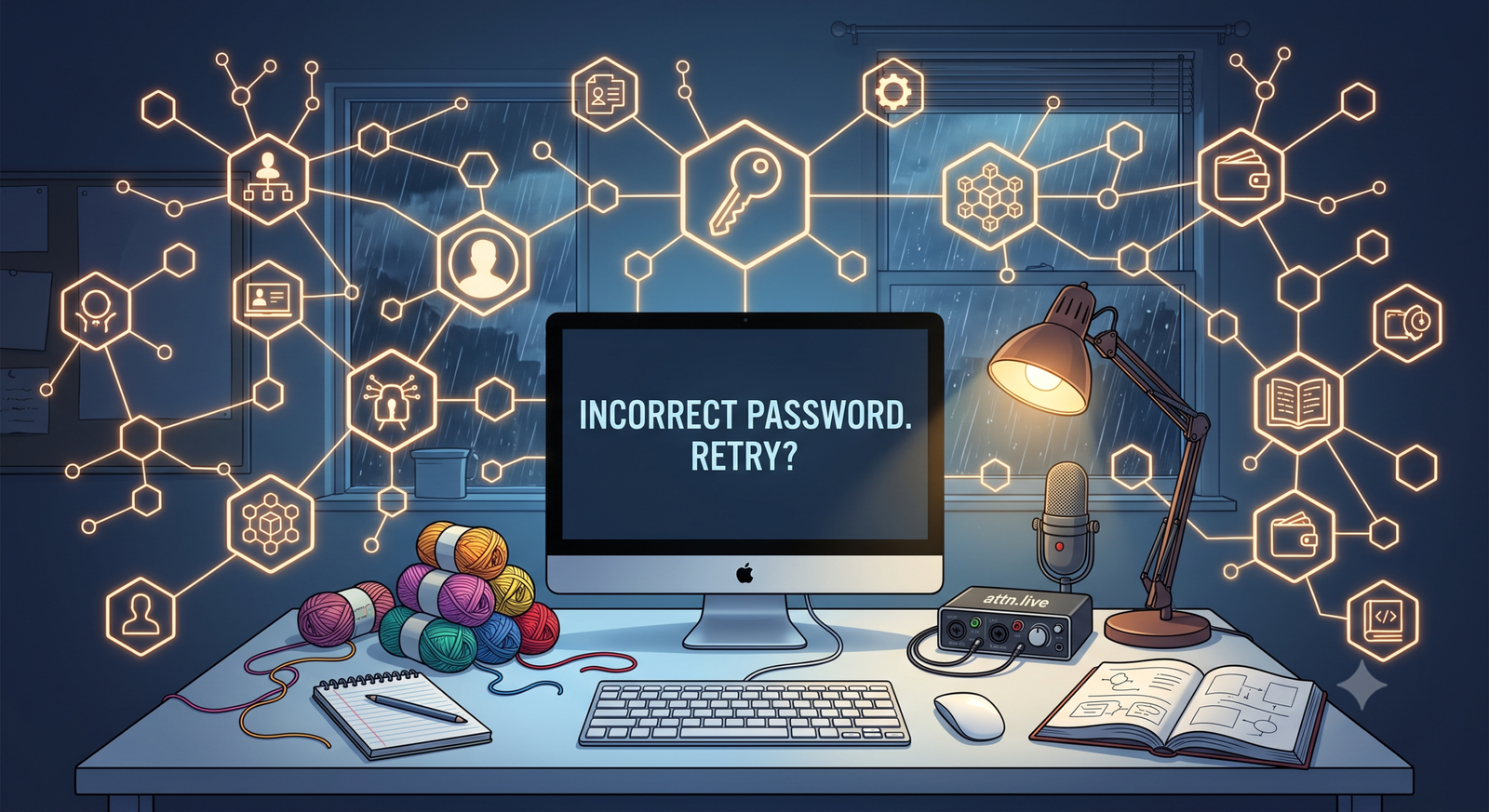
Here’s the uncomfortable truth: that’s roughly how most of us live our digital lives. We don’t own our online existence; we rent it, and the lease can change without warning.
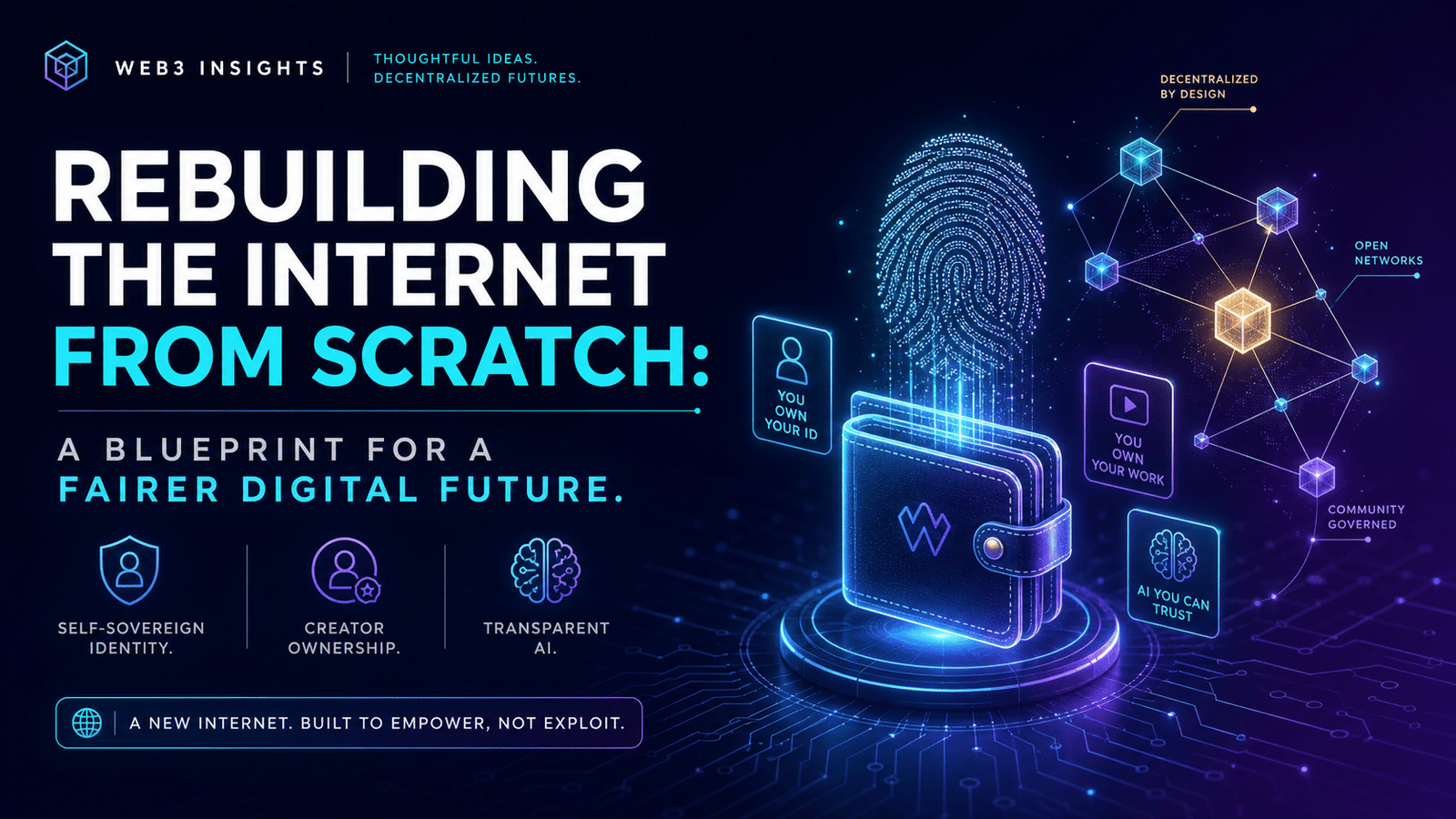
I want to talk about the next decade — not in a “when do we get flying cars?” way, and not to sell you on hype. I want to talk about ownership. Three pillars of your daily life are quietly shifting: your digital identity, your creative work, and your financial assets. Over the next ten years, you’ll gain real, meaningful control over each — if you understand what’s actually changing, including the messy parts the hype tends to skip. You don’t need a computer science degree. You need awareness and three small, quiet steps. Let’s walk through them together.
Think about how many services you enter through one “Sign in with…” button. Your photos, messages, professional contacts, and years of email may all hang off a single corporate account. The landlord holds the only key.
This isn’t hypothetical. In 2022, a father photographed his toddler’s medical symptoms to send to a doctor. Google’s automated scanning system flagged the images as suspected abuse material and disabled his entire account — email, photos, contacts, even his phone number. Police investigated and cleared him completely, yet Google never restored the account, as documented by The New York Times and The Guardian.
One algorithmic mistake, one locked door, no appeal that worked. (To be fair, Google notes a disabled account mainly breaks linked services — it doesn’t erase every separate account you hold elsewhere, but for anyone whose whole digital life sits behind one login, the distinction is cold comfort.)
The 10-Year Shift: Identity You Actually Hold
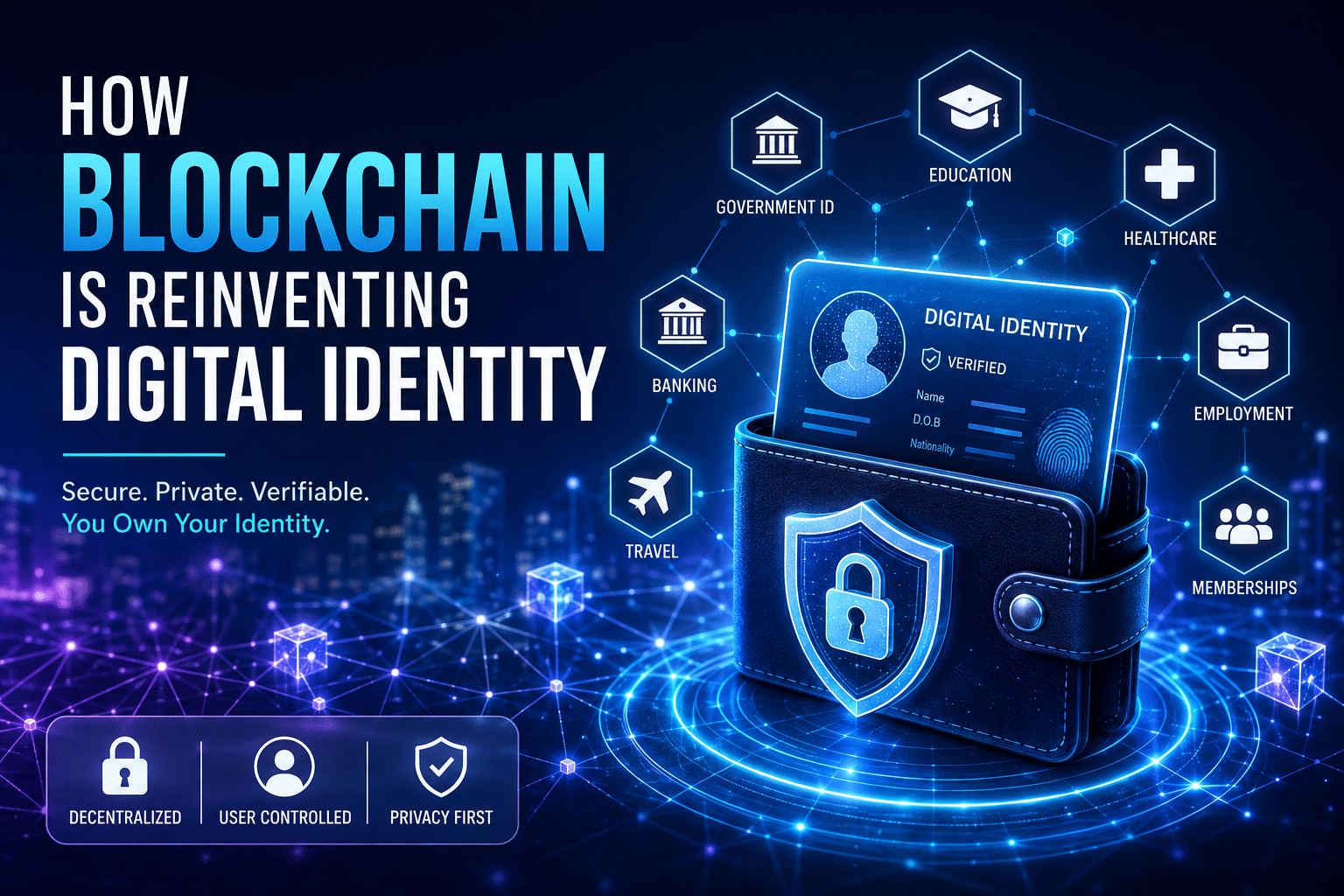
The good news: the internet’s plumbing really is being rebuilt. In 2022 the W3C — the body that maintains web standards — ratified , a way to prove who you are with cryptographic credentials you hold, revealing only what’s needed. A useful correction to the popular narrative: this doesn’t require a blockchain at all — it’s an open web standard.
It’s not fringe, either. The EU’s Digital Identity Regulation took effect in 2024, and every member state must offer a Digital Identity Wallet to roughly 450 million citizens by the end of 2026, letting people prove their age or credentials from a phone instead of handing over their whole identity. Honest caveat: much of this is still in large-scale pilot stages, and a government-issued wallet isn’t fully “self-sovereign” in the purest sense. But the direction is unmistakable: away from one master key, toward keys you actually hold.
Your 20-Minute Action Step This Week
Set up a dedicated password manager, then turn on passkeys or two-factor authentication for your five most crucial accounts — ideally using a phishing-resistant method like a passkey rather than biometrics alone. Add a recovery email that isn’t tied to the same provider. Bonus five minutes: export a backup of your data from your biggest account. None of this is Web3 yet — it’s the bridge, training you to manage your own keys with confidence.
If you’ve ever written an article, snapped a photo, designed a logo, or shared a thoughtful thread — you’re a creator.
Picture an artist who spends weeks painting a mural on a coffee shop’s wall. Customers flock in for photos, the café sells lattes off the vibe, the artist gets a wave and a free donut. If the building changes hands, surely the new owner can just paint over it?
Here’s a delicious plot twist: not always. When a New York developer whitewashed the famous 5Pointz graffiti complex, 21 artists sued under the Visual Artists Rights Act — and won $6.75 million, a judgment the Supreme Court later declined to disturb. A mural on someone else’s wall had real legal teeth.
Your digital work has a similar twist hiding in it. Legally, you keep the copyright to everything you post — platforms like YouTube and TikTok explicitly say creators retain ownership. What you actually hand over is a sweeping, perpetual, worldwide, royalty-free license to use, distribute, and modify your content. You own the painting; the platform owns the wall, the foot traffic, and the right to keep showing it even if you leave. And if the platform suspends you or shuts down, your audience and archive can vanish overnight.
The 10-Year Shift: Verifiable Authorship — With Eyes Open
| TRADITIONAL INTERNET (Web2) | EMERGING INTERNET |
| You own copyright, platform holds a sweeping license | Signed, tamper-evident proof of authorship travels with the file |
| Platform controls monetization and reach | Programmable licensing you can set yourself |
| Work vulnerable to platform shutdowns | Portable archives and direct creator-to-audience tools |
Two real efforts are building this future, and they teach opposite lessons. The cautionary tale: NFT royalties baked into smart contracts were supposed to pay artists on every resale, forever. Then marketplaces competing for volume simply stopped enforcing them — OpenSea made royalties optional in 2023, and creator payouts collapsed. Code can prove you made something; it can’t force anyone to pay you for it.
The quieter success story is C2PA Content Credentials, an open standard backed by Adobe, Microsoft, Google, and camera makers, that attaches a tamper-evident “nutrition label” to media — who made it, with what tools, edited how. It’s already embedded in cameras and creative software, and it needs no blockchain at all. Meanwhile, blockchain-native projects like Story Protocol, which raised $80 million led by a16z, are building programmable, on-chain licensing for creative work in the AI era. These are experiments, not an arrived future — but the direction, authorship that travels with the work itself, is real.
Your 20-Minute Action Step This Week
Build an independent, off-platform archive of your best work. Download your most cherished photos, writing, or recordings and store them on a drive or a simple portfolio site you own. Record the date and your authorship alongside each piece now, so when provenance tools mature, you can link your archive to permanent records instead of pleading with a platform for your own mural.
Let’s talk about money. Your financial life runs largely through gatekeepers: banks, card networks, and payment processors.
Think of traditional banking as a high-tech locker where the guard charges maintenance fees and can freeze your latch if an algorithm suspects a glitch. To be fair to the locker, though: it usually comes with deposit insurance, fraud protection, and a phone number to call — real virtues worth acknowledging.
The freeze scenario isn’t rhetorical, even if the details deserve precision. Processors like Stripe and PayPal use risk-based reserves that typically hold a portion of funds — new transactions plus sometimes part of an existing balance — for 30 to 90 days when volume spikes look unusual, and merchants have reported reserves stretching much longer under certain terms. That’s disruptive enough during a peak season without needing to exaggerate it as every dollar frozen with no recourse.
The 10-Year Shift: Decentralized Finance (DeFi) — Promise and Price Tag
DeFi replaces some of these intermediaries with open software: lending, trading, and payments that run on code rather than a bank’s approval. And mainstream finance is genuinely converging with it. In July 2025 the U.S. passed the GENIUS Act, its first federal stablecoin framework, and BlackRock now runs nearly $3 billion in tokenized funds on public blockchains.
Now the honest ledger. Researchers at the Bank for International Settlements call much of this the “decentralization illusion”— automation removes a bank, but power can reconcentrate in developers, governance token holders, or the handful of oracles and bridges the whole system quietly depends on. And when code replaces the middleman, code becomes the risk: Chainalysis reports $2.2 billion stolen from crypto platforms in 2024 and $3.4 billion in 2025, with total value locked in DeFi swinging sharply through 2026. There’s no deposit insurance, no fraud hotline, and no undo button. Nobody should move emergency savings into an experimental protocol — full stop. But the people who understand these rails today, including their failure modes, will have far more flexibility as the regulated, institutional versions mature.
Your 20-Minute Action Step This Week
Spend 20 minutes learning what a digital wallet actually is — no downloads, no money required. Understand two ideas: a wallet is a personal key ring for your assets and identity, and a seed phrase is a master key that, if lost, is lost for good. Self-custody means real freedom and full responsibility in equal measure. Understanding that trade-off is 90% of the battle.
Here’s what I hope you carry out of our conversation:
Awareness ==> Small Action ==> Empowerment ==> True Ownership
The next decade won’t hand you total ownership in one dramatic flip. It will arrive gradually and unevenly, built on real standards, real institutional milestones, and real setbacks along the way. The difference between feeling overwhelmed and feeling empowered isn’t technical brilliance — it’s awareness.
You don’t need to become a developer. You don’t need volatile crypto bets. You don’t need to overhaul your life by Sunday night.
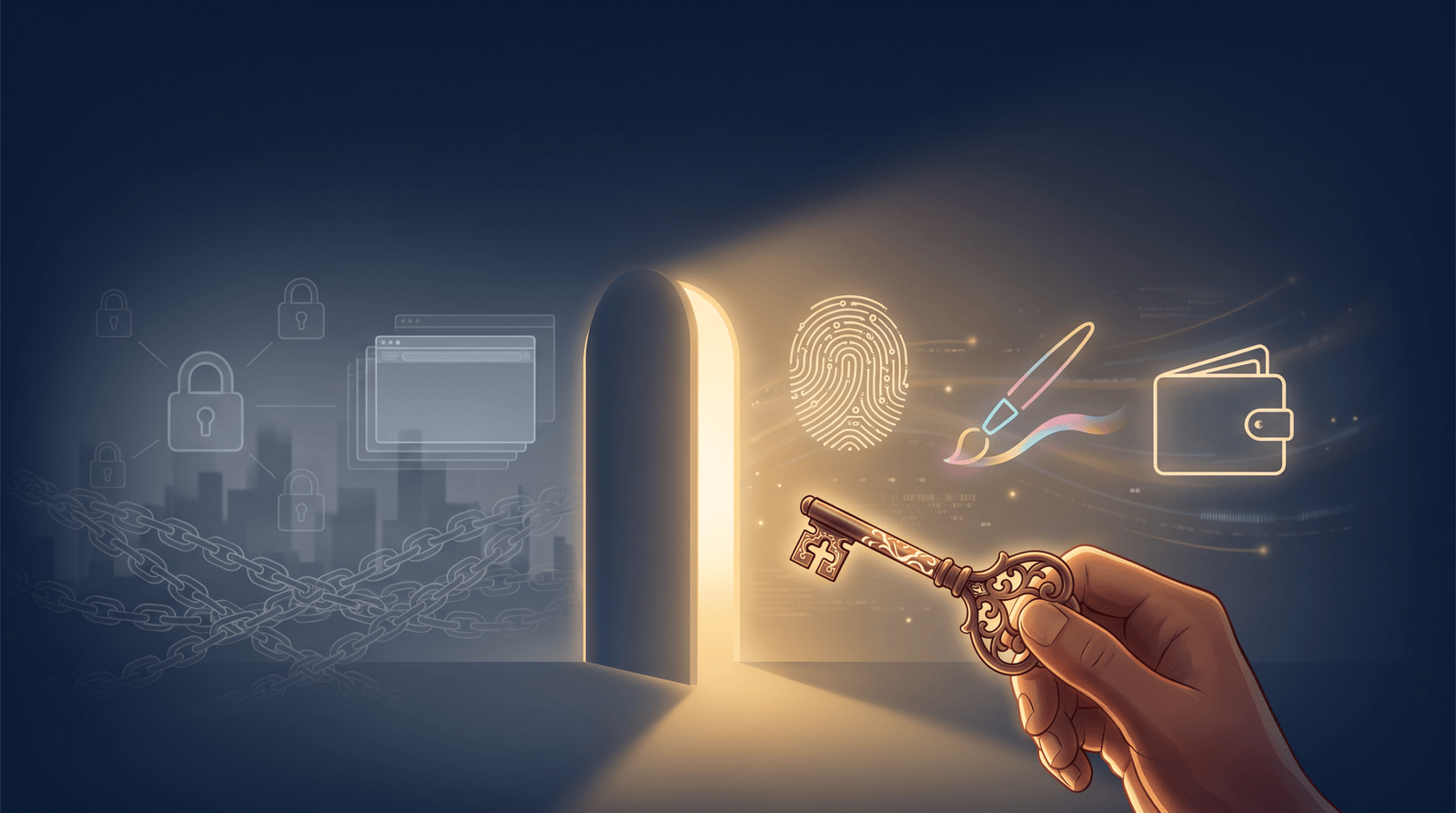
Own your keys. Archive your work. Learn one new concept. The future isn’t something that just happens to you — it’s something you walk into with your eyes open, your mind clear, and your hands ready.
And always remember, stay curious, stay grounded and stay human.