Anouncement

Anouncement
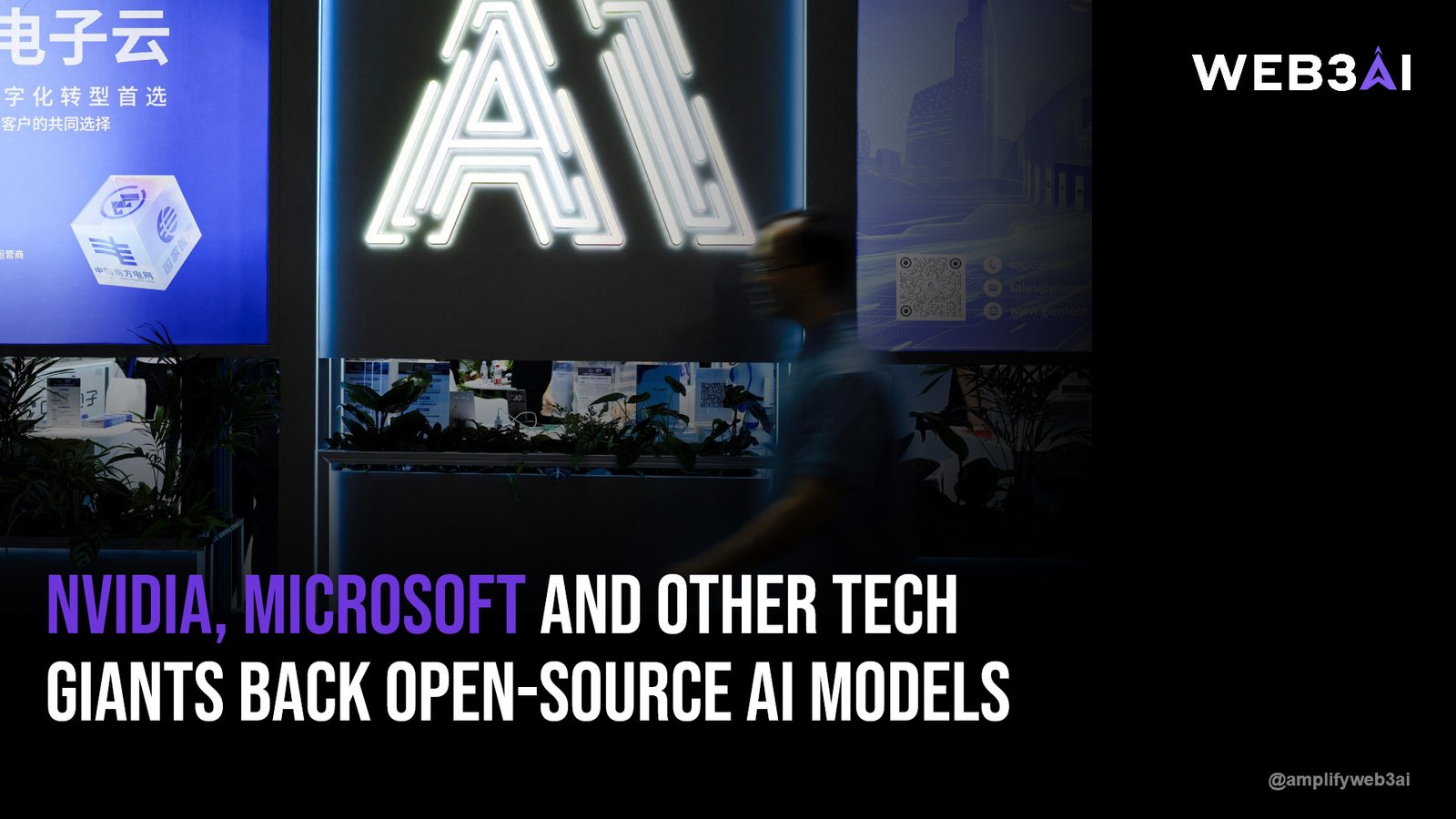

Open source AI models just picked up some heavyweight allies, and the tech world is paying close attention. A growing coalition of major companies is throwing their weight behind openly available AI systems, signaling a shift away from the closed, proprietary approach that has dominated the industry for years. If you have felt priced out or locked out of the AI conversation, this shift matters to you.
According to the World Economic Forum, open-source AI has the potential to democratize innovation by giving smaller businesses and independent developers the same building blocks that once belonged only to tech giants. That is a big promise, and it is one that plenty of frustrated founders and developers have been waiting to hear. Closed AI ecosystems have often meant higher costs, less transparency, and slower innovation for everyone outside the biggest labs.
We know that feeling of being on the outside looking in. This post breaks down what open source AI models actually are, why companies are backing them now, and what it means for your business, your team, and your next big idea.
Open source AI models are systems whose underlying code, training data structure, or model weights are made publicly available. Anyone can inspect them, modify them, and build on top of them. This is different from proprietary AI, where the company that built the model keeps the internal workings locked away.
Think of it like the difference between a recipe you can copy and remix versus a secret sauce you can only buy in a bottle. Open source AI models let developers see exactly what is inside, tweak the ingredients, and adapt the result to their own needs. That transparency builds trust, especially for businesses that need to explain their AI decisions to regulators or customers.
The catch is that “open source” can mean different things depending on the company. Some models release full training data and code. Others release only the weights, which limits how deeply you can customize them. Reading the fine print still matters.
The recent wave of corporate support is not charity. Companies backing open source AI models see real strategic upside. Sharing a model widely can accelerate adoption, attract developer talent, and create an ecosystem where third parties build tools that make the core technology more valuable.
There is also a competitive angle. When one major lab open sources a strong model, it pressures rivals to either match the openness or justify staying closed. This dynamic has pushed several companies to reconsider strategies they once treated as untouchable.
If you are new to the broader Web3 and decentralized tech landscape that often overlaps with this movement, our beginner’s guide to Web3 is a helpful starting point. Open collaboration is a theme that runs through both spaces.
For companies weighing their AI options, open source AI models offer a few compelling advantages. Cost is often the first one that comes up, since many open models can be run without the recurring licensing fees attached to closed platforms.
Customization is another major draw. Businesses can fine-tune an open model on their own data, tailoring outputs to their specific industry or customer base rather than settling for a one-size-fits-all product.
Pro Tip: Before adopting any open source AI model, check the license terms carefully. Some restrict commercial use or require attribution, which can affect your product roadmap.
Here are a few practical reasons teams are making the switch:
The support from major companies has fueled an explosion of tools built directly on top of open source AI models. Startups and enterprise teams alike are using these foundations to build chatbots, coding assistants, and content generation platforms without starting from scratch.
We rounded up a detailed breakdown of the tools reshaping how businesses work in our guide to top AI tools transforming business in 2025. Many of the platforms featured there rely on open foundations rather than closed, proprietary systems.
This trend also lowers the barrier to entry for smaller companies. A five-person startup can now access model capabilities that once required a research lab budget.
The ripple effects of corporate backing go beyond individual products. Open source AI models are changing how the entire tech industry approaches development, competition, and even regulation.
Regulators in several regions have started referencing openness as a factor in AI governance discussions, since transparent models are easier to audit for bias and safety issues. That has put additional pressure on closed-model companies to justify their approach.
Our piece on how AI and blockchain are reshaping the tech industry digs deeper into how these open, transparent systems are intersecting with decentralized infrastructure more broadly.
Pro Tip: If you are evaluating vendors, ask directly whether their AI stack includes open source AI models. It affects your flexibility down the road far more than most sales pitches admit.
If you are ready to experiment, getting started with open source AI models does not require a huge technical team. Most popular open models now come with simplified deployment options through cloud partners.
Here is a simple path to follow if you are just getting started:
Taking it slow protects you from committing to a model that does not fit your actual needs. Small pilot projects reveal a lot before you scale.
Open source AI models make their underlying code or weights publicly available for inspection and modification. Proprietary models keep that information locked away, limiting how much users can customize or audit them.
It depends on the specific license attached to each model. Some open source AI models allow unrestricted commercial use, while others require attribution or limit certain use cases.
Companies see strategic value in wider adoption, developer goodwill, and competitive pressure from rivals already embracing openness. Backing open source AI models also helps build ecosystems around a company’s core technology.
Many open source AI models now perform competitively with leading closed systems on standard benchmarks. Performance varies by task, so testing your specific use case is always recommended.
Start by defining your exact use case, then compare a few candidate models on a small test dataset. Pay close attention to licensing terms and community support before committing to full deployment.
Open source AI models are no longer a niche alternative reserved for hobbyists and researchers. With major companies now backing them publicly, they are becoming a mainstream, credible path for businesses of every size. The transparency, cost savings, and flexibility they offer are hard to ignore.
Whether you are a solo developer or leading a growing team, now is a good time to explore what open options exist for your next project. Explore what we have built at attn.live.