Anouncement

Anouncement
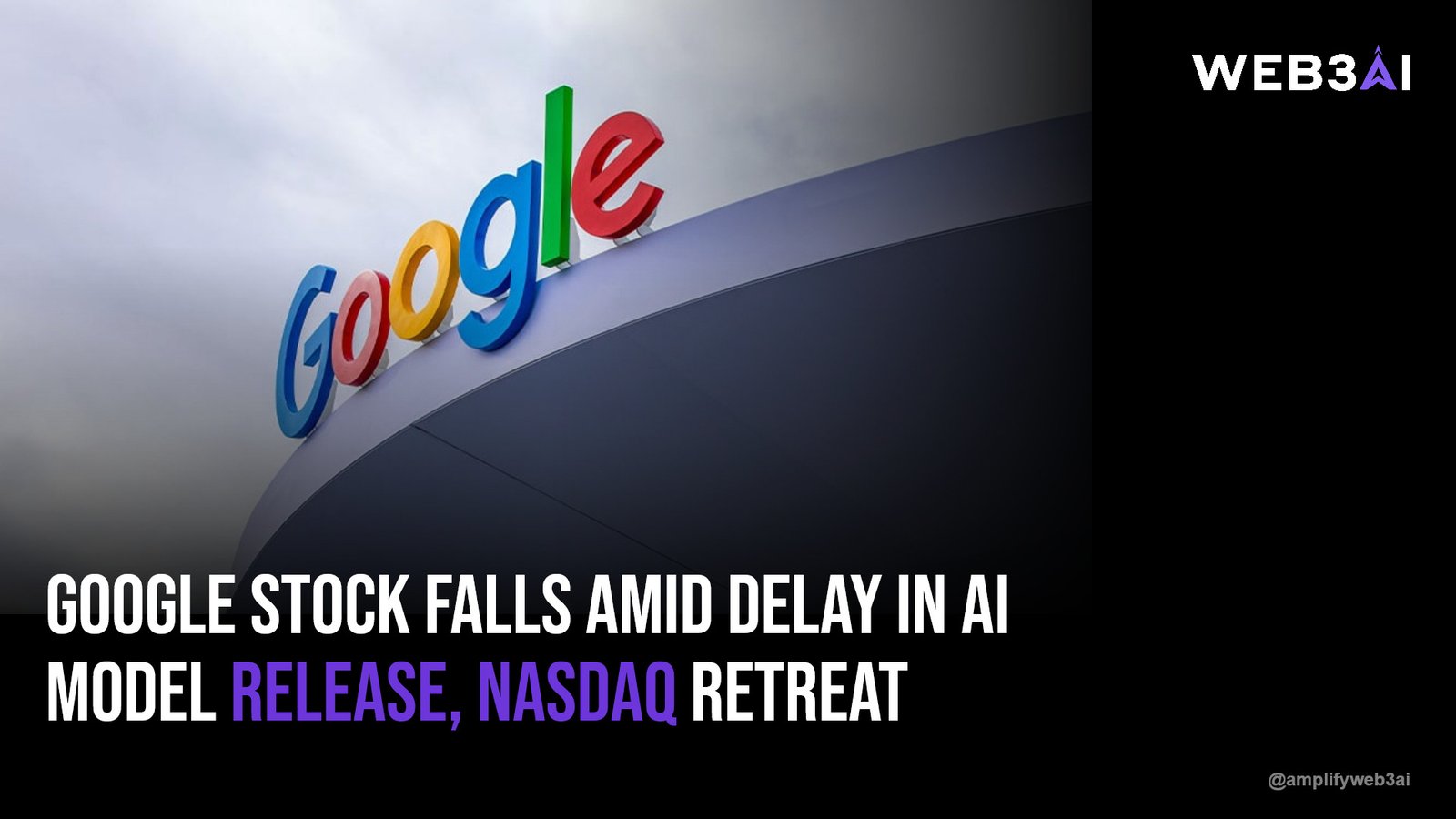

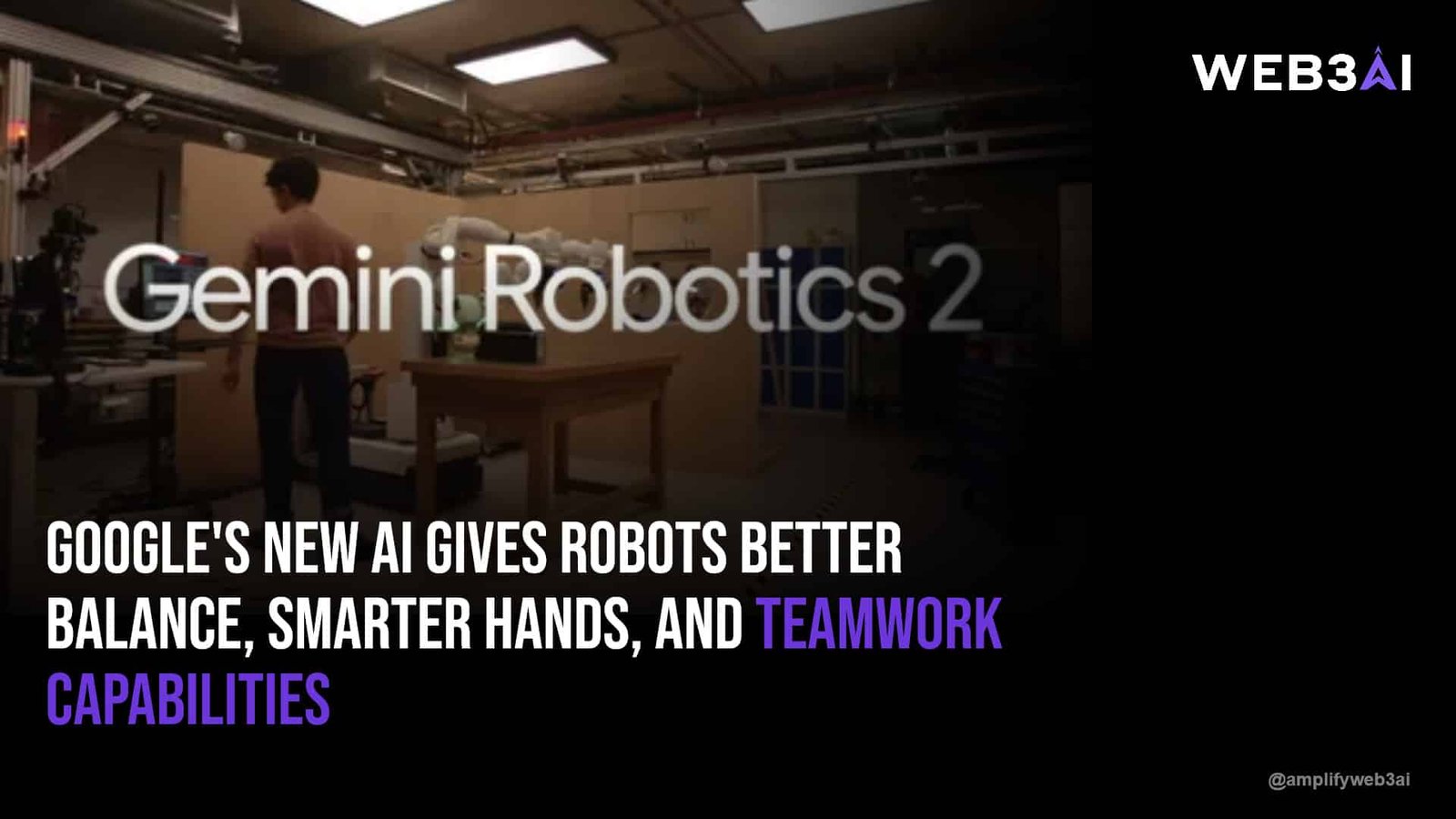
A Gemini AI model delay was enough to knock billions off Google’s market value and drag the broader Nasdaq lower in a single trading session. Investors who had priced in a rapid, uninterrupted AI rollout suddenly had to reckon with a much messier reality: even the biggest players in artificial intelligence hit roadblocks.
This isn’t just a Google story. As Reuters reported, the entire sector is under new scrutiny as investors question whether massive AI spending is translating into shipped products fast enough to justify sky-high valuations. When a company as resourced as Alphabet stumbles on a launch timeline, it raises a pain point every tech investor already feels: is the AI boom running ahead of what companies can actually deliver?
In this post, we’ll break down what happened with the Gemini AI model delay, why markets reacted so sharply, and what it signals for the future of AI competition, investment strategy, and product timelines across the industry.
Reports surfaced that Google’s next major Gemini release was pushed back from its expected launch window. The company cited the need for additional safety testing and performance refinement before shipping the model broadly. For a company locked in a tight race with OpenAI, Anthropic, and Microsoft, any delay reads as a signal of vulnerability to markets watching closely.
Analysts noted that the delay wasn’t necessarily about a technical failure. Instead, it appeared tied to internal decisions about how aggressively to push a model into production versus taking more time to polish it. That distinction matters, but markets often react to headlines first and nuance second.
Google’s stock fell sharply on the news, and the ripple effect spread across other AI-adjacent names on the Nasdaq. Semiconductor stocks, cloud infrastructure providers, and smaller AI startups all saw declines as investors reassessed risk across the sector.
This kind of correlated selloff shows how tightly the market now links AI product timelines to overall tech sentiment. A single delay at one company can shift capital flows across dozens of related stocks within hours.
Pro Tip: When a single company’s product delay moves an entire sector, it’s a signal that valuations are pricing in near-perfect execution — worth watching closely before making investment decisions.
If you’re new to how AI systems get built and tested, it helps to understand the fundamentals first. Our beginner’s guide to Web3 AI breaks down how decentralized and traditional AI systems are developed, tested, and deployed — context that makes stories like the Gemini AI model delay much easier to interpret.
AI models, especially large-scale ones, require extensive safety and alignment testing before public release. Skipping steps can lead to embarrassing public failures, while taking too long can cost market share. Companies are constantly walking this tightrope.
For companies building on top of AI infrastructure, this event is a reminder to diversify tooling and avoid over-reliance on a single vendor’s roadmap. If your business strategy depends entirely on one model’s release date, a delay like this can derail your own launch plans too.
Our roundup of top AI tools reshaping business in 2025 highlights several alternatives worth evaluating so you’re not caught off guard by a single provider’s timeline shifts.
The Gemini situation is part of a larger pattern reshaping the tech industry. Companies are under enormous pressure to ship fast while also avoiding safety missteps that could trigger regulatory backlash or public trust issues.
Our deep dive on how AI is transforming the tech industry explores this tension in more detail, including how competitive pressure is changing internal testing standards across major labs.
Pro Tip: Track AI company earnings calls closely — leadership commentary on release timelines often signals stock movement before official press releases do.
Short-term stock dips tied to product delays are common in tech and don’t always reflect long-term company health. Alphabet remains one of the most diversified tech companies in the world, with revenue streams well beyond AI model releases.
That said, the market reaction shows just how sensitive investor sentiment has become to AI execution speed. Companies that consistently miss timelines may see sustained pressure, even if their underlying business remains strong.
Reports indicate the delay was tied to additional safety testing and performance refinement rather than a major technical failure. Google reportedly wanted more time before a full public rollout.
Google’s stock dropped sharply following the news, and the decline spread to other AI-related stocks on the Nasdaq. Investors reacted to concerns about execution speed in the competitive AI race.
Not necessarily. Delays often reflect a company prioritizing safety and quality over speed, which can be a positive long-term signal even if it causes short-term stock volatility.
Similar patterns have occurred across the industry, where companies push back release dates to address safety or performance concerns. Markets have historically recovered once the improved product ships.
Businesses should diversify their AI vendor relationships and build flexibility into their own product roadmaps. Relying on a single provider’s timeline increases exposure to this kind of disruption.
The Gemini AI model delay is a clear reminder that even the most well-resourced tech giants face real engineering and safety tradeoffs on the path to shipping advanced AI. For investors, it’s a signal to watch execution timelines as closely as innovation headlines. For businesses, it’s a call to build flexibility into any strategy tied to a single AI provider’s roadmap.
Explore what we have built at attn.live.