Anouncement

Anouncement


Apple’s AI pricing strategy for 2025 is shaping up to be one of the most consequential shifts in consumer technology in years — and if you own (or plan to buy) an iPhone, iPad, or Mac, it affects you directly. Apple is signalling that the era of AI-powered hardware comes at a premium, and the company intends to pass a significant portion of that cost on to consumers. Whether you see that as fair value or a frustrating squeeze depends on what you get in return.
According to reporting from Bloomberg (2025), Apple is weighing price increases across its hardware lineup as it deepens the integration of Apple Intelligence — its generative AI platform — into every device it sells. The increases are not yet final, but internal discussions suggest they could be material, potentially pushing flagship iPhone models well above the $1,200 mark for the first time. For everyday consumers, that headline number matters a great deal.
This post unpacks what we know about Apple’s approach, why AI is the driving force behind the price pressure, what it means for you as a buyer, and how the broader tech industry is responding to the same cost-versus-value tension.
Apple Intelligence is not just a feature — it is Apple’s foundational bet on where computing goes next. Introduced with iOS 18 and macOS Sequoia, the platform brings on-device language models, image generation, priority notification summaries, and a dramatically upgraded Siri to every supported device. Running these models locally, without sending your data to a cloud server, requires far more powerful silicon than Apple’s previous chips already delivered.
That silicon cost is real. Designing, fabricating, and integrating neural-engine-heavy chips like the A18 Pro is expensive, and those costs have to be recovered somewhere. Apple has historically absorbed some hardware cost increases while tightening margins on accessories or services. This time, the scale of the AI investment appears to be large enough that the company is seriously considering a different approach — charging more upfront for the device itself.
There is also a competitive angle. Apple is watching Microsoft, Google, and Samsung each bundle AI features into their ecosystems, and it wants Apple Intelligence to be perceived as the premium tier in that landscape. Premium perception and premium pricing tend to reinforce each other in Apple’s brand playbook.
Pro Tip: If you are considering upgrading your iPhone this year, buying in the first few weeks of launch typically gives you the widest choice of storage configurations before popular variants sell out — and before any mid-cycle price adjustments.
The reported price increases are not expected to hit every product equally. Based on current reporting, the flagship iPhone Pro and Pro Max models are the most likely candidates for higher price tags, because they carry the most powerful chips and the fullest implementation of Apple Intelligence features. Entry-level iPhone models may see smaller increases or none at all, preserving Apple’s volume base.
Mac and iPad pricing is a secondary story. The M-series chips already command a premium, and Apple has been more conservative about raising those prices in recent years. However, as Apple Intelligence becomes central to the Mac experience — particularly for professionals using AI writing, coding, and creative tools — the company may feel justified in adjusting prices for higher-end Mac configurations.
For a broader look at how artificial intelligence is reshaping hardware and software pricing across the entire tech sector, our breakdown of how AI is transforming the tech industry gives useful context on why Apple is far from alone in facing this cost pressure.
The iPhone SE line — Apple’s budget-focused offering — remains a wildcard. If Apple Intelligence features trickle down to affordable hardware quickly, the SE could become one of the most compelling AI value propositions in the market. If they do not, it risks feeling left behind in Apple’s own ecosystem.
AI investment is not the only force pushing Apple toward higher prices. Trade tariffs — particularly those affecting components manufactured in China and assembled in partner facilities across Asia — have added a separate layer of cost pressure that Apple’s finance team is navigating simultaneously. Diversifying production to India and Vietnam helps, but it takes years to reach the scale and quality consistency that Apple requires, and transition costs are not cheap.
When you layer AI silicon costs on top of tariff-driven supply chain expenses, the pressure on margins becomes significant. Apple could absorb it all and accept lower profitability, it could find savings elsewhere in the business, or it could raise prices. The reporting suggests all three levers are being pulled, but that price increases are the most visible outcome consumers will notice.
This intersects with a broader conversation in the technology world about whether AI’s value is currently being appropriately priced into consumer products — or whether companies are using AI as a convenient justification for margin recovery. Honest consumers deserve to ask that question, and Apple’s answer will be visible in the quality of Apple Intelligence features at launch.
Pro Tip: Before upgrading, list the specific Apple Intelligence features you would actually use daily. If the practical benefit matches the price premium for your use case, it is a reasonable upgrade. If the list is short, waiting one generation is often the smarter financial decision.
Consumer sentiment around premium smartphone pricing has been shifting. In markets like the United States and Western Europe, flagship fatigue — the sense that each new iPhone is only marginally better than the last — has extended upgrade cycles to three or four years for many buyers. If Apple raises prices significantly, it risks pushing even loyal customers toward longer hold cycles or toward Android alternatives that offer competitive AI features at lower price points.
In price-sensitive markets like India, Brazil, and Southeast Asia — regions where Apple has been aggressively growing its presence — higher prices could slow momentum significantly. Apple has been working hard to offer localised pricing and financing options in these markets, and a global price increase complicates that strategy considerably.
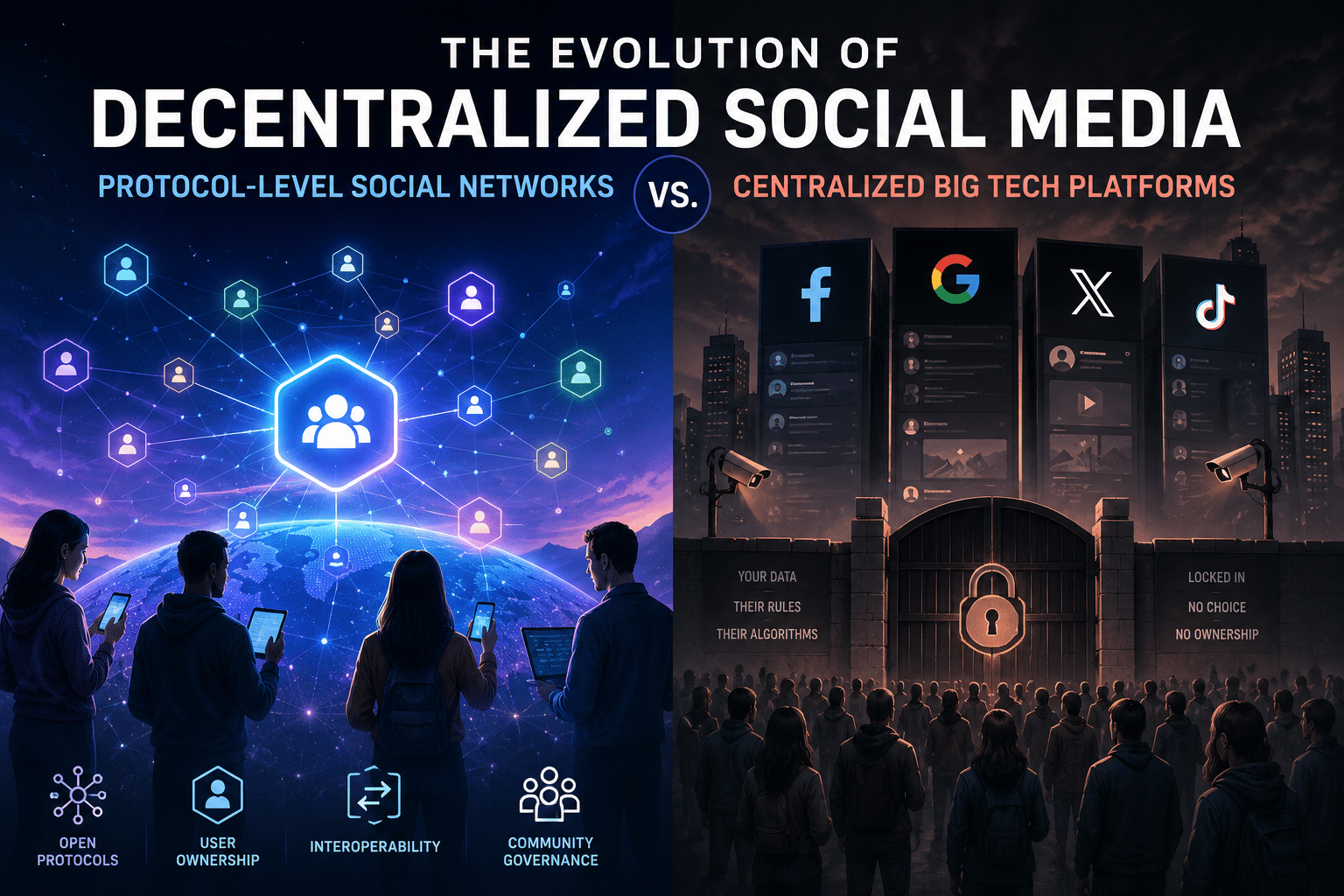
The intersection of AI capability and consumer value perception is precisely why platforms like Web3 and AI: the future of digital innovation matter — decentralised, user-owned models of computing could eventually offer an alternative to the closed, premium-priced ecosystems that companies like Apple are doubling down on.
Price increases are only sustainable if the product delivers clear, felt value. Apple Intelligence, in its current form, has received mixed reviews. The notification summaries and writing tools have been useful for many users. The upgraded Siri, however, has been widely criticised for launching without the contextual awareness Apple promised in its original demo, and the image generation tools have faced their own quality concerns.
For Apple’s AI pricing strategy to hold, the company needs Apple Intelligence to mature quickly into something people cannot imagine living without — the way Touch ID, Face ID, and AirDrop became invisible necessities. That bar is high, and Apple’s engineering and AI teams are aware of it. The roadmap for iOS 19 and beyond reportedly addresses many of the current gaps in Siri’s intelligence.
There is also the services dimension. Apple One, iCloud+, and Apple Intelligence as a potential premium subscription tier could give the company a way to monetise AI without raising hardware prices as dramatically. Bundling advanced AI features into a subscription keeps the device price accessible while still capturing revenue from power users. We explore this pattern in our post on the rise of AI-powered consumer technology.
If you are managing a budget and watching Apple’s pricing trajectory with concern, there are practical steps you can take right now. First, understand your actual AI usage. Most Apple Intelligence features in their current form are useful but not transformative — if you are primarily a messaging, photography, and social media user, an older iPhone with iOS 18 delivers most of the same features at a fraction of the cost of a new flagship.
Second, consider the refurbished market. Apple’s certified refurbished store and reputable third-party resellers offer recent iPhone models at significant discounts, often with warranties. As Apple introduces new flagship models at higher prices, the refurbished value chain becomes even more attractive for budget-conscious buyers who still want a capable device.
Apple’s AI pricing strategy for 2025 centres on recovering the significant cost of designing and manufacturing AI-capable hardware — particularly the neural-engine chips required to run Apple Intelligence on-device — by raising prices on flagship iPhone and potentially Mac models. The exact increases have not been officially confirmed, but Bloomberg reporting suggests they could be material for Pro-tier devices.
Current analyst estimates suggest the iPhone 17 Pro Max could breach the $1,200 to $1,300 range depending on configuration, up from the current $1,199 starting price for the iPhone 15 Pro Max. These are projections based on supply chain reporting and should be treated as estimates until Apple makes an official announcement.
That is a genuinely contested question. Apple Intelligence offers real value in its writing tools, notification summaries, and privacy-preserving on-device processing. However, features like the enhanced Siri have not yet delivered on their original promise. Whether the premium is justified depends heavily on how much the feature set matures before the next iPhone launch cycle.
Not equally. Flagship iPhone Pro models are the most likely candidates for meaningful price increases, as they carry the most powerful chips and the fullest Apple Intelligence feature set. Entry-level iPhones, iPads, and Macs may see smaller or no immediate increases, though gradual price creep across the lineup is possible over a two-to-three-year horizon.
Samsung and Google have also been integrating generative AI into their flagship devices, but both have been more cautious about headline price increases so far. Google’s Pixel 9 series and Samsung’s Galaxy S25 lineup offer competitive AI feature sets at price points that currently undercut Apple’s flagship tier. This competitive dynamic may constrain how aggressively Apple can raise prices without losing market share.
Yes, in many cases. Apple’s software update policy means recent iPhones — particularly iPhone 15 and 16 models — will continue receiving iOS updates and a meaningful subset of Apple Intelligence features for several years. Staying on a current device and skipping one upgrade cycle is a legitimate and financially sensible strategy if the price increases materialise as reported.
Apple’s AI pricing strategy for 2025 is a signal, not just a price tag. It tells us that the cost of on-device artificial intelligence is real, that the race to deliver premium AI experiences is intensifying, and that consumers will increasingly need to make active choices about how much they value intelligence built into their hardware versus accessible through free or low-cost cloud services. Apple is betting you will pay for privacy, performance, and ecosystem coherence — and history suggests a significant portion of its customer base will agree.
The more important question is whether Apple Intelligence matures fast enough to make that bet feel worthwhile to the mainstream buyer — not just the enthusiast. The gap between what was promised and what currently exists in Siri is Apple’s most urgent challenge. Price the product too high before the AI is genuinely transformative, and even the most loyal customers start exploring alternatives.
At ATTN.LIVE, we believe the future of AI and technology should create more value for users, not simply extract more revenue from them. We are watching Apple’s next moves closely, and we will keep you informed as the story develops. Explore what we have built at attn.live.
##