Anouncement

Anouncement
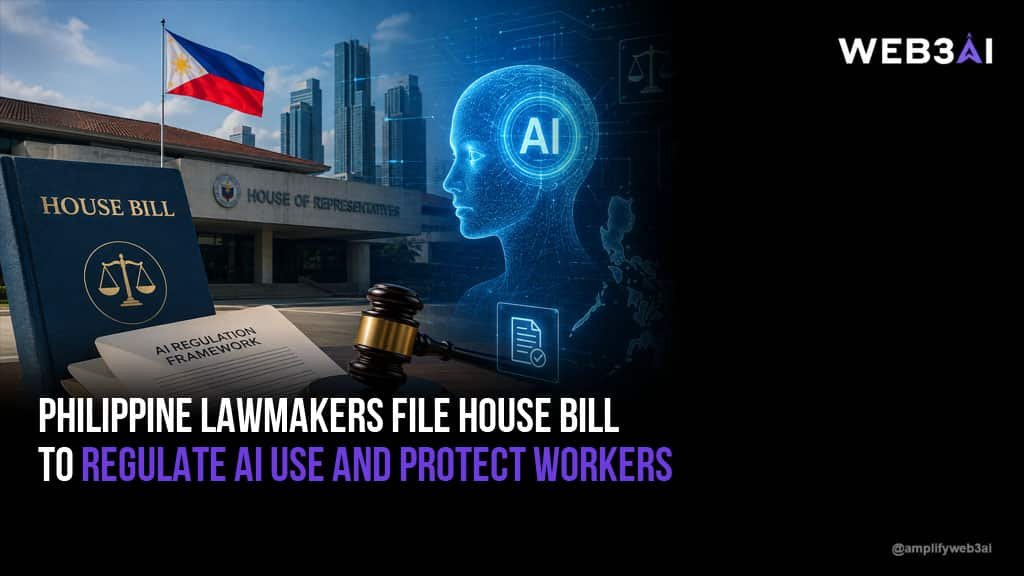

Philippines Proposes AI Governance Act (HB 10362) to Protect Workers
Akbayan Rep. Chel Diokno files House Bill 10362 (AI Governance Act) in the Philippines, mandating a 6-month notice before AI deployment and introducing an AI Bill of Rights.
MANILA, Philippines — In a major push toward ethical technology regulation, Akbayan Party-list Representative Chel Diokno and co-lawmakers have filed House Bill No. 10362, formally titled the AI Governance Act. The proposed legislation seeks to establish a comprehensive national policy framework for artificial intelligence (AI) in the Philippines, balancing tech innovation with strong safeguards for Filipino workers and consumers.
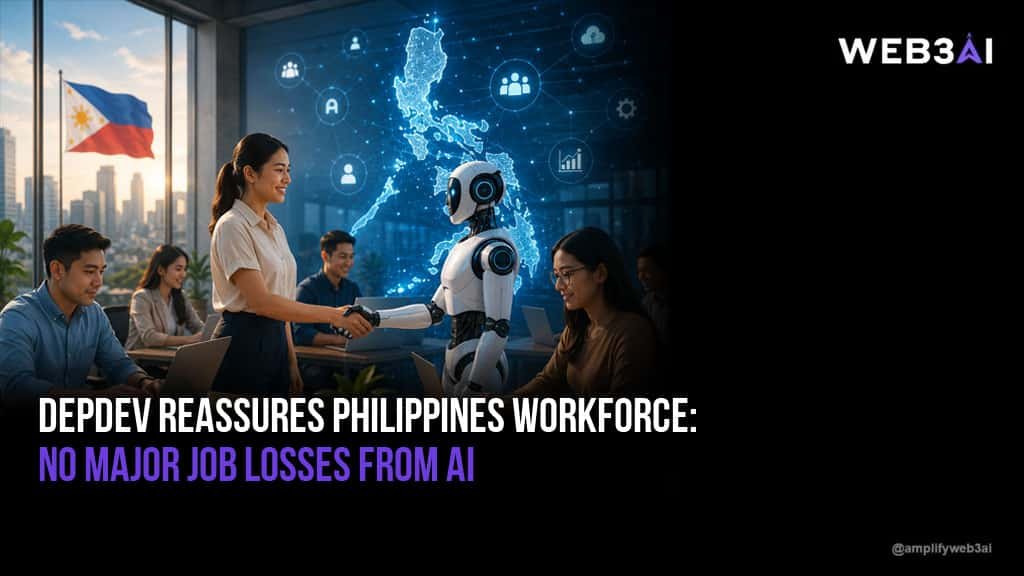
As artificial intelligence adoption accelerates across key industries—including business process outsourcing (BPO), finance, and manufacturing—concerns over job displacement, privacy breaches, and algorithmic bias have intensified. HB 10362 aims to address these challenges proactively.
One of the bill’s flagship provisions targets potential employment disruption caused by high-impact AI tools and automated systems. Under HB 10362:
Lawmakers emphasize that these measures aim to prevent sudden layoffs and ensure that the Filipino workforce remains resilient amidst digital transformation.
Beyond labor protection, the AI Governance Act introduces a foundational AI Bill of Rights designed to protect citizens interacting with automated systems. This framework mandates:
Commenting on the measure, Rep. Chel Diokno highlighted the necessity of clear regulatory boundaries to harness AI’s economic potential without compromising human rights or public trust.