Anouncement

Anouncement
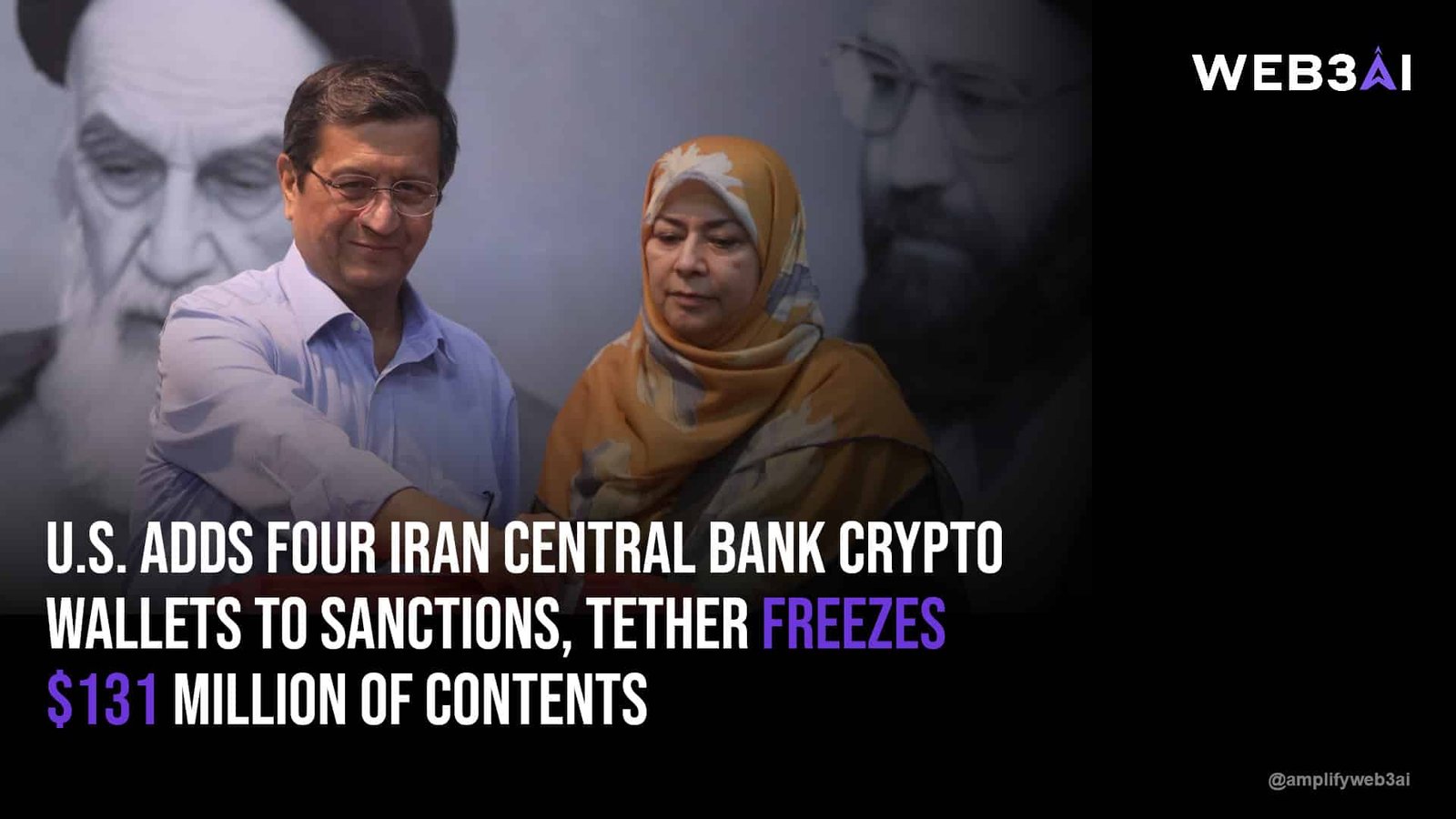

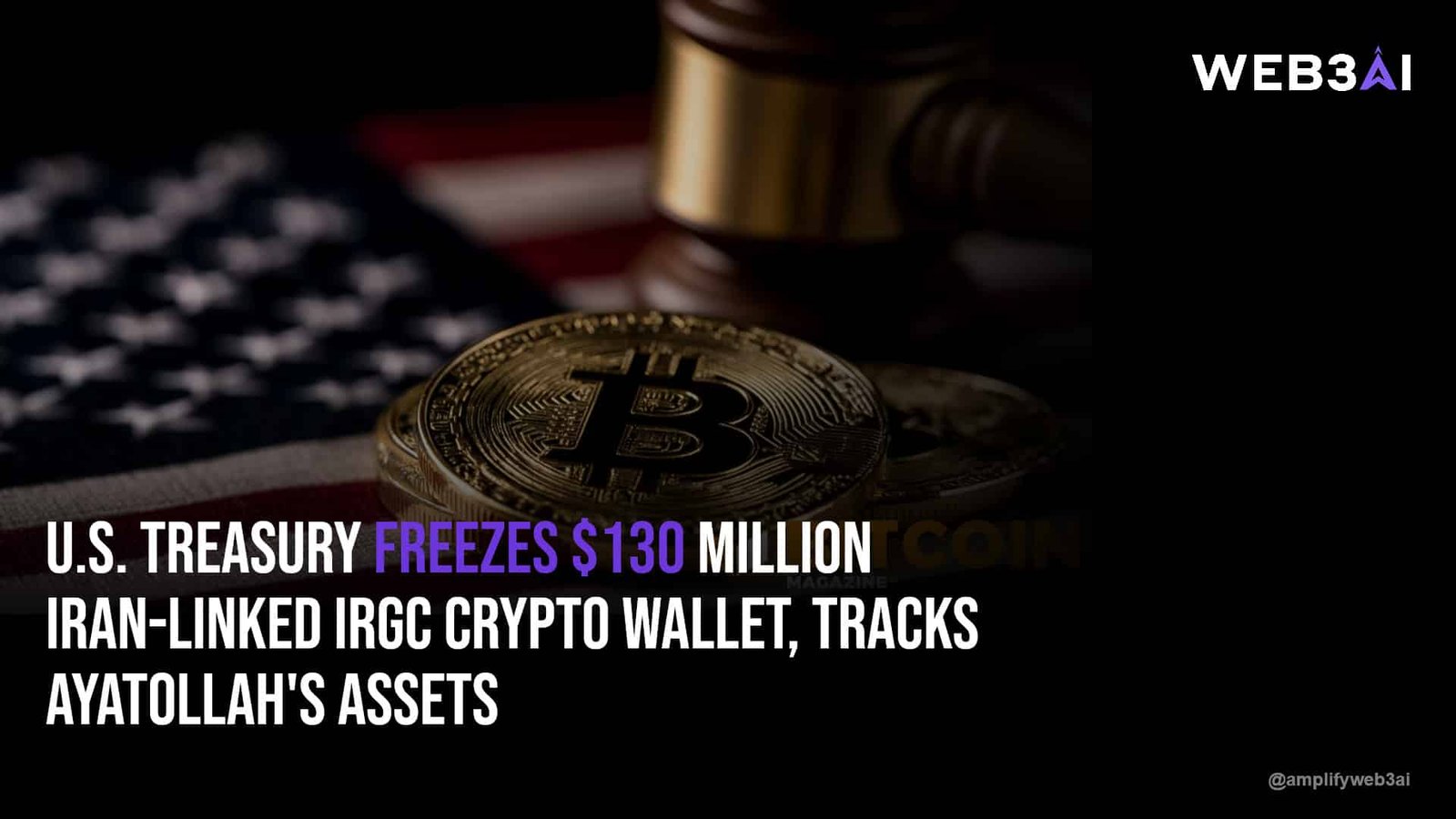
Tether freezes Iran wallets holding roughly $131 million in USDT, marking one of the largest stablecoin seizures tied to sanctions enforcement this year. The move came after the U.S. Treasury added four crypto wallets linked to Iran’s central bank to its sanctions list, tightening the net around Tehran’s efforts to use digital assets to sidestep financial restrictions. If you’ve ever wondered whether stablecoins are truly outside government reach, this story answers that question clearly.
According to the U.S. Department of the Treasury, the newly sanctioned wallets were allegedly used to move funds connected to Iran’s oil trade and broader sanctions evasion network. This isn’t an isolated incident — it’s part of a growing pattern where regulators pair traditional sanctions tools with direct action against blockchain addresses. For everyday crypto holders, that pairing raises a real concern: could your funds get frozen too, even if you did nothing wrong?
We know that feeling of uncertainty. You hold digital assets because they’re supposed to be fast, borderless, and predictable — and then a headline like this makes you wonder how much control you actually have. This post breaks down exactly what happened, why Tether froze the wallets, and what it tells us about the future of stablecoin compliance.
The chain of events started with a fresh round of U.S. sanctions targeting four crypto wallets tied to Iran’s central bank. Treasury officials say these wallets were part of a larger scheme to launder oil revenue through digital assets, avoiding the traditional banking system entirely. Once the wallets were formally designated, Tether moved quickly to freeze the associated USDT balances.
This wasn’t Tether’s first freeze tied to sanctioned entities, but the scale stood out. Freezing $131 million in a single action shows just how much stablecoin liquidity can flow through addresses tied to state actors. It also shows that issuers like Tether are willing — and technically able — to act fast when regulators point to a wallet.
For context, stablecoins were originally pitched as neutral digital dollars, free from the friction of traditional finance. Events like this complicate that pitch. If you’re new to how these tokens actually work under the hood, our guide on what a stablecoin actually is breaks down the basics in plain language.
Sanctions used to focus almost entirely on banks, shell companies, and individuals. Now regulators are adding blockchain addresses to that list, treating wallets the same way they’d treat a bank account. This shift matters because it closes a loophole that sanctioned entities have relied on for years.
Iran has used crypto before to move value around currency controls and banking restrictions. By sanctioning specific wallets tied to its central bank, the Treasury is signaling that blockchain transparency actually works in its favor. Every transaction on a public ledger is traceable, which ironically makes crypto easier to police than some traditional offshore accounts.
Pro Tip: Always check whether the platform or wallet service you use screens against OFAC sanctions lists before moving significant funds internationally.
A common misconception is that freezing a wallet means shutting down part of the blockchain. That’s not how it works. Tether, as the issuer of USDT, can blacklist specific addresses at the smart contract level, preventing those tokens from being moved or spent.
The underlying blockchain keeps running exactly as before. Only the tokens tied to the flagged address become frozen — everyone else’s USDT transactions continue uninterrupted. This is possible because Tether retains centralized control over its token contracts, unlike fully decentralized assets such as Bitcoin.
If you run a Web3 business, this case is a reminder that sanctions compliance isn’t optional anymore — it’s foundational. Regulators expect exchanges, wallet providers, and stablecoin issuers to actively monitor for flagged addresses, not just react after the fact.
Building that kind of monitoring in-house is expensive and technically demanding. That’s why many teams now lean on dedicated compliance software instead of building detection systems from scratch. Our roundup of the top crypto compliance tools for Web3 businesses covers several platforms built specifically for this kind of screening.
Pro Tip: Review your sanctions screening tools quarterly — enforcement lists change often, and outdated screening leaves real exposure.
This case fits into a much larger story about how governments are adapting old tools for new technology. Blockchain regulation used to lag years behind the industry it was meant to govern. That gap is closing fast, and enforcement actions like this one are proof.
Regulators aren’t just reacting anymore — they’re building frameworks that anticipate how crypto moves value across borders. If you want a deeper look at how these shifts are reshaping the industry as a whole, our piece on how blockchain regulation is reshaping the crypto industry connects several of these trends together.
For most everyday users, none of this changes how you swap tokens or hold stablecoins day to day. But it does change the environment those tools operate in — and understanding that environment helps you make smarter decisions with your own funds.
Expect more of this, not less. As stablecoins grow into a multi-trillion-dollar settlement layer, they become a more attractive tool for sanctions evasion — and a more attractive target for enforcement.
Tether and other issuers have shown they’re willing to freeze funds quickly when regulators ask. That responsiveness may reassure policymakers, but it also raises questions about how much centralized control sits behind assets many people assume are decentralized.
The honest answer is that most major stablecoins today are not censorship-resistant in the way Bitcoin is. Knowing that distinction matters more with every new sanctions action.
Tether froze the wallets after the U.S. Treasury added them to its sanctions list for allegedly helping Iran’s central bank move oil revenue through crypto. As a compliant stablecoin issuer, Tether blacklisted the addresses to prevent further movement of funds.
Yes, technically Tether can blacklist any address holding USDT because it controls the underlying smart contract. In practice, this power is used almost exclusively in response to legal requests or sanctions designations.
The Treasury’s Office of Foreign Assets Control formally adds specific wallet addresses to its Specially Designated Nationals list. Once listed, U.S. persons and compliant businesses, including exchanges and stablecoin issuers, are legally required to block transactions tied to those addresses.
It significantly disrupts the specific channels being used, though determined actors often try to shift to new wallets or platforms. Combined with blockchain transparency, though, tracking new attempts has become faster than it used to be with traditional banking.
Businesses should treat wallet-level sanctions screening as a core compliance function, not an afterthought. Investing in real-time monitoring tools now is far cheaper than dealing with enforcement action later.
Tether freezes Iran wallets not because stablecoins are broken, but because the compliance infrastructure around them is maturing fast. This case shows regulators and issuers working together in ways that would have seemed impossible just a few years ago. For anyone building or using Web3 products, it’s a clear signal that transparency and compliance are becoming permanent features of this industry, not temporary hurdles.
Explore what we have built at attn.live.