Anouncement

Anouncement
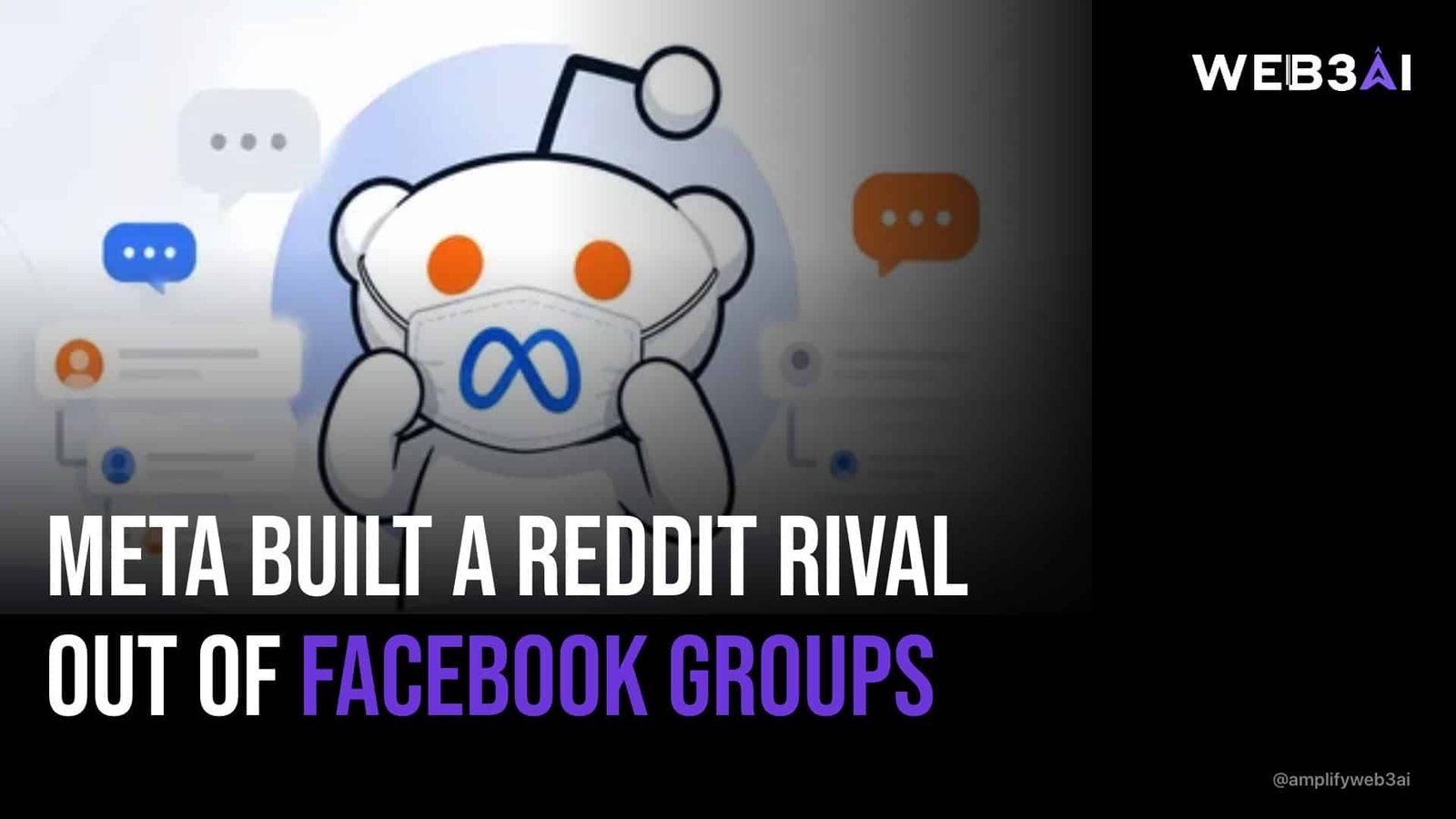

The Meta Facebook Groups community platform is no longer just a place to share family photos or follow local buy-and-sell pages — it has quietly evolved into a full-scale Reddit rival, and most people haven’t noticed yet. Meta has been methodically layering new features onto Facebook Groups: threaded topic feeds, community chats, admin monetization tools, and discovery algorithms that surface niche conversations to the right audiences. The result is a community infrastructure that rivals — and in some ways surpasses — what Reddit has spent 20 years building.
This shift is not accidental. As TechCrunch reported in their deep-dive on Meta’s community expansion, the company has been strategically investing in group-based interaction as a hedge against the declining engagement on traditional public feeds. People are migrating from broadcasting to belonging — and Meta is building the rails for that transition faster than any competitor.
In this post, we break down exactly what Meta has built, why it matters, how it stacks up against Reddit, and what creators and community managers should be paying attention to right now.
The changes to the Meta Facebook Groups community platform have been rolling out gradually — so gradually that many users haven’t realized how different Groups actually are today compared to even two years ago. The most significant addition is Community Chats, a real-time messaging layer built directly inside Groups. This allows members to have live conversations without leaving the Group environment, blurring the line between asynchronous forum-style discussion and synchronaneous community chat.
Meta has also introduced topic feeds within Groups — essentially sub-channels that let admins organize conversations by theme. A fitness group, for example, can have separate feeds for nutrition, training, gear reviews, and motivation. This mirrors Reddit’s subreddit-within-subreddit structure and gives larger communities a way to stay organized without fragmenting into dozens of separate groups.
Beyond structure, Meta has upgraded the discovery engine. Facebook’s algorithm now surfaces relevant Groups to users who have never searched for them, matching people to communities based on their interests and behavior across the platform. For community builders, this is enormous — organic discovery that previously required paid promotion is now baked into the system.
Pro Tip: If you manage a Facebook Group, optimize your group description with specific keywords your target audience would search for. Meta’s discovery algorithm reads group metadata, and a well-described group ranks higher in recommendations.
Reddit’s core strength has always been anonymity and topic-first structure. Users come for the content, not the person posting it — and that psychological distance has enabled incredibly candid, useful community conversations. Meta’s Groups historically struggled to replicate this because Facebook is identity-first: your real name, your real photo, your real network. That tension made deep community participation feel risky for many users.
But Meta has been chipping away at this gap. The introduction of community pseudonyms — where members can use a chosen name within a Group rather than their full Facebook profile name — addresses the anonymity concern directly. Combined with tighter privacy controls that allow admins to make Groups fully invisible to non-members, the platform is becoming safer for the kind of vulnerable, specific conversations that have always lived on Reddit.
Where Meta genuinely outperforms Reddit is in media richness. Facebook Groups support full video uploads, Reels clips, photo albums, live streams, and event creation natively. Reddit’s media support, while improved, still feels bolted on. For communities built around visual content — cooking, fitness, travel, art — this is a meaningful advantage. Meta’s infrastructure for multimedia community engagement is simply more mature.
For more on how AI is reshaping how brands and creators engage with social audiences, read our breakdown of how AI is transforming social media marketing — the same forces are accelerating Meta’s community growth.
One of the most consequential developments inside the Meta Facebook Groups community platform is the expansion of monetization options for group admins and creators. Meta has introduced paid subgroups — gated membership tiers that sit inside a free Group, allowing admins to charge for access to premium content, events, or conversations. This is a direct answer to Substack, Patreon, and Discord’s paid server model, all bundled inside the Facebook ecosystem.
Admins can now also charge for in-group events, sell digital products through the group shop, and enable fan subscriptions — recurring monthly payments from members who want to support the community. These tools turn a Facebook Group from a hobby project into a potential business, and Meta is leaning hard into this positioning to attract the creator economy players who have historically flocked to independent platforms.
Pro Tip: Before launching a paid subgroup, build at least 90 days of consistent free content to establish trust and demonstrate the value of your premium tier. Cold monetization rarely works — warm audiences convert.
It might seem counterintuitive to look at Meta — a centralized, ad-driven corporation — for lessons in community building. But the features Meta is shipping inside Facebook Groups solve real problems that Web3 community platforms are still struggling with: discovery, ease of onboarding, media richness, and monetization without technical friction. Meta has done the user experience work that decentralized alternatives have yet to match.
The Web3 community space — Discord servers, token-gated forums, on-chain governance DAOs — is powerful in theory but often inaccessible in practice. The average person is not going to connect a wallet and navigate gas fees to join a community. Meta’s approach of lowering every possible barrier to entry, while gradually adding depth for power users, is a UX philosophy that Web3 builders should study closely.
We explored the full landscape of next-generation online engagement in our post on Web3 community building and the future of online engagement — including how token incentives and on-chain identity could eventually complement platforms like Facebook Groups rather than replace them.
If you manage an online community — whether for a brand, a personal project, or a professional network — Meta’s moves demand your attention. The platform is actively competing for the time and energy of community managers who currently split their presence across Reddit, Discord, Slack, and Substack. By bundling discovery, engagement, and monetization into one environment, Meta is making a serious pitch: why manage five platforms when you can run everything from one?
The counterargument is platform dependency. Building your community on Meta means accepting Meta’s terms, Meta’s algorithm changes, and Meta’s decisions about what content gets surfaced and what gets suppressed. Any creator who lived through the organic reach collapse of 2014–2016 on Facebook Pages knows how painful platform dependency can be when the rules change overnight.
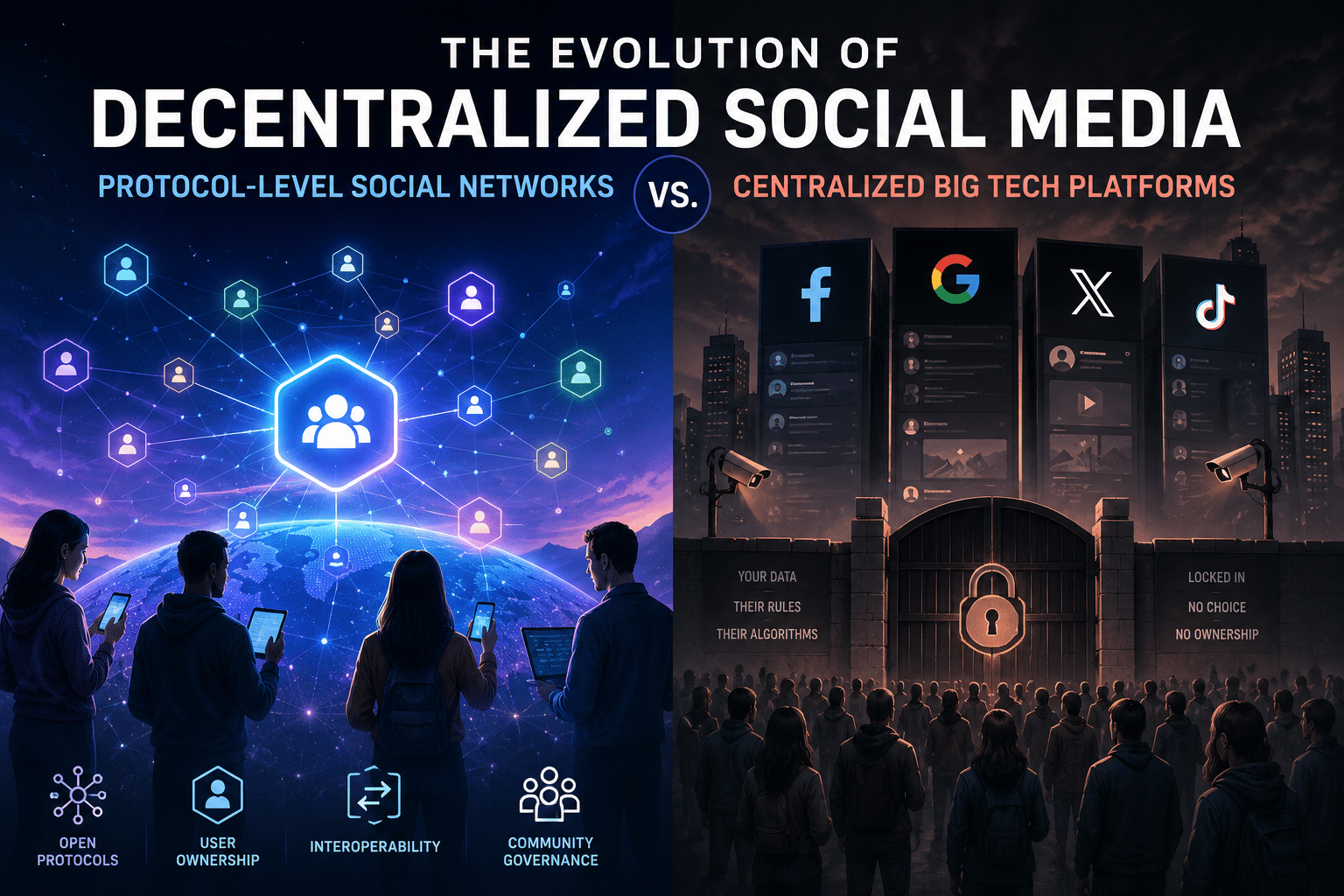
The smart approach in 2025 is a hybrid strategy: use Meta’s Groups for top-of-funnel discovery and day-to-day engagement, while building an owned-channel foundation through email lists, Web3-native tools, or decentralized platforms. We broke down the broader landscape of this shift in our analysis of the future of decentralized social media and why platform diversification matters more than ever.
The Meta Facebook Groups community platform differentiates itself through media richness, monetization tools, and algorithmic discovery — areas where Reddit has historically lagged. While Reddit’s strength lies in anonymity and topic-first culture, Meta Groups now offer real-time Community Chats, paid subgroups, live streaming, and identity flexibility through pseudonyms. The two platforms serve overlapping but distinct community needs.
Yes. Meta has rolled out several monetization features for group admins, including paid subgroups, fan subscriptions, in-group event ticketing, and the Community Stars virtual gift system. These tools allow community managers to generate recurring revenue directly through the platform without needing third-party services like Patreon or Gumroad.
Facebook Groups offer three visibility settings: Public, Closed, and Secret. Secret Groups are invisible to non-members and do not appear in search results. Meta has also introduced community pseudonyms, allowing members to use a chosen name within a Group rather than their full Facebook profile, addressing longstanding concerns about identity exposure in sensitive community discussions.
It depends on your audience. Facebook Groups offer superior discovery tools, broader demographic reach, and more mature media features. Discord excels at real-time engagement and appeals strongly to younger, tech-savvy audiences — particularly in gaming and Web3 communities. Many successful community managers run both simultaneously, using Facebook Groups for discovery and Discord for deep engagement.
Meta’s recommendation algorithm analyzes user behavior across Facebook and Instagram to surface relevant Groups to people who haven’t searched for them. This includes topic interests, past group memberships, pages followed, and content engagement patterns. For group admins, this means organic discovery is now more powerful than it has been in years — particularly for niche communities that would struggle to reach audiences through paid advertising alone.
The Meta Facebook Groups community platform is a more serious product than most people realize. By layering real-time chat, topic feeds, monetization tools, and AI-powered discovery onto the existing Groups infrastructure, Meta has built something that genuinely rivals Reddit for community engagement — and in several respects, surpasses it. Whether you’re a creator, a brand, or a community manager, this is a platform worth taking seriously again.
The most interesting long-term question isn’t whether Meta can beat Reddit. It’s whether a centralized platform — no matter how feature-rich — can ever offer what decentralized, user-owned communities promise: real ownership, real governance, and real stakes. That question is what drives everything we explore at amplifyweb3.ai, where we sit at the intersection of Web3, AI, and the future of online community.
Explore what we have built at attn.live.