Anouncement

Anouncement
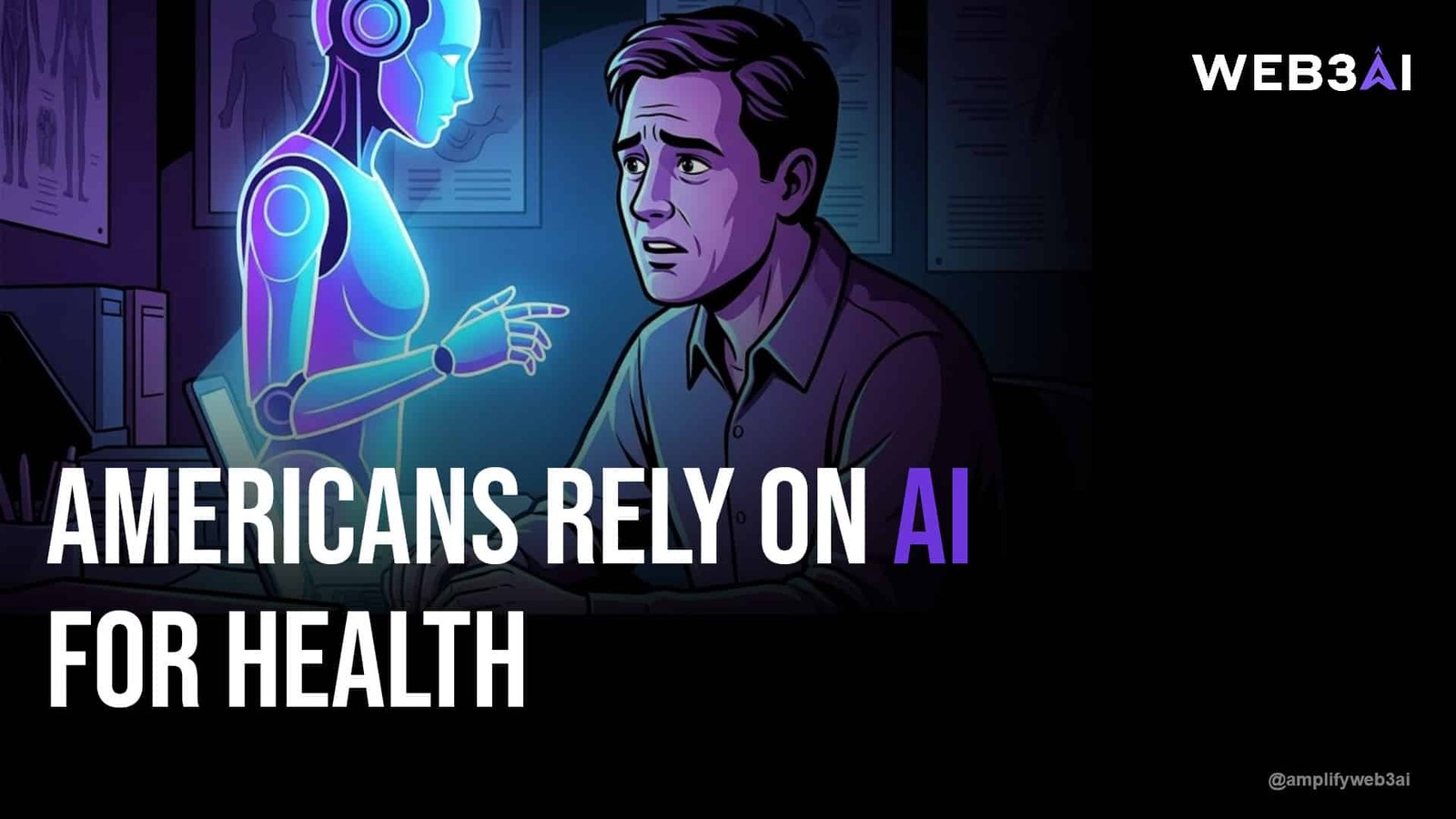

Using AI instead of a doctor is no longer a fringe behavior — it is quietly becoming a mainstream habit for millions of Americans who are skipping clinic visits and typing their symptoms into ChatGPT instead. It is easy to understand why. Healthcare in the United States is expensive, slow, and often frustrating to navigate. When a chatbot gives you an instant answer at midnight without a co-pay, the appeal is undeniable.
But convenience and accuracy are not the same thing. According to reporting from Futurism, researchers and physicians are raising serious alarms about the quality of medical guidance people are receiving from AI tools — guidance that sometimes misses dangerous diagnoses or confidently recommends the wrong course of action. The gap between what AI chatbots feel like they know and what they actually know can be life-threatening.
This post breaks down who is turning to AI for medical advice, why they are doing it, what the research actually shows about the safety of that choice, and what a smarter, more informed approach looks like going forward.
The numbers are striking. Surveys conducted in 2024 found that a significant and growing share of American adults have used an AI chatbot — most commonly ChatGPT — to assess symptoms, research diagnoses, or decide whether they need to see a physician. For many, this is not occasional curiosity. It is a first-line response to health concerns.
Cost is the most commonly cited driver. With tens of millions of Americans either uninsured or underinsured, a doctor’s visit can mean hundreds of dollars out of pocket before any treatment begins. AI asks for nothing. For people in this position, the choice between a free chatbot answer and a $300 urgent care visit is not really a choice at all — it is a matter of financial survival.
Access is the second major factor. In rural areas and medically underserved communities, the nearest physician may be an hour away, and appointment waitlists can stretch for weeks. AI fills that vacuum instantly. The question is whether what it fills it with is reliable.
Pro Tip: If cost or access is preventing you from seeing a doctor, federally qualified health centers (FQHCs) offer sliding-scale fees based on income. Search for one near you at findahealthcenter.hrsa.gov before turning to an AI chatbot for serious symptoms.
Multiple peer-reviewed studies and investigative reports published in 2024 and 2025 have tested how well AI chatbots perform when given real clinical scenarios. The results are mixed at best and alarming at worst. In several studies, AI tools provided advice that was incomplete, misleading, or flatly incorrect — including in cases involving symptoms of heart attack, stroke, and cancer.
One of the most consistent findings is that AI chatbots are prone to what researchers call “hallucination” — generating confident, fluent, well-structured responses that contain factually wrong information. In a medical context, that fluency is dangerous. A patient with no clinical training cannot easily distinguish a well-written wrong answer from a well-written right one.
AI also struggles with the non-linear nature of real diagnosis. A physician asks follow-up questions, observes your appearance, orders tests, and integrates years of pattern recognition built from real patient outcomes. A chatbot processes text tokens. These are fundamentally different cognitive processes, and the gap shows when stakes are high.
For a deeper look at how AI is being applied — both well and poorly — across the healthcare sector, explore this overview of how AI is transforming healthcare and what that transformation actually means for patients on the ground.
Beyond the research studies, real-world cases are beginning to surface. Patients have reported receiving AI recommendations that delayed treatment for serious conditions. In some documented instances, chatbots downplayed symptoms that a physician would have flagged as urgent. In others, they recommended over-the-counter remedies for conditions that required prescription intervention or emergency care.
The danger is compounded by trust. People who turn to AI for medical advice often do so because they already feel dismissed or overwhelmed by the traditional healthcare system. They are looking for validation and clarity. When a confident AI voice tells them their chest pain is probably just anxiety, they may feel relief — and delay seeking the care that could save their life.
There is also a subtler harm: the erosion of health literacy. When people outsource their medical reasoning to an algorithm, they lose the opportunity to build the self-knowledge and critical thinking that helps them navigate healthcare effectively over a lifetime. AI can answer your question, but it cannot teach you how to ask better ones.
Pro Tip: Use AI tools for general health education — understanding what a condition means, what questions to ask your doctor, or what a medication does. Never use them as a substitute for diagnosis or treatment decisions on serious symptoms.
Using AI instead of a doctor becomes particularly dangerous in high-stakes, time-sensitive medical situations. AI language models are trained on text — they have read millions of medical articles, forum posts, and clinical summaries. But reading about medicine and practicing medicine are not the same thing, and no amount of training data closes that gap entirely.
Diagnosis is probabilistic. A skilled physician weighs dozens of variables simultaneously — your age, your history, your presentation, your lab results, the way you describe pain, and patterns the doctor has seen a thousand times before. AI has access to some of that information when you type it out, but it cannot observe you, cannot order tests, and cannot take responsibility for being wrong.
The risks extend beyond individual patients. If millions of people are filtering their health decisions through AI tools that have no clinical accountability, the downstream effects on public health could be significant — delayed diagnoses, undertreated chronic conditions, and mismanaged medication are all on the table. For a broader look at how AI performs in high-pressure decision-making environments, read our analysis of the risks of AI in high-stakes decisions.
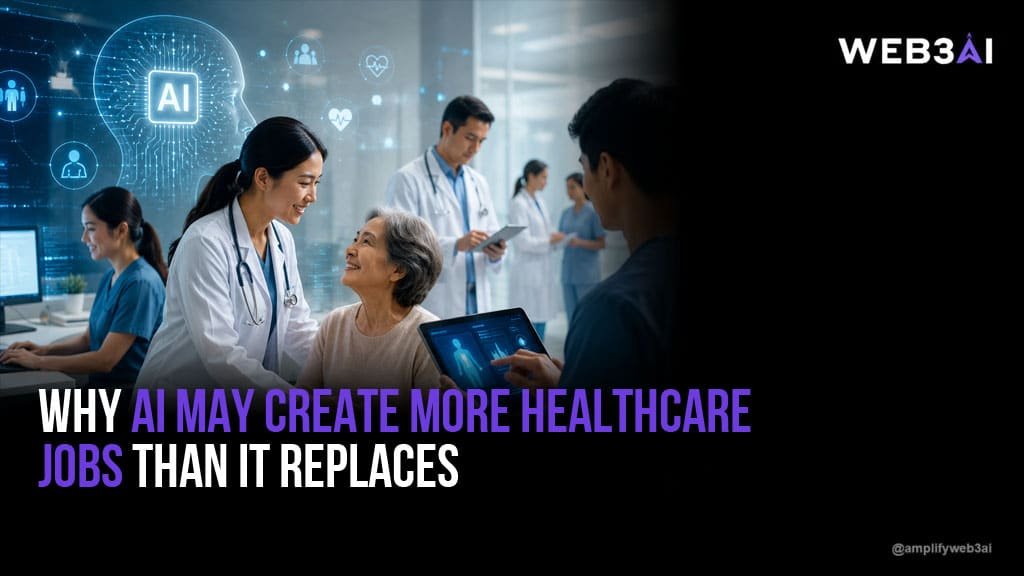
None of this means AI has no place in healthcare. In fact, when used appropriately, AI tools offer genuine value. The distinction lies in who is operating them and at what point in the care process they are applied.
Here is where AI genuinely helps in healthcare contexts:
The critical word throughout that list is support. AI in healthcare should amplify the capacity of trained professionals and informed patients — not substitute for the clinical judgment that protects lives.
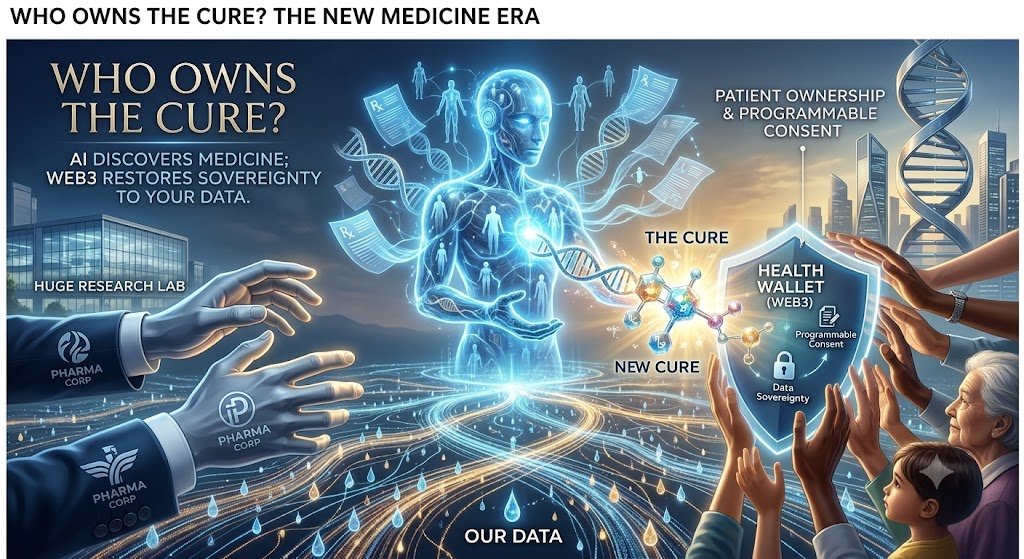
This principle connects to larger questions about data, privacy, and who controls health information in a digital-first world. Exploring Web3 and the future of personal data offers important context for understanding how decentralized technology could give patients more control over how their health data is used and shared.
The answer to millions of Americans turning to AI instead of a doctor is not to shame them for making that choice. It is to ask why the choice feels necessary in the first place — and to fix the underlying system that makes an untested chatbot feel more accessible than a trained physician.
Several changes would help:
Technology companies building AI health tools have a responsibility that goes beyond product performance metrics. When your product is mediating decisions about whether someone goes to the emergency room, the stakes of getting it wrong are not a support ticket — they are a life.
Using AI instead of a doctor can be appropriate for low-stakes, informational purposes — such as understanding a medical term, learning about a known condition, or preparing questions for an upcoming appointment. It becomes unsafe when used to diagnose new or serious symptoms, make treatment decisions, or decide whether an emergency situation requires urgent care. The line between “information” and “diagnosis” is easy to cross unintentionally.
ChatGPT by OpenAI is by far the most commonly used AI tool for medical queries, followed by Google Gemini and Microsoft Copilot. None of these tools are FDA-approved medical devices or licensed healthcare providers. Some purpose-built health AI tools like Babylon Health or K Health operate under different regulatory frameworks, but even these come with significant limitations and are not substitutes for in-person clinical care.
The primary drivers are cost, accessibility, and immediacy. The United States has significant gaps in healthcare affordability and geographic access to physicians, particularly in rural and low-income communities. AI provides an instant, free alternative that feels authoritative — even when it is not. Shame and anxiety about medical visits also play a role, with some people finding it easier to ask a chatbot about embarrassing symptoms than a human physician.
The most significant dangers include missed or delayed diagnoses, incorrect treatment recommendations, and AI-generated “hallucinations” that sound credible but are factually wrong. AI tools cannot perform physical examinations, order diagnostic tests, or account for your full medical history the way a physician can. In time-sensitive conditions like heart attack, stroke, or sepsis, acting on incorrect AI advice can be fatal.
AI works best as a support layer within healthcare, not a replacement for it. Responsible use includes using AI to understand a diagnosis you have already received, to prepare for doctor visits, to navigate insurance or administrative processes, or to access mental health resources between appointments. When AI is integrated into clinical workflows by trained professionals — not bypassing them — it can genuinely improve patient outcomes and reduce administrative burden.
Using AI instead of a doctor is a symptom of a broken system as much as it is a technology problem. Millions of Americans are not choosing chatbots because they prefer algorithms to physicians — they are choosing them because the alternative is out of reach. That reality demands honest conversations about healthcare access, not just AI safety.
At the same time, the technology industry cannot avoid its own accountability here. Building tools that millions of people are using for medical decisions — and shipping them without clinical validation, safety guardrails, or transparent limitations — is not a neutral act. The confidence of an AI answer does not equal the accuracy of one.
The path forward is not to ban AI from healthcare conversations, but to build better guardrails, expand real access to care, and help people understand what these tools genuinely can and cannot do. Technology should lower barriers to good health — not create new ones dressed up as solutions. Explore what we have built at attn.live.