Anouncement

Anouncement
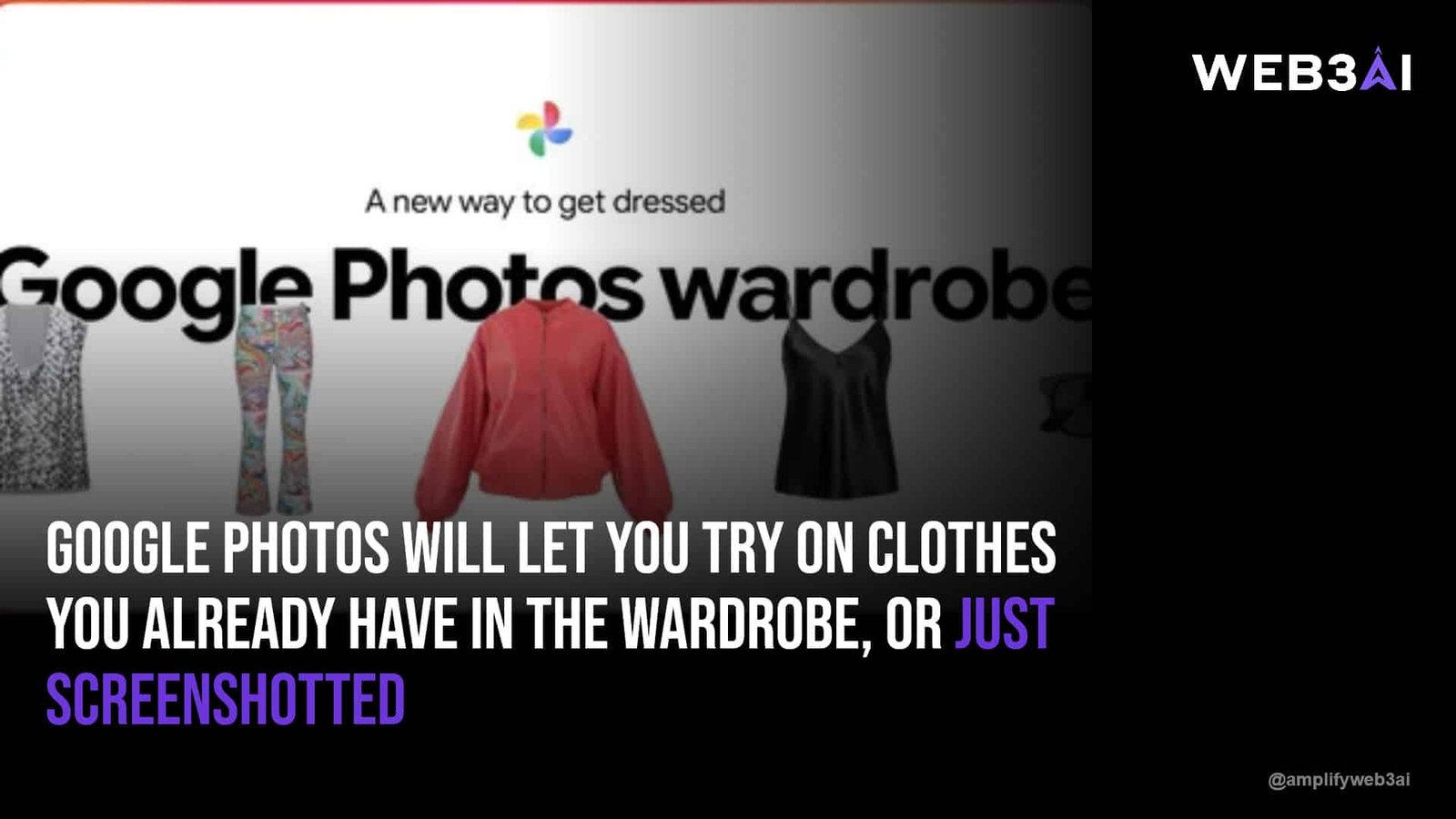

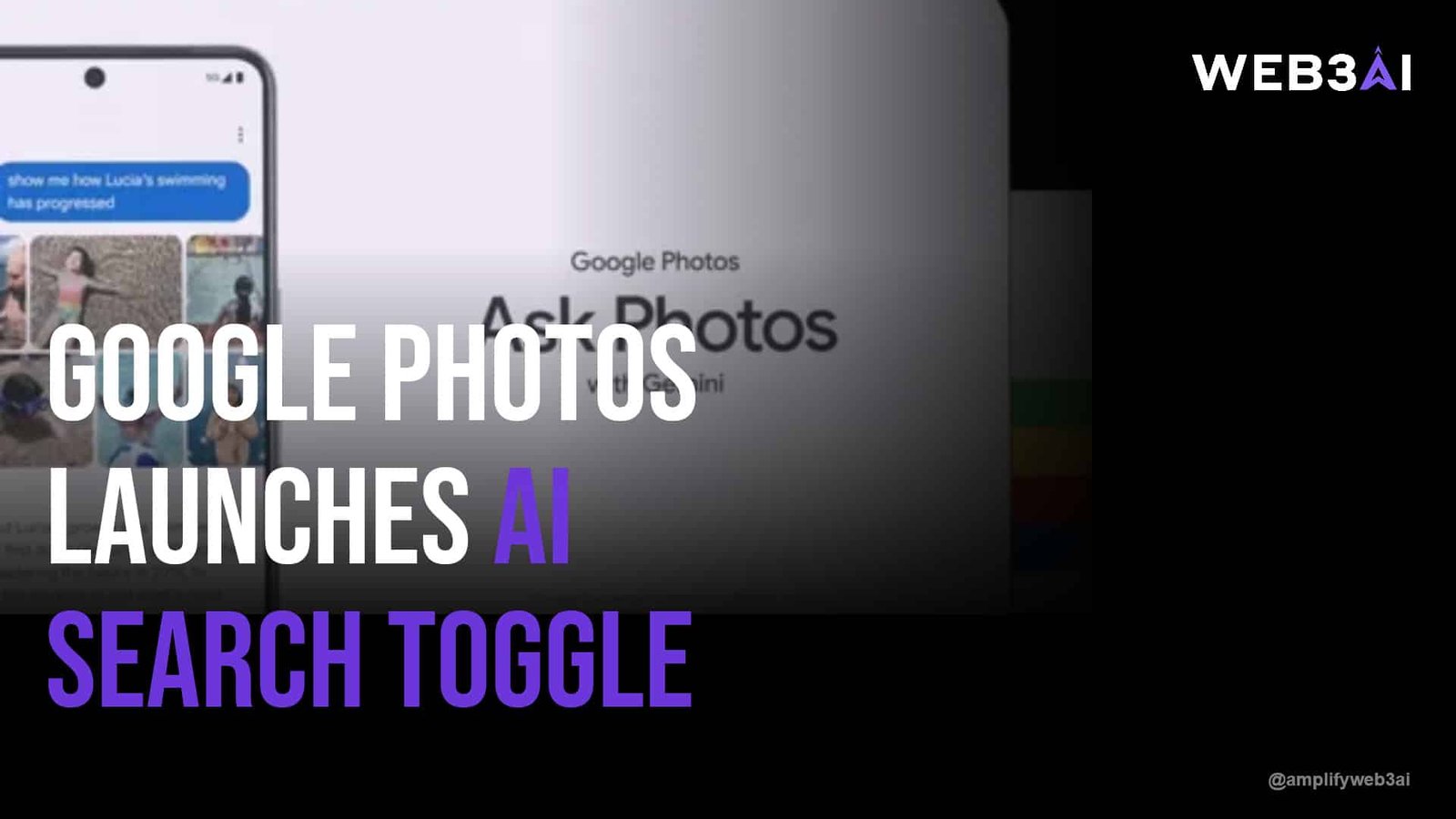
Google Photos AI virtual try-on is one of the most genuinely useful features to land on your phone in years — and it is finally becoming a reality. If you have ever screenshotted an outfit from Instagram, saved a photo from a brand’s website, or stared at something hanging in your wardrobe wondering whether it actually works together, this feature was built for exactly that moment. Google is rolling out a capability inside Google Photos that lets you superimpose clothing — either from your own closet or from saved screenshots — directly onto a photo of yourself.
The timing is not accidental. AI-driven shopping tools are quietly becoming the default layer between consumers and their purchasing decisions. According to TechCrunch’s 2025 coverage of Google’s evolving AI shopping ecosystem, the company has been steadily building a suite of tools that connect search, images, and commerce in ways that feel less like ads and more like assistance. Virtual try-on sits at the center of that shift. This post breaks down exactly how the new feature works, why it matters, and what it means for the future of AI-powered personal style.
At its core, the new Google Photos AI virtual try-on feature does something deceptively simple: it takes a photo of you and digitally dresses you in a garment of your choosing. You can pull that garment from a screenshot you took while browsing, from a product photo you saved, or even from a picture of something already hanging in your wardrobe. The AI maps the clothing onto your body shape, adjusting for posture, lighting, and proportion so the result looks realistic rather than like a bad Photoshop job.
This is not Google’s first attempt at virtual try-on. The company previously introduced a try-on tool within Google Search that allowed shoppers to see selected items on a range of model body types. But this new iteration inside Google Photos is different in one critical way: it uses your photo, not a stock model. That shift from “see it on someone else” to “see it on me” is where this feature becomes genuinely compelling. The gap between imagination and purchase decision just got a lot narrower.
The feature leverages Google’s diffusion-based AI imaging models, the same family of technology that powers its generative image tools. It reads garment texture, drape, and color, then renders that onto your specific body geometry. Early demos suggest the output is impressively realistic, especially for fitted items like tops and dresses.
Fashion has always been personal, but the tools available to help people make clothing decisions have historically been impersonal — size charts, flat product photos, and the occasional returns policy. AI is changing that dynamic in ways that go well beyond a novelty filter. For a deeper look at how this shift is playing out across the broader retail landscape, our piece on how AI is transforming the way we shop online covers the full picture, from recommendation engines to generative styling tools.
What makes Google’s approach interesting is that it is not trying to replace the physical act of trying something on — it is trying to replicate the mental act of imagining yourself in something. Research consistently shows that the biggest barrier to online clothing purchases is uncertainty: will this actually look good on me? Virtual try-on directly addresses that question. When a shopper can see a realistic rendering of an item on their own body, purchase confidence rises and return rates fall.
There is also a sustainability angle worth noting. The fashion industry’s return problem is enormous — billions of items are shipped back each year, many of which end up destroyed rather than reshelved. Tools that help people make better decisions before buying are not just convenient; they are genuinely better for the environment.
Most virtual try-on tools are built around driving new purchases. Google Photos AI virtual try-on takes a notably different — and refreshing — approach by also letting you try on clothes you already own. You can photograph items from your own closet and use the tool to visualize outfits before you put them on. For anyone who has stood in front of a wardrobe at 7am trying to mentally combine a new purchase with existing pieces, this is a genuinely practical upgrade.
The workflow appears straightforward. You take or select a photo of yourself, then select a garment — either from a screenshot or a wardrobe photo. The AI does the rest, rendering a composite image that shows the outfit on your body. You can swap pieces in and out, experimenting with combinations that you might never have physically tried together. It turns a static photo library into something closer to an interactive styling tool.
Pro Tip: For the most realistic results, photograph your wardrobe items flat on a clean background or on a hanger against a neutral wall. Better garment photos give the AI more accurate texture and color data to work with.
This wardrobe-first angle also positions Google Photos differently from pure commerce tools. It is as useful for someone who shops rarely as for someone who shops constantly — because the value is in helping you use what you already have, not just in helping you buy more.
Google Photos AI virtual try-on does not exist in isolation. It is one feature within a rapidly expanding ecosystem of AI tools that are quietly making everyday apps dramatically smarter. We explored this wave in detail in our article on the rise of AI in everyday consumer apps — from smart camera features to AI assistants embedded in tools you already use daily.
What is particularly notable about Google’s rollout strategy is how it embeds AI features into apps people already trust and use habitually. Google Photos already has over a billion users. By building try-on functionality into that existing app rather than launching a standalone product, Google sidesteps the adoption problem that kills most new apps. The feature shows up where users already are, in a context that already feels natural.
This distribution-first approach is something more AI companies are learning to prioritize. Building a brilliant feature inside a beloved app beats building a brilliant app from scratch — especially when the feature depends on personal data like photos that users have already stored in one place.
Any time a feature involves photos of your body and AI processing, privacy questions are entirely reasonable to ask. Google has stated that the virtual try-on processing occurs within its standard Photos infrastructure, subject to existing privacy settings and policies. Users who have opted into Google’s AI features will find this available; those who have restricted AI features may need to enable it separately.
The more nuanced privacy consideration is not about data storage but about behavioral data. When you try on clothing virtually, you are generating a new category of preference signal — what you considered, what you combined, what you rejected. That data, even in aggregate and anonymized form, is extraordinarily valuable to advertisers and retailers. Understanding what signals you are generating, and how they might influence what you are shown in Google Shopping or Search, is worth a few minutes of thought.
Pro Tip: Review your Google account’s “My Activity” settings before enabling new AI photo features. You can manage what data is saved, how long it is retained, and whether it informs personalized ads — all from myaccount.google.com.
Zoom out a little and the Google Photos AI virtual try-on feature points toward something bigger: the slow emergence of a personalized AI layer that understands your body, your taste, and your existing possessions. This is the early infrastructure for what some researchers are calling the “digital twin wardrobe” — a virtual representation of your physical style life that an AI can reason about on your behalf.
The implications connect naturally to conversations happening at the intersection of AI and digital identity. As we covered in our piece on Web3, AI, and the future of digital identity, the question of who owns and controls your personal data — including your body image and style preferences — becomes increasingly important as AI tools become more embedded in daily life.
Google Photos AI virtual try-on is a feature that lets you digitally place clothing onto a photo of yourself. It uses Google’s diffusion-based AI models to realistically render garment texture, drape, and color onto your specific body shape. You can use clothes from screenshots, saved product images, or photos of items you already own.
Google announced the feature in 2025 and began rolling it out to users progressively. Availability may depend on your region, your Google account settings, and whether you have AI features enabled inside Google Photos. Check your app’s Explore or Tools section to see if it has appeared for your account.
Yes — this is one of the feature’s most distinctive capabilities. Unlike most virtual try-on tools that focus solely on new purchases, Google Photos lets you photograph items you already own and see how they look combined in new ways on your body. It turns your photo library into a personal styling tool.
Most existing virtual try-on tools show clothing on stock models or on a generic avatar. Google Photos AI virtual try-on uses an actual photo of you, which produces a far more personally relevant result. It also integrates directly into an app most Android and iOS users already have, removing any friction around downloading something new.
Your photos are processed within Google’s existing Photos infrastructure under standard privacy policies. The more nuanced consideration is that the style choices you make — what you try on, combine, and discard — may generate preference data that influences your Google Shopping and Search results. You can manage this in your Google Account’s My Activity settings.
Google Photos AI virtual try-on is more than a fun photo trick. It represents a meaningful step toward AI that genuinely helps people make better decisions about things they care about — in this case, what they wear and how they spend their money on clothing. By combining your personal photos, your existing wardrobe, and powerful generative AI, Google has created something that is simultaneously practical today and a clear signpost toward where consumer AI is heading. The feature addresses a real problem — the uncertainty of online clothes shopping — in a way that feels natural rather than forced, and it does so inside an app people already trust.
As AI continues to weave itself into the tools we use daily, understanding what these features do, how they handle your data, and what they signal about the future of personalization becomes increasingly valuable. Whether you are a fashion enthusiast, a cautious online shopper, or simply curious about where AI is taking consumer technology, this is a feature worth paying close attention to. Explore what we have built at attn.live.