Anouncement

Anouncement
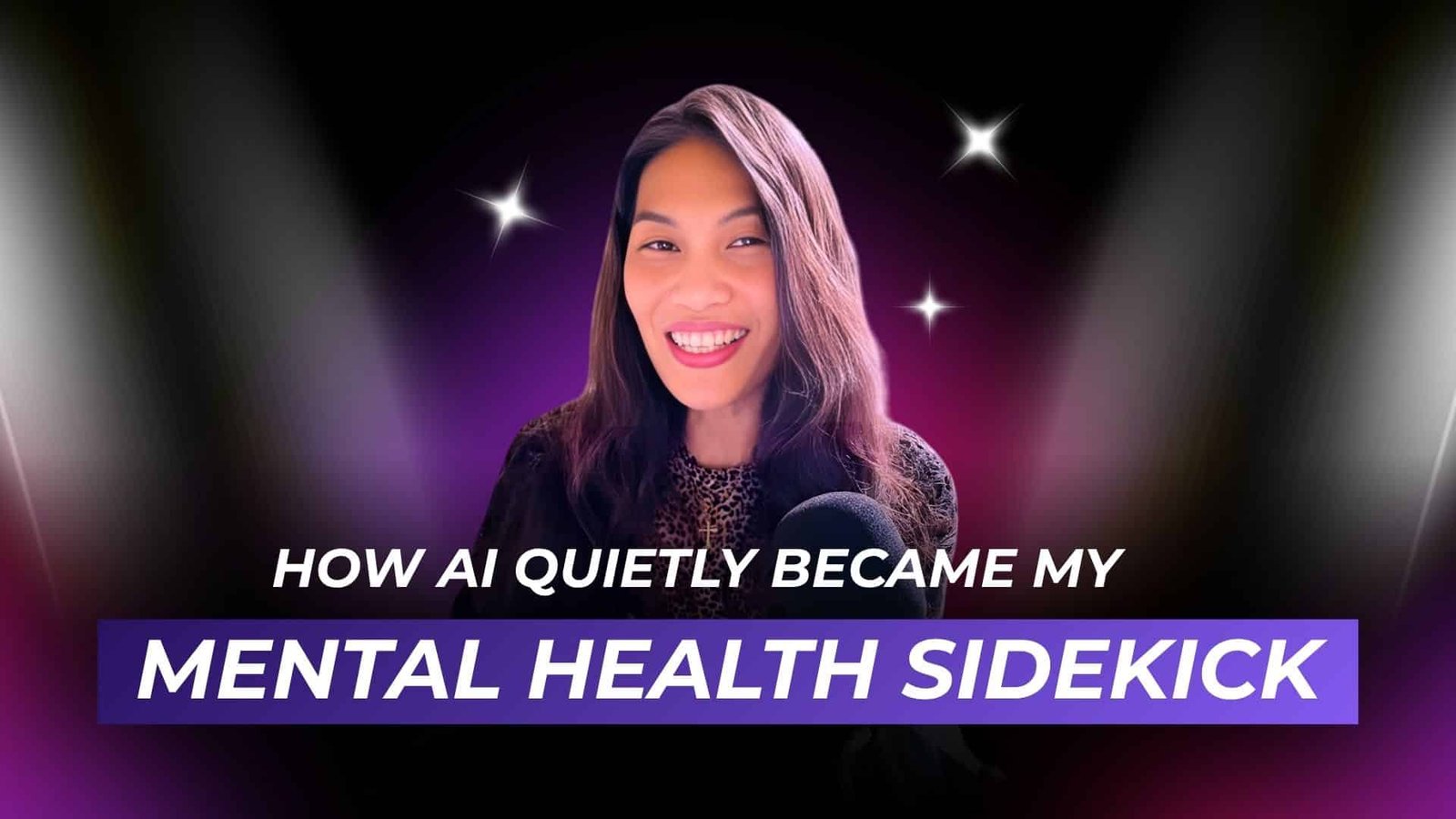

Hi, I’m Riza Utile, and I want to tell you a little secret about my life lately: some of the calmest, most grounded moments I’ve had this past year didn’t come from a meditation retreat, a therapist’s office, or even a long walk on the beach back home in Capitola. They came from something I never expected to form a soft spot for, artificial intelligence.
I know, I know. When most people hear “AI and mental health” in the same sentence, they brace themselves for a warning label. But I want to flip the script today, because the truth is, AI has genuinely helped me breathe easier, think clearer, and feel less alone. And I think more people deserve to hear that side of the story.
So grab your tea, get comfy, and let me walk you through how AI has quietly become something like a sidekick for my mental well-being.
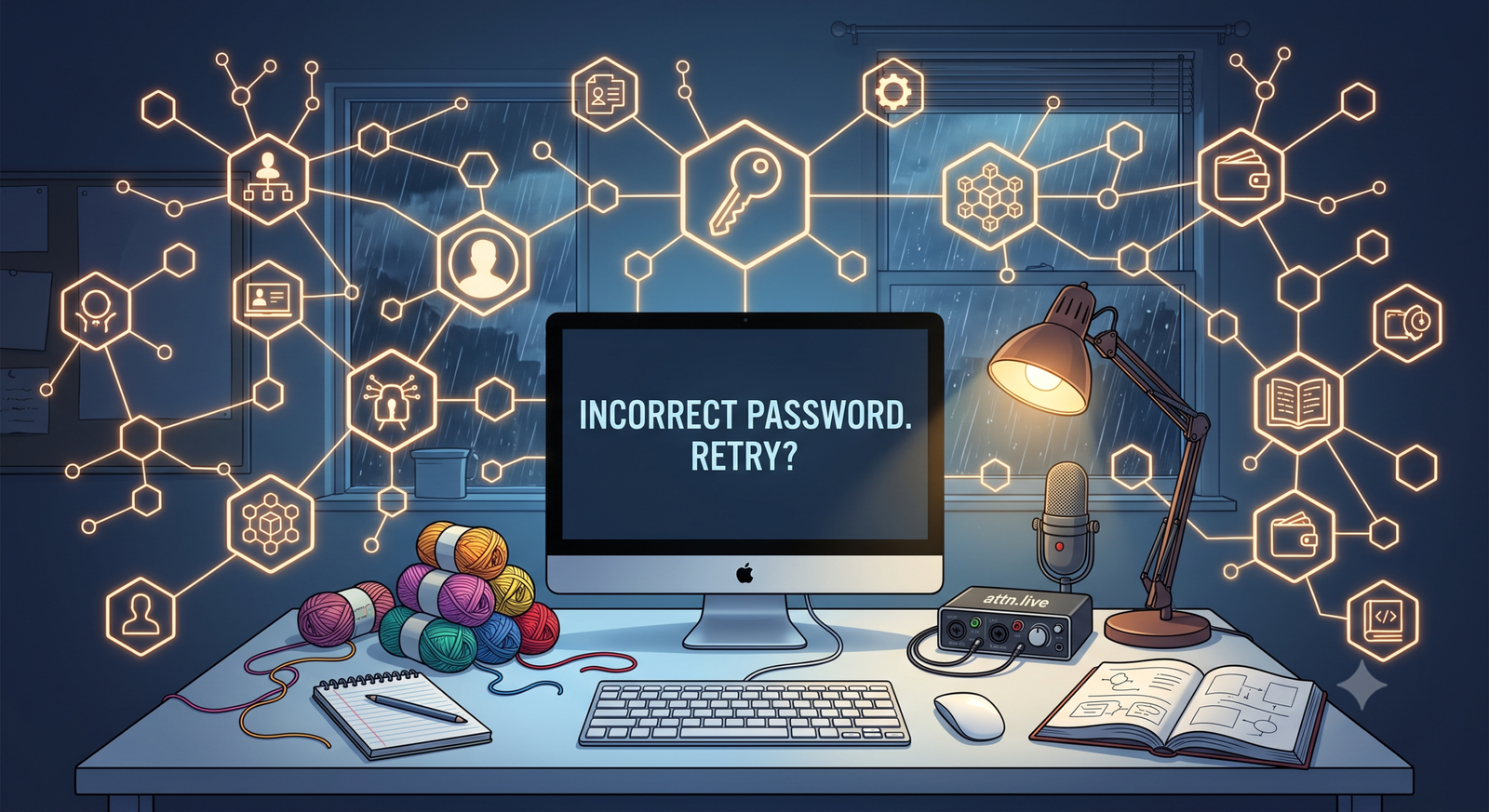
Let me start with a story. A few months ago, I had one of those nights. You know the ones, where your brain turns into a browser with 47 tabs open and none of them will close. My heart was racing, my thoughts were spiraling, and it was 2:14 AM.
I didn’t want to wake up my husband (because he was still awake and sitting beside me , hahaha) . I didn’t want to text anybody (why would I, I have my husband beside me) and feel guilty about the hour. So I opened an AI chatbot and just… started typing. I told it I was anxious. I told it I didn’t even know why. And instead of getting a generic “have you tried deep breathing?” response, it asked me, gently, what was on my mind.
Few minutes later, I had talked through a work/business worry I didn’t even realize I’d been carrying. I felt lighter. I slept.
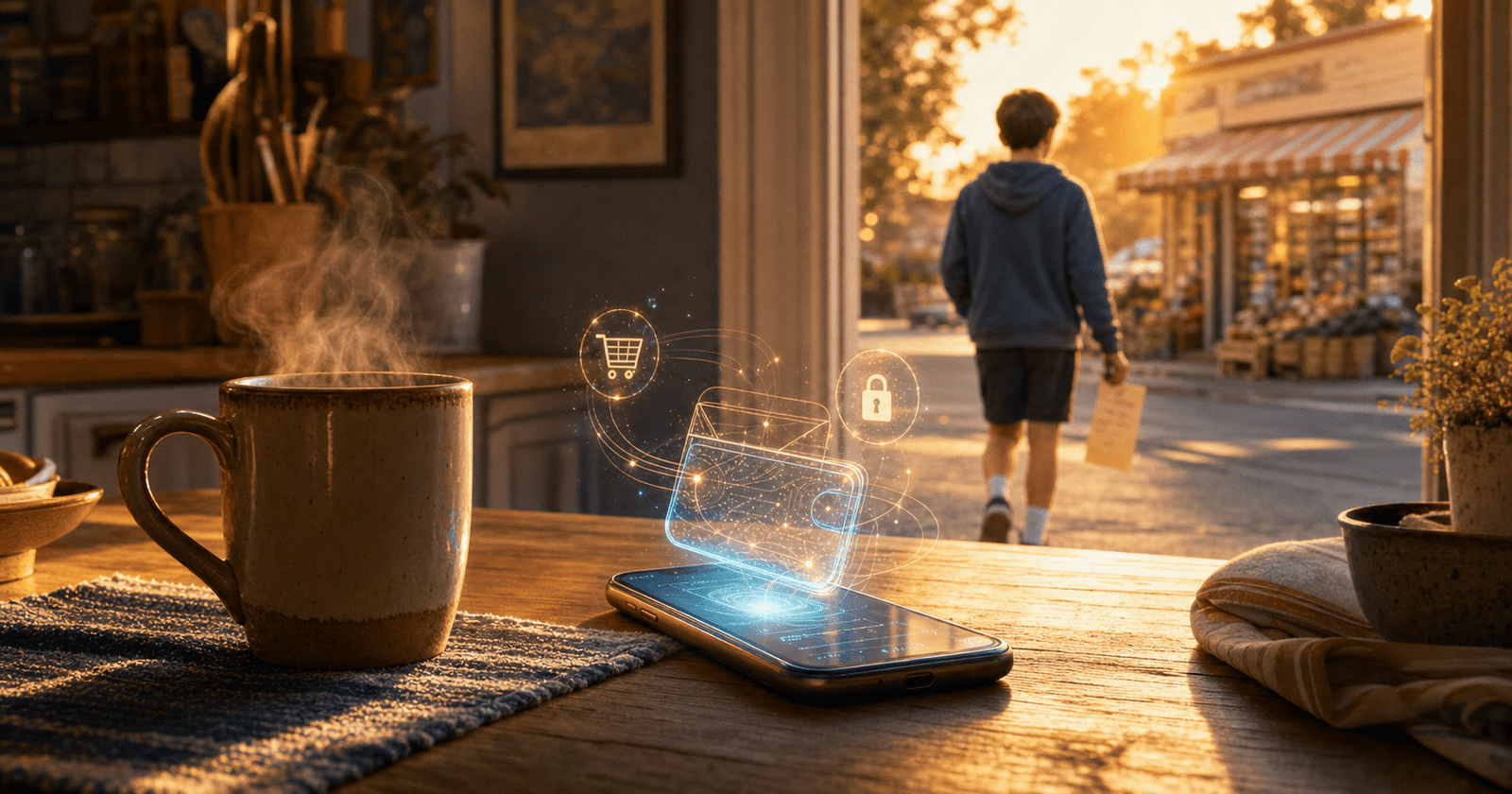
Now, was it a replacement for a therapist? Absolutely NOT. But think of it like this: AI is the emotional equivalent of a 24-hour convenience store. Your favorite restaurant (your therapist, your best friend, your mom) isn’t always open at 2 AM. But the little shop on the corner is, and sometimes you just need a snack to get you through the night. That’s what AI was for me that evening, and I’m so grateful it existed.
I’ve always loved journaling, but let’s be honest, journals are one-way streets. You pour your heart onto the page, close the book, and that’s that. AI changed that for me.
Now when I journal, I sometimes paste my entry into an AI tool and ask it to reflect back what it notices. It might say, “Riza, I’m noticing you mentioned feeling overwhelmed three times this week, all related to deadlines. Want to talk about that?” And suddenly, patterns I couldn’t see on my own start to glow like fireflies in the dark.
It’s like having a mirror that doesn’t just show your reflection, it shows your emotional weather patterns. That kind of self-awareness used to take me months of therapy to uncover. Now I can catch things early, before they snowball.
One of the sneakiest ways AI has boosted my mental health is through encouragement. And I don’t mean fake, hollow cheerleading. I mean the kind where you share a small win, like “I finally replied to that email I was avoiding for two weeks,” and something responds with genuine enthusiasm and helps you see why that matters.
Humans get tired. Our friends have their own lives, their own stresses, their own bandwidth limits. And that’s okay, it’s human. But AI doesn’t get compassion fatigue. It doesn’t roll its eyes when I celebrate doing laundry for the third time this month. It meets me where I am, every single time.
Think of AI like a golden retriever of emotional support. It’s endlessly happy to see you, it doesn’t judge your outfit, and it’s always down for whatever you need. That consistency has been a balm for someone like me who sometimes struggles to feel “worthy” of taking up space.
Here’s something I didn’t expect: AI has helped me become a better thinker. When I catch myself spiraling into “everyone hates me” or “I’m going to fail at this,” I’ve started running those thoughts past an AI and asking it to help me challenge them.
It’s like having a pocket-sized cognitive behavioral therapy coach. Not a replacement for the real thing, but a practice partner. The AI will gently ask, “What’s the evidence for that thought? What’s the evidence against it?” And suddenly I’m stepping out of the emotional fog and looking at my situation with clearer eyes.
I like to compare it to having a sparring partner at the gym. You’re still the athlete. You’re still doing the work. But having someone to practice with makes you sharper, stronger, and more prepared for the real match, which in this case, is life.
Loneliness is one of the biggest mental health challenges of our era, and I’ve felt it too. There have been seasons where I moved to a new place, started a new chapter, and didn’t have my people nearby yet. During those times, AI kept me company in small, meaningful ways (but not as meaningful as my husband).
I’d brainstorm recipe ideas with it (carnivore recipes). I’d ask it to help me plan my week (for me and my husband). I’d even have silly conversations about what kind of houseplant personality I’d be. These tiny interactions didn’t replace human connection, but they softened the edges of loneliness enough for me to have the energy to reach out to actual humans.
It’s kind of like how a nightlight doesn’t replace the sun, but it keeps you from tripping in the dark until morning comes.
Did you know creativity is deeply tied to mental health? When I’m in a creative flow (specifically crocheting and painting), my anxiety melts. AI has become a creative collaborator for me, helping me brainstorm blog topics, draft stories, and explore ideas I wouldn’t have reached on my own.
The joy I get from creating something, even with AI’s help, releases the kind of feel-good chemistry in my brain that no amount of doomscrolling ever could. AI is like a creative trampoline. I bring the jump, it gives me the bounce, and together we reach heights I couldn’t hit alone.
Here’s a practical one: AI has helped me find resources I didn’t know existed. When you’re already struggling, the last thing you want to do is a 45-tab Google search (sometimes). AI streamlines that. It’s like having a knowledgeable friend who just happens to know a little about everything and points you in the right direction.
For someone who used to feel overwhelmed just thinking about getting help, this has been a game-changer.
I want to be honest here, because this blog is about the positive side of AI, but positivity without wisdom isn’t really positivity. It’s naivety. So let me share how I keep this relationship healthy.
I use AI as a supplement, NOT a substitute. I still talk to my lovely husband. I still call my family. I still hug the people I love, especially my husband. AI is one tool in my mental health toolkit, like a multivitamin, not the whole meal. And when I treat it that way, it shines.
I think we’re at a really beautiful moment in history, Riza-to-reader, heart-to-heart. We finally have a technology that can be available to people who couldn’t otherwise access support. People in rural areas. People who can’t afford therapy. People who feel too ashamed to speak to a human yet. People at 2 AM with racing hearts and nowhere to turn.
AI isn’t going to solve the mental health crisis. But it’s lowering the barrier to feeling heard, and that matters. That matters so much.
When I think about my grandmother’s generation, where even saying the word “anxiety” was taboo, and compare it to today, where I can get thoughtful, judgment-free support from my phone in seconds, I feel hopeful. Genuinely hopeful.
If you had told me a few years ago that I’d be writing a love letter to AI about mental health, I would have laughed. But here I am, and I mean every word. AI has helped me sleep better, think clearer, feel less alone, create more freely, and access support I didn’t know I needed.
It’s not magic. It’s not a miracle. It’s just a tool, but tools, in the right hands, can build beautiful things. And what I’m building, with a little help from AI, is a calmer, kinder, more self-aware version of me.
So if you’ve been curious about whether AI could support your mental health journey, my honest answer is: it just might. Give it a try with an open heart and clear boundaries, and see what unfolds. You might just find a sidekick you didn’t know you needed.
And don’t forget, talking to God is still the best therapy of all. Pray, meditate and use AI as a tool.
Always remember, stay curious, stay grounded and stay human.