Anouncement

Anouncement
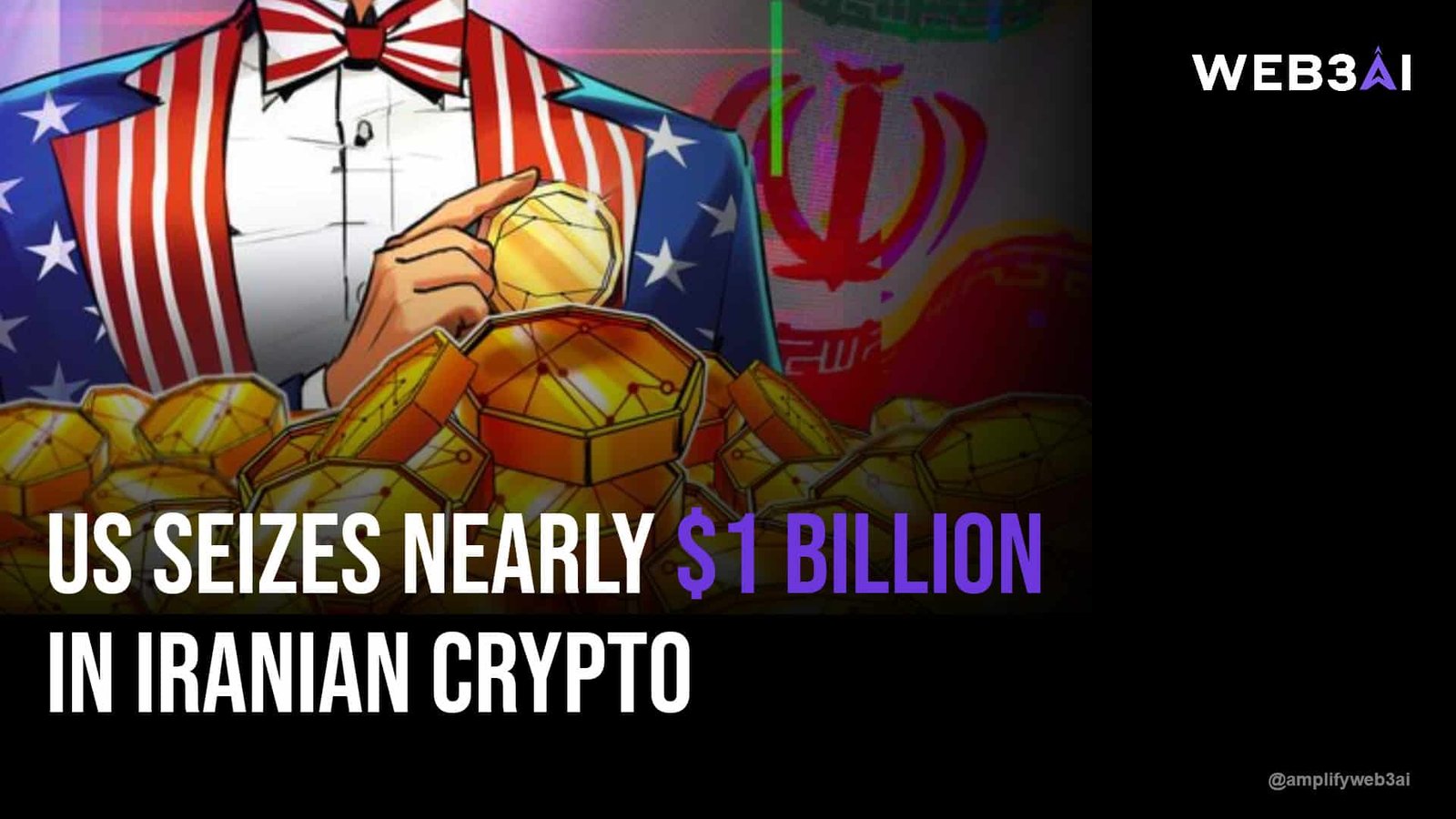

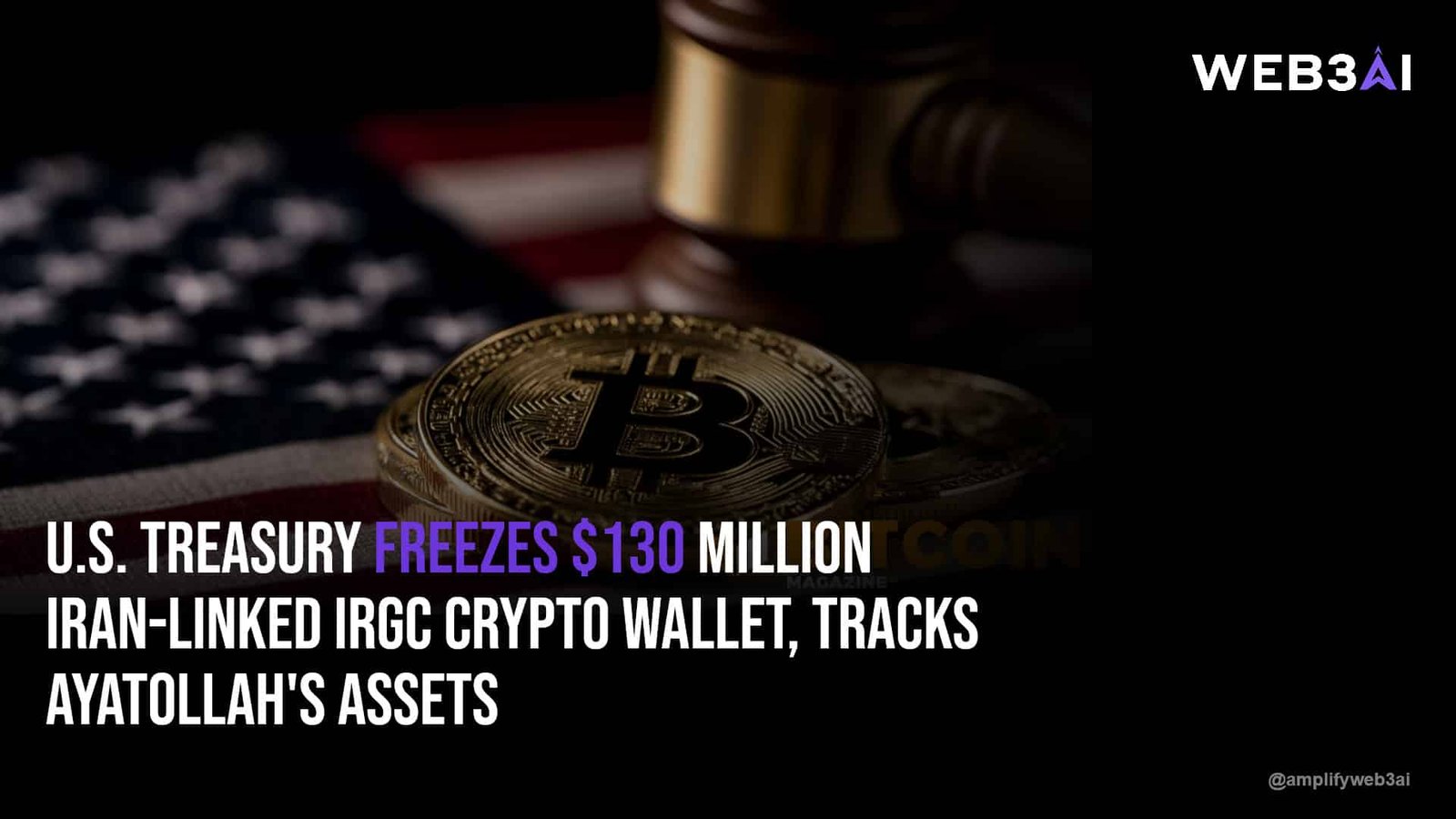
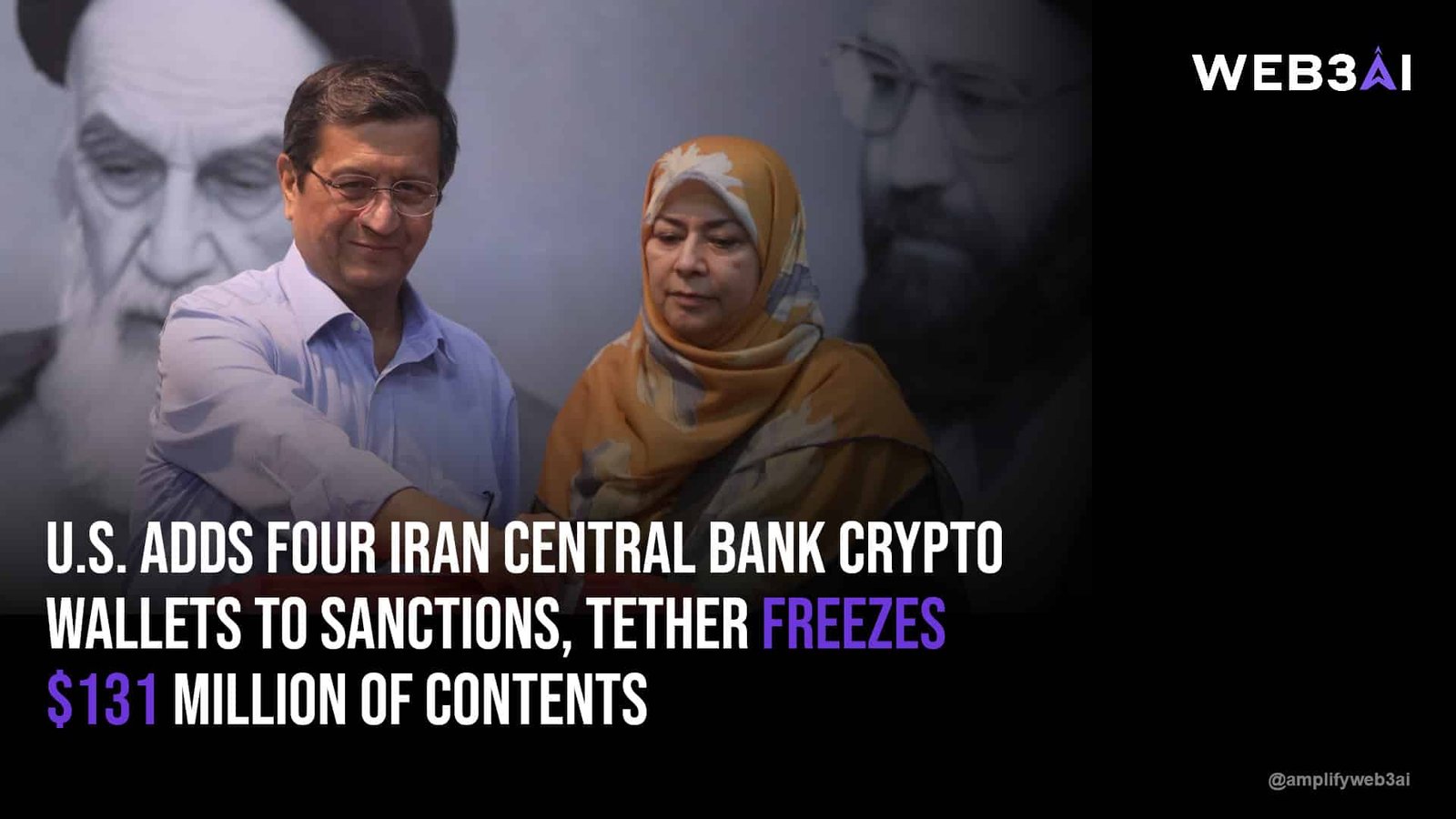
When we say the US seized Iranian crypto assets worth nearly $1 billion, it is easy to let the number wash over you like any other headline. But pause for a moment, because this is not a routine law enforcement action — it is a landmark signal that crypto is now fully inside the arena of global geopolitics. US Treasury Secretary Scott Bessent confirmed the seizure in mid-2025, describing it as one of the largest crypto enforcement actions in American history.
The move came as part of a broader US pressure campaign targeting Iran’s ability to fund its government and allied militias through alternative financial channels. As Reuters reported in January 2025, the US Treasury had already been sanctioning Iranian networks involved in financing Houthi operations through oil sales — and cryptocurrency was identified as a key conduit. The seizure of nearly $1 billion in digital assets is the most dramatic escalation of that effort yet.
In this post, we break down exactly what happened, why it matters for crypto markets and policy, and what it signals about the future of digital asset enforcement on the world stage.
According to Treasury Secretary Bessent, the US government seized approximately $1 billion in cryptocurrency linked to the Iranian government. The assets were reportedly held across multiple wallets and structured to obscure their origin — a classic hallmark of state-sponsored crypto operations designed to evade sanctions. The announcement was made publicly, signaling Washington’s intent to use the disclosure itself as a deterrent.
Iran has long been under US and international sanctions that restrict its access to the traditional banking system. In response, Iranian state actors and affiliated groups have increasingly turned to cryptocurrency as a workaround — using stablecoins, Bitcoin, and other assets to move value across borders without touching the SWIFT network. This $1 billion seizure represents the US government’s most direct answer to that strategy.
What makes this case particularly significant is scale. Previous crypto seizures linked to Iran-adjacent activity were typically in the tens of millions. Crossing the $1 billion threshold puts this in the same category as the landmark Bitfinex hack recovery — and it demonstrates that US blockchain forensic capabilities have matured dramatically.
Pro Tip: Cryptocurrency transactions are pseudonymous, not anonymous. Every wallet address and transaction is recorded permanently on a public ledger — making blockchain forensics one of the most powerful tools in modern financial law enforcement.
Blockchain analytics is the quiet engine behind seizures like this one. Agencies including the Department of Justice, the IRS Criminal Investigation division, and Homeland Security Investigations work alongside specialized blockchain forensics firms to trace the flow of funds across wallets, exchanges, and bridges. The process involves clustering wallet addresses, identifying exchange touchpoints, and following conversion trails through stablecoins.
For a deeper look at how governments have built out these capabilities, read our breakdown of how blockchain analytics is reshaping crypto crime enforcement — the techniques discussed there apply directly to a case of this scale.
Once investigators identify wallets holding seized assets, they work through legal channels — including court orders and cooperation with centralized exchanges — to freeze and eventually transfer custody of the funds. In decentralized contexts, this can involve seizing private keys. The sophistication required for a $1 billion operation suggests months or years of investigative groundwork.
This is not simply a law enforcement story — it is a foreign policy statement delivered in blockchain form. Iran has been using crypto to circumvent sanctions regimes that the US and its allies have spent decades constructing. By seizing nearly $1 billion in a single action, Washington is sending a message: no financial rail, including decentralized ones, is beyond the reach of US enforcement.
The timing is also notable. The seizure comes amid heightened tensions in the Middle East, ongoing negotiations around Iran’s nuclear program, and a broader US effort to cut off funding channels for groups like Hamas and the Houthis — both of which have been linked to Iranian financial support. Crypto has appeared in the financing chains of all three actors, making this seizure part of a coherent strategic picture rather than an isolated event.
For the crypto industry, the implications are significant. Projects and exchanges that have been slow to implement robust Know Your Customer (KYC) and Anti-Money Laundering (AML) controls are watching this case closely. The message from Washington is unmistakable — compliance is not optional, and the enforcement infrastructure to back that up is now fully operational.
Pro Tip: If you are building or investing in a crypto project with any exposure to international users, now is the moment to audit your compliance stack. Regulators are no longer just watching — they are acting at scale.
Actions of this magnitude do not happen in a regulatory vacuum. The US seized Iranian crypto assets using a legal and technical framework that has been quietly assembling for years — and the success of this operation will almost certainly accelerate further regulatory development. Congress, the Treasury, and the SEC all have crypto-related legislation or rulemaking in various stages, and a high-profile win like this adds momentum.
Understanding the regulatory landscape is essential for anyone building or holding digital assets right now. Our guide to crypto regulation and why it matters is a solid foundation for understanding how we got here and where enforcement trends are heading.
One likely outcome is increased pressure on decentralized exchanges and privacy-preserving protocols. If state actors are using tools like Tornado Cash or cross-chain bridges to obscure fund flows, expect regulators to target those infrastructure layers next. The Tornado Cash sanctions already foreshadowed this direction — the Iranian crypto seizure reinforces it.
To fully understand the context of this seizure, it helps to zoom out and look at the broader pattern of nation-state crypto activity. Iran is not alone in using digital assets to sidestep traditional financial controls — North Korea’s Lazarus Group remains the most prolific crypto thief in history, and Russia-linked actors have used crypto to fund operations following Western sanctions after 2022.
If you are building in the Web3 space, the instinct might be to see government enforcement actions as threatening. But the more nuanced read is that regulated, compliant crypto infrastructure is actually strengthened by actions like this. They demonstrate that bad actors can be identified and stopped — which is exactly the argument that crypto needs to make to skeptical institutional investors and legislators.
The broader trajectory of Web3 — toward decentralized finance, tokenized assets, and programmable money — depends on public trust. Explore how the rise of Web3 is reshaping the future of finance and why the compliance layer is becoming as important as the protocol layer for anyone serious about building durable projects.
For investors, the seizure is a useful reminder that wallet hygiene, exchange selection, and jurisdictional awareness are not abstract concerns. Choosing platforms with robust AML programs is not just an ethical choice — it is increasingly a legal and financial necessity.
The US government used a combination of blockchain analytics, intelligence gathering, and coordination with centralized exchanges to trace and freeze the wallets. Agencies like the DOJ, IRS-CI, and Homeland Security Investigations have built sophisticated forensic capabilities over years of crypto enforcement actions. Once the wallets were identified and tied to Iranian government actors, court orders enabled the actual transfer of custody to the US government.
While the Treasury Secretary did not specify exact asset breakdowns publicly, state-linked crypto operations typically involve Bitcoin for store-of-value purposes and stablecoins like USDT for liquidity and dollar-equivalent transfers. Blockchain analytics researchers have consistently flagged USDT as a preferred instrument for sanctioned actors due to its stability and widespread availability on peer-to-peer markets.
Once wallets are seized and private keys are transferred to US custody, those specific assets cannot be recovered by Iran. However, the Iranian government has ongoing crypto mining operations and other channels that generate new digital asset revenue. The seizure is a significant financial blow but is unlikely to permanently end Iran’s use of crypto — it will likely accelerate efforts to use more obfuscated methods instead.
For most legitimate users and businesses, the direct impact is minimal. The enforcement action targeted state-sponsored actors, not ordinary crypto participants. The indirect effect is likely further regulatory pressure on exchanges and DeFi protocols to strengthen KYC and AML compliance — which may increase friction for some users but ultimately creates a healthier operating environment for the industry.
This case signals that government crypto enforcement has reached a new level of scale and capability. The successful seizure of nearly $1 billion will encourage further investment in blockchain forensics at the federal level and will likely accelerate legislation targeting privacy protocols and non-compliant exchanges. For the Web3 industry, the message is clear: the era of enforcement being primarily symbolic is over.
In terms of state-linked seizures, yes — this is the largest on record involving a foreign government’s crypto holdings. The largest overall US crypto seizure remains the 2022 Bitfinex hack recovery at $3.6 billion. However, a $1 billion seizure tied directly to a foreign government’s treasury marks an unprecedented escalation in scope and geopolitical significance.
The fact that the US seized Iranian crypto assets worth nearly $1 billion is not just a news story — it is a defining moment for how governments, regulators, and the crypto industry will relate to each other in the years ahead. It proves that blockchain forensics works at scale, that sanctions enforcement has followed money into the digital asset world, and that nation-state actors cannot treat crypto as a consequence-free alternative to the banking system.
For those of us building, investing, and participating in Web3, this is also a clarifying moment. Decentralization does not mean invisibility. The public ledger cuts both ways — it gives individuals financial sovereignty and gives investigators an immutable audit trail. The projects and platforms that lean into compliance, transparency, and user protection are the ones positioned to thrive as this new enforcement era unfolds.
The future of crypto is not in the shadows — it is in building infrastructure that is both powerful and trustworthy. Explore what we have built at attn.live.