Anouncement

Anouncement
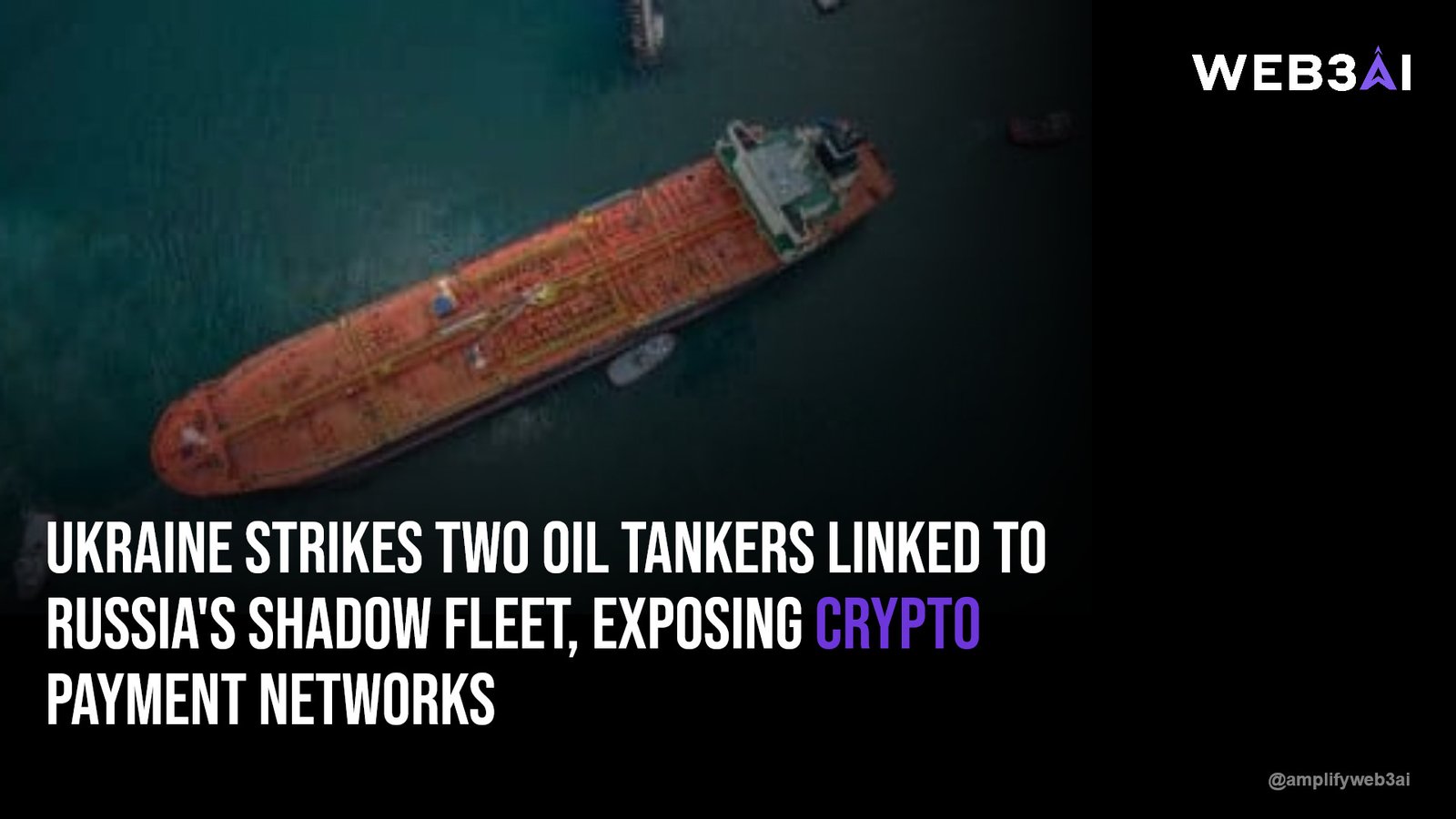

Russia crypto sanctions evasion has moved from a niche compliance concern to a front-page geopolitical story. When Ukraine struck several vessels tied to Russia’s so-called “shadow fleet” of oil tankers, the headlines focused on military strategy. But underneath the explosions and satellite imagery is a quieter, more persistent problem: how Russia keeps money flowing despite years of sanctions.
According to a recent Reuters investigation, these tankers often operate through opaque ownership structures, flag-of-convenience registrations, and payment channels that are difficult for regulators to trace. Crypto has increasingly become part of that picture, offering a faster and less transparent way to settle payments outside the traditional banking system. If you’ve ever wondered how sanctioned regimes keep trading despite global restrictions, this is exactly the kind of gap they exploit.
We’re going to unpack what’s actually happening, why crypto keeps showing up in these stories, and what it means for anyone building or investing in Web3 today.
Think of the shadow fleet as a loose network of aging tankers that quietly move Russian oil to buyers willing to look past sanctions. These ships often switch flags, disable tracking transponders, and transfer cargo ship-to-ship in open water to avoid detection. It’s not glamorous — it’s logistics designed specifically to dodge scrutiny.
Ukraine’s recent strikes targeted several of these vessels directly, signaling a shift from purely economic sanctions to physical disruption. That escalation matters because it shows traditional sanctions alone haven’t been enough to stop the flow of oil revenue funding the war.
Pro Tip: When researching sanctions evasion, always check vessel ownership history — shell companies often reveal the real financial trail faster than payment records do.
Russia crypto sanctions evasion isn’t a new phenomenon, but it’s gained fresh attention as tanker strikes bring shadow fleet financing into focus. Cryptocurrency offers three things sanctioned actors want: speed, pseudonymity, and access to markets that traditional banks have cut off. For a regime facing a shrinking list of willing banking partners, that combination is valuable.
This doesn’t mean every crypto transaction tied to Russia is illicit. But it does mean compliance teams, exchanges, and even everyday investors need to understand how these patterns work. If you’re new to how regulators approach this space, our Crypto Regulation Guide for Beginners breaks down the basics in plain language.
Exchanges have tightened know-your-customer (KYC) checks significantly since sanctions on Russia expanded. Many now flag wallet addresses linked to sanctioned entities using blockchain analytics tools that trace fund movement across chains. This is where Web3 infrastructure actually helps rather than hides bad actors.
Still, gaps remain. Peer-to-peer trading, mixing services, and decentralized exchanges make full enforcement difficult. That’s why compliance tooling has become a booming category within crypto infrastructure. Businesses navigating this landscape often need more than good intentions — they need real systems in place.
For a deeper look at the tools businesses are adopting, check out Blockchain Compliance Tools Businesses Need in 2025.
Every time a sanctions-evasion story breaks with a crypto angle, it puts the entire industry under a microscope. That’s frustrating for builders doing legitimate work, but it’s also a reminder that trust has to be earned through transparency. Russia crypto sanctions evasion cases give critics ammunition, even when they represent a small fraction of overall crypto activity.
The good news is that blockchain’s transparency — the same feature that makes it useful for illicit actors — also makes it uniquely traceable compared to cash. Investigators can follow on-chain trails in ways that simply aren’t possible with physical currency moved through shell companies. Ukraine’s strikes on the shadow fleet may be a physical response, but crypto tracing is quietly becoming the digital equivalent.
To understand how these dynamics ripple across global markets, our piece on How Web3 Is Reshaping Global Finance offers helpful context on where this is all heading.
Whether you’re an individual investor or running a crypto business, sanctions risk isn’t something to ignore. The rules are evolving quickly, and enforcement is getting sharper as governments invest more in blockchain forensics.
Pro Tip: If a platform advertises “no KYC required” as a selling point, treat that as a red flag rather than a convenience.
It’s tempting to see this as a story about tankers and drones, but the financial infrastructure underneath is just as important as the physical one. Russia crypto sanctions evasion represents a broader test of whether decentralized systems can be both open and accountable at the same time. That tension isn’t going away soon.
What’s clear is that transparency-focused blockchain tools are becoming a frontline defense against misuse, not just a compliance checkbox. As enforcement improves, the space between “innovative financial tool” and “sanctions loophole” will keep narrowing.
It refers to the use of cryptocurrency by Russian entities or intermediaries to move funds and settle payments outside traditional banking systems restricted by international sanctions. This can involve exchanges, wallets, or intermediaries in jurisdictions with lighter oversight.
Shadow fleet tankers often rely on complex ownership and payment structures to avoid sanctions enforcement. Crypto can serve as one channel within that broader network, especially where traditional banking access has been cut off.
Yes — blockchain’s public ledger allows investigators to trace transaction flows more easily than cash-based systems. Analytics firms and regulators increasingly use on-chain data to identify suspicious wallet activity tied to sanctioned entities.
No, it represents a small fraction of total crypto activity, but high-profile cases attract disproportionate attention. Most exchanges have strengthened compliance measures specifically to prevent this kind of misuse.
Stick to exchanges with robust KYC and sanctions screening, and avoid platforms that market anonymity as a primary feature. Staying informed about updated sanctions lists also helps you avoid unintentional exposure.
Russia crypto sanctions evasion isn’t just a headline tied to tanker strikes — it’s a live case study in how decentralized finance intersects with geopolitics. As enforcement tools improve and exchanges tighten compliance, the industry has a real opportunity to prove that transparency and innovation can coexist. Explore what we have built at attn.live.