Anouncement

Anouncement
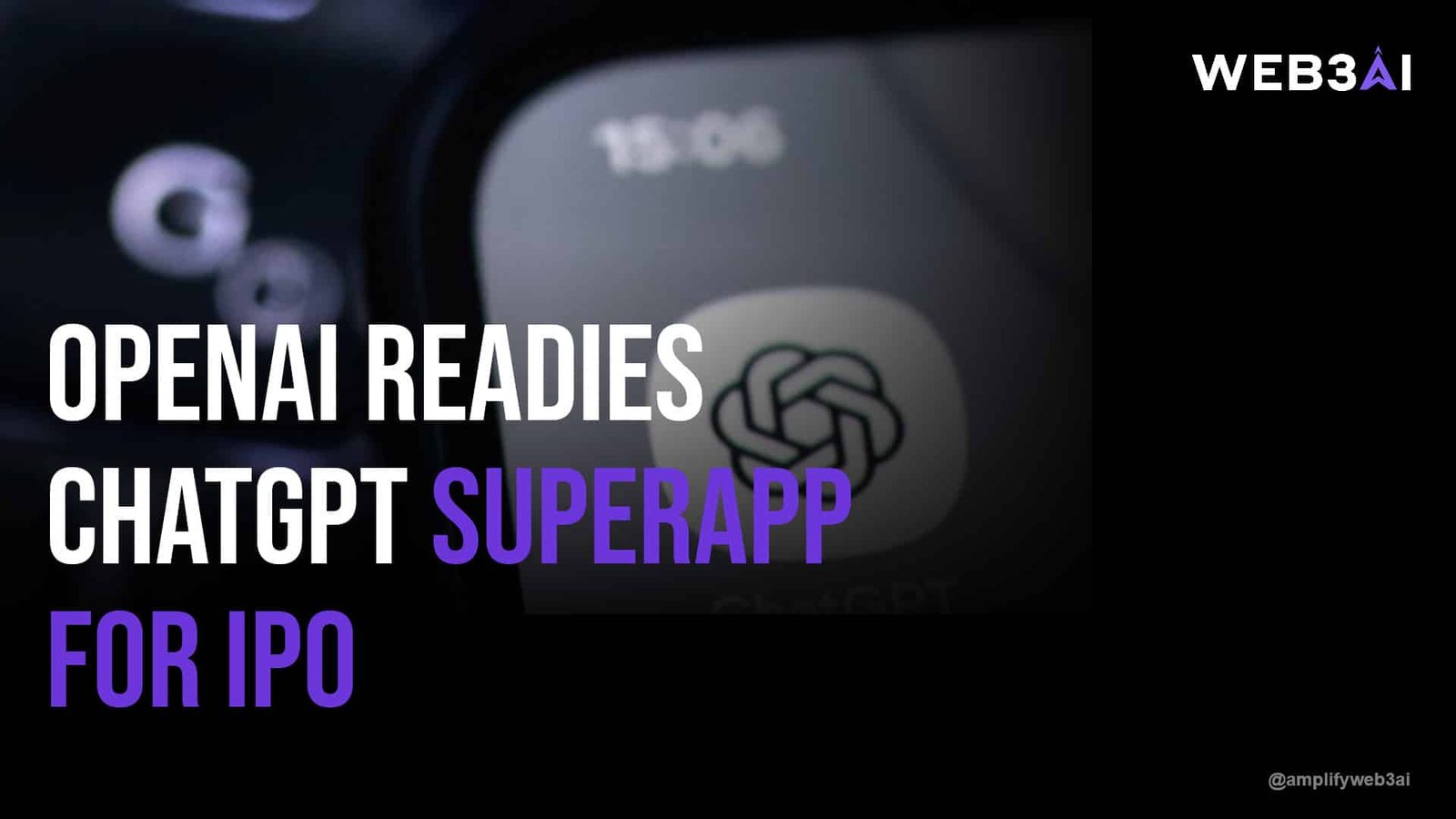

The OpenAI ChatGPT super app is no longer a rumor — it is a full-scale strategic overhaul that could redefine how hundreds of millions of people interact with technology every single day. OpenAI is planning to transform ChatGPT from a conversational AI tool into an all-in-one platform that handles search, payments, social features, and deeply personalized memory. If that sounds familiar, it should — this is the same playbook that turned WeChat into the backbone of daily life in China, and OpenAI is betting it can do the same thing globally.
The ambition is staggering, and so is the timing. According to reporting from TechCrunch’s 2025 AI coverage, AI platforms are rapidly consolidating features that once lived across dozens of separate apps. Users are tired of tool-switching. They want one intelligent, context-aware hub — and OpenAI sees a clear lane to build exactly that.
In this post, we break down what the ChatGPT super app overhaul actually includes, why it matters for everyday users and businesses, and what it signals about the broader future of AI platforms in 2025 and beyond.
A “super app” is a single mobile or desktop application that bundles multiple services — messaging, payments, search, commerce, and more — into one seamless experience. Think of it as your entire digital life living inside one interface. OpenAI’s vision for the OpenAI ChatGPT super app takes that concept and adds a layer of persistent AI intelligence on top.
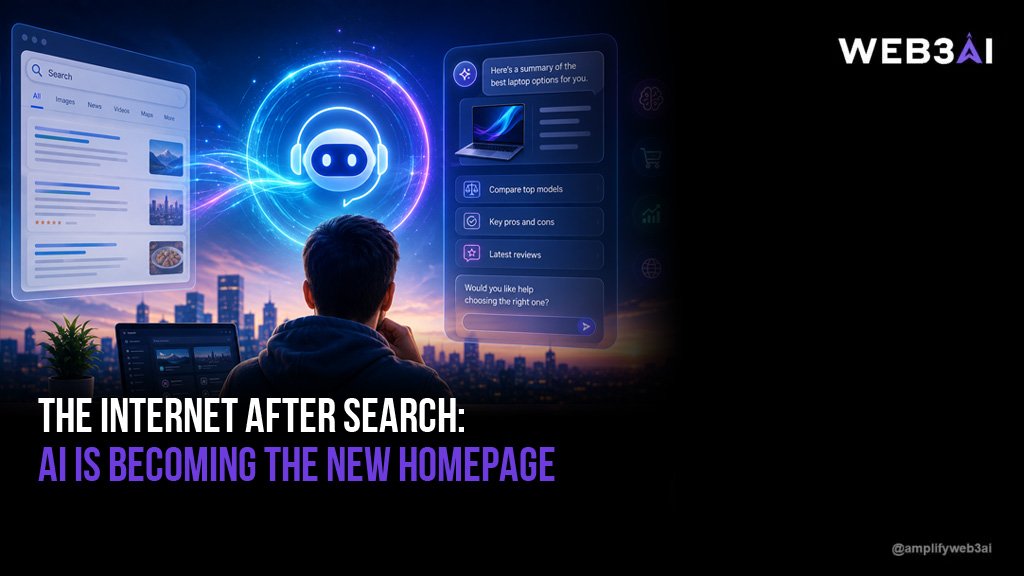
According to the Yahoo Finance/Bloomberg report, OpenAI is working on a major redesign of ChatGPT that would introduce features including a personalized activity feed, integrated web search, shopping capabilities with payments, and deeper memory so ChatGPT actually remembers who you are across conversations. This is not a minor UI refresh. It is a fundamental rethinking of what an AI assistant can and should be.
The redesign is reportedly inspired in part by social apps — giving users a scrollable feed of AI-generated content, recommendations, and tools tailored specifically to their habits and history. OpenAI wants ChatGPT to feel less like a search bar and more like a trusted digital companion that knows your preferences, your schedule, and your goals.
Pro Tip: If you use ChatGPT today, start enabling the Memory feature in settings. When the super app rolls out, your existing memory data could give you a much richer, more personalized experience from day one.
OpenAI’s planned overhaul is ambitious across multiple dimensions. Here is a breakdown of the core features being reported and developed as part of the super app transformation:
Taken together, these features represent a direct challenge to Google, Apple, and every major platform that currently owns a piece of your daily digital routine. OpenAI is not just building a better chatbot — it is building an operating system for your life.
One of the most technically significant aspects of the ChatGPT super app is its reliance on AI agents — autonomous systems that can take multi-step actions on your behalf without constant hand-holding. This is where the platform shifts from reactive tool to proactive assistant. Instead of answering questions, ChatGPT would start completing tasks.
We have written extensively about this shift on amplifyweb3.ai. If you want to understand the foundation beneath the super app vision, our piece on how AI agents are changing the way we work is essential reading. The dynamics explored there — delegation, automation, trust — are exactly what OpenAI is building into the core of ChatGPT’s next chapter.
Agents inside a super app context mean you could say “book me a dinner reservation for Saturday near my office, somewhere my partner and I haven’t been, under $100 per person” — and ChatGPT would handle every step. Search, compare, book, confirm. No switching apps. No copy-pasting. Just results. That is not science fiction — it is the explicit direction OpenAI’s engineering and product teams are moving toward right now.
The super app concept is not new — but it is finally arriving in Western markets in a credible form, and AI is the reason why. Previous attempts at building super apps in the US and Europe (Facebook’s ambitions, Google’s various product bundles) stalled because they lacked a compelling enough reason for users to consolidate. AI changes that calculus entirely.
When an app is genuinely intelligent — when it learns you, adapts to you, and saves you real time — switching costs evaporate. Users do not need to be incentivized to stay. They stay because the experience gets measurably better the longer they use it. That is the network effect that the OpenAI ChatGPT super app is designed to create at the individual user level, not just the platform level.
For businesses, the implications are equally significant. The rise of AI-powered applications is already reshaping how companies think about customer touchpoints. We explored this in depth in our article on the rise of AI-powered apps — and the super app model is the logical endpoint of that trajectory. When ChatGPT becomes the place where users shop, search, and get things done, every business needs a presence and a strategy inside that ecosystem.
Pro Tip: Businesses should start thinking about their “ChatGPT presence” the same way they thought about their Google ranking a decade ago. AI-powered super apps will become a primary discovery channel — prepare now, not later.
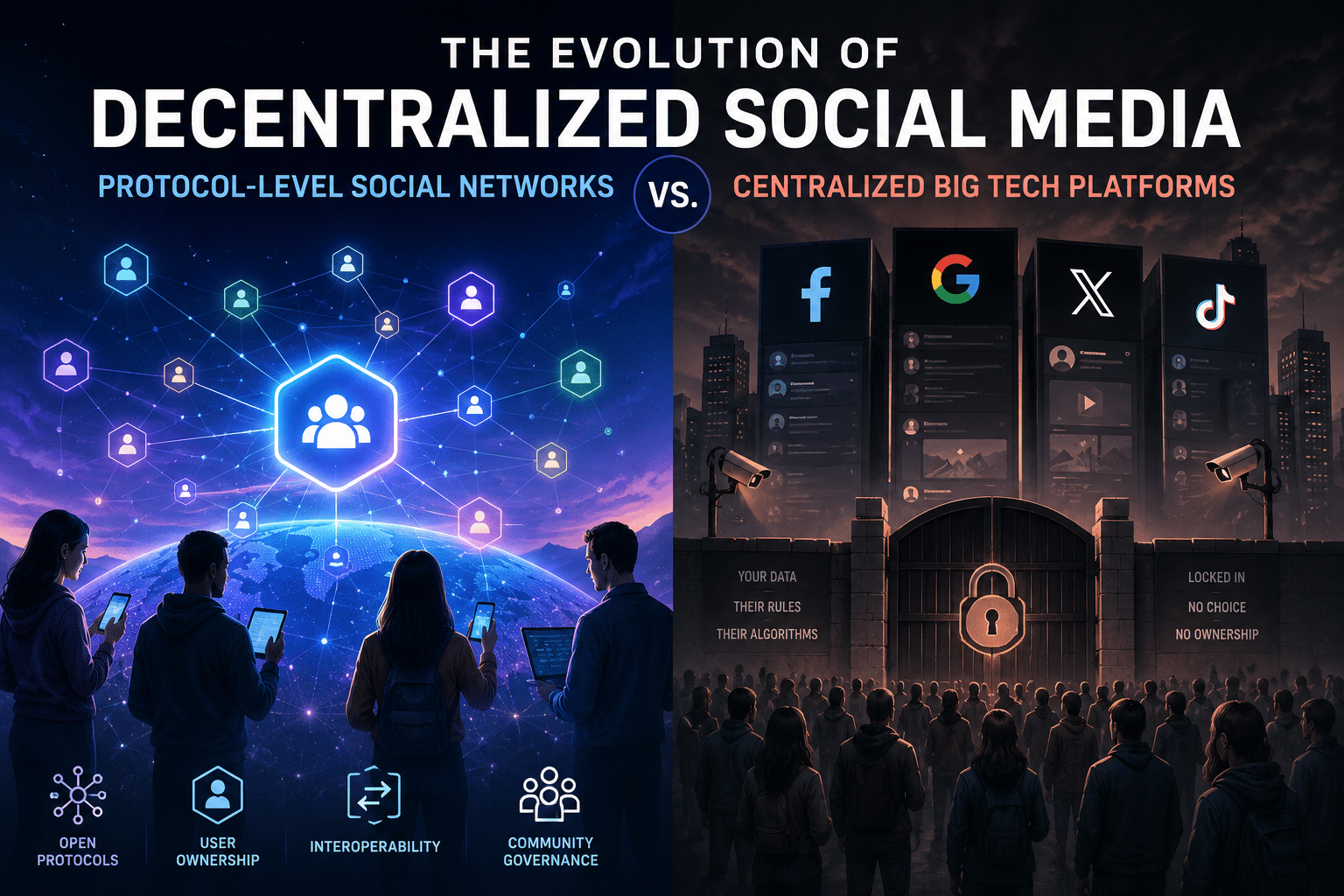
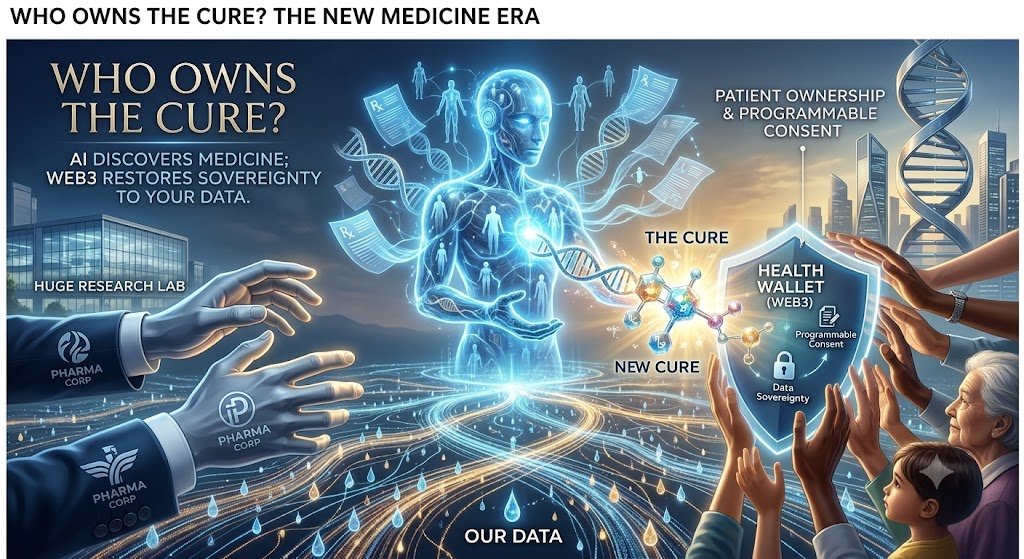
Here is a dimension of this story that most mainstream coverage is missing: the intersection of the ChatGPT super app vision with decentralized infrastructure. If ChatGPT becomes the interface through which people access payments, identity, and commerce, the question of who controls that infrastructure becomes critically important. Centralized AI platforms and decentralized Web3 rails are on a collision course — and that collision could be productive.
Web3 protocols offer exactly what a super app needs to remain trustworthy at scale: transparent, user-controlled data ownership, decentralized identity, and open payment infrastructure that is not locked to a single corporate gatekeeper. The convergence of these two worlds is something we have been tracking closely, and our piece on the Web3 and AI convergence lays out why this is one of the most important dynamics in technology right now.
OpenAI integrating payments into ChatGPT is a headline. But the deeper story is about what kind of payment rails get used, who owns the transaction data, and whether users have any sovereignty over their own AI-generated profile. These are the questions that Web3 builders are already working to answer — and smart investors and developers should be paying close attention to how those answers align or conflict with what OpenAI is building.
Not everyone is enthusiastic about the super app vision, and the pushback is worth taking seriously. Privacy advocates have raised significant concerns about the combination of persistent memory, payment data, and a personalized activity feed all living inside a single platform controlled by one company. That is an enormous amount of sensitive user data concentrated in one place.
There are also competitive and regulatory concerns. A ChatGPT super app that integrates payments and commerce will almost certainly draw scrutiny from antitrust regulators in the US and EU — the same bodies already watching Big Tech consolidation closely. OpenAI transitioning from nonprofit-adjacent research lab to full-scale consumer platform operator is a significant shift that will invite new layers of legal and political attention.
Finally, there is the question of execution. Building a super app is genuinely hard. WeChat succeeded in a specific cultural and regulatory context. Replicating that globally, across dozens of languages, payment systems, and regulatory environments, while also advancing frontier AI research, is an enormous operational challenge. OpenAI’s speed of execution has been impressive — but the super app is a different kind of challenge than shipping a new model.
The OpenAI ChatGPT super app is a planned overhaul of the ChatGPT platform that would transform it from a standalone AI chatbot into an all-in-one application with integrated search, payments, persistent memory, a personalized activity feed, and AI agent capabilities. The goal is to make ChatGPT the single hub through which users manage a wide range of daily digital tasks.
OpenAI has not announced a firm public release date for all super app features. The overhaul is being developed in phases, with some elements — like enhanced memory and integrated search — already rolling out to users in 2024 and 2025. The full vision, including payments and the social feed, is expected to roll out progressively through 2025 and into 2026.
Today, ChatGPT is primarily a conversational AI tool — you ask questions, it gives answers. The super app vision adds persistent identity and memory, commerce and payment rails, autonomous agent actions, and a proactive personalized feed. It shifts the experience from reactive to proactive and from single-task to multi-service.
OpenAI has not detailed the pricing model for super app features specifically. It is likely that core features will remain available on the free tier, while advanced capabilities — deeper memory, agent actions, payment integrations — will be tied to ChatGPT Plus or higher subscription tiers, consistent with OpenAI’s existing monetization approach.
Combining persistent memory, payment data, browsing behavior, and a social activity feed inside one platform creates a significant data concentration. Users should review OpenAI’s privacy settings carefully, enable only the memory and data-sharing features they are comfortable with, and stay informed about how OpenAI’s data policies evolve as these features roll out.
The OpenAI ChatGPT super app represents a genuine inflection point — not just for OpenAI, but for the entire technology industry. When a single AI platform becomes the place where you search, shop, plan, pay, and get things done, the ripple effects touch every app, every business, and every developer building for the future. Whether OpenAI executes flawlessly or stumbles along the way, the direction is clear: AI is consolidating, and the super app is how that consolidation will be felt in everyday life.
For users, the opportunity is to engage early, understand the privacy tradeoffs, and learn how to get real value from a platform that is designed to get smarter the more you use it. For businesses, the imperative is to start thinking now about how their products and services will be discovered, accessed, and transacted inside AI-powered environments. And for builders in the Web3 and decentralized space, this moment is a call to action — the infrastructure decisions being made right now will determine whether the AI super app era is open or closed, user-controlled or corporate-controlled.
Explore what we have built at attn.live.