Anouncement

Anouncement
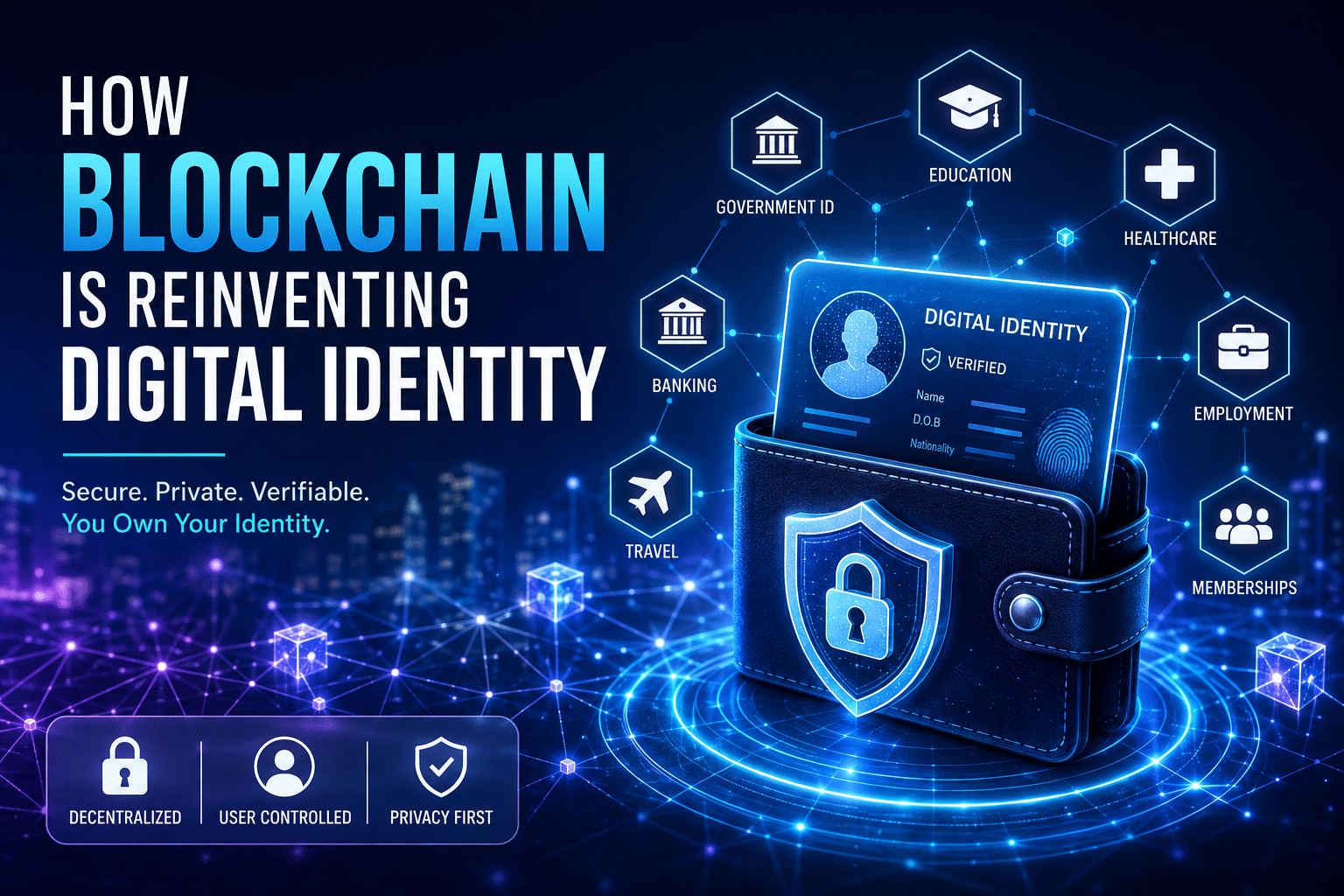

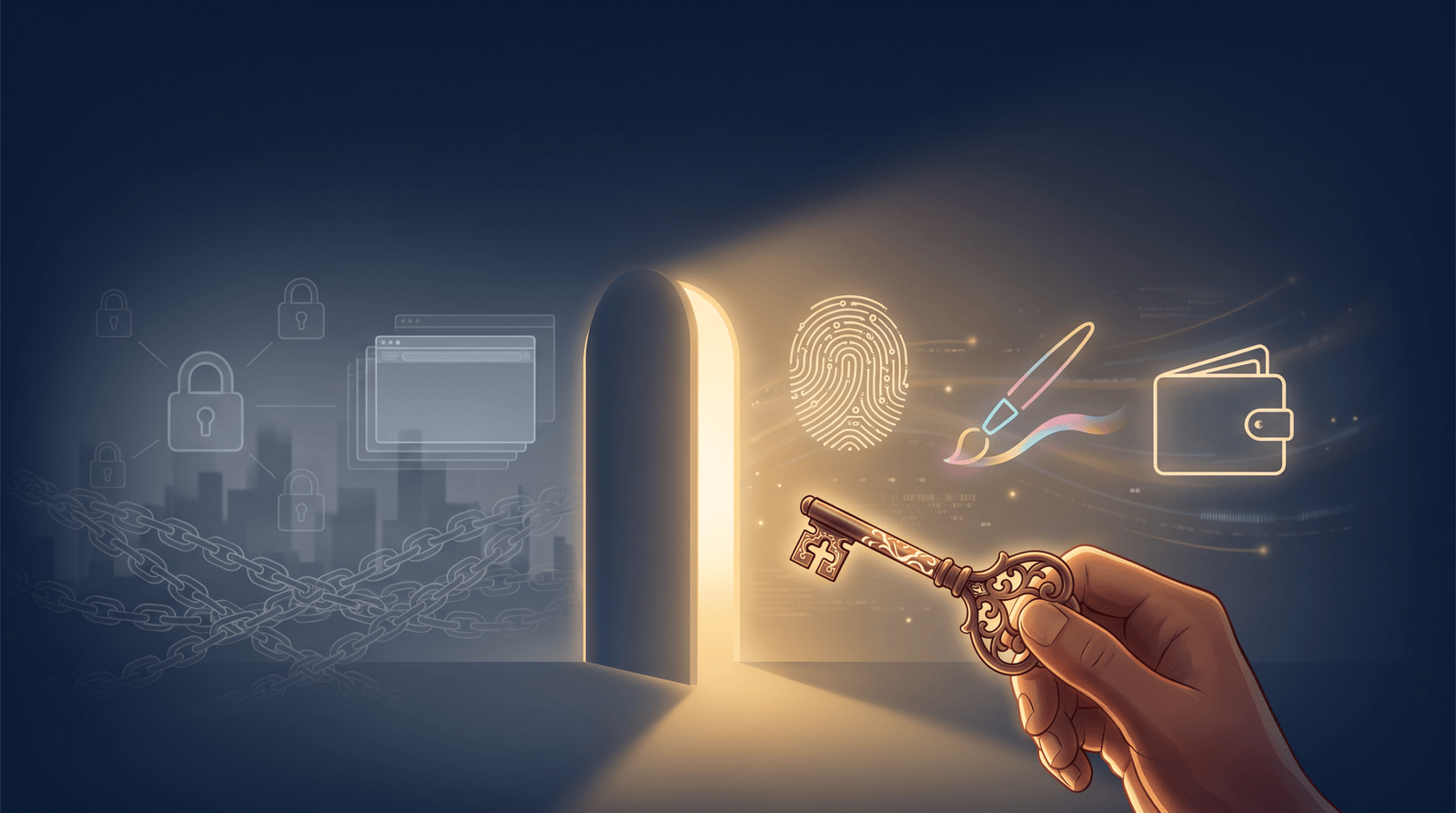
In today’s digital world, identity has become one of our most valuable assets. Every website we visit, every app we download, and every online service we use requires us to create accounts, share personal information, and trust organizations to protect our data. Unfortunately, that trust is often broken. Massive data breaches, identity theft, phishing attacks, and privacy violations have become regular headlines.
As artificial intelligence accelerates digital transformation, the importance of secure identity verification has never been greater. AI-powered scams are becoming more convincing, making it increasingly difficult to distinguish legitimate users from bad actors. Meanwhile, businesses struggle to verify identities while complying with growing privacy regulations.
This is where blockchain technology enters the conversation. Originally created to support cryptocurrencies like Bitcoin, blockchain has evolved into much more than a financial innovation. Today, it is laying the foundation for a new generation of digital identity systems that prioritize security, privacy, and user ownership.
Instead of relying on centralized databases that can be hacked, blockchain enables decentralized identity solutions where individuals control their own credentials. This shift has the potential to transform banking, healthcare, education, government services, e-commerce, social media, and countless other industries.
Let’s explore how blockchain is reinventing digital identity and why it may become one of the most important technologies of the next decade.
Today’s identity systems are fragmented.
The average internet user manages dozens or even hundreds of online accounts. Every platform stores usernames, passwords, email addresses, and personal information in separate databases. This creates several major problems:
When a company experiences a security breach, millions of customer records can be exposed overnight. Hackers often steal names, birthdates, government IDs, passwords, and financial information, which can then be sold or used for fraud.
Users have little control over how companies collect, store, or monetize their personal information.
Blockchain-based digital identity shifts ownership from organizations to individuals.
Rather than storing your identity inside a company’s centralized database, your credentials are secured through decentralized technologies.
Instead of creating new accounts everywhere, users maintain a digital identity wallet containing verifiable credentials such as:
These credentials can be cryptographically verified without exposing unnecessary personal information.
For example, instead of showing your full driver’s license to prove you’re over 18, a blockchain identity system can simply confirm:
“Yes, this person is over 18.”
Nothing else needs to be revealed.
This concept is known as selective disclosure.
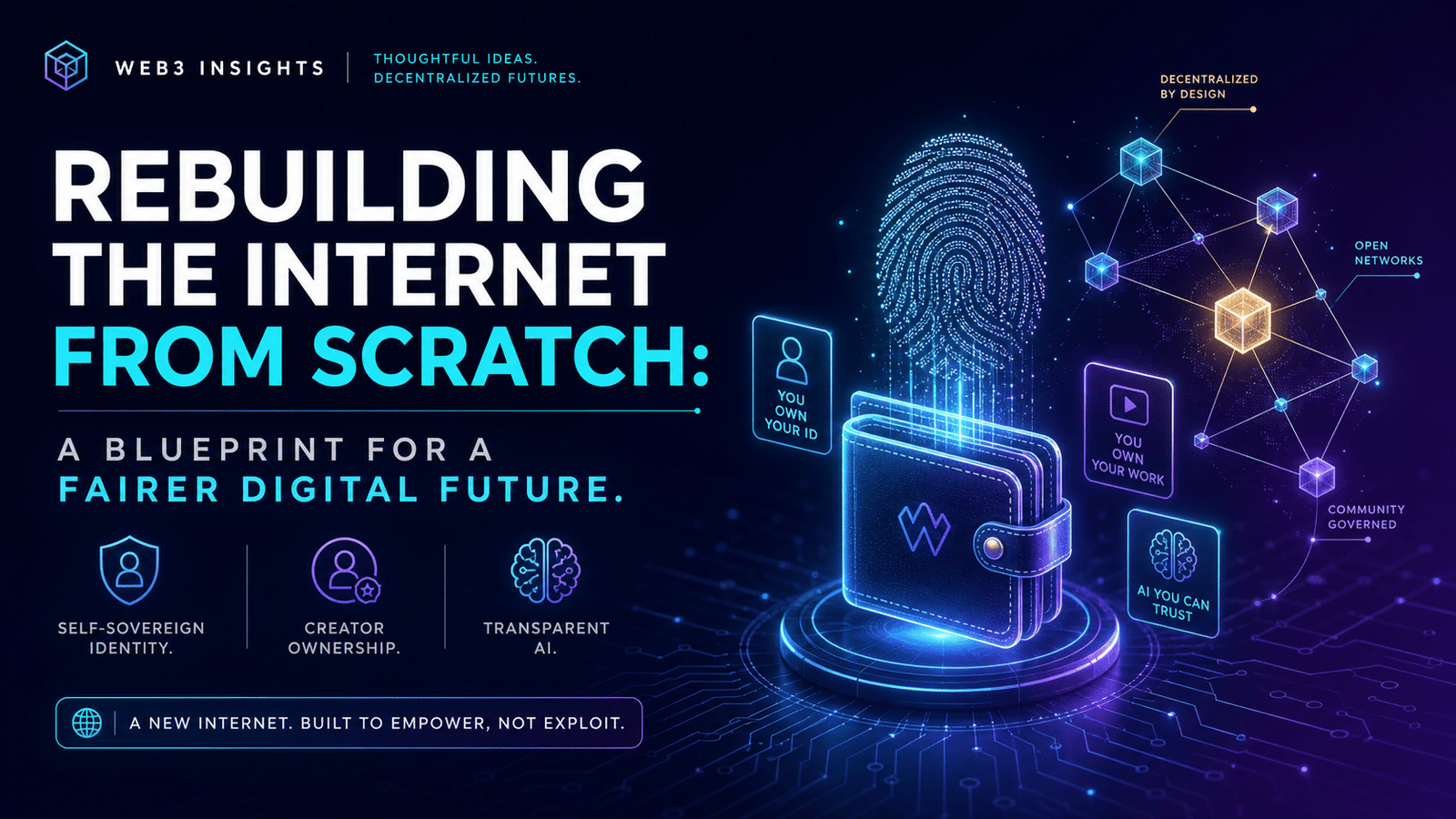
One of blockchain’s biggest innovations is Self-Sovereign Identity (SSI).
SSI means individuals—not governments, corporations, or social media companies—own and control their digital identities.
With SSI:
Imagine changing jobs without repeatedly uploading resumes and certificates.
Your verified credentials could instantly prove your qualifications.
Imagine opening a bank account without filling out lengthy forms.
Your identity could be verified within seconds.
This dramatically reduces friction while improving security.
Blockchain offers several security advantages over traditional databases.
Instead of one central server holding millions of identities, information is distributed across secure networks.
There is no single point of failure.
Every credential is digitally signed.
Forgery becomes extremely difficult because any alteration would invalidate the cryptographic proof.
Once credentials are issued and verified, blockchain creates an immutable record that cannot easily be altered without network consensus.
This strengthens trust among organizations.
Instead of sharing entire documents, users share only the specific information required.
Less exposed data means fewer opportunities for identity theft.
Identity theft costs individuals, businesses, and governments billions of dollars annually.
Most attacks succeed because personal information is stored in vulnerable centralized databases.
Blockchain changes this model.
Rather than storing sensitive data in one location, identity credentials remain under user control.
Attackers no longer gain access to millions of identities through a single database breach.
Even if one service is compromised, the user’s identity remains protected because the credentials themselves are independently verifiable.
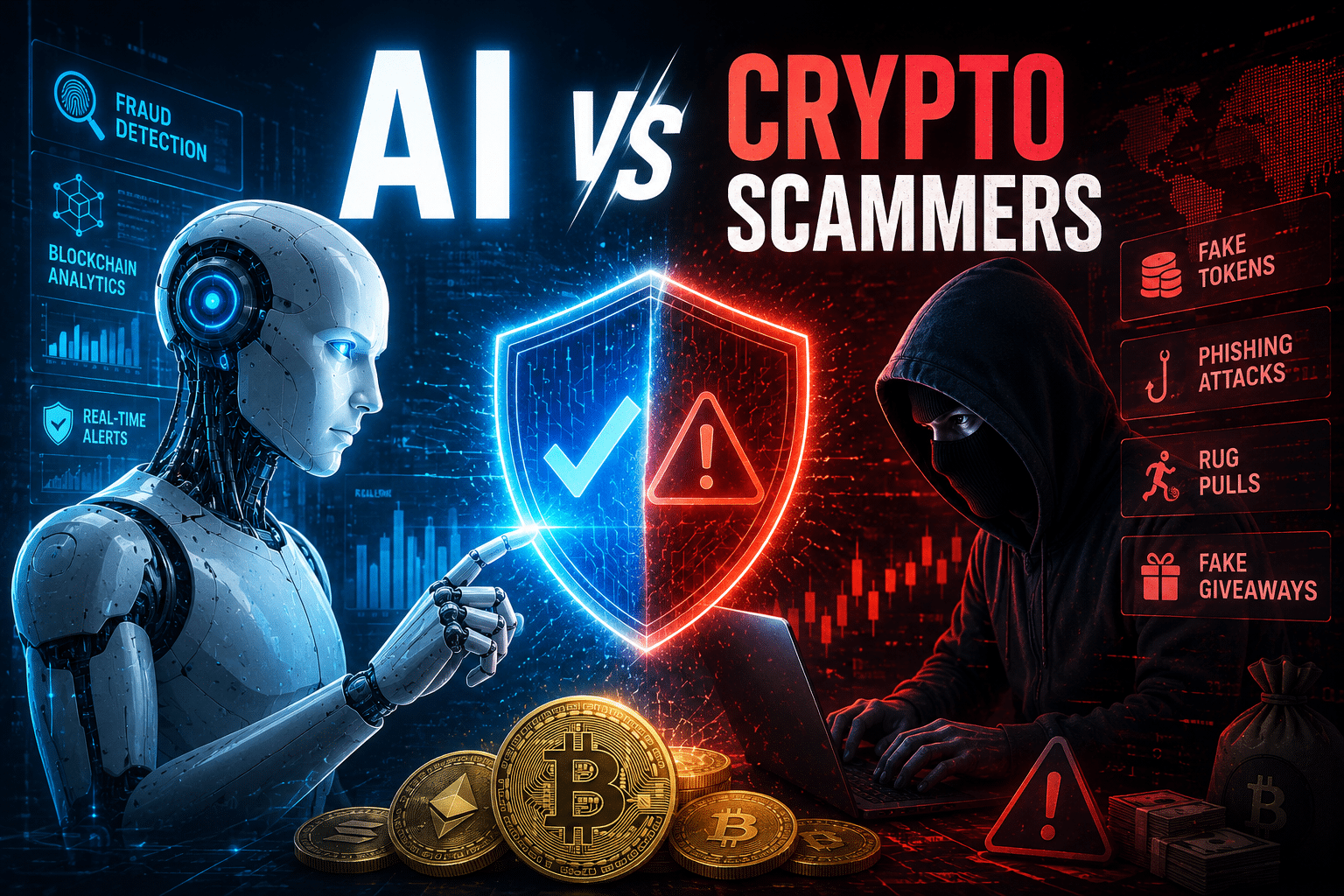
Artificial intelligence is making fraud both easier and harder.
On one hand, AI can detect suspicious behavior and automate fraud prevention.
On the other, criminals now use AI to generate fake IDs, voice clones, deepfake videos, and convincing phishing attacks.
Blockchain helps solve this problem by introducing verifiable digital credentials.
Instead of trusting images or uploaded documents, organizations can verify cryptographic proof that credentials were issued by trusted authorities.
This makes impersonation significantly more difficult.
Together, AI and blockchain create stronger digital trust systems.
AI analyzes behavior.
Blockchain verifies identity.
The combination can dramatically reduce fraud across digital services.
Blockchain identity is already expanding into multiple industries.
Patients can securely share medical records with doctors while maintaining control over their data.
Hospitals spend less time requesting paperwork.
Patients gain greater privacy.
Universities can issue blockchain-based diplomas.
Employers instantly verify academic credentials without contacting schools.
Diploma fraud becomes much harder.
Financial institutions can simplify Know Your Customer (KYC) verification.
Customers verify themselves once instead of repeating lengthy onboarding across multiple banks.
Governments can issue secure digital IDs for tax services, voting, licensing, and public benefits.
Citizens gain easier access while reducing administrative costs.
Digital passports and travel credentials can speed up airport verification.
Travelers experience shorter wait times while maintaining privacy.
Professional certifications and work history become instantly verifiable.
Recruiters reduce hiring fraud while simplifying background checks.
Blockchain identity isn’t just good for consumers.
Businesses also benefit.
Manual identity verification consumes significant resources.
Automated blockchain verification reduces expenses.
Privacy regulations increasingly require organizations to minimize data collection.
Selective disclosure supports compliance by sharing only necessary information.
Customers complete onboarding faster.
Fewer passwords.
Fewer forms.
Less frustration.
Verified credentials reduce fake accounts, account takeovers, and identity fraud.
This protects both businesses and users.
Despite its promise, blockchain identity faces several challenges.
Identity systems become more valuable as more organizations participate.
Widespread adoption will take time.
Different blockchain networks must work together.
Common standards are essential.
Governments need legal frameworks recognizing decentralized identity credentials.
Policies continue evolving worldwide.
Many people remain unfamiliar with blockchain wallets and digital credentials.
Simple user experiences will be critical for mainstream adoption.
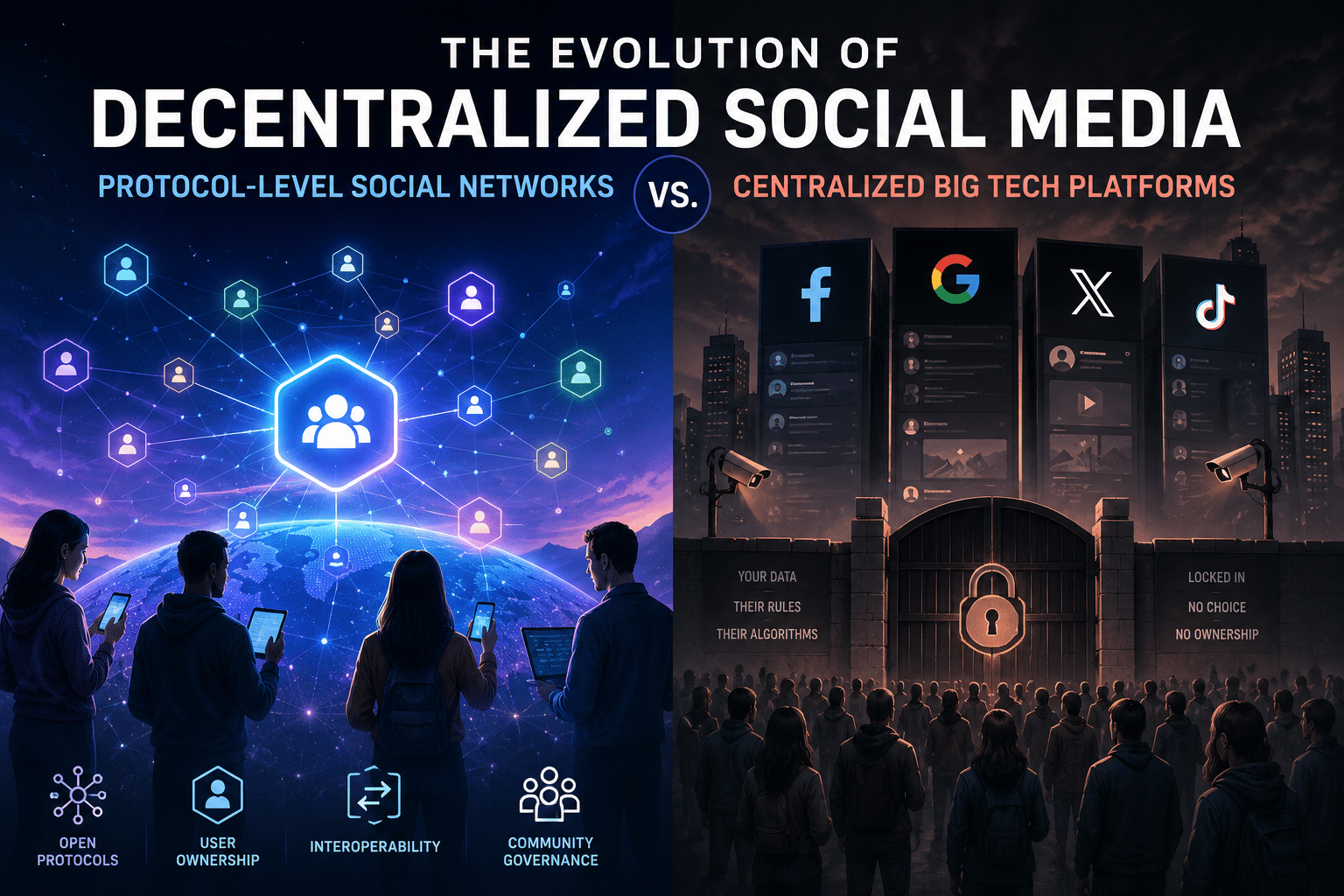
Web3 envisions an internet where users own their data rather than surrendering it to centralized platforms.
Digital identity is a cornerstone of this vision.
Instead of logging into every website with separate usernames and passwords, blockchain identities can provide secure authentication across decentralized applications.
Users maintain consistent identities while preserving privacy.
This opens new possibilities for gaming, finance, creator platforms, marketplaces, and online communities.
Imagine waking up in a world where you never reset another password.
Your digital wallet securely stores your credentials.
Need to rent a car?
One tap verifies your driver’s license.
Applying for a mortgage?
Income verification happens instantly.
Starting a new job?
Your education and certifications are already verified.
Booking international travel?
Your passport and health credentials are securely shared only when required.
No repeated forms.
No uploading scanned documents.
No unnecessary exposure of sensitive information.
Identity becomes portable, secure, and entirely under your control.
Blockchain is transforming digital identity from a fragmented, centralized system into one built on trust, privacy, and user ownership. By replacing vulnerable databases with decentralized, cryptographically verifiable credentials, blockchain reduces fraud, strengthens security, and gives individuals greater control over their personal information.
As AI-generated scams grow more sophisticated, trusted digital identity will become increasingly important. Businesses, governments, healthcare providers, financial institutions, and educational organizations are already exploring blockchain-powered identity solutions to improve efficiency and protect users.
Challenges such as regulation, interoperability, and adoption remain, but the direction is clear. The future of digital identity is moving away from passwords and centralized databases toward decentralized systems where individuals own their credentials and decide how they are shared.
In the coming years, blockchain is unlikely to replace every identity system overnight. However, it is poised to become a foundational technology for a safer, more private, and more trustworthy internet. As Web3 continues to evolve, digital identity may prove to be one of blockchain’s most impactful applications—helping people securely navigate an increasingly connected world while keeping control of what matters most: their identity.