Anouncement

Anouncement


Cryptocurrency has opened the door to a new era of financial innovation. Millions of people can now send money globally, invest in digital assets, participate in decentralized finance (DeFi), and own digital collectibles through blockchain technology. However, alongside these opportunities comes a darker reality: crypto scammers have become more sophisticated than ever.

Every year, billions of dollars are lost to phishing attacks, fake investment platforms, rug pulls, impersonation scams, fraudulent token launches, and social engineering schemes. As blockchain adoption grows, scammers continue to evolve their tactics to exploit both newcomers and experienced investors.
Fortunately, artificial intelligence (AI) is becoming one of the most powerful tools in the fight against crypto fraud. AI can analyze massive amounts of blockchain data in seconds, identify suspicious patterns, detect fake identities, and even predict fraudulent behavior before major damage occurs.
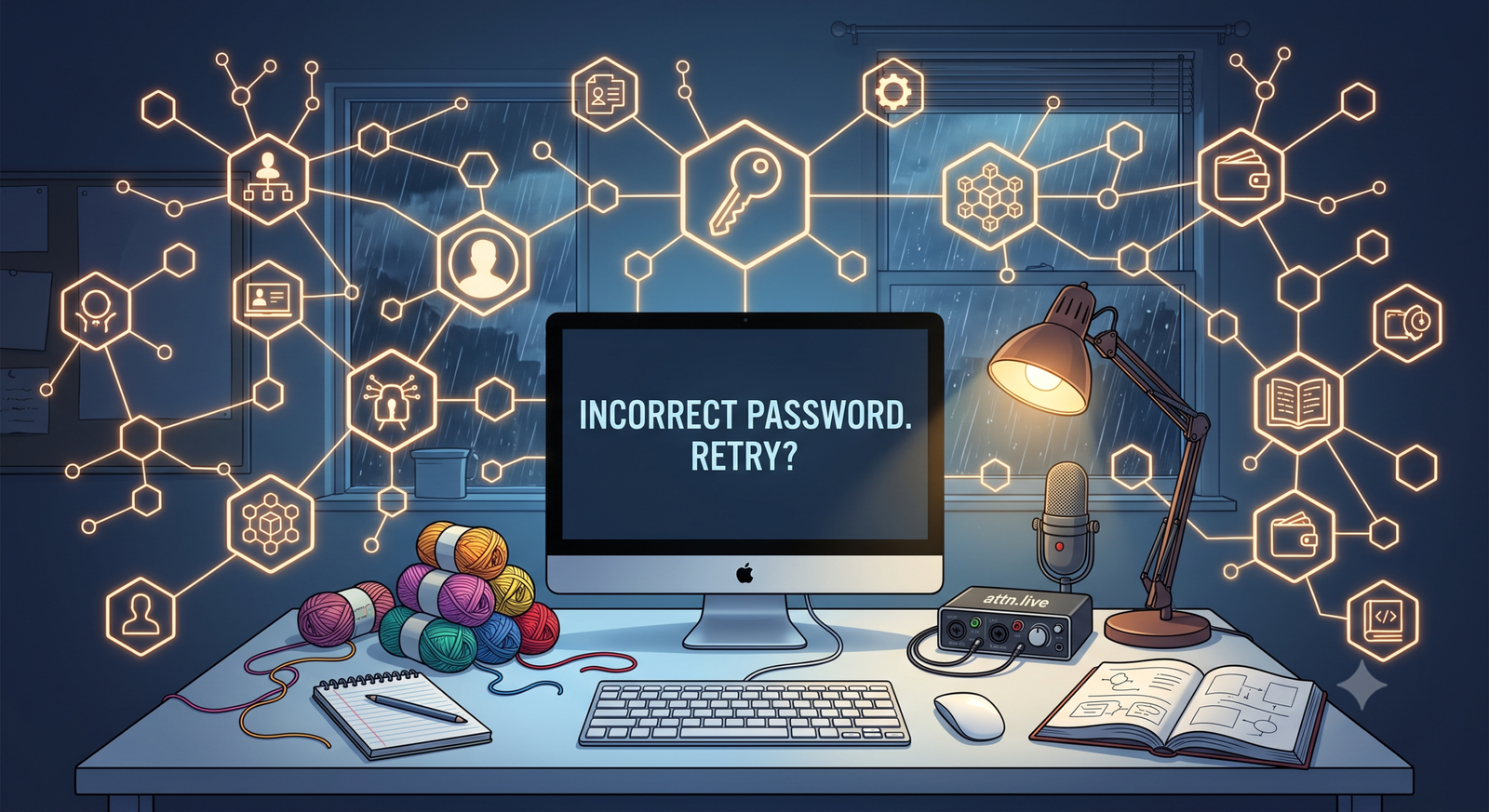
The battle between AI and crypto scammers has already begun—and it’s transforming digital security.
Unlike traditional banking systems, blockchain transactions are irreversible. Once cryptocurrency is sent to a scammer’s wallet, recovering those funds is often extremely difficult.
Scammers exploit several factors:
Modern scams are no longer limited to fake websites. Criminals now use professional branding, fake customer support, cloned exchanges, deepfake videos, and AI-generated voices that make scams appear legitimate.
This growing sophistication demands smarter defense systems.
Artificial intelligence excels at recognizing patterns that humans would likely miss.
Instead of manually reviewing thousands—or even millions—of blockchain transactions, AI systems continuously analyze data in real time.
These systems can identify:
Machine learning models improve over time by learning from previous fraud cases. The more scams they analyze, the better they become at recognizing similar behavior in the future.
Every blockchain transaction is public.
While this transparency is one of blockchain’s greatest strengths, the sheer amount of data makes manual investigation nearly impossible.
AI-powered blockchain analytics platforms can:
Instead of looking at individual transactions, AI sees the entire network.
This allows investigators to uncover criminal organizations that would otherwise remain hidden.
A rug pull occurs when developers promote a cryptocurrency project, attract investors, then disappear with the funds.
Some warning signs include:
AI can examine smart contracts, wallet distributions, liquidity conditions, and developer behavior to assign risk scores before investors buy.
Although AI cannot guarantee a project is legitimate, it can highlight warning signs much faster than manual research.
Thousands of new tokens launch every week.
Some imitate successful cryptocurrencies by copying names, logos, or ticker symbols.
AI systems compare:
If a token closely resembles a known scam or impersonates an established project, AI can flag it before widespread adoption occurs.
Phishing remains one of the most common ways crypto holders lose their assets.
Attackers create fake:
Modern AI can analyze URLs, page layouts, domain registration, SSL certificates, and behavioral signals to detect phishing websites almost instantly.
Many cybersecurity companies now use AI to block malicious crypto websites before users even visit them.
Crypto scammers thrive on social platforms.
Common tactics include:
AI-powered moderation systems can identify coordinated bot networks that post identical messages across thousands of accounts.
Natural language processing also helps identify scam language, suspicious promises, and misleading investment claims.
Ironically, AI is also being used by scammers.
Deepfake videos and cloned voices now make it possible to impersonate:
Imagine receiving a video message that appears to come from the founder of your favorite crypto project asking you to participate in an exclusive token sale.
Without verification, many users could fall victim.
Fortunately, AI detection tools are also improving.
They can analyze:
The result is an ongoing technological arms race between AI defenders and AI-powered scammers.
Rather than focusing only on transactions, AI can monitor overall wallet behavior.
Examples include:
Behavioral analysis often reveals fraudulent activity before victims even realize they’ve been targeted.
Major cryptocurrency exchanges process millions of transactions every day.
Manual fraud detection simply cannot keep up.
AI helps exchanges by:
Many exchanges now rely heavily on AI-powered fraud detection as part of their security infrastructure.
Blockchain investigations often involve enormous datasets spanning multiple chains.
AI dramatically accelerates investigations by:
Instead of taking weeks to analyze blockchain records, investigators can narrow their search within minutes.
Investors can also benefit from AI-powered tools.
Modern platforms can evaluate projects based on:
Rather than relying solely on hype or influencer recommendations, investors gain data-driven insights before committing funds.
AI does not eliminate investment risk, but it can help users make more informed decisions.
Despite its strengths, AI has limitations.
False positives may incorrectly label legitimate projects as suspicious, while false negatives can allow sophisticated scams to slip through.
Scammers constantly adapt their methods, requiring AI models to be retrained regularly with new data.
Additionally, AI should complement—not replace—human judgment.
Investors should still verify official websites, double-check wallet addresses, research project teams, and exercise caution before making financial decisions.
The most effective defense combines advanced technology with informed users.
Even with AI-powered protection, personal responsibility remains essential.
To reduce your risk:
Scammers rely on emotional reactions. Taking a moment to verify information can prevent costly mistakes.
As blockchain technology continues to evolve, AI will become even more integrated into crypto security.
Future systems may:
At the same time, scammers will continue adopting more advanced AI tools to create increasingly convincing attacks.
The future of crypto security will likely be defined by this constant race between offensive and defensive AI technologies.
The rise of cryptocurrency has created incredible opportunities for innovation, investment, and financial freedom—but it has also attracted increasingly sophisticated fraudsters. As scams become more complex, traditional security methods alone are no longer enough.
Artificial intelligence is emerging as a critical ally in protecting the crypto ecosystem. By analyzing blockchain activity, detecting suspicious behavior, identifying fake projects, and helping users make informed decisions, AI is making it harder for scammers to succeed.
Still, no technology can replace vigilance. Investors who combine AI-powered tools with careful research, healthy skepticism, and strong security practices will be best positioned to navigate the evolving world of digital assets.
In the ongoing battle of AI vs Crypto Scammers, artificial intelligence may not eliminate fraud entirely—but it is rapidly becoming one of the strongest defenses the crypto industry has ever had.