Anouncement

Anouncement
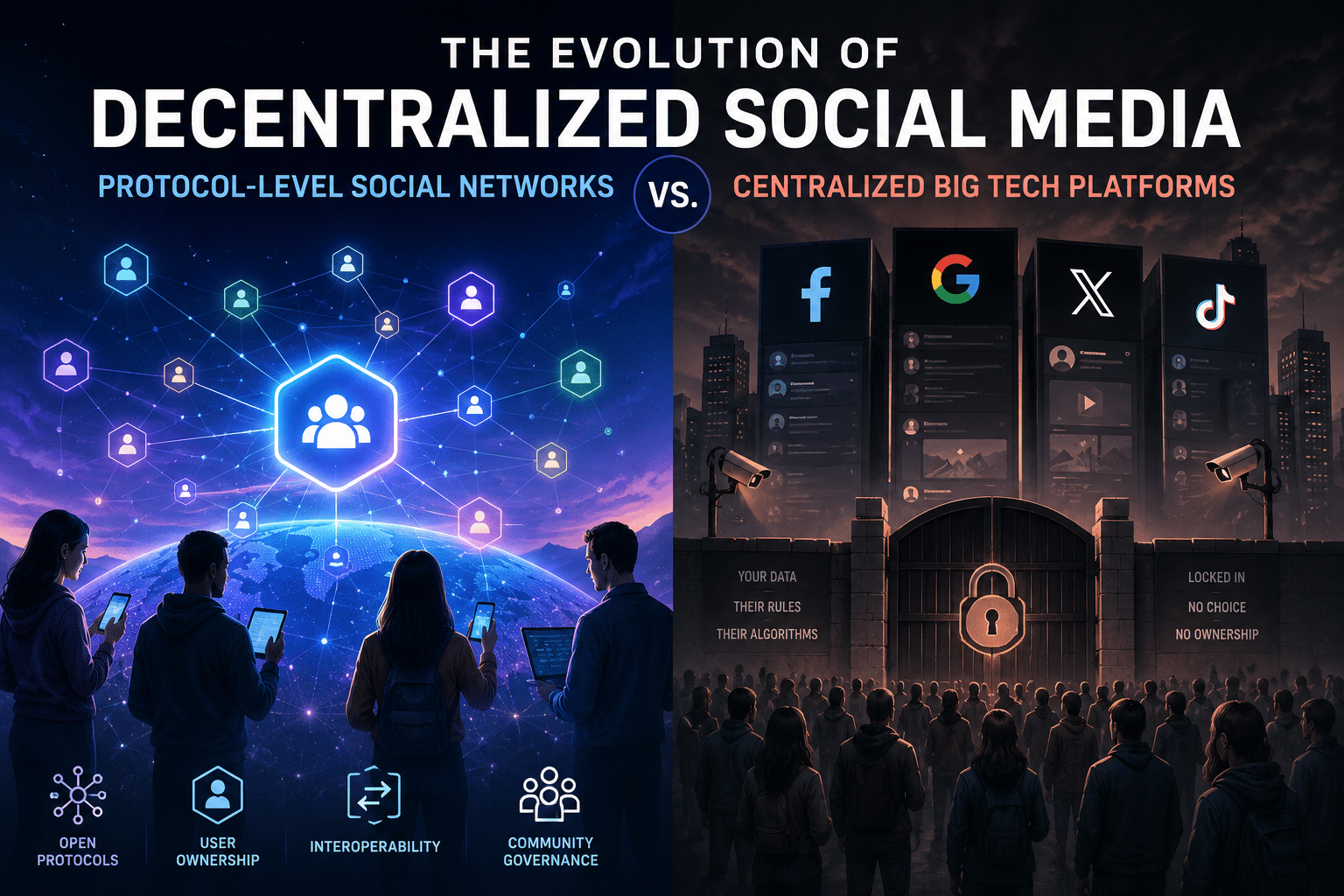

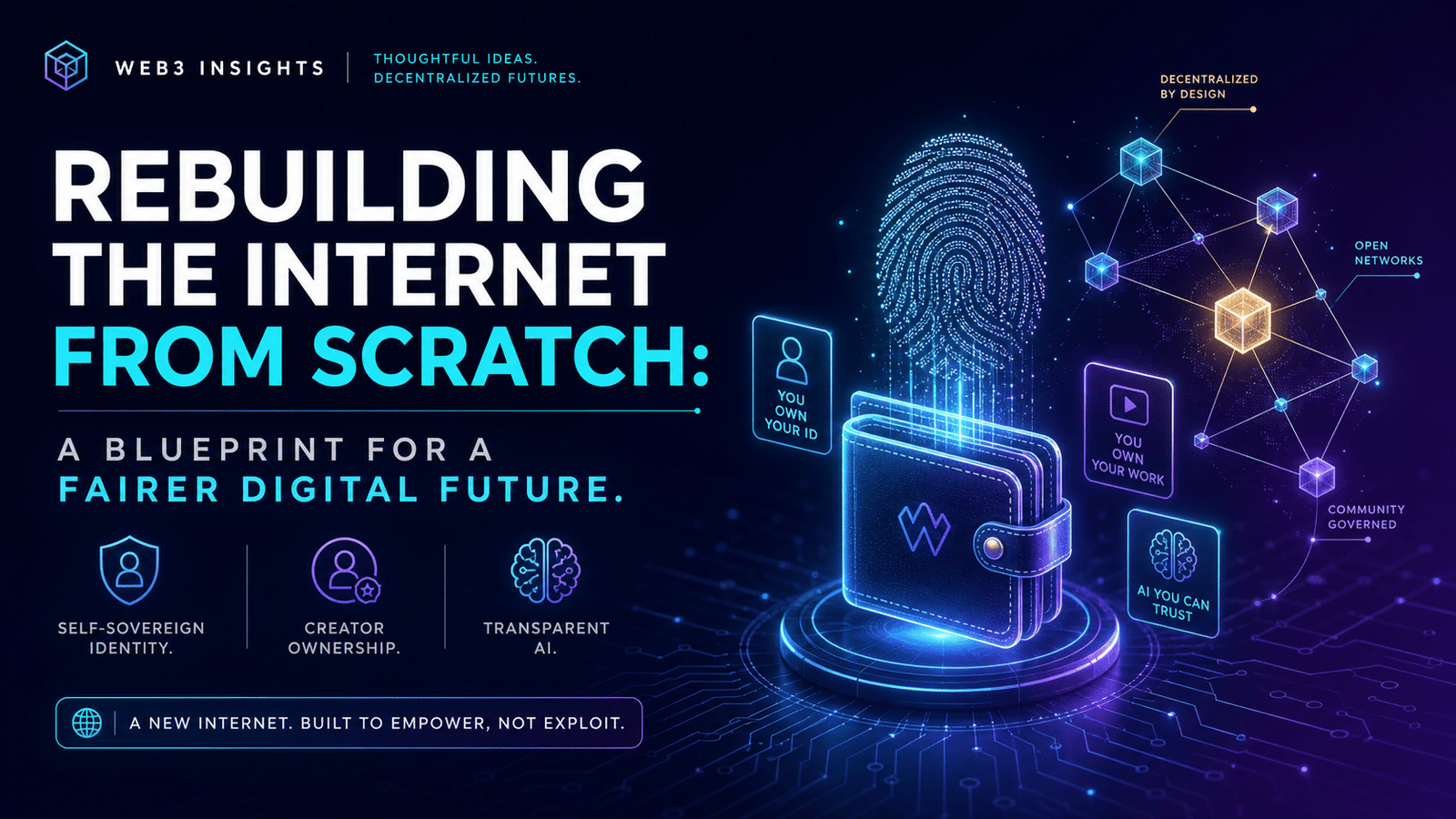
Social media has transformed how people communicate, build communities, discover information, and create businesses. Platforms such as Facebook, Instagram, X, TikTok, and YouTube have become essential parts of the modern internet. But they also concentrate enormous power in the hands of a relatively small number of companies.
These platforms control the infrastructure where social interactions happen. They determine how content is distributed, what rules communities follow, how user data is handled, and which accounts or posts receive visibility.
Now, a different model is emerging: decentralized social media.
Instead of treating a social network as a single company-owned platform, decentralized social networks can operate through open protocols that allow users, applications, and communities to interact across shared infrastructure.
This shift raises an important question: What happens when social media becomes a protocol rather than a platform?
Decentralized social media refers to social networks built using distributed technologies, open protocols, or blockchain-based infrastructure rather than relying entirely on a single centralized company.
Traditional social media generally follows a platform-centric model:
User → App → Centralized Platform → Other Users
A decentralized network can instead look more like:
User → Social Protocol → Multiple Apps → Communities
The distinction is important.
On a centralized platform, your identity, followers, posts, and social graph are typically controlled by the company operating the service. If the platform bans your account, changes its policies, or shuts down, your access to that digital identity and audience can be severely affected.
Protocol-level social networks attempt to separate the social network itself from the application used to access it.
This creates the possibility of a more open social internet where multiple applications can compete while connecting to the same underlying network.
Centralized platforms have several advantages.
They are easy to use, highly optimized, and capable of serving billions of users. Companies invest heavily in recommendation algorithms, content moderation, security, infrastructure, and advertising technology.
For users, the experience is straightforward.
Create an account, follow people, post content, watch videos, and interact with communities.
The problem is that the platform controls almost everything surrounding that experience.
A centralized company owns and operates the infrastructure.
That company can decide:
Users participate in the network, but they generally don’t own the underlying platform.
One of the most important sources of power is the recommendation algorithm.
A platform determines which posts appear in feeds and which content receives less exposure.
This can make creators dependent on constantly changing algorithms.
A creator might build an audience of 500,000 followers, yet a platform algorithm can dramatically reduce the number of people who see their content.
Centralized social platforms accumulate enormous amounts of information about their users.
This can include social connections, browsing behavior, engagement patterns, interests, location signals, purchasing behavior, and content preferences.
The resulting datasets become extremely valuable for advertising and personalization.
Perhaps the biggest structural problem is network lock-in.
If your entire social graph exists on one platform, moving somewhere else can be difficult.
You don’t simply lose an app.
You may lose:
This is where decentralized social media proposes a different architecture.
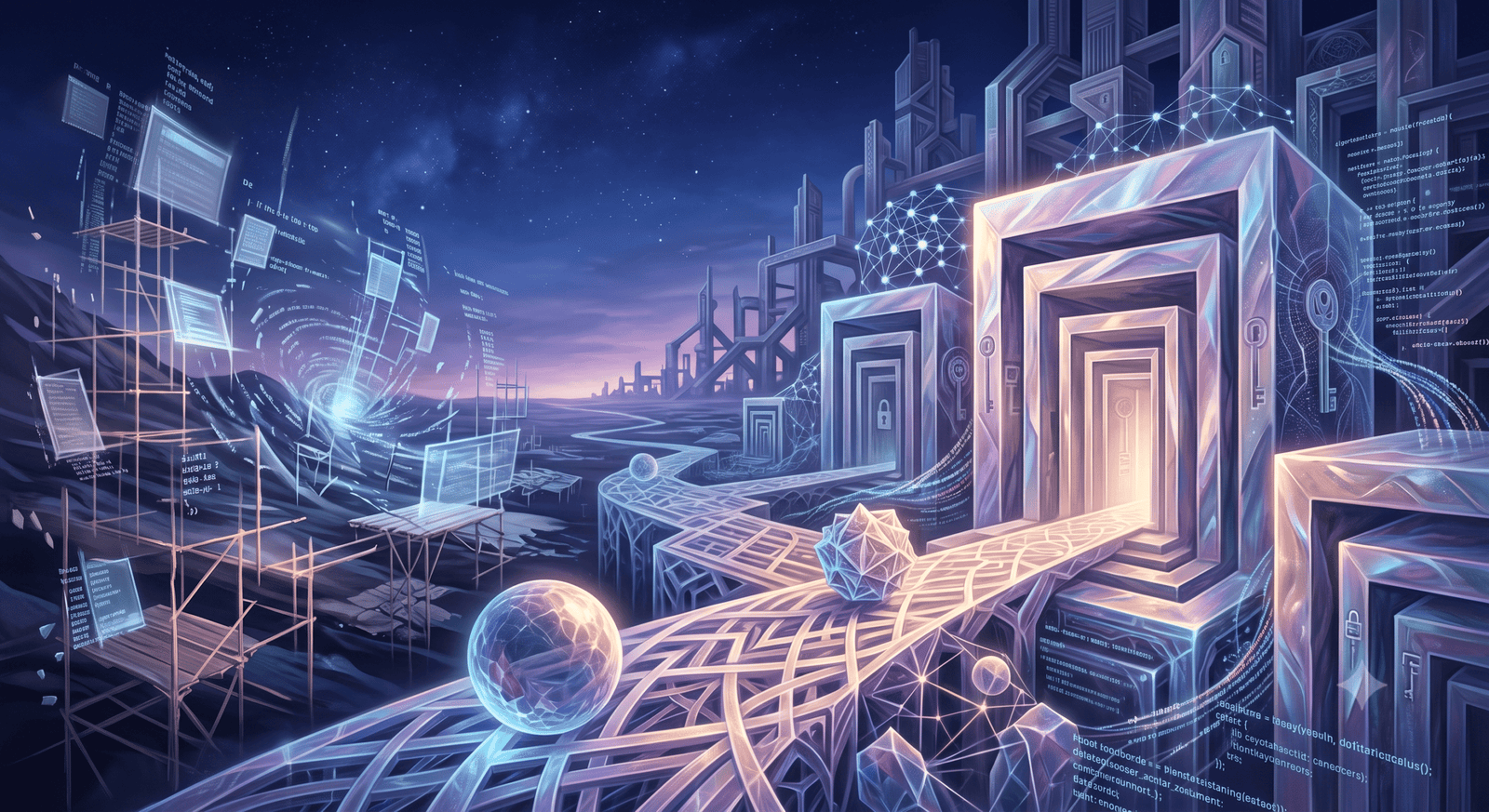
A protocol-level social network treats the underlying social infrastructure as an open layer rather than the property of a single application.
Instead of one company owning the entire network, multiple applications can potentially connect to the same social protocol.
This concept is sometimes compared to email.
You can use Gmail, Outlook, Proton Mail, or another email service while still communicating with users on other providers.
The applications compete, but the underlying communication system remains interoperable.
Decentralized social networks aim to bring similar principles to social media.
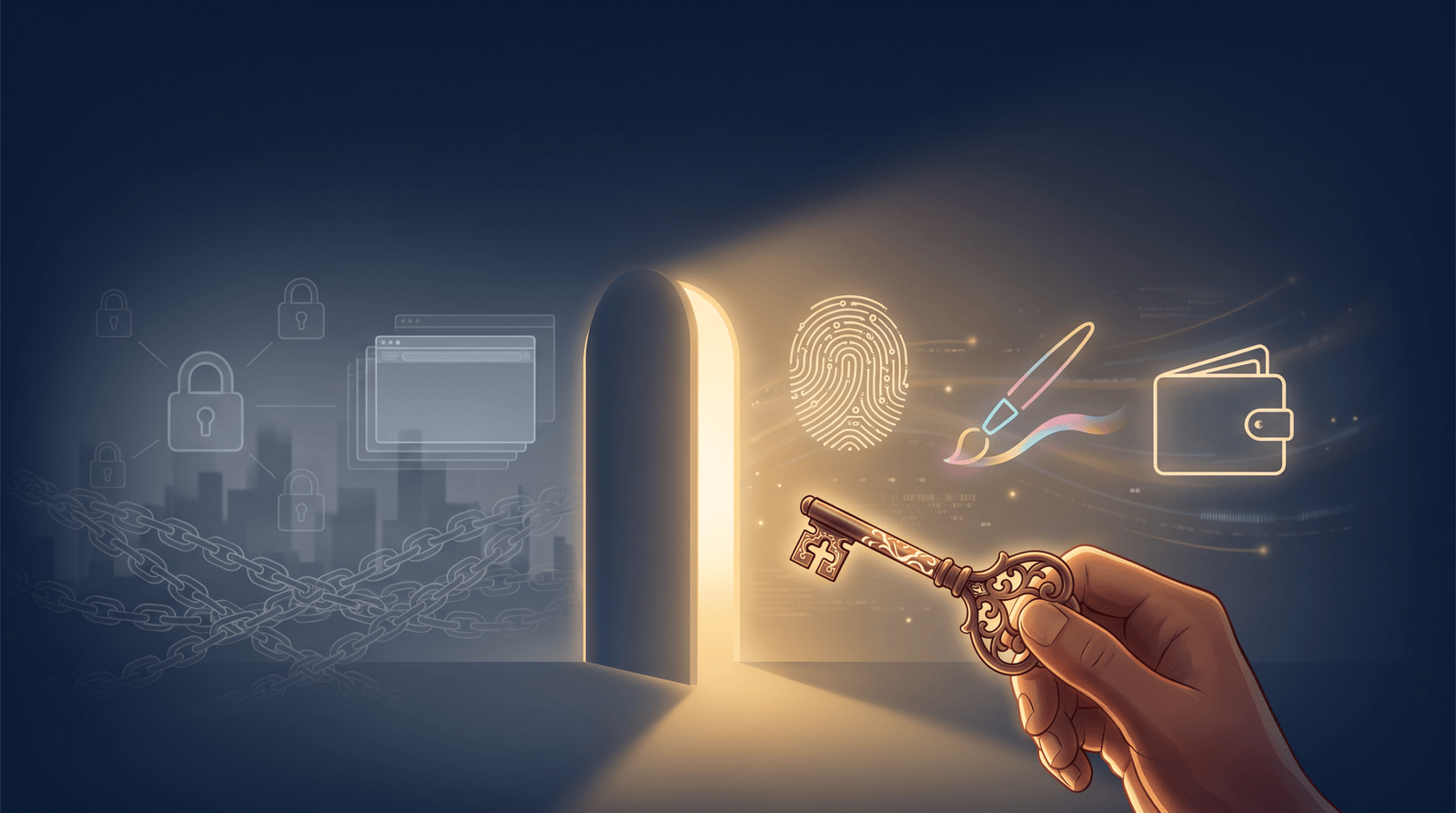
One of the most important concepts in decentralized social media is social graph portability.
Your social graph represents your relationships and interactions across a network.
Imagine building an audience on one social app.
In today’s centralized model, that audience is effectively locked inside the platform.
In a protocol-based model, your identity and relationships can potentially remain connected even if you switch applications.
You could theoretically move from one interface to another without starting from zero.
That changes the relationship between users and platforms.
Instead of asking:
“How many users does this app have?”
the more important question becomes:
“How many users and developers participate in the protocol?”
Protocol-level social media could also create a more competitive application ecosystem.
Imagine a decentralized social network with:
All of these applications could potentially access the same underlying social network.
Users could choose the interface and experience they prefer without necessarily abandoning their social connections.
This could turn social media from a collection of isolated platforms into a broader social internet.
Blockchain technology can play an important role in decentralized social networks, although decentralized social media does not necessarily require every component to run directly on a blockchain.
Blockchains can provide useful primitives for:
For example, blockchain-based identity systems can potentially allow users to control a portable digital identity rather than creating a completely new account on every application.
Creators could also use decentralized technologies to establish ownership or provenance for digital assets.
This creates an interesting possibility: social identity could become an asset that users carry across applications.
The differences become clearer when comparing the two models.
| Feature | Centralized Social Media | Protocol-Level Social Media |
|---|---|---|
| Infrastructure | Company controlled | Shared/open infrastructure |
| Identity | Platform account | Potentially portable identity |
| Social graph | Usually platform-specific | Potentially portable |
| Algorithms | Platform controlled | Potentially user/app controlled |
| App ecosystem | Company-owned | Multiple clients can compete |
| Governance | Corporate policies | Protocol/community-based possibilities |
| Monetization | Advertising/subscriptions | Multiple potential models |
| Interoperability | Limited | Core design goal |
| Platform switching | Difficult | Potentially easier |
| Developer access | Controlled APIs | Open protocol participation |
The decentralized model sounds attractive, but it is not automatically superior in every category.
Decentralization introduces its own problems.
This is arguably the biggest challenge.
Centralized platforms can create a single set of moderation policies and enforce them across their infrastructure.
A decentralized protocol cannot necessarily rely on one company to make every moderation decision.
Instead, moderation may become more distributed.
Different applications could use different filtering systems, while users could choose which communities and moderation policies they trust.
This could create more freedom, but it could also make moderation more complicated.
Centralized platforms have spent years optimizing onboarding.
Creating an account takes seconds.
Decentralized applications can sometimes introduce additional complexity around wallets, keys, identity, permissions, or unfamiliar terminology.
For decentralized social media to reach mainstream users, the technology needs to become nearly invisible.
People shouldn’t need to understand blockchain infrastructure just to post a photo or follow a friend.
Open protocols can attract developers and innovation, but openness can also make abuse easier.
Spam, automated accounts, scams, impersonation, and malicious content remain serious challenges.
Decentralized networks will need sophisticated reputation systems, filtering tools, identity mechanisms, and community moderation.
Centralized platforms have an extremely well-established business model: advertising.
Decentralized social networks are experimenting with alternatives.
Potential models include:
The challenge is finding sustainable models that don’t recreate the same incentives that caused problems in centralized platforms.
Creators may have the most to gain from decentralized social media.
Today, creators often build audiences on platforms they do not control.
A platform can change its algorithm, monetization rules, or policies at any time.
A protocol-based ecosystem could potentially give creators greater control over their digital relationships.
Instead of thinking of followers as an audience owned by a platform, creators could view their community as part of a portable digital network.
This could also encourage competition between applications.
If a creator doesn’t like the experience offered by one application, they could potentially move to another without abandoning their entire social graph.
That could force applications to compete based on user experience rather than simply relying on network lock-in.
The evolution of social media probably won’t mean that centralized platforms suddenly disappear.
Instead, the future could be hybrid.
Centralized companies will continue to offer powerful applications, recommendation systems, moderation infrastructure, and consumer-friendly experiences.
At the same time, decentralized protocols may provide alternative infrastructure underneath those experiences.
This could create a layered social internet.
Protocols provide interoperability.
Applications provide experiences.
Users choose where and how they participate.
That model could combine the usability of centralized platforms with some of the openness associated with decentralized networks.
The most important change isn’t necessarily blockchain itself.
It is a change in how we think about digital networks.
The early internet was built around open protocols.
The web became enormously powerful because anyone could build websites, browsers, search engines, applications, and services on top of common infrastructure.
Social media moved in a different direction.
Instead of an open social layer, the industry became dominated by individual platforms.
Decentralized social media is an attempt to rethink that architecture.
Rather than asking users to live inside one company’s digital ecosystem, protocol-level networks ask whether social connections themselves can become interoperable.
If that vision succeeds, the next generation of social media may not be defined by a single dominant application.
It may be defined by networks that applications plug into.
The evolution of decentralized social media represents a fundamental debate about who should control the social layer of the internet.
Centralized Big Tech platforms offer convenience, scale, sophisticated technology, and familiar user experiences. But they also create platform dependency, centralized control, data concentration, and limited interoperability.
Protocol-level social networks offer a different vision: portable identities, interoperable social graphs, multiple competing applications, and potentially greater user control.
There are significant challenges ahead, particularly around moderation, spam, usability, governance, and sustainable business models.
But the underlying idea is powerful.
What if your social network belonged to you—not the app you happened to use?
That question could define the next chapter of social media.
As decentralized protocols mature, the competition may no longer be simply between Facebook, X, TikTok, Instagram, or the next major platform.
The bigger competition could be between two fundamentally different models of the internet:
platforms that own the network, and protocols that allow the network to belong to everyone.