Anouncement

Anouncement
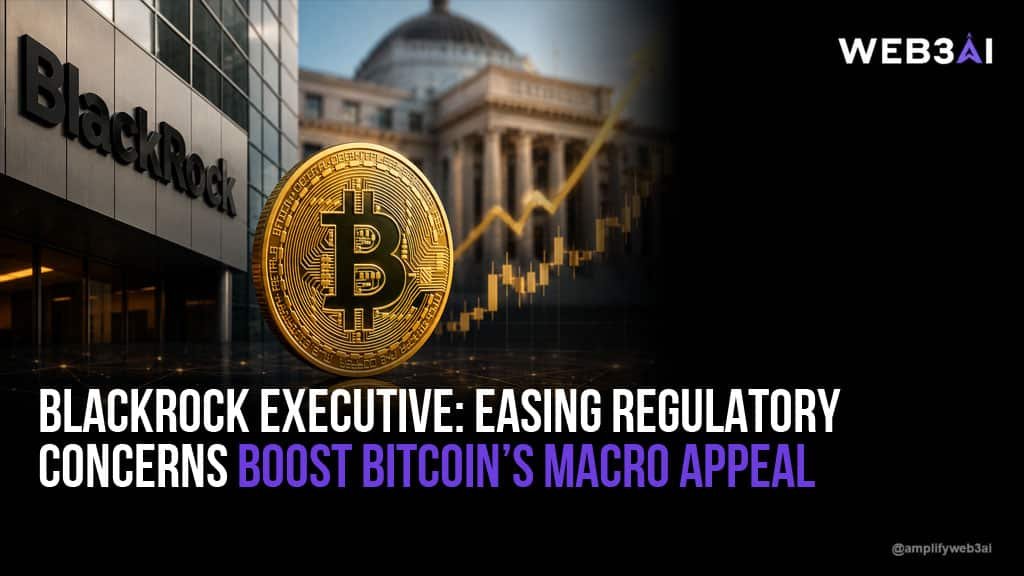

In a recent appearance on CNBC, Robbie Mitchnick, Head of Digital Assets at BlackRock, highlighted a fundamental shift in how global institutional investors view Bitcoin. According to Mitchnick, as regulatory ambiguity gives way to structured legal frameworks, Bitcoin’s core macroeconomic appeal is taking center stage for pension funds, sovereign wealth allocators, and asset managers worldwide.
For years, compliance teams and risk committees at major financial institutions viewed cryptocurrency through a lens of regulatory risk. The key barrier to entry was rarely technological; rather, it was the absence of clear legal guidelines and regulated access vehicles.
That narrative underwent a dramatic shift with the landmark regulatory approvals of spot Bitcoin exchange-traded funds (ETFs) in early 2024. BlackRock’s own product, the iShares Bitcoin Trust (IBIT), rapidly emerged as one of the fastest-growing ETFs in market history, demonstrating massive demand from both institutional and retail sectors.
Mitchnick emphasized that as global regulators transition from enforcement-focused skepticism toward comprehensive compliance frameworks, legal friction points are dissolving. With established custodians, audited financial products, and explicit regulatory oversight, institutional conversations surrounding Bitcoin have shifted from asking “Is this legal?” to “How much should we allocate?”
While short-term price movements often dominate retail headlines, institutional interest in Bitcoin is anchored in its long-term macroeconomic properties:
Mitchnick noted that removing legal uncertainties allows institutional allocators to evaluate these macro fundamentals purely on their financial merits. Rather than treating Bitcoin as a speculative tech equity alternative, wealth managers are examining its non-correlated portfolio benefits.
       Institutional Shift in Bitcoin Perception
┌──────────────────────────────┐     ┌──────────────────────────────┐
│     Historical Friction      │     │      Current Landscape       │
├──────────────────────────────┤     ├──────────────────────────────┤
│ • Regulatory Uncertainty     │ ──► │ • Clear ETF Frameworks       │
│ • Compliance Barriers        │ ──► │ • Reduced Legal Risk         │
│ • "Should we invest?"        │ ──► │ • "How much do we allocate?" │
└──────────────────────────────┘     └──────────────────────────────┘
The arrival of institutional heavyweights like BlackRock, Fidelity, and traditional brokerage platforms has brought deeper market liquidity and structural stability to the digital asset ecosystem. Higher liquidity reduces slippage for multi-million-dollar orders, helping smooth out historical price volatility over extended time horizons.
While debates continue regarding Bitcoin’s short-term correlation with high-growth technology stocks during liquidity contractions, macro strategists increasingly see its long-term thesis as distinct from standard equities.
As global regulatory bodies in Europe, Asia, and North America continue to refine licensing standards for digital asset custodians and providers, institutional participation is poised to expand beyond initial spot ETFs into broader treasury management strategies.