Anouncement

Anouncement

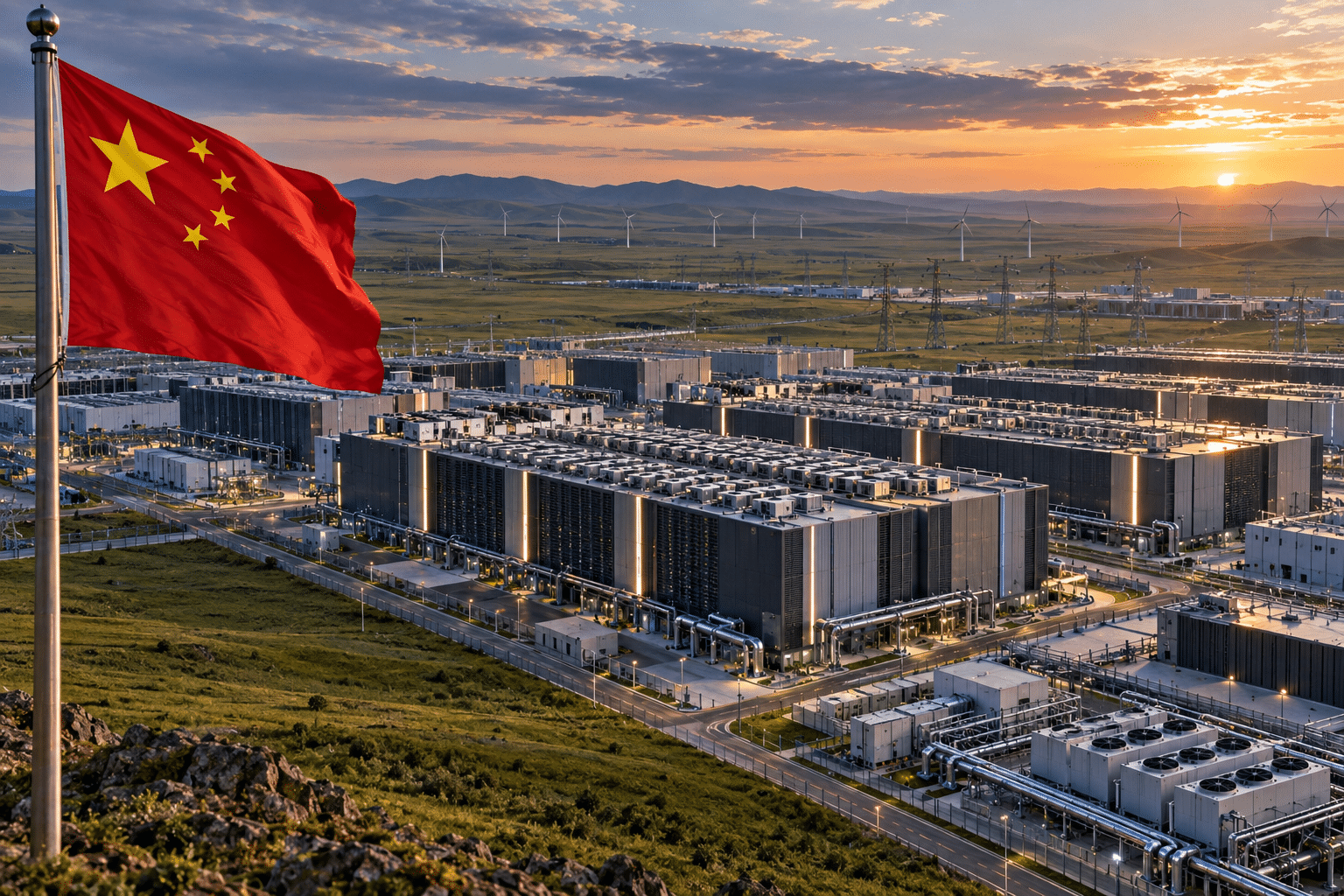
High-capacity data centers power AI infrastructure.. Source: IBM
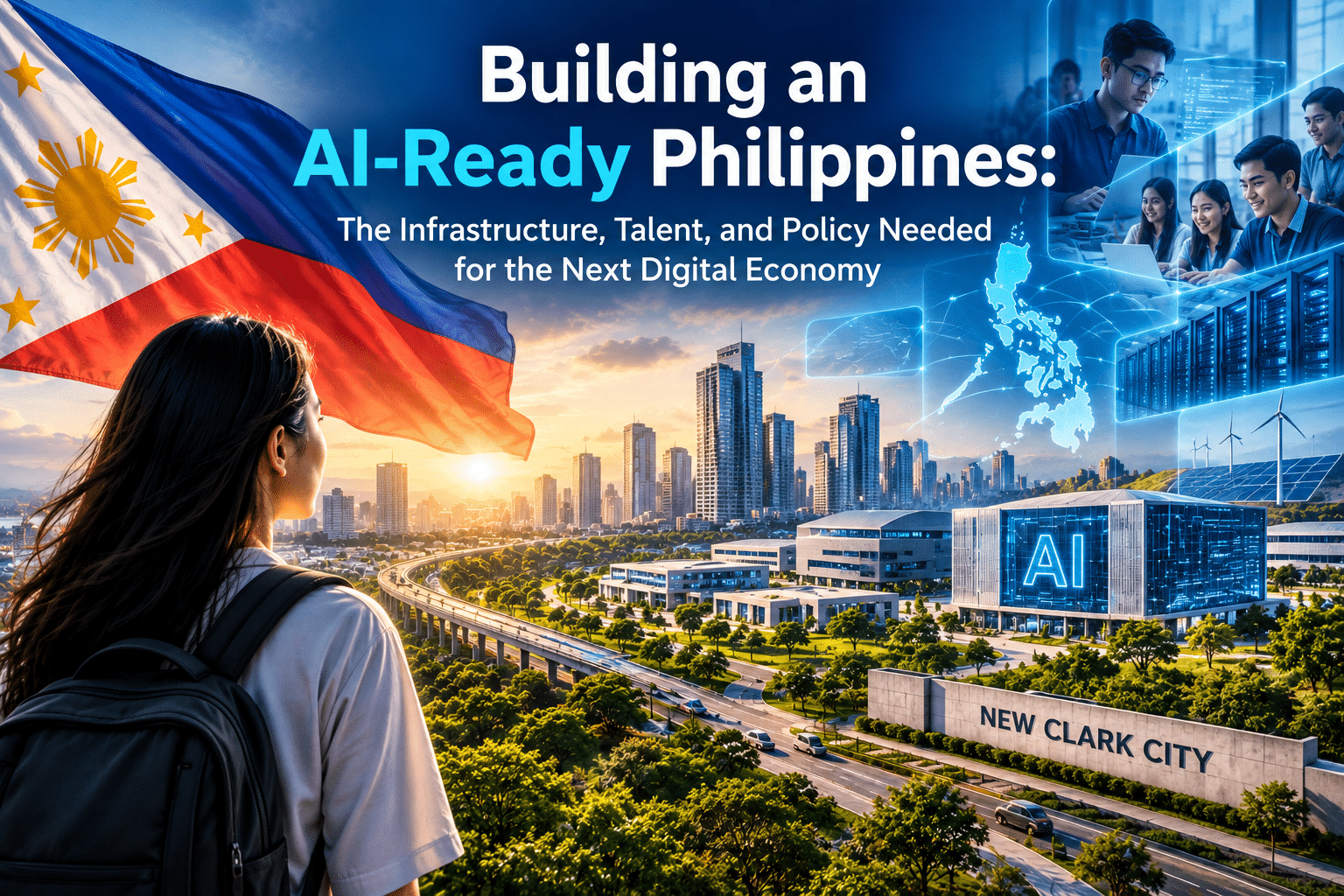
QUEZON CITY, Philippines — In a major push to transform the country into Southeast Asia’s premier digital computing destination, the Philippine government has officially unveiled the final blueprint of the Philippines AI+ Infrastructure Masterplan (PAIIM) 2026–2033.
The USD 34.4-billion roadmap charts a seven-year strategy to scale the country’s high-performance computing facilities, expand regional connectivity, and transition the domestic workforce into high-value artificial intelligence services.
Presented by government officials alongside executives from the Asian Development Bank (ADB) at the Crowne Plaza Manila Galleria, the PAIIM shifts the nation’s digital strategy from merely utilizing imported software to building core computing infrastructure.
“The Philippines aims to be more than a consumer of AI technology. [The Philippines aims] to build, host, power, and support the AI ecosystem of the future,” stated Gemma Baysic, Officer-in-Charge Director of the Department of Information and Communications Technology (DICT) National ICT Planning, Policy and Standards Bureau.
Currently, the Philippines operates a single dedicated AI-oriented data center facility with an installed capacity of roughly 50 megawatts (MW). Under the finalized masterplan, that figure is projected to skyrocket to 1.5 gigawatts (GW) by 2033—a 30-fold increase.
The rollout will proceed in structured phases:
A core bottleneck for global AI data centers is energy availability. Department of Energy (DOE) Undersecretary Maria Francesca Del Rosario emphasized that expanding high-density computing clusters will not compromise residential power access.
To balance power requirements:
Rather than concentrating all data infrastructure in Metro Manila, the masterplan establishes designated geographic hubs across Luzon, the Visayas, and Mindanao:
The country’s existing backbone—comprising 21 international subsea fiber cables and over 95 percent mobile coverage—positions it as an alternative data pathway to regional hubs like Singapore and Malaysia.
According to DICT economic modeling, the $34.4-billion investment program is forecasted to expand Philippine GDP by 10 to 12 percent over the cycle via efficiency gains and new digital exports.
The roadmap projects:
The full strategy document, “Powering the Philippines’ AI-Driven Future,” is available through the DICT’s official ICT Statistics portal.