Anouncement

Anouncement
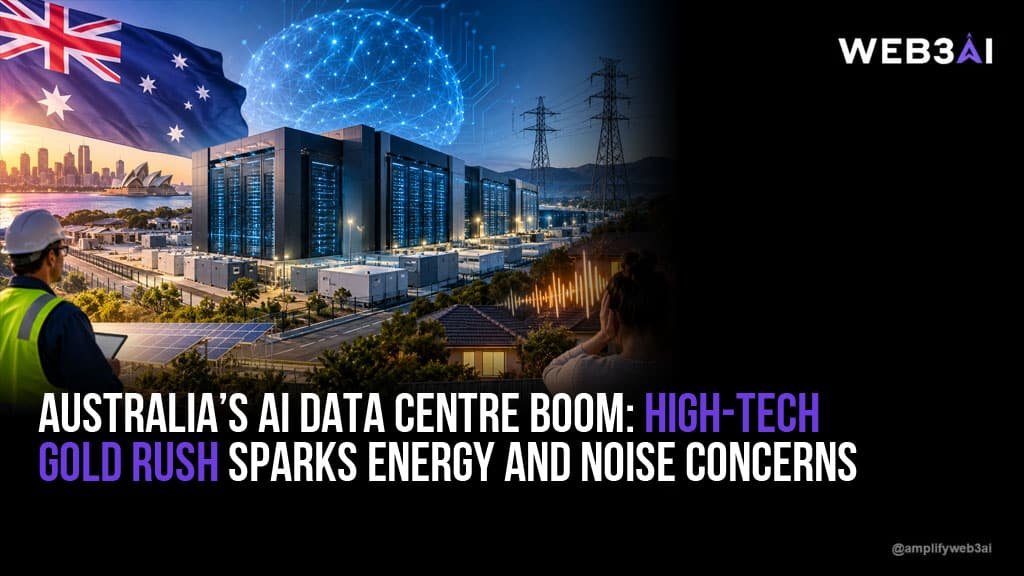

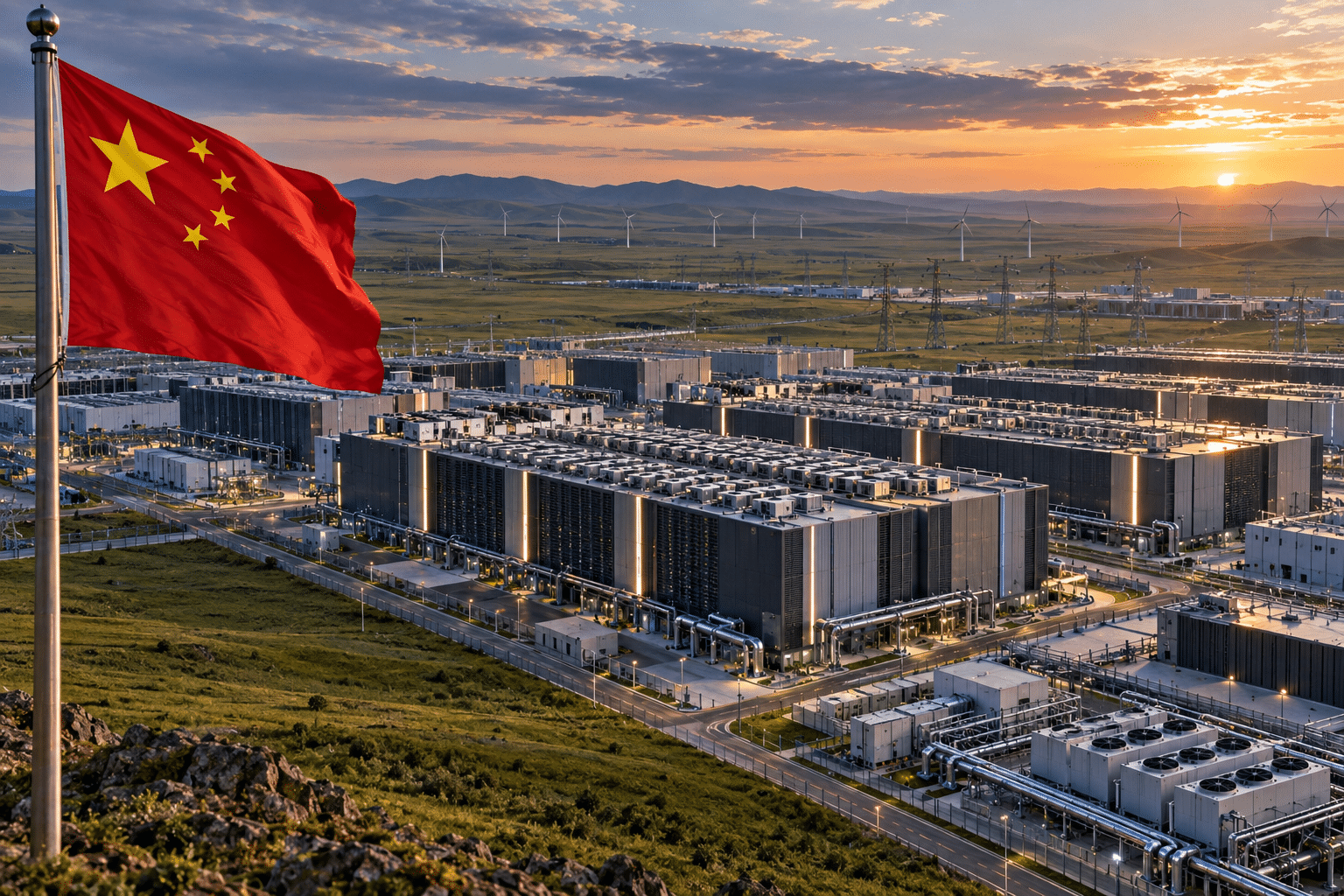
SYDNEY — Australia is rapidly emerging as a global epicenter for artificial intelligence infrastructure, attracting over A$155 billion (£80 billion) in proposed investments. Driven by an abundance of land, natural gas, and renewable energy potential, tech giants and investors are racing to build massive server facilities across the nation.
However, as mega-facilities expand into suburban neighborhoods, local residents, environmental groups, and energy experts are sounding alarms over severe noise pollution, skyrocketing power consumption, and water resource depletion.
Data centres have long served as the backbone of Australia’s digital economy, housing cloud computing services, online banking, and everyday web traffic. However, the global generative AI explosion following the launch of ChatGPT in late 2022 drastically shifted infrastructure requirements.
AI models require immense computational power, continuous cooling, and uninterrupted electricity—far surpassing traditional cloud hosting needs.
Industry leaders have actively championed Australia’s potential. OpenAI CEO Sam Altman previously remarked that Australia holds all the prerequisite resources—land, natural gas reserves, and clean energy potential—to become a global data centre capital.
As developers build facilities closer to urban hubs to minimize data latency, suburban communities are experiencing the immediate side effects of rapid construction.
In Lane Cove, a desirable suburb on Sydney’s lower north shore, residents report a persistent, low-frequency hum that disturbs sleep and daily life. With one facility operating just 350 meters (0.2 miles) from residential homes and four more proposed in a nearby industrial park, local frustration is rising.
The issue is even more pronounced in Western Sydney:
The operational demands of AI facilities extend beyond noise complaints. Power grid stability and environmental sustainability have become major political battlegrounds.
AI Data Centre Resource Footprint:
├── Energy Demand: Continuous, uninterrupted high-voltage power
├── Water Cooling: Millions of liters needed for temperature regulation
└── Grid Pressure: Competition with residential electricity rates
To prevent data centres from driving up household electricity bills or destabilizing the national grid, state and federal energy ministers are evaluating rules that would require new facilities to supply their own dedicated renewable energy sources rather than drawing directly from existing public grids.
Proponents argue that hosting major AI infrastructure secures Australia’s position at the forefront of global technological innovation, creating high-tech jobs and attracting foreign direct investment. Critics, however, argue that data centres generate relatively few long-term employment opportunities relative to their massive land, water, and energy footprints.
As municipal governments face mounting pushback from suburban residents, Australia finds itself at a critical crossroads: deciding how to capture the economic benefits of the AI revolution without sacrificing local quality of life and climate targets.