Anouncement

Anouncement
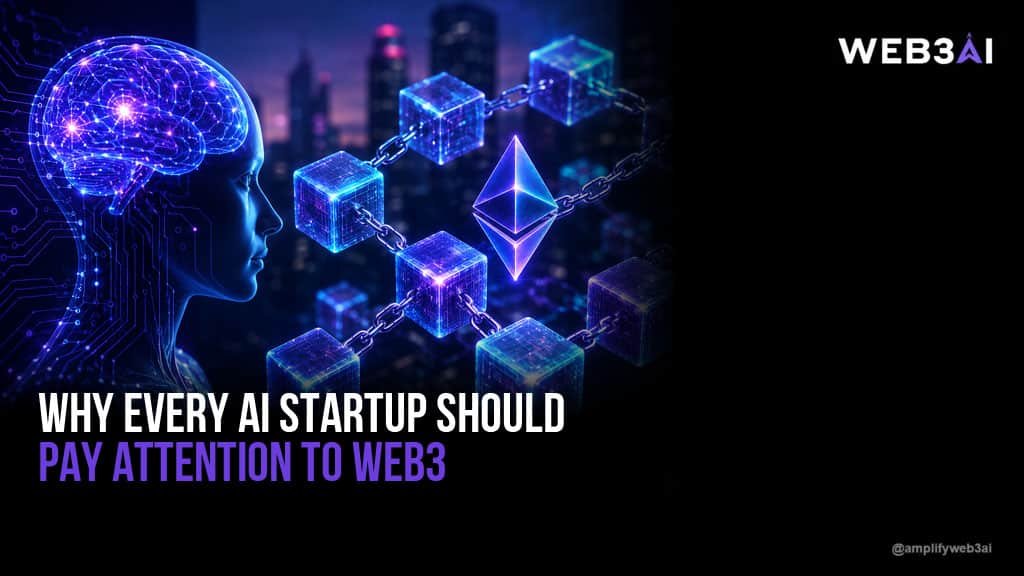

Artificial intelligence has become one of the fastest-growing industries in history. Every week, new AI startups launch tools that write content, generate images, automate workflows, analyze data, create music, and even build software. The pace of innovation is remarkable, but it also introduces new challenges around trust, ownership, privacy, infrastructure, and monetization.

At the same time, Web3 continues to mature. While early discussions focused heavily on cryptocurrencies and speculative assets, today’s Web3 ecosystem is increasingly centered on practical applications such as decentralized identity, tokenized assets, blockchain-based payments, decentralized computing, and transparent data management.
Many entrepreneurs still see AI and Web3 as separate industries competing for attention. In reality, they solve different problems and become significantly more powerful when combined.
For founders building the next generation of AI products, understanding Web3 isn’t optional anymore. It may become one of the biggest competitive advantages in the years ahead.
One of the biggest concerns surrounding artificial intelligence is trust.
Users often ask questions like:
Traditional AI platforms typically rely on centralized databases controlled by a single company. Users must simply trust that the company handles their information responsibly.
Web3 introduces transparency through blockchain technology.
Every important transaction, ownership record, or permission can be verified publicly without requiring blind trust.
Imagine an AI platform where:
This level of transparency builds confidence among customers, businesses, creators, and regulators.
For AI startups trying to establish credibility, trust can become a major competitive advantage.
Today’s internet largely operates on a rental model.
Users subscribe.
Companies control the platform.
Accounts can disappear overnight.
Content can be removed.
Access can be revoked.
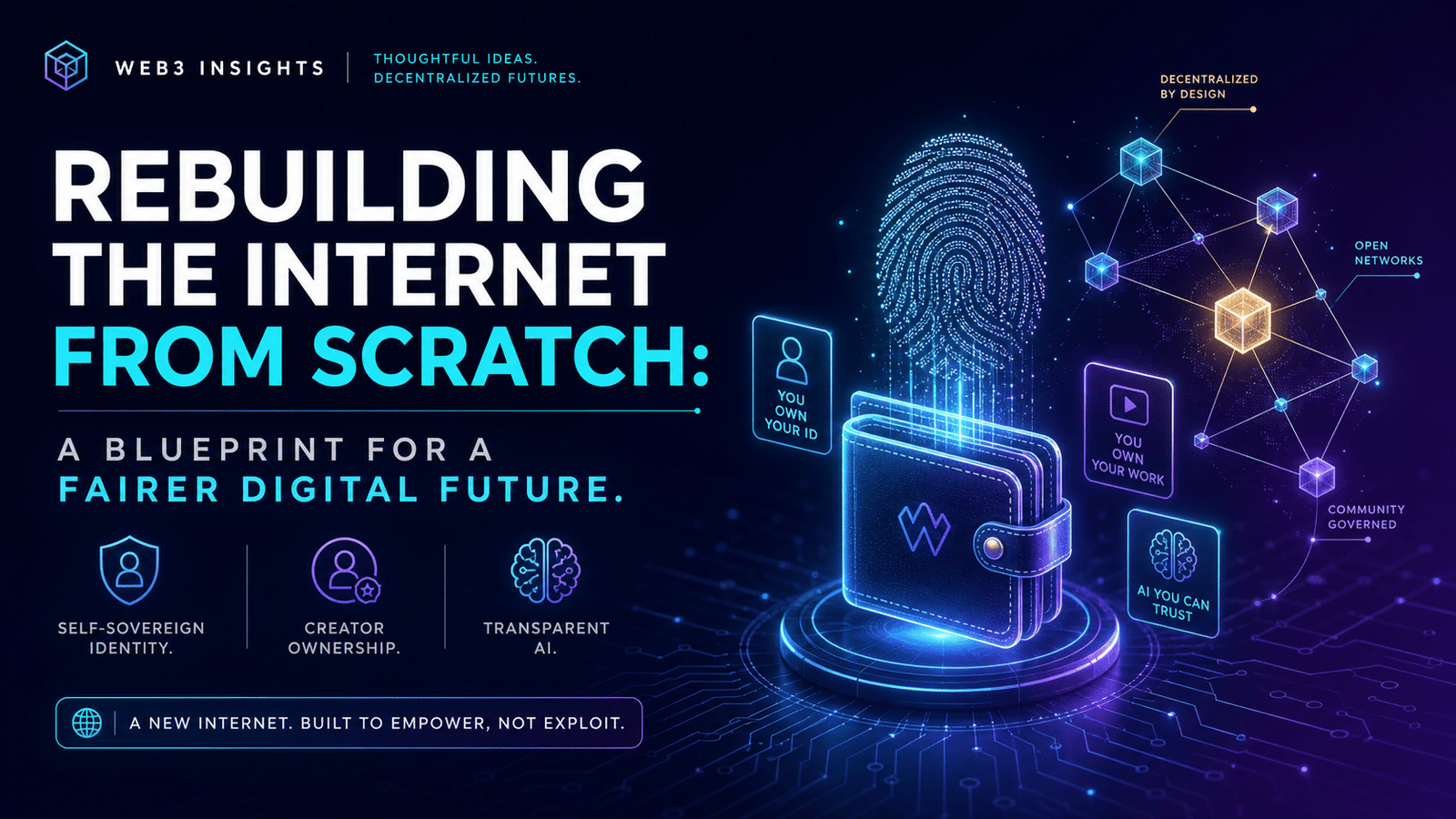
Web3 introduces digital ownership.
Instead of merely using a service, users can actually own digital assets, identities, memberships, credentials, or even a portion of the platform itself.
Imagine an AI design platform.
Rather than simply paying monthly fees, designers could:
Ownership creates stronger communities because users become participants rather than customers.
This changes the relationship between startups and their users.
One challenge every AI startup faces is user acquisition.
Marketing costs continue rising.
Competition becomes tougher every month.
Web3 introduces programmable incentives through tokens.
Instead of relying entirely on advertising, startups can reward valuable behavior such as:
Rather than spending marketing budgets solely on ads, companies can share value directly with contributors.
When incentives align with growth, communities often become much more engaged.
This doesn’t mean every startup needs a cryptocurrency. The important lesson is that digital incentives can motivate participation in ways traditional loyalty programs often cannot.
Artificial intelligence depends on high-quality data.
Unfortunately, obtaining clean, legally usable datasets has become increasingly difficult.
Questions about licensing, copyright, compensation, and consent continue to grow.
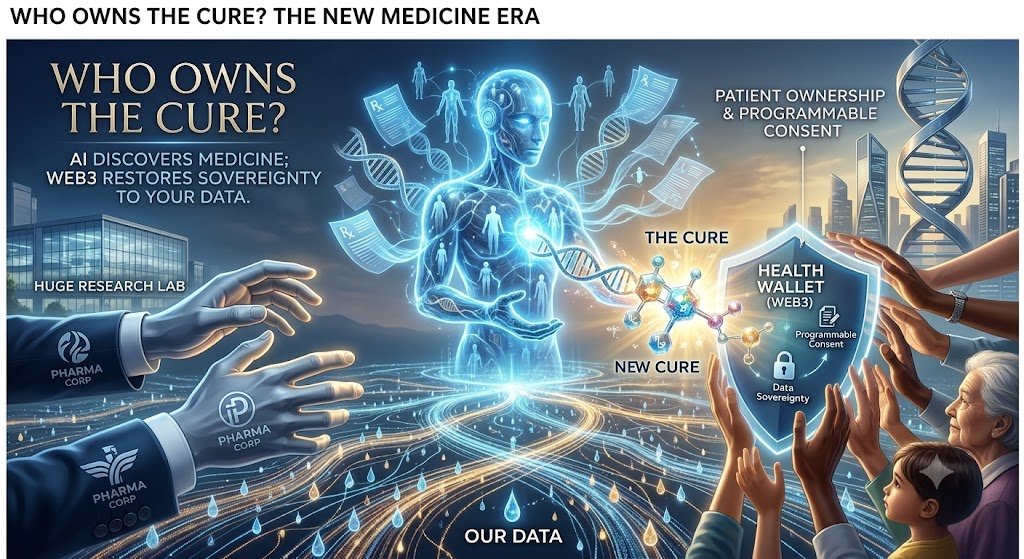
Web3 enables decentralized data marketplaces where individuals retain control over their information.
Instead of giving data away for free, users could:
This creates a healthier ecosystem where both AI companies and data providers benefit.
Ethical AI becomes easier when data ownership is transparent.
Many AI startups depend on centralized cloud providers.
While cloud services offer convenience, they also create risks:
Web3 introduces decentralized computing networks where unused computing power from thousands of participants can contribute to AI workloads.
Although decentralized infrastructure is still developing, it offers interesting possibilities:
For compute-intensive AI applications, diversification may become increasingly valuable.
Traditional payment systems struggle with very small transactions.
Charging one cent—or even a fraction of a cent—is often impractical because payment processing fees exceed the payment itself.
Blockchain-based payments make micropayments much more feasible.
This opens entirely new pricing models for AI startups.
Instead of subscriptions alone, companies can charge users based on actual usage.
Examples include:
Flexible pricing benefits both businesses and customers by lowering the barrier to entry.
Autonomous AI agents are becoming increasingly capable.
Soon, many businesses may rely on AI agents that can:
To operate independently, these agents need secure methods for handling digital payments and ownership.
Web3 infrastructure—including digital wallets, programmable payments, and smart contracts—offers a foundation for machine-to-machine commerce.
Instead of relying on human intervention for every transaction, AI agents could complete tasks automatically within predefined rules.
As autonomous systems evolve, this combination of AI and Web3 may become increasingly important.
Many AI startups launch with global ambitions.
However, expanding internationally often involves complex payment systems, banking requirements, currency conversions, and regional restrictions.
Blockchain networks reduce many of these friction points.
Businesses can:
This is especially valuable for startups operating in emerging markets where traditional financial infrastructure may be less accessible.
Governments worldwide are introducing new rules for artificial intelligence.
Future regulations may require companies to demonstrate:
Blockchain technology naturally creates immutable records.
Instead of manually maintaining logs, startups can automate portions of their compliance infrastructure.
Preparing early could reduce future legal and operational challenges.
Companies that prioritize transparency today may adapt more easily as regulatory requirements evolve.
Creators have become one of the largest customer segments for AI.
They generate:
Yet many creators remain concerned about ownership, attribution, and compensation.
Web3 offers tools that help protect creator rights through:
AI startups serving creators can build stronger ecosystems by incorporating these capabilities into their platforms.
Some of today’s most successful technology companies have built passionate communities rather than relying solely on marketing.
Web3 emphasizes participation.
Community members often become:
For AI startups, community feedback is incredibly valuable.
Users improve prompts.
They discover bugs.
They propose features.
They create tutorials.
They answer support questions.
A community that shares in the platform’s success often becomes one of the company’s greatest assets.
None of this means Web3 is a magic solution.
Several challenges remain.
These include:
Not every AI startup needs its own token.
Not every application requires blockchain.
The key is identifying where decentralization genuinely improves the product rather than adding unnecessary complexity.
Successful founders focus on solving real user problems—not chasing trends.
For years, conversations framed AI and Web3 as competing technologies.
That perspective misses the bigger picture.
Artificial intelligence excels at generating intelligence, automation, and productivity.
Web3 excels at creating ownership, transparency, incentives, and decentralized coordination.
Together, they complement one another.
Imagine future applications where:
These ideas are rapidly moving from theory toward practical implementation.
Artificial intelligence is transforming how we create, work, and solve problems. Web3 is redefining how we own, verify, exchange, and coordinate digital value. Rather than viewing these technologies as separate movements, forward-thinking founders should see them as complementary building blocks for the next generation of internet applications.
For AI startups, paying attention to Web3 isn’t about following hype or adding blockchain features for marketing purposes. It’s about recognizing where decentralization can solve real business challenges—from transparent data management and creator ownership to borderless payments, programmable incentives, and autonomous AI agents.
The startups that thrive over the next decade are likely to be those that combine AI’s intelligence with Web3’s trust and ownership models. By integrating these technologies thoughtfully, founders can build products that are not only smarter, but also more transparent, resilient, and user-centric.
As the digital economy evolves, the question may no longer be whether AI and Web3 should work together. Instead, it may become how effectively startups can leverage both to create experiences that users trust, value, and actively participate in. Those who begin exploring that intersection today will be better positioned to shape the future of technology tomorrow.