Anouncement

Anouncement

For Audio, click HERE
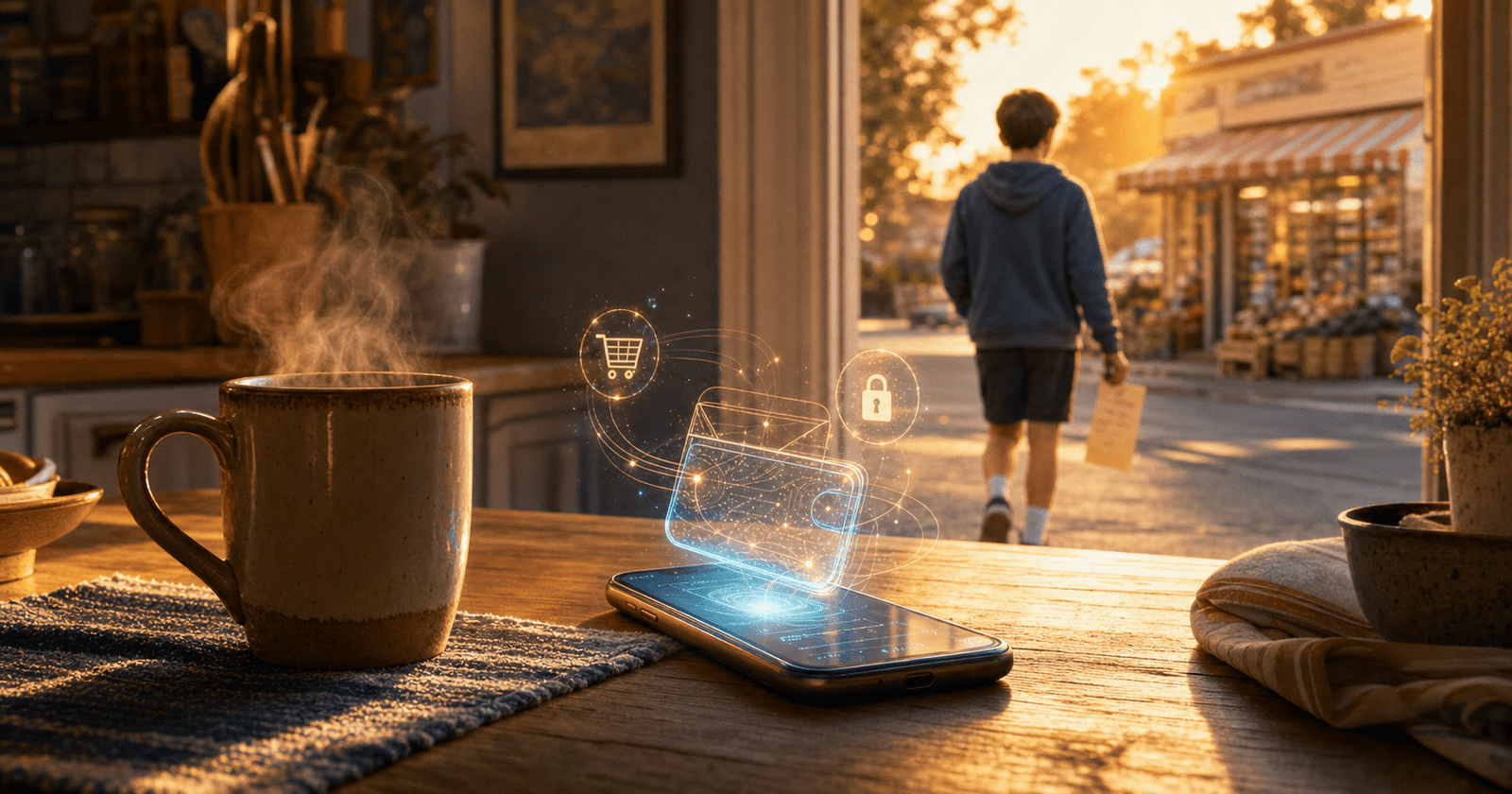
Pull up a chair. Pour the coffee. Let me tell you about the day I sent my son Nathan to the nearby store.
He was 7. I handed him twenty bucks, wrote 1 liter heavy whipping cream, 1 loaf sourdough on a scrap of paper, and sent him 2 blocks down. He came home with chocolate milk, a bag of chips, two lemond drinks, and eleven cents.
He wasn’t lying. He wasn’t stealing. He just met a very persuasive endcap display and a cashier who said “these are on sale,” and his nine-year-old brain did the rest.
I laughed. Then I paid for the chips, because that’s what moms do.
I’ve been thinking about that afternoon constantly, because in 2026 we all have sweet cute kids now. We’re handing our AI assistants our credit cards .
A while back I published a blog asking what would happen when AI agents got their own crypto wallets. Back then it was a “what if.” It isn’t anymore.
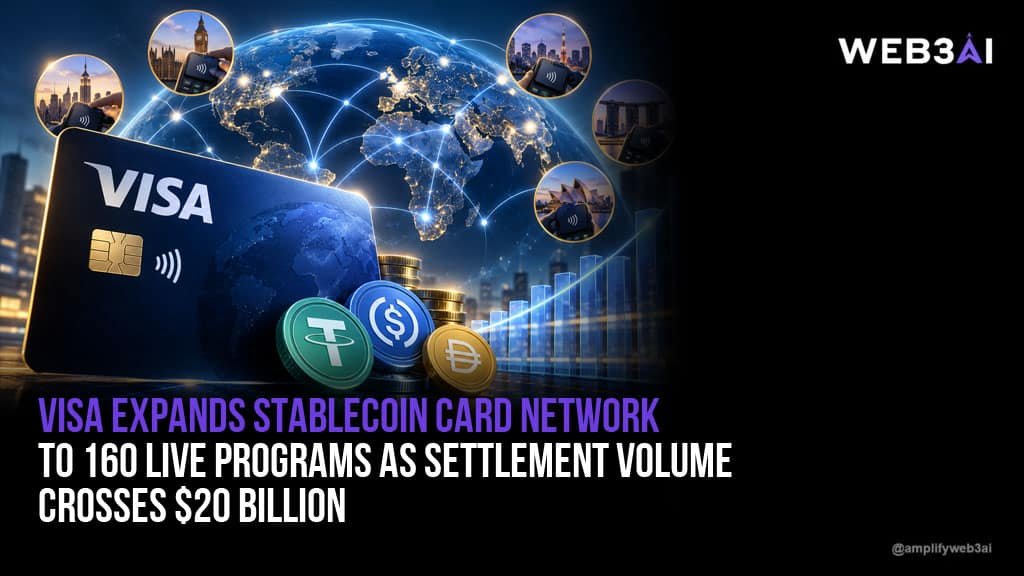
In September 2025, Google announced the Agent Payments Protocol with more than sixty launch partners including Mastercard, PayPal, American Express, Coinbase, and Salesforce. Alongside it came an extension built with Coinbase, the Ethereum Foundation, and MetaMask so agents could pay in crypto over the same rails. By April 2026, Google had donated that entire protocol to the FIDO Alliance — the same standards body behind passkeys — so no single company would own the plumbing. Coinbase’s own standard, x402, went to production and now runs with integrators including Anthropic, Cloudflare, and Stripe.[blog][presenc][eco][cloud.google]
Software can now hold money and spend it on your behalf, and the payments industry has agreed on how to let it.
The old internet was a vending machine. You put in your money, you pressed B4, you got exactly B4. Slow, sometimes annoying, but there was never any confusion about who chose the Snickers.
The new internet is my son with twenty bucks and a list. Faster. Genuinely helpful. And interpreting.
Is anyone actually using this yet? More than you’d think, and less than the headlines suggest. Both are true, and I refuse to hand you only the half that sounds exciting.
The real side: over the 2025 holiday season, AI influenced $262 billion in global online spending, and shoppers arriving from AI search converted at nine times the rate of social media traffic while spending 38% more time on site. Adobe found AI-driven retail visits now convert 60% higher than traffic from other sources. Salesforce forecasts that 20% of 2026 holiday e-commerce traffic will come from AI chat agents. Anthropic released agent blueprints for retailers just this week, heading into exactly this holiday season.[kentucky][shop-eat-surf-outdoor][reuters]
The honest side: AI-driven traffic is still under 1% of total retail visits. And of the top 1,000 US retailers, only 225 have even a detectable endpoint for the emerging protocol agents use to read store catalogs.[flagshipadvisorypartners][kentucky]
This is a tsunami you can currently step over. Which is precisely why now is the moment to learn to swim — not next December, when your feet don’t touch the bottom.
Remember the endcap display that got him? Now imagine it was designed by someone who knew exactly how his brain worked.
That’s the real security story of 2026, and it has a name: prompt injection.
An agent browsing the web reads everything on a page, including hidden instructions a bad actor planted there. Palo Alto Networks’ Unit 42 documented the pattern precisely: a shopping agent visits an attacker’s site to “check for discounts,” and the injected text quietly rewrites the agent’s memory and steers every decision after that.[unit42.paloaltonetworks]
Legal analysts have already catalogued the resulting scams, and they’re painfully familiar in new clothes:[jdsupra]
This is not theoretical. Visa’s threat researchers measured a 25% rise in malicious bot-initiated transactions over six months, and 40% in the US — and Visa now maintains an “Agentic Directory” of agents and merchants it has verified.[forbes]
Here’s the analogy I keep circling back to. A human con artist has to fool you one at a time, and eventually he gets tired and goes home. An injected instruction fools every agent that reads that page, forever, and never sleeps. We didn’t get one new pickpocket. We got a pickpocket that can be copy-pasted.
I paid for my son’s chips. Nobody argued, because he was seven and I was the mom.
The grown-up world is deciding this exact question right now with real money on the line, and honestly? The answers are more reassuring than the fear suggests.
American Express has said it will back Card Member purchases made by AI agents — on three conditions: the agent must be registered on its network, the customer must be authenticated, and the agent must transmit authenticated purchase intent with the transaction. Read that again, because it’s an entire philosophy of safety compressed into one sentence: identity, permission, proof.[forbes]
And the UK’s Competition and Markets Authority told businesses something beautifully simple — the same consumer law applies whether a customer deals with a human or an AI agent, and the business stays responsible even when a third party built the agent.[forbes]
Meanwhile the money rails themselves are being formalized. The GENIUS Act, America’s first federal stablecoin framework, was enacted in July 2025, with the OCC issuing its proposed implementing rule in February 2026 and the law taking effect no later than January 18, 2027. Translation: the digital dollars these agents will spend are being pulled inside the regulatory perimeter. Slower than crypto Twitter wanted. Far more durable.[eco][occ][federalregister]
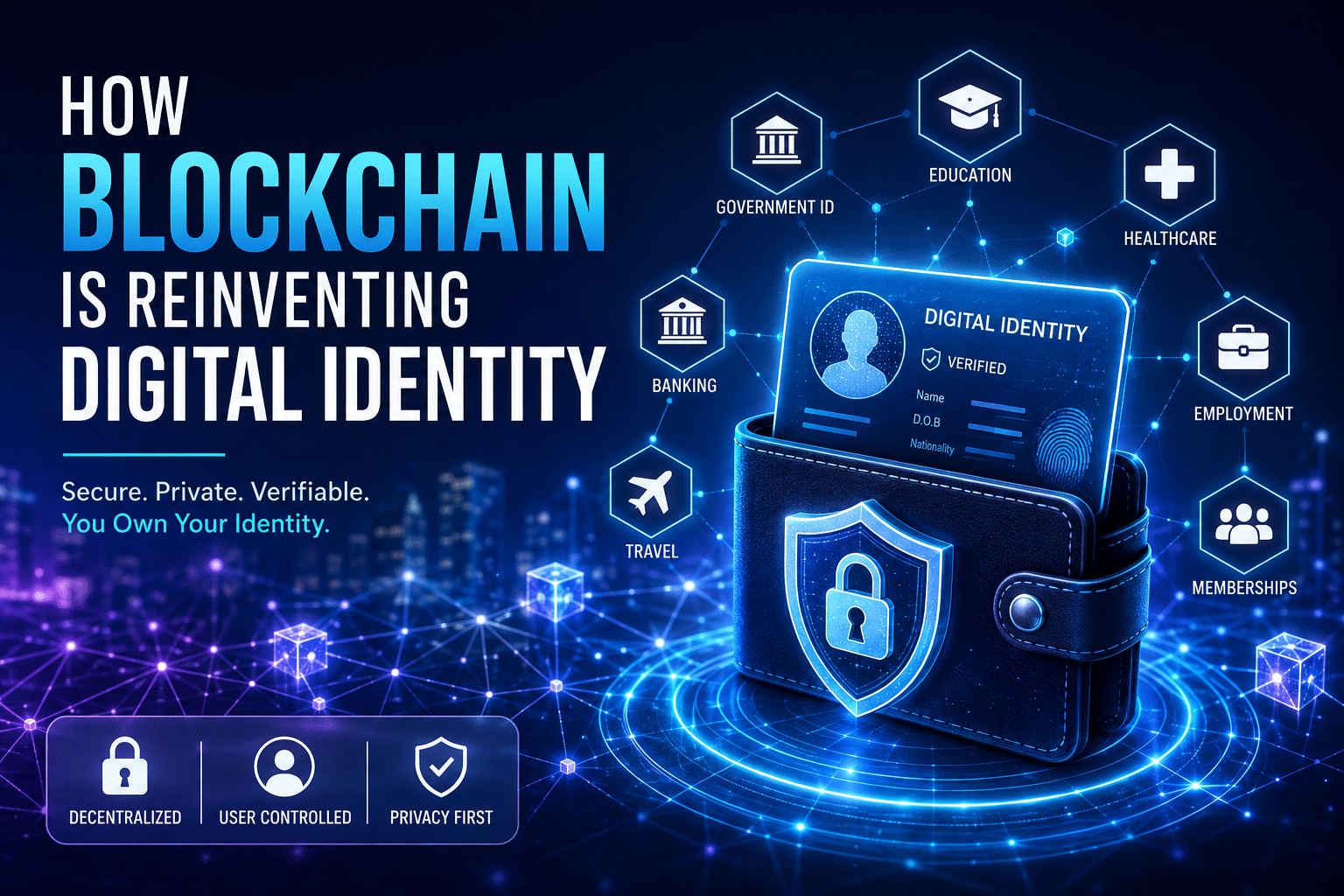
Two quiet standards deserve your attention, because they’re building the ID cards for this new world.
In Europe, every member state must offer a Digital Identity Wallet by December 24, 2026. Honest caveat, and I’d rather you hear it from me than from a hype account: independent assessors reviewing all 27 states rated only three as near-certain to hit that date, five very likely, eight likely-with-real-uncertainty, seven “might,” and four unlikely. The direction is real. The timeline is human.[namirial][trinsic]
For creators like us, there’s Content Credentials — that tamper-evident “nutrition label” for media I’ve written about before. Think of it as the care tag sewn into the seam of a handmade garment: who made it, with what, altered how. Five years in, more than 6,000 members and affiliates have live implementations, the Google Pixel 10 shipped with support that put provenance into millions of pockets, and in July 2026 TikTok upgraded to the C2PA Steering Committee. But note the weak point, because it affects your actual workflow: uploads, screenshots, and exports can strip that metadata, so a missing credential is a signal, not proof of fakery.[c2pa][c2pa][contentauthenticity][eyesift]
1. Give your kids a smaller twenty. Before you let any agent transact, set spending caps and require confirmation above a threshold. Never connect your primary account. One card, one small limit, one purpose.
2. Learn the three magic words: registered, authenticated, intent. Amex’s conditions double as your consumer checklist. Ask any agentic shopping tool: are you a verified agent, does the merchant verify me, and is my authorization actually recorded? No clear answer means no card.[forbes]
3. Keep the receipts. Screenshot your instruction, save the confirmation, note the date. When something goes wrong, being able to show with evidence that it wasn’t you is the whole game.[forbes]
Awareness ==> Small Action ==> Empowerment ==> True Ownership.
I’m not asking you to be afraid of this. My son is nine now, and last month he did my grocery run without a single bag of chips. Delegation isn’t the danger. Unsupervised delegation is.
You don’t need to code. You don’t need to gamble on tokens. You need to know that your assistant now has pockets — and that you are still the one who decides what goes into them.
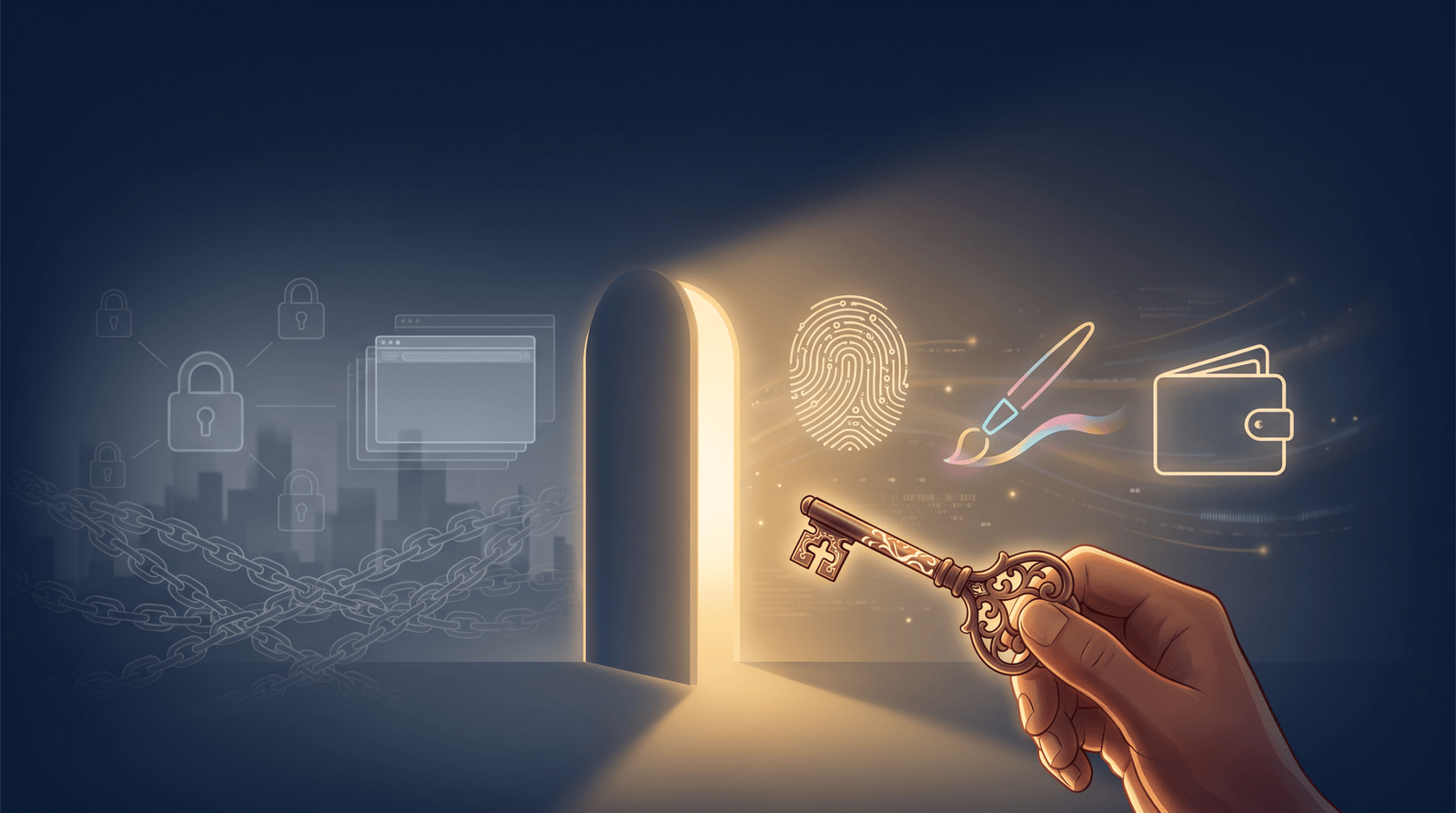
Own your keys. Cap your cards. Learn one new concept.
Then go pour that second cup. You’ve earned it.
Always remember, stay curious, stay grounded and stay human.