Anouncement

Anouncement
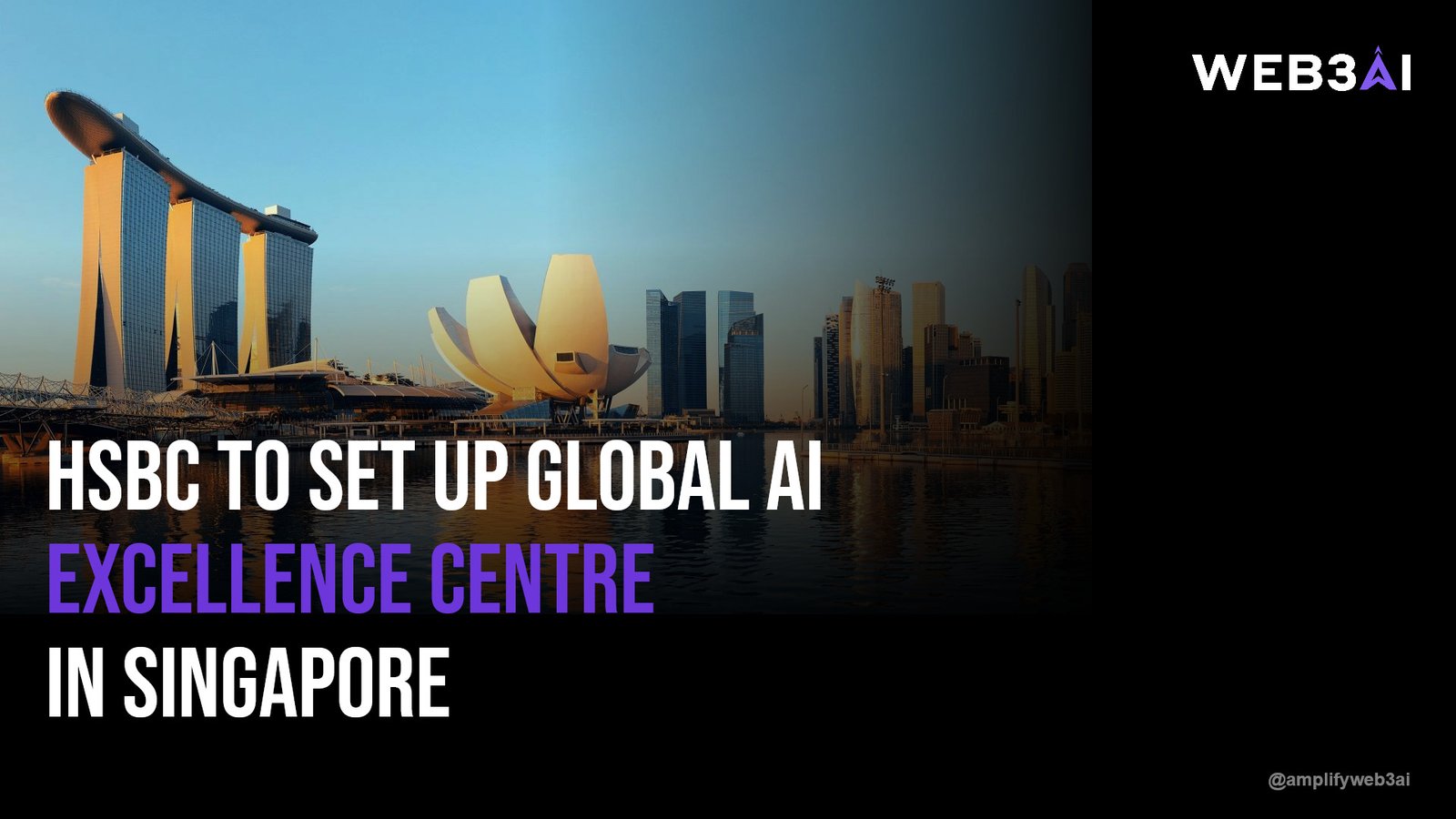

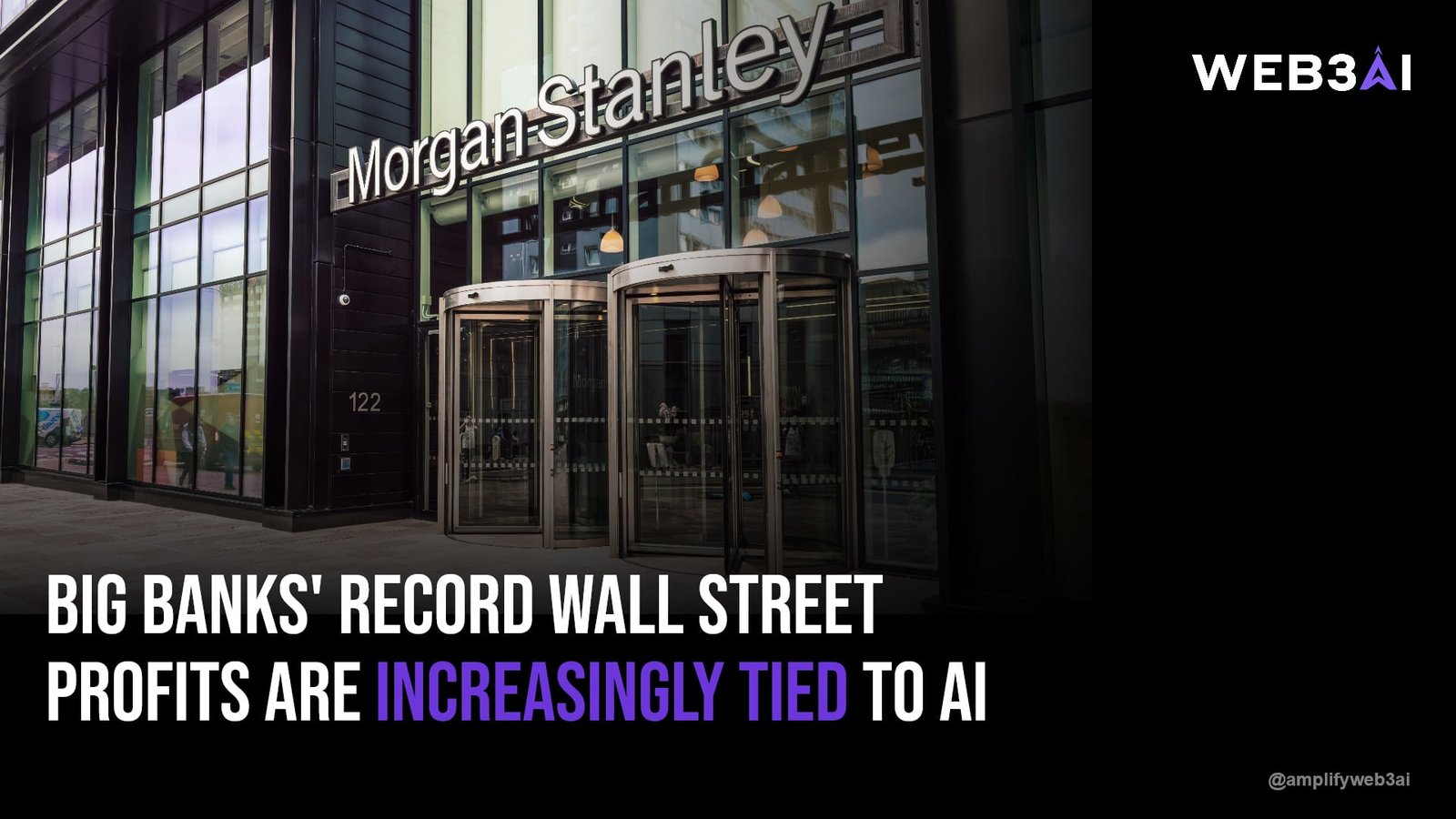
The AI in banking industry conversation just got a lot more real. HSBC, one of the world’s largest financial institutions, recently announced the creation of a new Global AI Excellence hub aimed at scaling artificial intelligence across its operations worldwide. This isn’t a small pilot program — it’s a signal that traditional finance is betting big on AI as a core infrastructure layer, not just a support tool.
Financial institutions are under pressure to modernize faster than ever, as customer expectations shift and fintech competitors move quickly. If you’ve ever felt frustrated waiting on a bank’s slow app update or clunky chatbot, you already understand the pain point HSBC is trying to solve.
In this post, we’ll break down what HSBC’s AI move actually means, why it matters beyond the banking sector, and how businesses of any size can apply similar thinking to their own AI strategy.
HSBC’s new AI hub is designed to centralize AI research, development, and deployment across its global branches. Instead of each regional office building its own AI tools in isolation, the bank wants a unified system that scales efficiently. This is a common challenge in large organizations — fragmented AI efforts often waste resources and create inconsistent customer experiences.
The hub will reportedly focus on fraud detection, personalized customer service, and internal risk modeling. These are areas where AI in the banking industry has already shown measurable results, cutting processing times and improving accuracy compared to manual review.
Banks have used automation for decades, but the shift toward generative and predictive AI is different. It’s not just about speeding up back-office tasks anymore — it’s about creating smarter, more adaptive systems that learn from customer behavior in real time.
Regulatory pressure is also pushing banks to adopt AI in the banking industry more responsibly. Compliance teams now use AI to flag suspicious transactions faster than any human team could manage manually. This dual pressure — competition and compliance — is why so many institutions are investing heavily right now.
If you want a broader look at how this trend extends beyond banking, our post on how AI is transforming financial services covers similar shifts happening across insurance, lending, and investment platforms.
Large-scale AI adoption doesn’t happen with just one tool. Banks like HSBC typically combine several categories of technology to build something like an “AI Excellence” center.
Smaller businesses don’t need HSBC’s budget to start experimenting with similar tools.
Pro Tip: Start small with one AI use case, like customer support automation, before scaling into more complex predictive systems.
It’s worth asking: does traditional banking’s AI push threaten or complement Web3? At amplifyweb3.ai, we see it as complementary. Centralized institutions adopting AI in the banking industry validates the broader shift toward intelligent, automated financial systems — the same principle driving smart contracts and decentralized applications.
If you’re new to how these two worlds intersect, our beginner’s guide to Web3 and AI integration is a great starting point. It explains how decentralized systems can borrow lessons from centralized AI adoption, and vice versa.
Pro Tip: Watch how banks structure their AI governance — decentralized projects can learn a lot from their compliance-first approach.
You don’t need to be HSBC to benefit from these trends. The core principles — centralizing data, automating repetitive decisions, and personalizing customer experience — apply to almost any business model.
This methodical approach mirrors what large banks are doing, just at a smaller and more affordable scale.
Despite the optimism, AI in the banking industry isn’t without friction. Data privacy regulations vary by country, making global rollouts complicated. Legacy IT systems inside older banks also slow down integration significantly.
There’s also the human factor — employees worried about job security often resist new AI systems. Successful rollouts, including HSBC’s, tend to pair technology adoption with clear internal communication about how roles will evolve, not disappear.
AI in the banking industry is primarily used for fraud detection, customer service automation, credit risk assessment, and personalized financial recommendations. Many banks also use it internally for compliance monitoring and operational efficiency.
HSBC created the hub to centralize its AI development efforts across global markets instead of running fragmented regional projects. This allows for faster deployment, consistent quality, and shared learning across teams.
Reputable banks follow strict regulatory frameworks around data privacy and security when deploying AI systems. However, risks still exist, which is why compliance and governance remain central to any responsible AI rollout.
Small businesses benefit indirectly through faster loan approvals, better fraud protection, and more personalized banking products. Many AI tools once exclusive to large banks are now accessible to smaller companies as well.
AI is more likely to shift job roles than eliminate them entirely. Employees increasingly focus on oversight, strategy, and customer relationships while AI handles repetitive or data-heavy tasks.
HSBC’s move toward a centralized AI hub reflects a broader shift happening across the AI in banking industry landscape. Financial institutions are no longer treating AI as an experiment — it’s becoming core infrastructure. Whether you run a small business or you’re building in Web3, the lessons from this shift apply broadly: centralize smartly, automate thoughtfully, and always keep the human experience in focus.
Explore what we have built at attn.live.