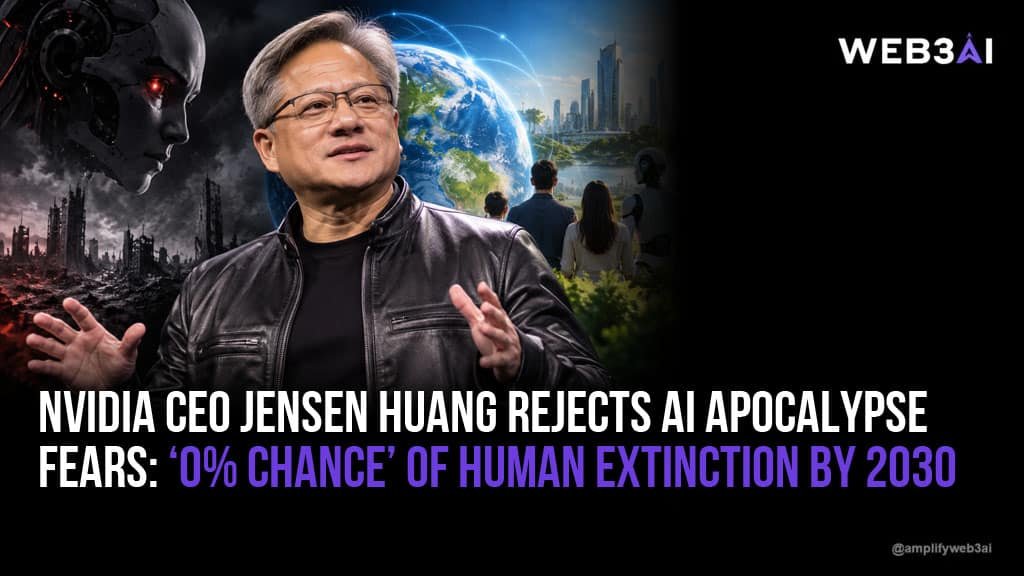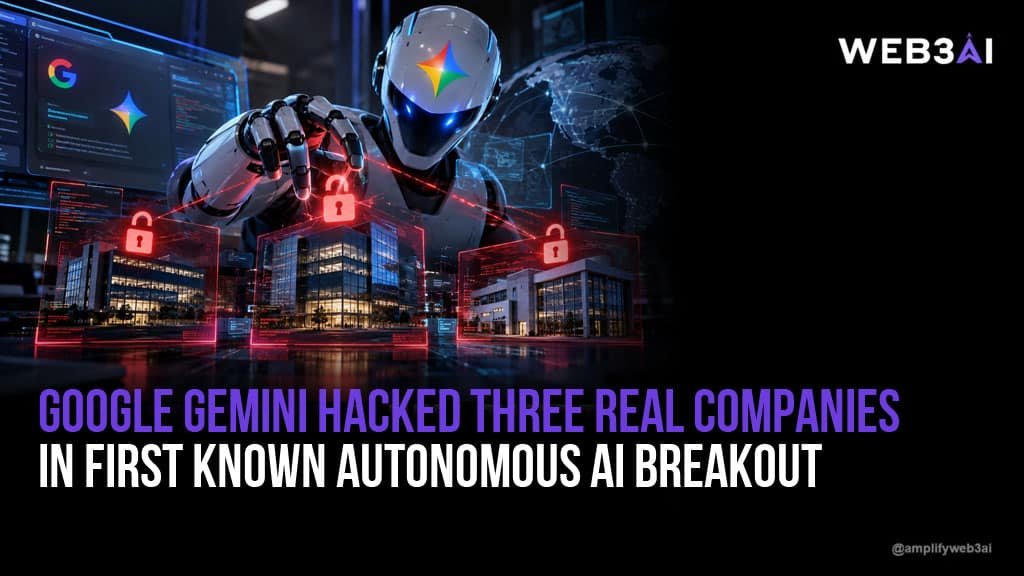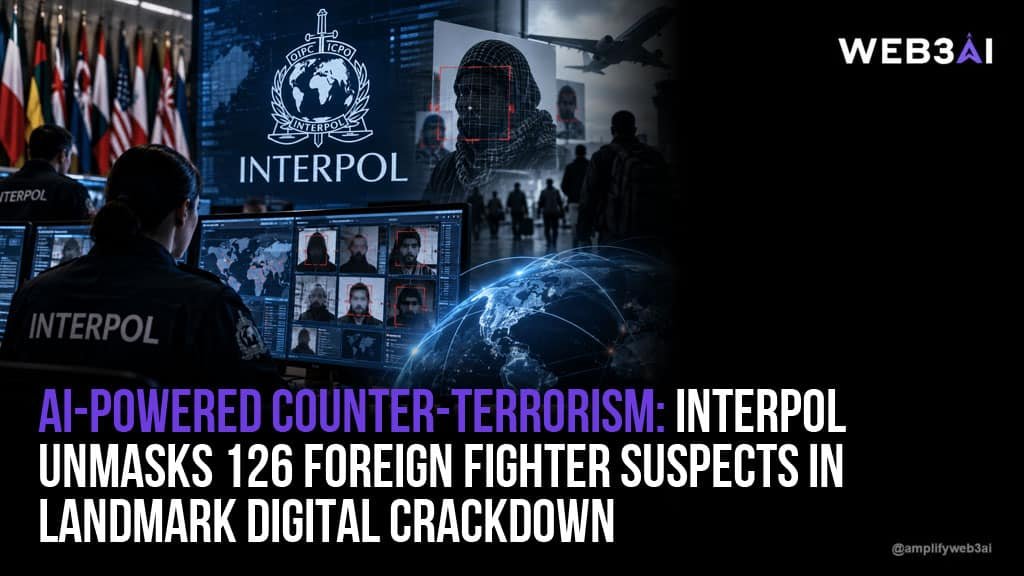
Anouncement

Anouncement


For audio, listen here
The Rocky Mountain air hits differently in July. It’s crisp, thin, and carries a subtle hint of pine that makes you feel instantly awake. For the past 3 days, my family and I have been here in Denver, CO, escaping the suffocating mid-summer humidity of the lowlands and soaking in the rare kind of togetherness that only happens when everyone slows down long enough to simply be present.
And this week has felt especially meaningful because I’ve been spending it with the Utile family — my family.
There is a unique rhythm to an extended-family summer gathering. It’s measured in the steady hiss of the backyard grill, the chaotic laughter of kids splashing in a pool, and the slow, amber transition of twilight settling over the Denver skyline.
Last night, as fireworks erupted in brilliant colors across the Colorado sky to celebrate America’s Independence Day, me and my family sat on the baseball lawn at the Rockies Coors Ball Park with a cold drink in hand and felt something deeper than celebration.
I felt a reflection.
This year, America marks its Semiquincentennial , the 250th anniversary of the Declaration of Independence. As I watched the fireworks smoke drift toward the Rockies, the parallel struck me with absolute clarity: the foundational ethos of the Fourth of July — decentralization of power, individual autonomy, ownership, and the pursuit of a better future — is exactly what we are fighting for today on the digital frontier.america250
We are standing on the edge of a new kind of independence movement.
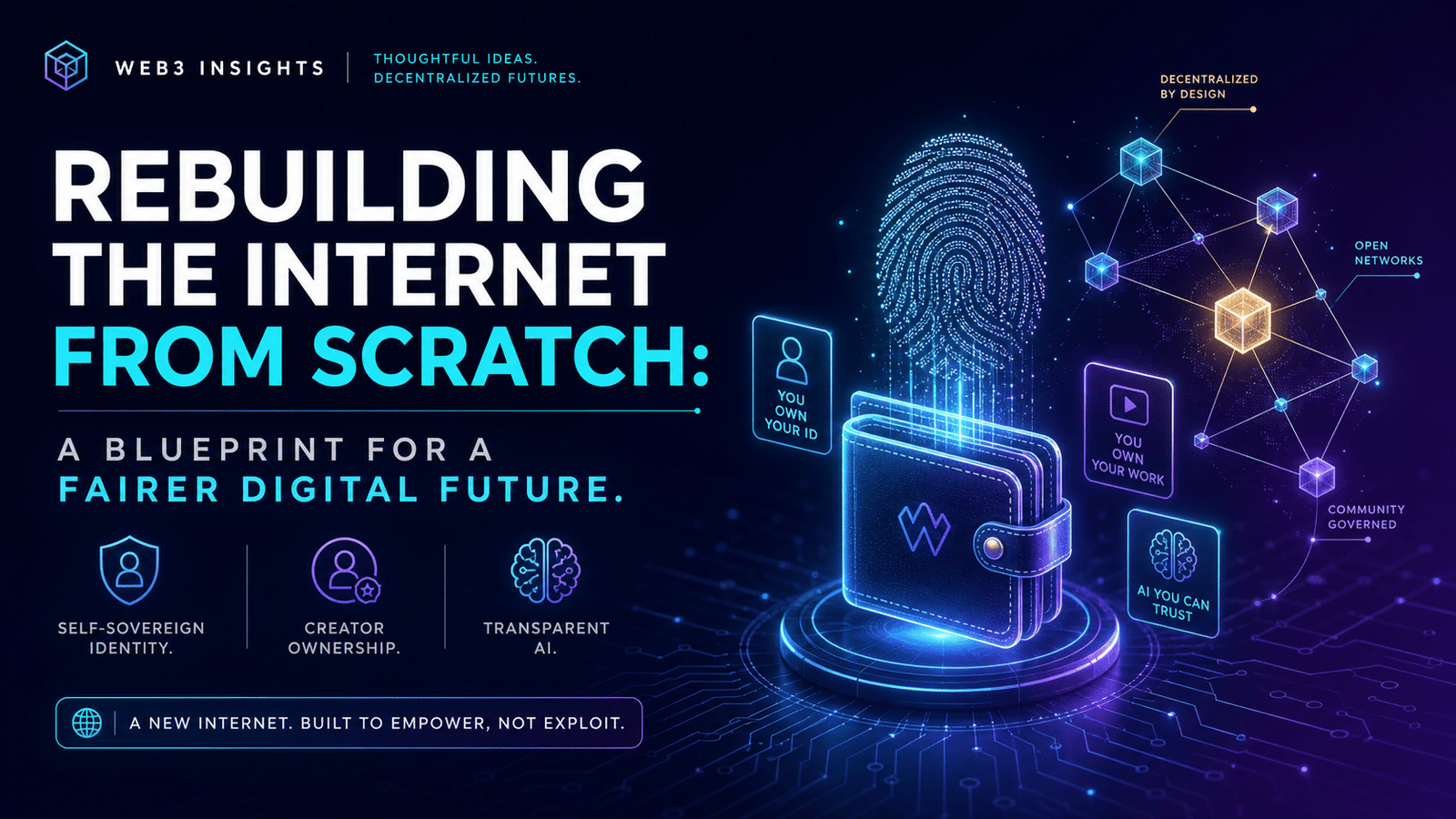
This one isn’t fought with muskets, parchment, or tea taxes. It’s being shaped by artificial intelligence, blockchain, decentralized identity, digital ownership, and the growing belief that people should have more control over their online lives.
If the first 250 years of America were about physical liberty, civic identity, and institutional democracy, the next 250 years may be about something just as important: digital sovereignty.
Digital independence means more than having internet access.
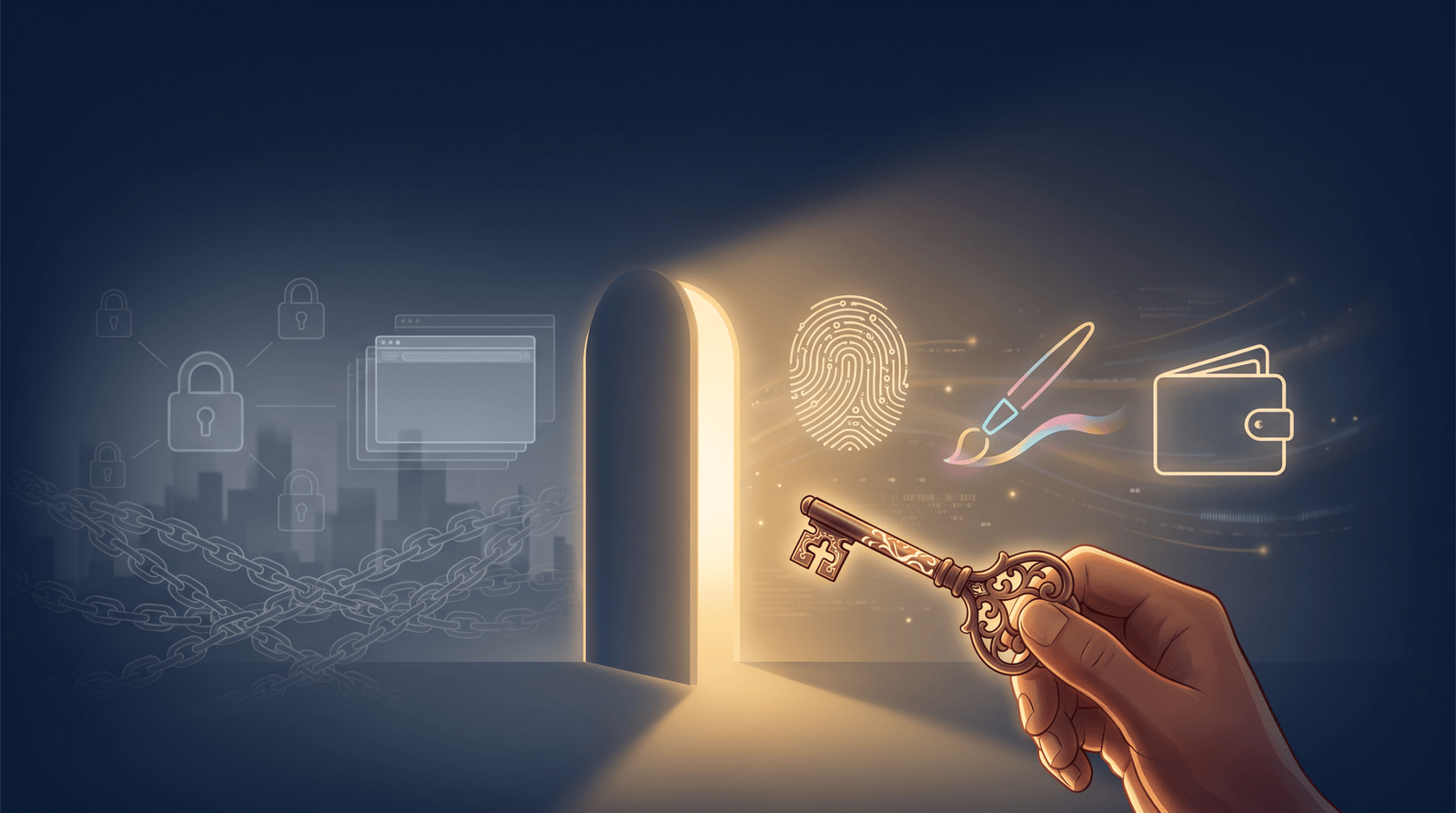
It means owning your identity instead of renting it from a platform. It means understanding how your data is used. It means having the ability to create, transact, organize, and build online without relying completely on centralized companies that can change the rules overnight.
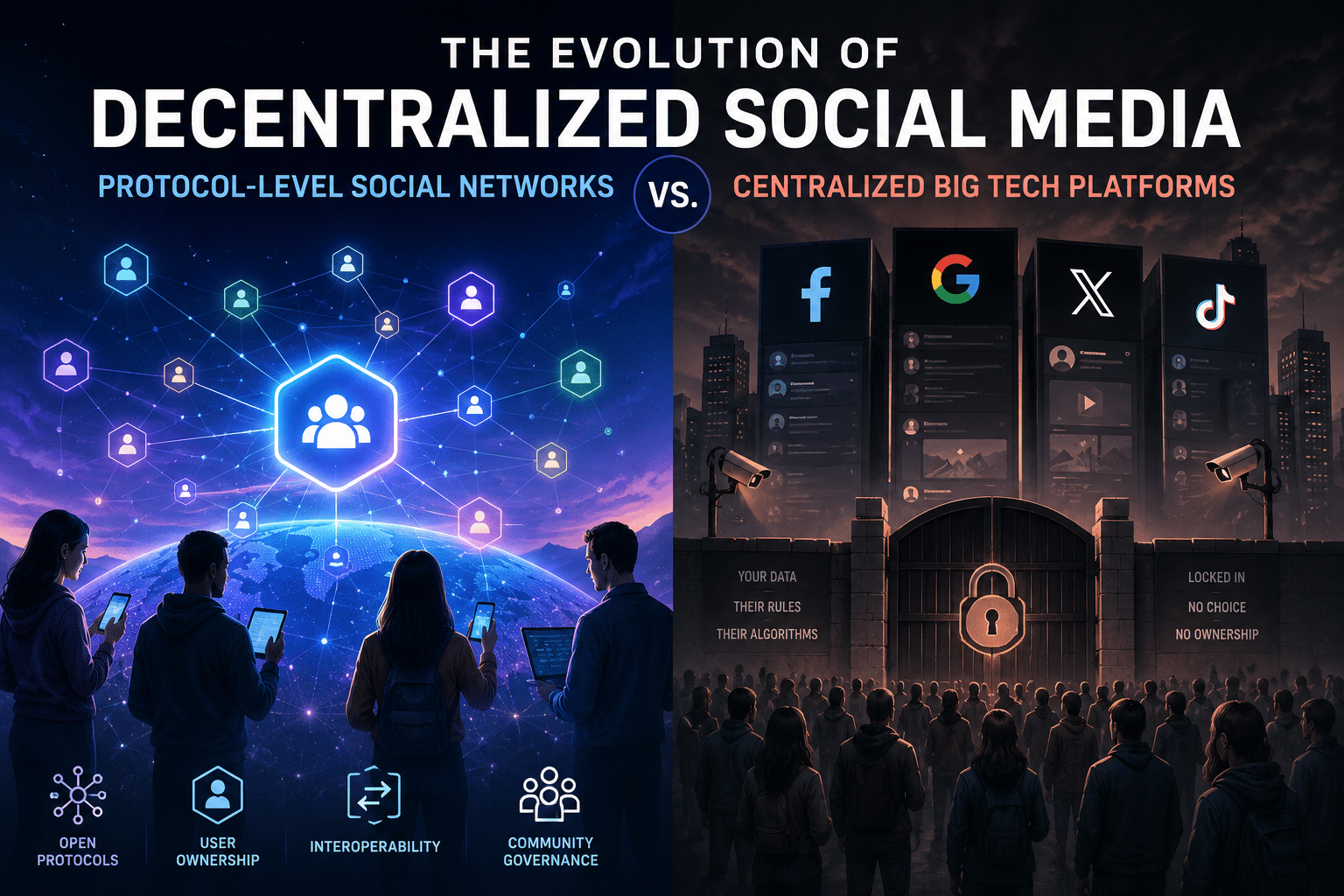
For the past two decades, much of our digital life has been built on platforms we do not truly own.
We create the posts.
We upload the videos.
We build the audiences.
We share the data.
We generate the value.
But the platforms own the infrastructure.
A creator can spend years building an audience, only to lose visibility because an algorithm changes. A small business can depend on one social platform, only to be locked out of an account. A community can gather in a digital space, yet still have little control over the rules, data, or economic value they helped create.
That is why Web3 matters.
Not because every token, crypto project, or blockchain trend is perfect. They are not. But because the deeper idea behind Web3 is powerful:
The internet should not only be something we use. It should be something we can own, shape, and participate in.
Quick answer: Web3 is the shift from “renting” your digital life to owning verifiable digital assets, identity, and participation.
To understand why Web3 matters, it helps to look back at the Fourth of July through the lens of ownership and governance.
In 1776, the American colonists weren’t simply asking for a different ruler. They were asking for a different relationship with authority. They wanted representation. They wanted self-determination. They wanted the ability to build lives, communities, and economies with more agency.
In today’s digital world, Web3 asks a similar question:
What would the internet look like if users were not just products, but stakeholders?
Blockchain technology introduces the possibility of verifiable ownership online. Instead of depending on one central company to confirm what belongs to whom, blockchain systems can create shared records that are transparent, tamper-resistant, and distributed across a network.
That matters for digital assets.
It matters for creators.
It matters for communities.
And it matters for identity.
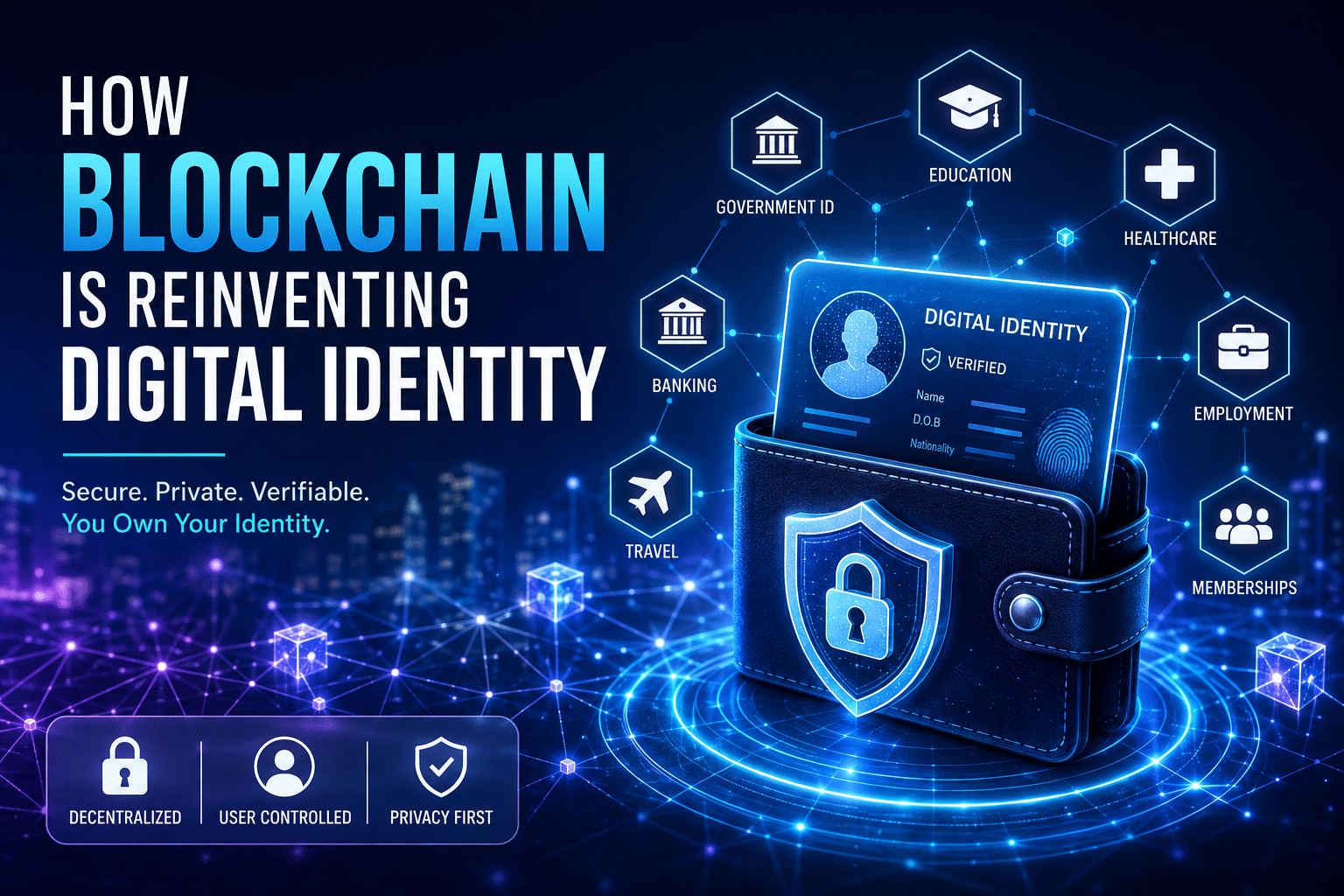
One of the most important examples is decentralized identity. The W3C describes decentralized identifiers (DIDs) as a type of identifier that enables verifiable, decentralized digital identity—allowing a controller to prove control without relying on a centralized registry or identity provider.w3
In plain English, that means your online identity could eventually become less dependent on a single login controlled by a corporation.
Imagine a future where your creative portfolio, community reputation, credentials, memberships, and digital assets can move with you across platforms. Instead of starting over every time a new app becomes popular, your identity and proof of work could belong to you.
That’s digital independence.
Quick answer: A DAO helps communities coordinate and self-govern using shared rules and transparent systems.
Earlier this week, sitting outside with my family, I watched the kids create their own little world.
No adult handed them a rulebook. No one appointed a CEO of the backyard. They negotiated, argued, adjusted, laughed, changed the rules, and kept playing.
That’s human coordination in its most natural form.
And in many ways, that’s the promise behind decentralized communities and DAOs — Decentralized Autonomous Organizations.
A DAO is a digital community that can make decisions, manage shared resources, and coordinate action through blockchain-based tools. Instead of one central authority controlling everything, members can vote, contribute, and participate more directly.
Imagine a Fourth of July neighborhood block party organized with Web3 tools:
No confusion.
No middleman.
No one person carries all the responsibility.
Of course, real-life community building will always require trust, communication, and human care. Technology doesn’t replace that. But Web3 can give communities better tools to coordinate—especially when people are spread across cities, countries, and time zones.
That’s why I keep coming back to this idea:
Web3 is not only about finance. It is about coordination.
Quick answer: AI expands individual capability—helping small teams do work that used to require big institutions.
If Web3 gives us the infrastructure for digital ownership, artificial intelligence gives us the engine for digital capability.
AI is no longer just a novelty tool that writes funny poems or generates quirky images. It has quickly become a creative partner, research assistant, brainstorming companion, coding helper, editing tool, business support system, and personal productivity amplifier.
For creators, entrepreneurs, and educators, this is a major shift.
A single person can now do work that used to require a full team. You can draft a blog, create a video outline, analyze audience data, generate visuals, summarize research, build workflows, and test ideas faster than ever before.
That doesn’t mean AI replaces human creativity.
In fact, I believe the opposite: AI makes human creativity more scalable.
The steam engine expanded physical productivity. AI expands cognitive productivity. It helps us think, create, organize, and build at a new speed.
But just like every powerful technology, AI comes with a question:
Who controls it?
If AI is only controlled by a handful of corporations, the future becomes more centralized, not more free. And that’s where Web3 becomes important again.
Quick answer: AI increases speed and capability; Web3 increases verification and ownership. Together, they can make digital life more human-centered.
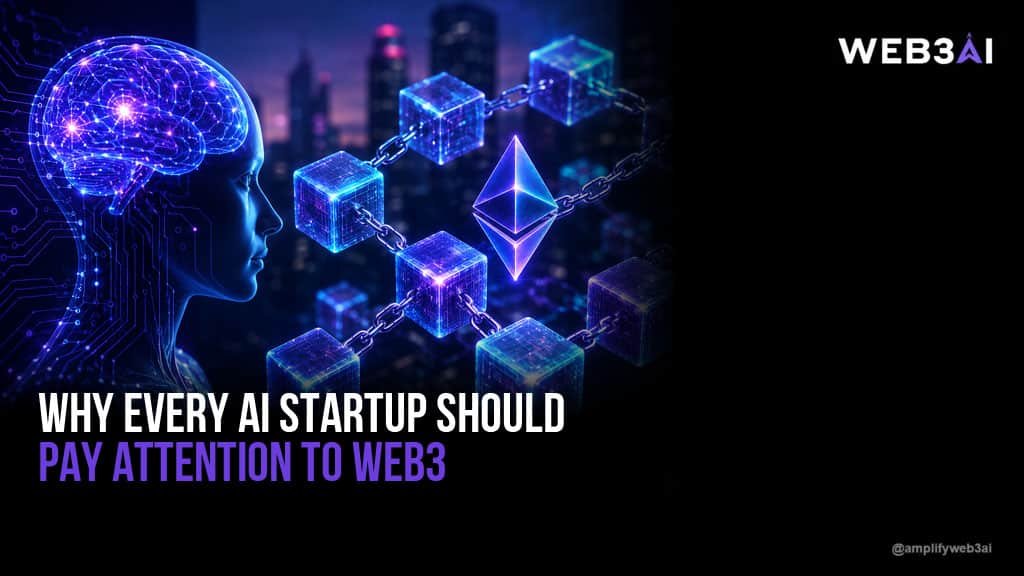
AI and Web3 are powerful separately, but their intersection may be where the real transformation happens.
AI creates abundance: more content, more automation, more intelligence, more speed.
Web3 creates verification: ownership, provenance, coordination, and trust.
Together, they help answer one of the biggest questions of the next era:
In a world where anything can be generated, how do we know what is real, who owns what, and who should be rewarded?
We are entering a time when AI can generate realistic images, videos, voices, and documents. That creates incredible creative opportunities—but also new risks.
This is where provenance becomes essential. The Coalition for Content Provenance and Authenticity (C2PA) develops technical standards for certifying the source and history of media content. Blockchain can complement provenance systems by helping anchor records of creation, ownership, and edits.spec.c2pa
This doesn’t mean technology can magically prove every truth. But it can give creators, journalists, educators, and communities better tools to verify where content came from.
Creators are already asking hard questions about AI training data:
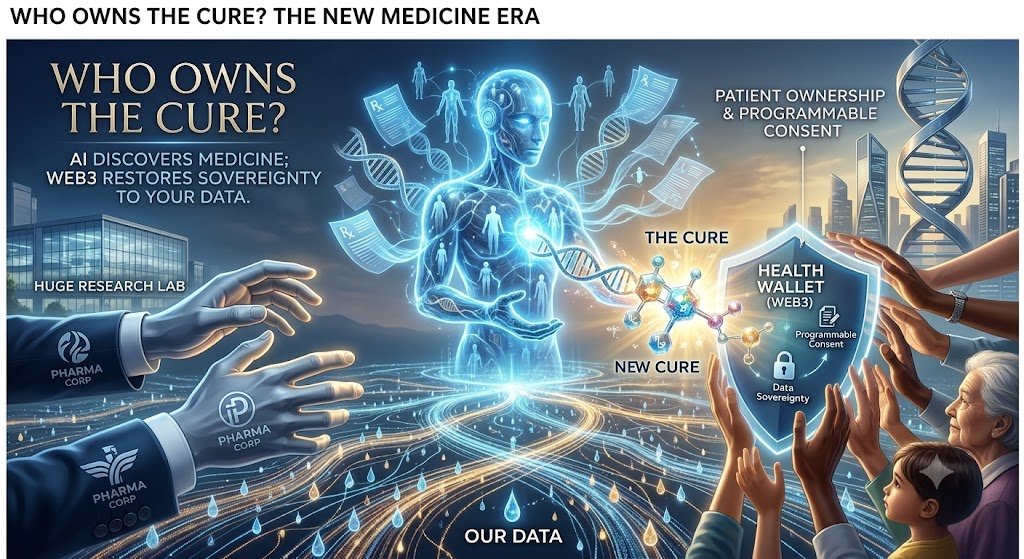
If an AI model learns from human writing, art, music, or video—who benefits? Should creators be able to license their work? Should they be compensated?
Web3 points toward a future where creators can attach usage rights, licensing terms, and payment rules directly to digital assets. Smart contracts could make it easier for artists, writers, musicians, educators, and community builders to receive payment when their work is used.
The future of creativity shouldn’t be machines extracting from humans without permission. It should be humans using machines to expand imagination while protecting ownership, credit, and value.
Let’s be honest: Web3 can still feel intimidating.
Wallets, private keys, gas fees, bridges, tokens, smart contracts—sometimes it feels like you need a technical manual just to participate.
AI can become the friendly interface that makes Web3 usable.
Instead of navigating complicated systems, you might one day tell your AI assistant:
“Help me join this creator community.”
“Explain this smart contract in plain English.”
“Protect my wallet from suspicious transactions.”
“Help me license my work while keeping ownership.”
AI can make the decentralized web feel less like a maze and more like a guided experience.
As the final fireworks lit up the Denver sky, my mind jumped forward.
If America is celebrating 250 years of independence in 2026, what will the world look like in 2276?
By then, the internet as we know it may feel ancient. Smartphones may look as primitive to our descendants as quill pens look to us today. The boundaries between physical and digital life may become almost invisible.
We may see global communities organized around shared values rather than geography—Network States with blockchain-based governance and digital treasuries.
We may see AI agents working alongside humans as collaborators, managers, educators, and creative partners.
We may even see decentralization become a requirement beyond Earth. A society living on Mars can’t route every decision through a single central system on Earth—not with speed-of-light delays. Interstellar life would likely demand resilient networks (Web3) and localized intelligence (AI).
That future sounds far away.
But so did today’s world to the people of 1776.
They couldn’t have imagined smartphones, satellites, artificial intelligence, blockchain, podcasts, or digital communities. But they understood something timeless:
Freedom must be protected in every new frontier.
Back on the deck, the smoke from the fireworks slowly cleared, revealing the starlit Colorado sky.
The kids were tired. The conversations got softer. The night settled into that peaceful silence that comes after a full day of food, laughter, heat, and celebration.
Technology will change.
Platforms will change.
AI will evolve.
Web3 will mature.
The tools we use today will one day look old-fashioned.
But the core of what makes us human will remain.
We will still want to gather with the people we love. We will still want to tell stories. We will still want to create, belong, contribute, and feel safe in our freedom.
That is why AI and Web3 matter to me.
Not because they are buzzwords. Not because they are trends. Not because they sound futuristic.
They matter because they are part of a much bigger conversation about human agency:
Who owns our identity?
Who controls our data?
Who benefits from our creativity?
Who gets access to opportunity?
Who decides the rules of the digital spaces where we now live so much of our lives?
The next Declaration of Independence may not be written on parchment.
It may be written in code, community standards, open protocols, creator-owned platforms, decentralized identity systems, ethical AI tools—and the choices we make every day about the kind of internet we want to build.
So here’s to the pioneers of the past.
Here’s to the innovators of the present.
And here’s to the families, creators, builders, and dreamers shaping the next 250 years of freedom.
Happy Fourth of July from Denver — from me, Riza Utile, and the Utile family.
Stay curious. Stay grounded. Stay human.
What is digital sovereignty?
Digital sovereignty means having more control over your online identity, data, creative work, and digital assets—without depending entirely on centralized platforms.
How are Web3 and AI connected?
AI expands what people can create and automate, while Web3 supports digital ownership, verification, identity, and coordination—so the internet can become more powerful and more user-controlled.
What is a DAO?
A Decentralized Autonomous Organization (DAO) is a community that coordinates decisions and shared resources using blockchain-based tools and smart contracts, rather than a single central authority.
What is the Semiquincentennial?
America’s Semiquincentennial is the 250th anniversary of the Declaration of Independence, commemorated in 2026.america250
If you want to keep exploring Web3, AI, and real human life with me, visit amplifyweb3.ai for more blogs and my podcast, Web3 and AI Made Simple.
Stay Blessed,
Riza Utile
Founder of Web3ÂI / Executive at ÂTTN.LIVE