Anouncement

Anouncement
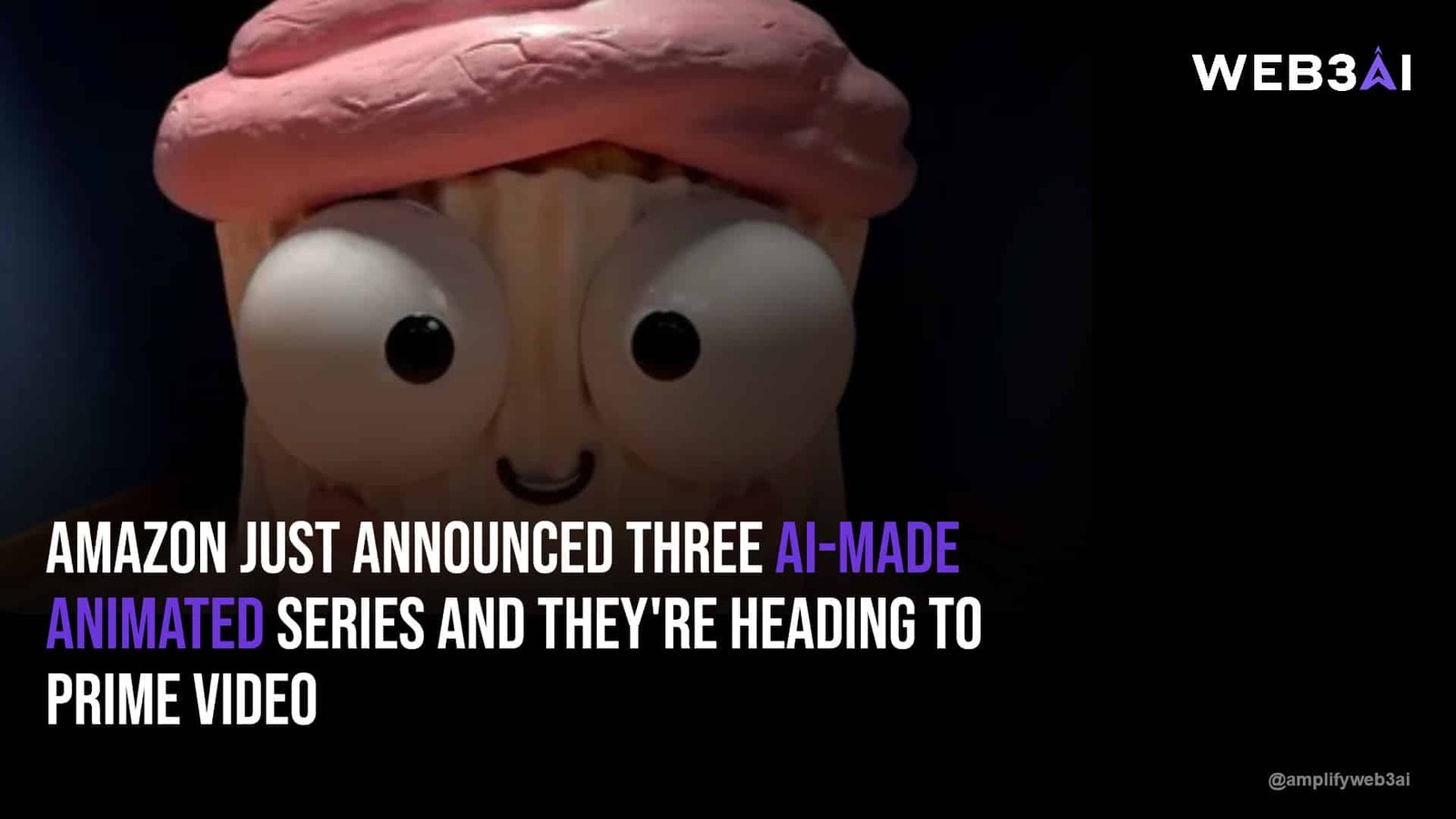

AI-made animated series streaming on major platforms just became reality: Amazon has officially announced three animated shows created with artificial intelligence tools, and they are heading to Prime Video. This is not a distant experiment or a pilot program buried in a press release — these are real productions, greenlit and in development, signaling a genuine turning point for how entertainment is made and delivered to audiences worldwide.
The announcement has sparked conversations across creative industries, from animation studios to indie filmmakers to streaming executives wondering what comes next. According to reporting from TechCrunch, major platforms are accelerating their adoption of AI-assisted production tools as the economics of traditional animation become harder to justify at scale. The cost to produce a single minute of high-quality hand-drawn or CGI animation has always been steep, and AI is beginning to change that calculus dramatically.
In this post, we break down exactly what Amazon announced, why it matters for creators and viewers alike, and what the rise of AI-made animated content tells us about the future of storytelling in the streaming era.
Amazon’s announcement centers on three animated series that use AI-assisted production pipelines. While the studio has not released full episode counts or premiere dates for all three, the shows are confirmed for Prime Video distribution — meaning they will reach Amazon’s global subscriber base of over 200 million users. That is an enormous platform for content that represents a fundamentally new way of making animation.
The productions reportedly use AI tools throughout the pipeline: concept development, visual style generation, character design iteration, and in some cases, background rendering. Human creative directors, writers, and animators remain involved in the process, but the AI handles time-intensive production tasks that traditionally required large teams and long timelines. Think of it less as “robots replacing animators” and more as a turbocharged creative toolkit that lets smaller teams punch well above their weight.
What makes this particularly significant is the distributor. Amazon Prime Video is not a niche platform experimenting at the edges. Greenlighting AI-assisted animation signals that the mainstream streaming industry has moved past skepticism and into active investment. Other platforms will be watching closely.
Pro Tip: When evaluating AI-produced content, focus on the storytelling and creative vision rather than the production method. Audiences care about compelling characters and narratives — the tools used to create them are secondary.
Traditional animation is one of the most labor-intensive art forms in entertainment. A single 22-minute episode of a standard animated series can take months to produce, involving hundreds of artists, riggers, background painters, and compositors. AI tools are beginning to compress that timeline significantly without necessarily sacrificing quality — in some cases, they are expanding what is creatively possible for smaller teams.
For a deeper look at how this transformation is unfolding across the broader entertainment landscape, explore this thorough breakdown of how AI is transforming the entertainment industry — it covers key shifts in production, distribution, and audience engagement that provide important context for Amazon’s latest move.
The tools being deployed in productions like Amazon’s three new shows typically handle tasks such as style consistency across frames, background generation from text prompts, lip-sync automation, and color grading. These are not creative decisions — they are repetitive technical tasks that consume enormous amounts of skilled labor time. Freeing human artists from those tasks means creative energy can go where it matters most: character, story, and emotional resonance.
Studios using AI in production have reported timeline reductions of 30 to 60 percent on certain tasks, depending on the complexity of the visual style. For streaming platforms under constant pressure to fill content libraries, that efficiency is enormously attractive.
No conversation about AI-made animated series streaming is complete without acknowledging the legitimate concerns of working animators and artists. Unions, including SAG-AFTRA and the Animation Guild, have been actively negotiating protections around AI use in production. Many artists worry that studios will use AI to justify smaller crews and lower budgets, effectively replacing jobs rather than augmenting creative teams.
These concerns are not hypothetical. The 2023 Hollywood strikes brought AI compensation and transparency clauses into mainstream labor negotiations, and those conversations are ongoing. The question is not whether AI will be used in animation — it clearly will be. The question is who benefits from the efficiency gains: studios, creators, or both.
There is also a counter-narrative worth considering. Independent animators and small studios have historically been priced out of high-quality production by the sheer cost of traditional pipelines. AI tools are rapidly democratizing access to production quality that previously required studio-level budgets. A talented storyteller with a compelling concept can now bring that vision to life in ways that simply were not possible five years ago.
Pro Tip: If you are a creator exploring AI animation tools, start with your narrative foundation. The strongest AI-assisted productions succeed because the human creative vision is clear and intentional — not because the AI did all the heavy lifting.
Amazon’s move is part of a much larger trend reshaping how content is created and consumed online. Understanding the rise of AI-generated content gives important context to why platforms are betting on these new production methods now — and what the long-term implications might be for creators, platforms, and audiences.
For streaming platforms specifically, the economics are compelling. Content libraries need to grow constantly to retain subscribers. Traditional production costs create a ceiling on how much content any platform can commission. AI-assisted production potentially lowers that ceiling significantly, enabling more diverse, experimental, and niche content that would never have been greenlit under traditional cost structures.
This could be genuinely good for viewers. More content, more diversity of voices, more willingness to take risks on unconventional stories. The concern is quality control — when production costs drop dramatically, the temptation to prioritize volume over craft becomes real. How platforms like Amazon manage that tension will define whether AI animation becomes a creative revolution or a content flood.
The Amazon announcement does not exist in isolation. Across the entertainment landscape, new technologies — including AI, blockchain, and decentralized distribution — are converging to reshape how stories are told, owned, and monetized. The intersection of these forces is where the most interesting creative and economic opportunities are emerging.
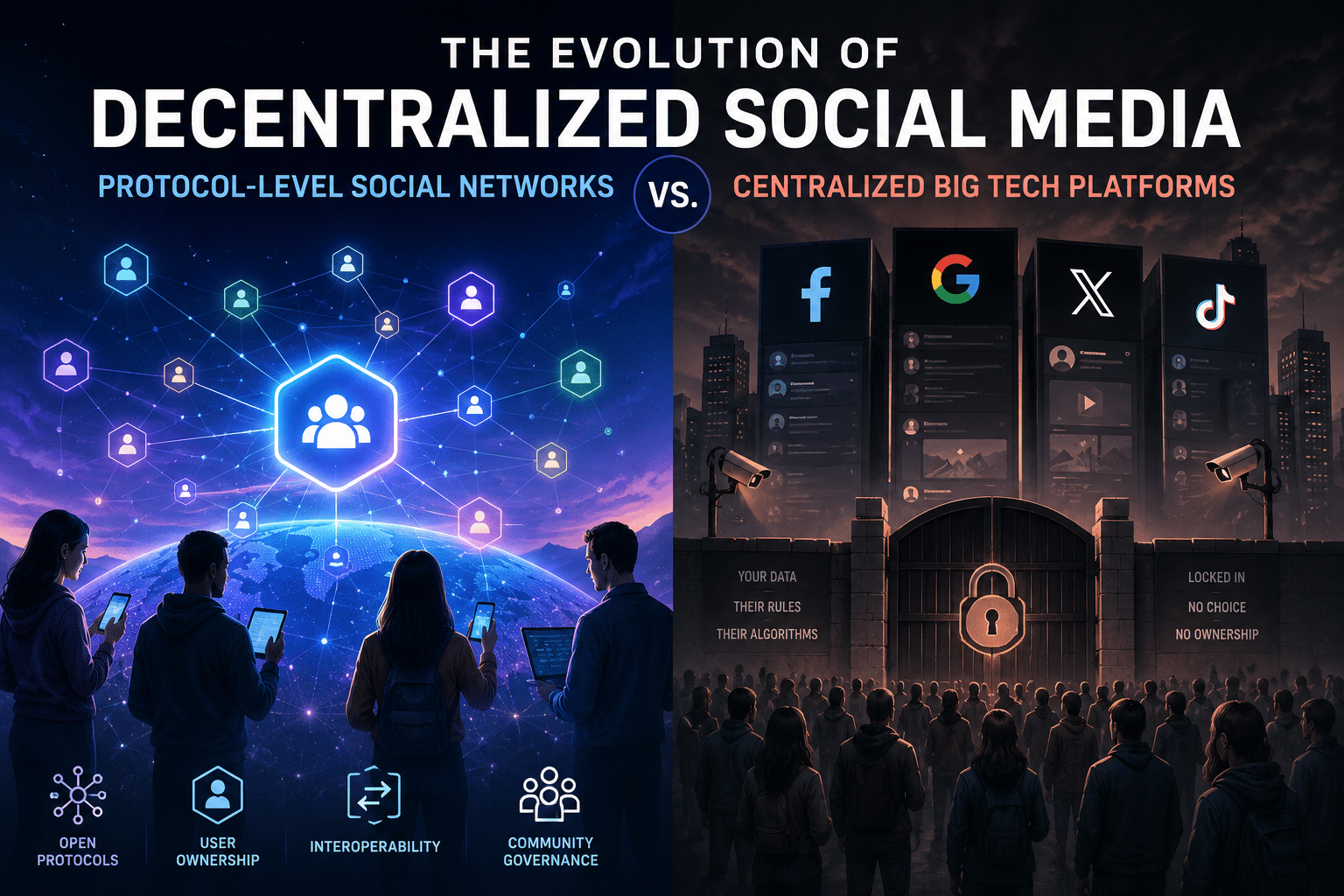
Decentralized media platforms are beginning to offer creators new ways to distribute content without traditional gatekeepers. When you combine that with AI production tools that reduce barriers to entry, you create conditions where independent creators can reach global audiences with professional-quality content. For more on how these forces are converging, see our exploration of Web3 and the future of digital media.
The implications for animation specifically are significant. Animated content has always been expensive to produce and difficult to distribute without a major studio or platform backing. AI lowers the production barrier. Web3 and decentralized platforms lower the distribution barrier. Together, they create a genuinely new landscape for animated storytelling — one where the creative vision, not the budget, becomes the primary determinant of what gets made.
As Amazon’s three AI-assisted animated series move toward release on Prime Video, here are the most important developments to track across the industry:
Amazon has announced three animated series in development using AI-assisted production tools, confirmed for release on Prime Video. Full titles and premiere dates for all three have not yet been publicly released, but the announcement confirms these productions are actively in development with AI playing a significant role in the creative pipeline.
AI-made animated series streaming uses artificial intelligence tools to handle time-intensive production tasks such as background generation, style consistency, lip-sync automation, and rendering — tasks that traditionally required large teams of specialized artists. Human creative directors, writers, and animators remain central to the process, with AI acting as a powerful production accelerator rather than a full replacement for human creativity.
This is the central debate in the industry right now. While AI tools do automate certain repetitive production tasks, most current AI-assisted productions still rely heavily on human creative direction, writing, and artistic oversight. Union negotiations are actively working to establish protections ensuring that efficiency gains from AI benefit both studios and the creative workforce, not studios alone.
Amazon Prime Video is currently the highest-profile platform to officially announce AI-assisted animated series. However, Netflix, Disney+, and Apple TV+ have all been reported to be exploring AI production tools internally. Amazon’s announcement is expected to accelerate investment and public commitments from competitors in the near term.
For independent creators, AI animation tools represent a significant democratization of production quality. Projects that previously required studio-level budgets can now be developed by small teams or even individual creators with access to the right tools. Combined with emerging decentralized distribution platforms, this creates genuine new pathways for independent animated storytelling to reach global audiences.
AI-made animated series streaming on platforms like Amazon Prime Video is no longer a future possibility — it is happening now. Three greenlit productions heading to one of the world’s largest streaming platforms represents a genuine inflection point for the entertainment industry, for the tools available to creators, and for what audiences can expect from animated content going forward.
The critical questions are not technical — the tools clearly work. The real questions are creative, ethical, and economic: How do we ensure human artists benefit from AI-driven efficiency? How do platforms maintain quality when production costs fall? And how do independent creators harness these tools to tell stories that could never have been told before? These are the conversations that will define the next decade of animation.
At amplifyweb3.ai, we exist at the intersection of AI, Web3, and the future of creative media. We believe the most exciting chapter of digital storytelling is just beginning — and that the creators, builders, and innovators willing to engage thoughtfully with these tools will shape what comes next. Explore what we have built at attn.live.