Anouncement

Anouncement
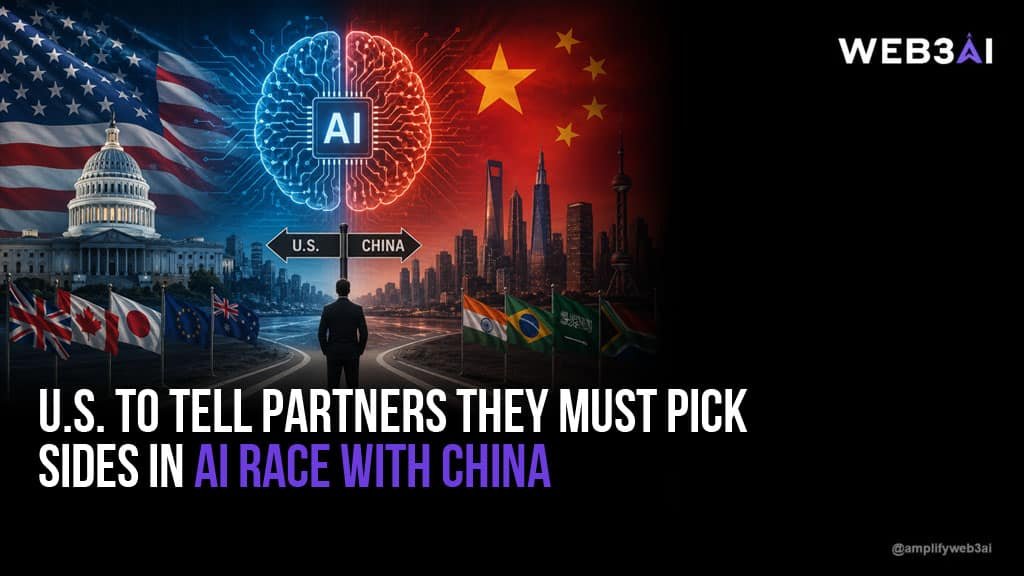

WASHINGTON — In a dramatic escalation of the global struggle for technological dominance, the United States is preparing to issue a stark ultimatum to dozens of foreign governments: align exclusively with Washington’s artificial intelligence standards and supply chain security frameworks, or be severed from the American tech ecosystem.
According to an undated internal State Department draft reviewed by Reuters and confirmed by senior U.S. officials, Washington is demanding that partner nations explicitly pick a side in the escalating AI rivalry with Beijing. The diplomatic maneuver marks a decisive transition from targeted trade restrictions to formal, bloc-based technological containment, effectively drawing a digital Iron Curtain across the global economy.
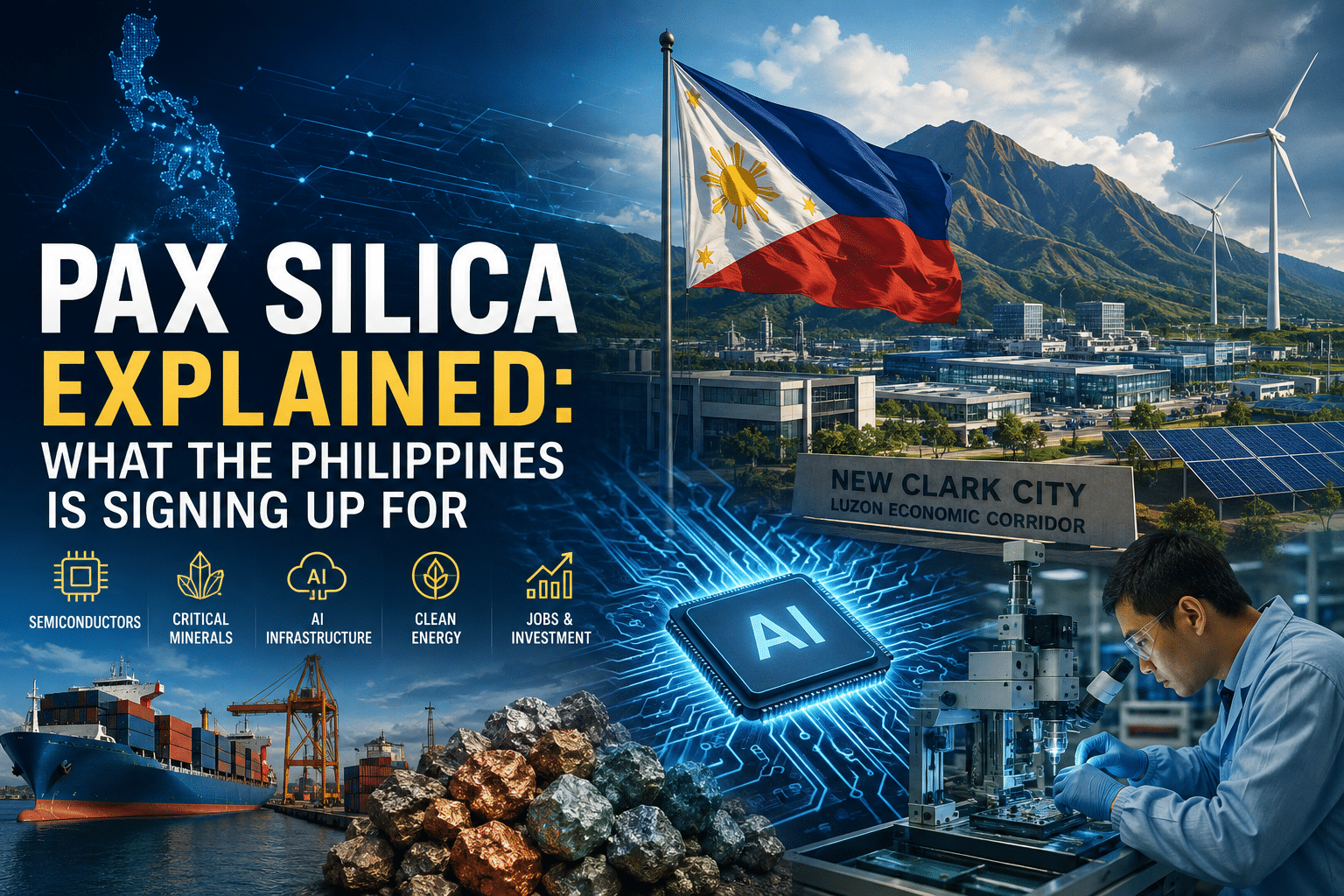
The internal document, drafted by State Department policy strategists, targets the 35 countries that signed the American-sponsored “AI Opportunity Statement” in June 2026. This group encompasses signatories of Washington’s Pax Silica initiative—a strategic framework launched in 2025 designed to lock down Western supply chains across three core pillars: frontier artificial intelligence models, advanced semiconductor manufacturing, and critical mineral extraction.
The draft letter uses unusually sharp language for traditional diplomatic correspondence, directly confronting foreign capitals that attempt to maintain dual alignments with both Washington and Beijing.
“To be part of everything is to be part of nothing. Signature of the Pax Silica Declaration is not merely a membership subscription, but a commitment,” the draft document warns, instructing partner nations to “choose deliberately” when integrating AI technology and hosting computing infrastructure.
Crucially, the letter notes that participation in Washington’s high-tech alliance “cannot be held alongside membership in duplicative initiatives whose expectations conflict with our own.”
While the text of the letter deliberately avoids mentioning China by name—referring instead to conflicting rival platforms—a senior U.S. official speaking on condition of anonymity was unambiguous about the target.
“You can’t have it both ways,” the official stated. “It is difficult to see how a country can credibly position itself as a trusted partner in one technology ecosystem while simultaneously signing onto an initiative designed by China to advance a competing vision.”
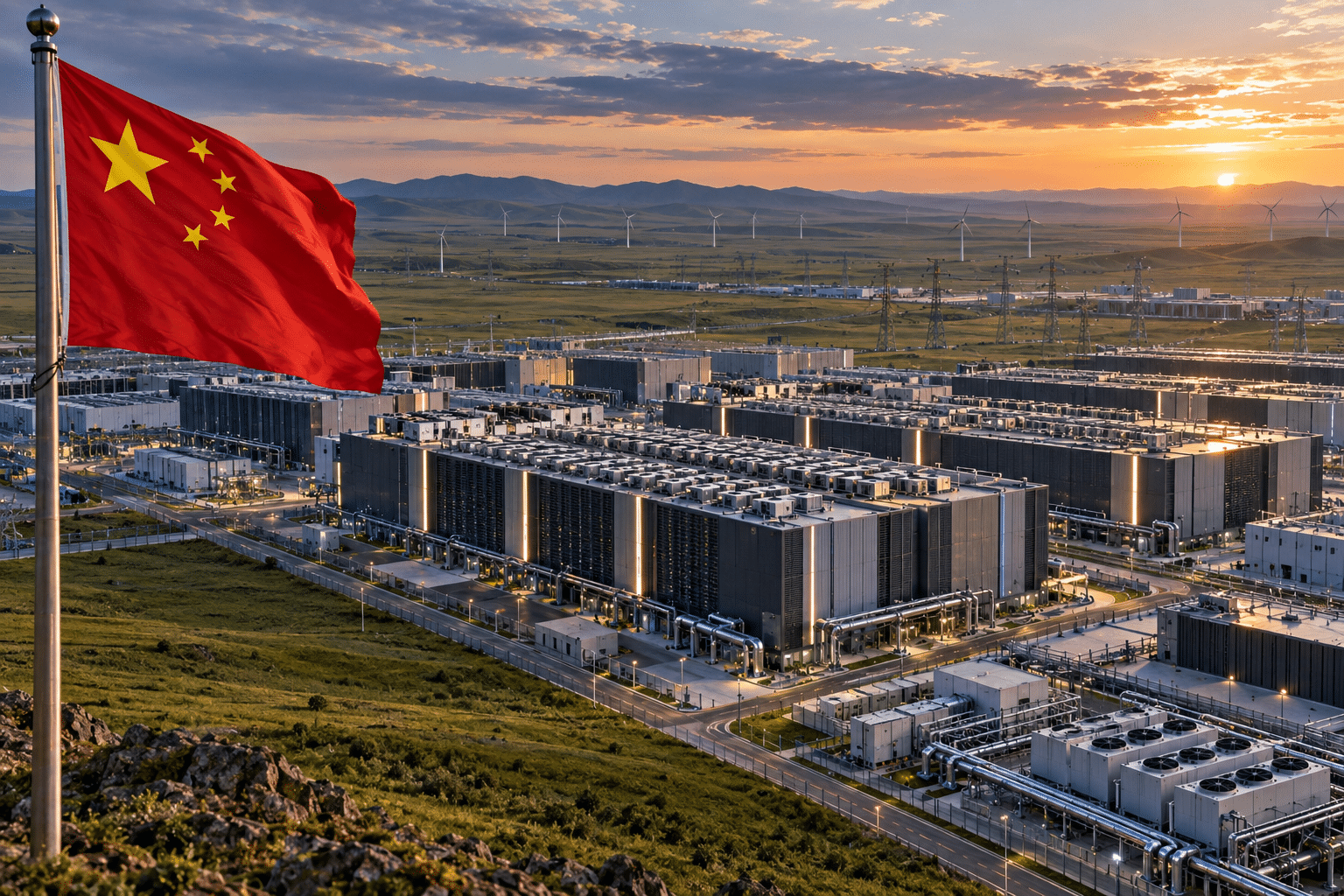
The State Department’s diplomatic offensive comes in direct response to Beijing’s rapid maneuvering to establish its own sphere of influence. In July 2026, Chinese President Xi Jinping unveiled the World Artificial Intelligence Cooperation Organization (WAICO) at a high-level technology summit in Shanghai.
Beijing’s framework has aggressively courted developing nations, global south economies, and non-aligned states by offering accessible open-weight AI models, low-cost cloud architecture, and subsidized telecommunications infrastructure. Nearly 30 nations—including Pakistan, Russia, and Central Asian states—have already signed onto the Chinese-led coalition.
| Strategic Dimension | U.S. Alliance Framework (Pax Silica) | Chinese Alliance Framework (WAICO) |
| Primary Objective | Secure supply chains for chips, minerals, & models | Expand global adoption of open-weight ecosystems |
| Target Audience | OECD partners, key mineral suppliers, tech hubs | Developing nations, Global South, non-aligned states |
| Core Value Proposition | Co-investment access, joint security, trade protection | Subsidized compute, downloadable models, cheap infrastructure |
| Architectural Model | Closed, proprietary Western models (OpenAI, Anthropic) | Accessible, open-weight foundational AI frameworks |
| Geopolitical Strategy | High-fence containment & coordinated export controls | Digital Silk Road integration & market penetration |
While Washington’s coalition relies on high-capital investment and proprietary models from commercial titans like OpenAI and Anthropic, China’s push emphasizes software access. Chinese open-weight models have rapidly closed the capability gap with American frontier systems, presenting an attractive economic option for countries seeking advanced compute power without high licensing overheads.
The immediate catalyst for Washington’s coercive diplomatic turn was the Central Asian republic of Kazakhstan.
In June 2026, the State Department celebrated Kazakhstan’s accession as the first Central Asian signatory to the Pax Silica framework. For Washington, Kazakhstan represents a critical strategic asset: the nation possesses vast, unexploited reserves of critical rare earth minerals required for silicon wafer production, advanced memory chips, and high-performance hardware.
However, just weeks after endorsing the Pax Silica Declaration, Astana simultaneously signed onto Beijing’s World Artificial Intelligence Cooperation Organization.
By playing both sides, Kazakhstan highlighted a glaring vulnerability in Washington’s non-binding diplomatic strategy. A supplier hedging its bets between Western supply chains and Chinese processing channels undermined the fundamental premise of Pax Silica. Alarm bells rang across the State Department, prompting officials to draft the new “choose-a-side” directive to establish enforceable boundaries.
| Key Country / Region | Strategic Importance to AI Race | Current Diplomatic Standing |
| Japan & South Korea | Advanced semiconductor fabrication & hardware manufacturing | Core Pax Silica members |
| Australia | Major supplier of raw lithium, cobalt, & critical minerals | Core Pax Silica member |
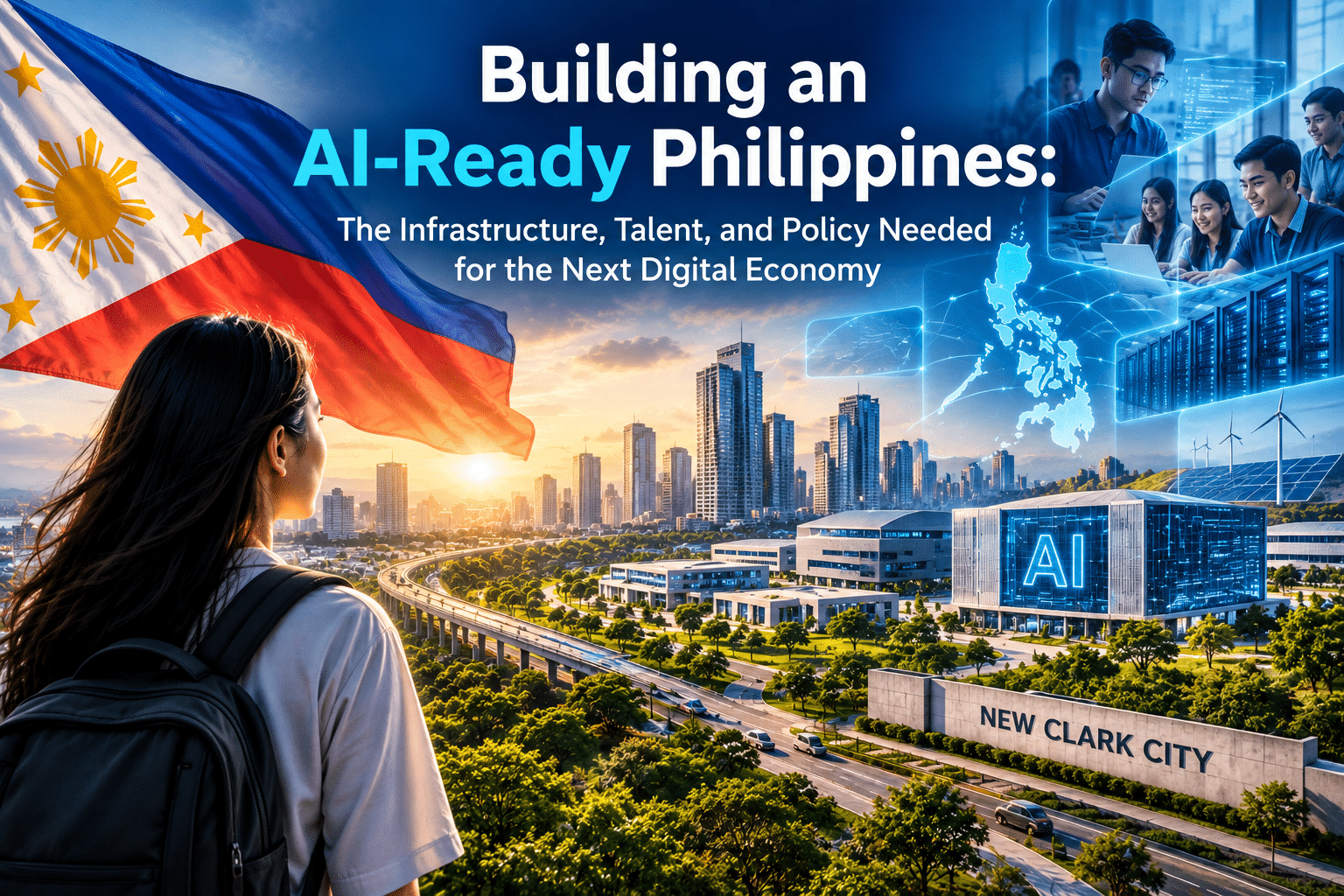
| Philippines | Electronics packaging & regional economic security zones | Signed Pax Silica (April 2026) |
| Kazakhstan | Critical mineral extraction; primary flashpoint country | Signed BOTH Pax Silica & WAICO |
Washington’s strict ultimatum forces international partners into a challenging economic position. For many middle powers in Europe and Asia, decoupling entirely from Chinese technology is financially disruptive and diplomatically complex.
Western nations continue to face significant vulnerabilities in raw material processing. Even as the U.S. builds out domestic semiconductor fabs and regional manufacturing hubs—such as the 4,000-acre economic security zone launched in the Philippines under Pax Silica—China retains a near-monopoly over the refining of gallium, germanium, and rare earth elements vital for microchip production.
For developing nations, Western AI infrastructure comes with a steep price tag. American cloud providers and proprietary software models require substantial capital expenditure. In contrast, Beijing’s deployment of open-weight software models allows lower-income countries to run sophisticated AI applications on domestic servers at a fraction of the cost.
Critics argue that forcing a binary choice risks alienating neutral partners rather than securing them. Representatives from Chinese state media and international trade analysts quickly condemned the leaked draft letter as a “zero-sum geopolitical gamble,” arguing that forcing nations to sever ties with Beijing will split global industrial standards and fragment international science research.
The State Department has declined to comment directly on the leaked draft letter, stating that it does not discuss internal diplomatic communications. It remains unclear precisely when the finalized letters will be delivered to the 35 target nations, or whether diplomatic pushback from key allies in Europe and East Asia will lead to softer phrasing before formal transmission.
Nevertheless, the directive makes Washington’s long-term vision clear: the era of technological hedge-funding is over. As artificial intelligence becomes deeply intertwined with national defense, autonomous weapon systems, and global economic productivity, the world’s two superpowers are actively drawing hard borders through the digital domain.
Foreign capitals now face a historic dilemma. Accepting the American mandate guarantees access to U.S. capital markets, cutting-edge semiconductor hardware, and joint security umbrella agreements under Pax Silica. Rejecting it—or attempting to maintain ties with Beijing—risks immediate diplomatic isolation and removal from the world’s premier technology supply chain.