Anouncement

Anouncement
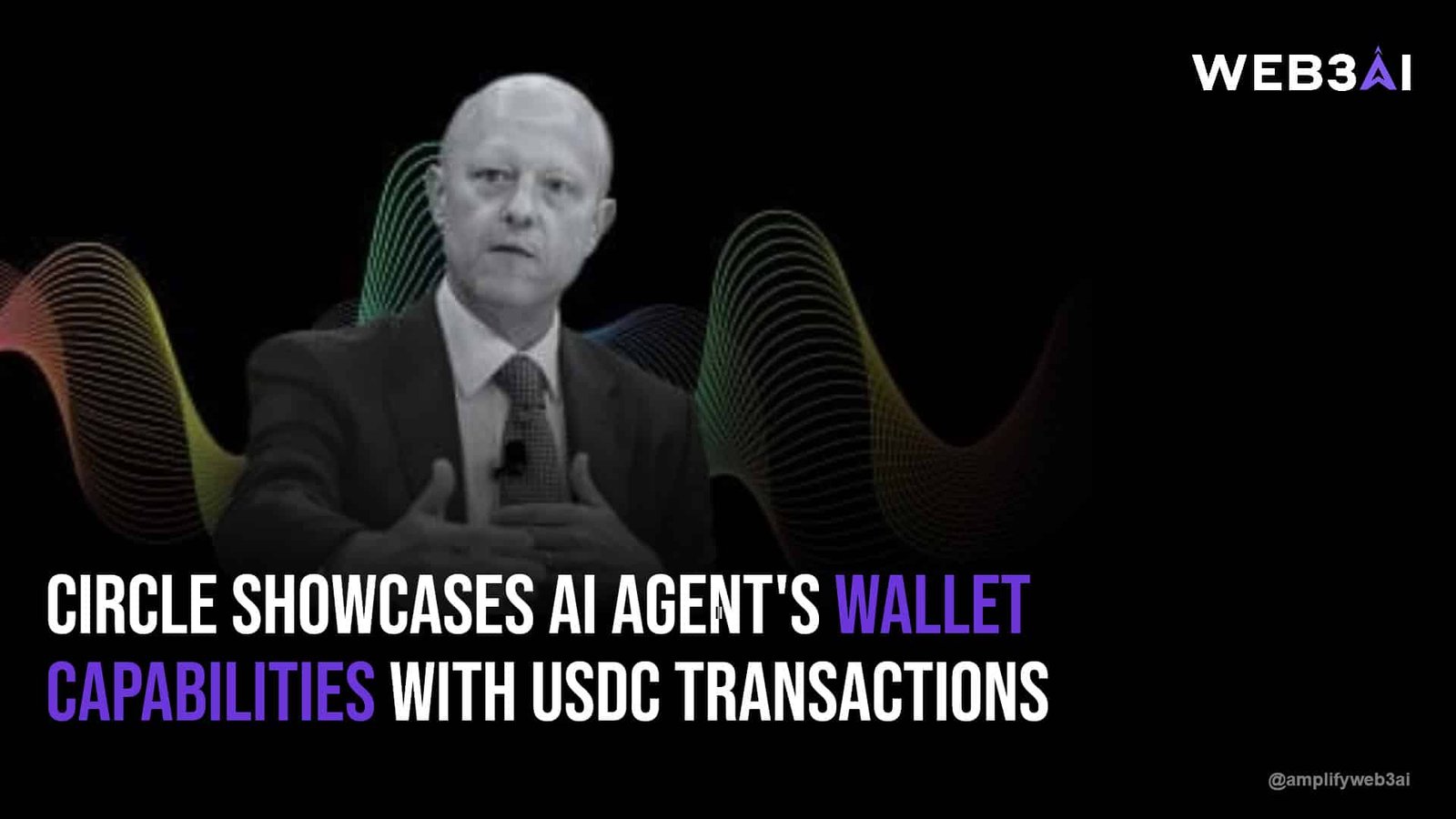

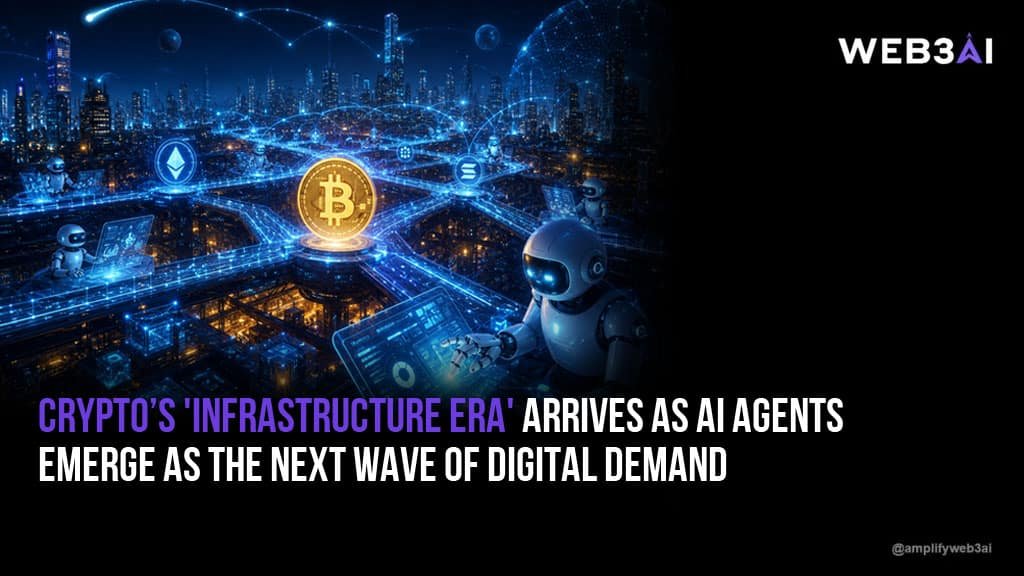
AI agent stablecoin payments have just taken a significant leap forward — and Circle is leading the charge. The company behind USDC, one of the world’s most trusted stablecoins, has introduced a suite of tools that allows AI agents to autonomously initiate, verify, and complete USDC transactions without a human pressing “send.” If that sounds like science fiction, it is closer to your daily reality than you might think.
The global financial infrastructure has been quietly preparing for this moment. According to McKinsey’s 2024 analysis of stablecoin market infrastructure, stablecoins are rapidly evolving from niche crypto instruments into foundational rails for programmable, cross-border money movement — exactly the environment where AI agents thrive. When you combine AI’s ability to execute complex decisions at machine speed with the always-on, programmable nature of stablecoins, you get a payments layer that has never existed before.
This post breaks down exactly what Circle has built, why AI agent stablecoin payments matter for developers, businesses, and everyday users, and where this technology is headed next.
Circle’s new capabilities centre on giving AI agents a genuine financial identity. Traditionally, an AI agent could reason, plan, and recommend — but when it came time to move real money, a human had to step in. Circle has removed that bottleneck by providing programmable USDC wallets that AI agents can control directly, governed by smart contract rules and compliance guardrails.
The system works through Circle’s Developer Platform, which now includes wallet infrastructure specifically designed for non-human actors. An AI agent can be assigned a wallet, granted spending limits, and set to operate within pre-approved transaction corridors. Think of it as giving your AI assistant a corporate credit card — with very clear spending policies baked into the code itself.
These wallets are self-custodial by design, meaning the AI agent (and the developer or business deploying it) retains control without relying on a centralised intermediary to approve every transaction. That matters enormously for speed, cost, and global accessibility.
Pro Tip: If you are building an AI agent that handles payments, start with clearly defined spending limits and transaction corridors in your smart contract logic. Guardrails are not restrictions — they are the trust layer that makes autonomous payments viable.
For a broader look at how artificial intelligence is reshaping the entire Web3 ecosystem beyond payments, explore our deep dive into how AI is transforming Web3 — from smart contract auditing to decentralised identity.
AI agents need money that behaves predictably. Volatile cryptocurrencies like Bitcoin or Ether introduce price risk into every transaction — a problem that compounds quickly when an agent is executing hundreds of micro-payments per hour. Stablecoins, pegged to fiat currencies like the US dollar, eliminate that variable entirely. The agent always knows what a dollar is worth, because it is always worth a dollar.
USDC specifically brings additional advantages: it is fully backed by cash and short-duration US Treasuries, regularly audited, and issued under US regulatory oversight. For businesses deploying AI agents in regulated industries — fintech, healthcare billing, supply chain — that compliance profile is non-negotiable.
To understand the full picture of what stablecoins are and why they have become so central to the crypto economy, read our complete guide on what a stablecoin is and how it works. It is the essential foundation for understanding why Circle’s AI agent toolkit is built on USDC rather than any other asset.
Beyond stability, stablecoins on modern blockchains settle in seconds and cost fractions of a cent per transaction. For AI agents operating at machine scale — imagine an autonomous procurement agent placing thousands of micro-orders per day — those economics are transformative compared to traditional payment rails that charge percentage fees and take days to settle.
Pro Tip: When evaluating stablecoins for AI agent use cases, look beyond the peg mechanism. Audit frequency, regulatory standing, and on-chain liquidity depth all affect how reliably your agent can transact at scale.
The abstract idea of “AI agents paying with stablecoins” becomes very concrete when you map it to industries already under pressure to automate. Here are some of the most compelling near-term applications:
Each of these use cases shares a common thread: a human decision-making bottleneck is replaced by a trusted, auditable AI agent operating within pre-approved rules. The payments become infrastructure — invisible, instant, and reliable.
Circle’s Developer Platform is the entry point for anyone who wants to build AI agent stablecoin payments into their product. The platform provides programmable wallets, a transaction API, and a smart contract toolkit — all compatible with major blockchain networks including Ethereum, Solana, and Polygon.
Getting started follows a straightforward sequence:
The learning curve is real, but Circle has invested heavily in documentation and developer support. For teams already comfortable with REST APIs and basic smart contract concepts, adding autonomous payment capability to an existing AI agent can be accomplished in a matter of days.
It is tempting to frame Circle’s announcement as a payments story. But zoom out and you see something larger: the emergence of a genuinely autonomous financial layer. When AI agents can earn, hold, spend, and invest stablecoins without human intermediaries, the boundary between software and economic actor blurs significantly.
Decentralised finance was built on the premise that financial services could operate through code rather than institutions. AI agents are now the natural inhabitants of that environment — entities that can navigate DeFi protocols, execute complex financial strategies, and manage treasury positions at a speed and scale no human team can match.
For a broader view of where decentralised finance is heading and how these technologies converge, read our analysis of the future of decentralised finance and where the next wave of innovation is emerging.
This convergence also raises important questions around accountability and regulation. If an AI agent executes an erroneous transaction — or worse, is manipulated into sending funds to a malicious address — who is responsible? Circle’s guardrail architecture is a partial answer, but the broader governance frameworks are still being written. Developers, regulators, and businesses all have a stake in getting those frameworks right.
AI agent stablecoin payments refer to transactions where an artificial intelligence agent autonomously initiates, authorises, and completes payments using stablecoins — typically without direct human approval at the moment of each transaction. Circle’s new platform enables this by providing AI agents with programmable USDC wallets governed by smart contract rules. The result is a payments layer that operates at machine speed within human-defined boundaries.
USDC is preferred because it combines price stability, regulatory compliance, and broad blockchain compatibility. Unlike volatile cryptocurrencies, USDC’s value is reliably pegged to the US dollar, making it predictable for programmatic transactions. Its regular audits and US regulatory standing also make it suitable for enterprise and regulated-industry deployments where compliance is mandatory.
Security in Circle’s system comes from layered controls: programmable spending limits, approved counterparty whitelists, multi-signature requirements for large transfers, and time-lock mechanisms that delay high-value transactions for human review. Every transaction is recorded on-chain, creating an immutable and auditable trail. Smart contract logic enforces these rules automatically — the agent simply cannot execute a transaction that violates its policy parameters.
Supply chain management, freelance and gig economy platforms, DeFi yield optimisation, cross-border payroll, SaaS metered billing, and gaming economies are among the earliest and most impactful beneficiaries. Any industry where high-volume, time-sensitive micro-payments currently require manual approval stands to gain significant efficiency from AI agent stablecoin payments.
The regulatory landscape is still evolving, but Circle has built USDC under US regulatory oversight, which provides a compliance foundation. Developers deploying AI agents for payments must still comply with applicable money transmission laws, KYC/AML requirements, and any sector-specific regulations. Working with a stablecoin issuer like Circle — which already operates within a compliance framework — significantly simplifies that challenge compared to building on unregulated assets.
Traditional automated payments (like ACH direct debits or standing orders) follow rigid, pre-programmed rules with no ability to adapt. AI agent payments are dynamic — the agent can reason about context, evaluate options, negotiate conditions, and decide when and how to pay based on real-time information. This makes AI agent stablecoin payments far more flexible and capable than any legacy payment automation system.
AI agent stablecoin payments are not a future concept — they are a present-tense infrastructure shift. Circle has delivered the tools, USDC provides the rails, and AI agent frameworks are mature enough to put them to work today. What we are watching is the moment when software stops just recommending financial decisions and starts executing them.
For developers, this is a genuine greenfield opportunity. For businesses, it is a chance to eliminate payment friction that has slowed operations for decades. And for the broader Web3 ecosystem, it is validation that the programmable money thesis is finally delivering on its promise.
The questions ahead — around governance, accountability, and regulatory clarity — are real and worth taking seriously. But they are the questions of a maturing technology, not a failing one. The infrastructure is here. The use cases are obvious. What happens next is up to the builders.
Explore what we have built at attn.live.