Anouncement

Anouncement
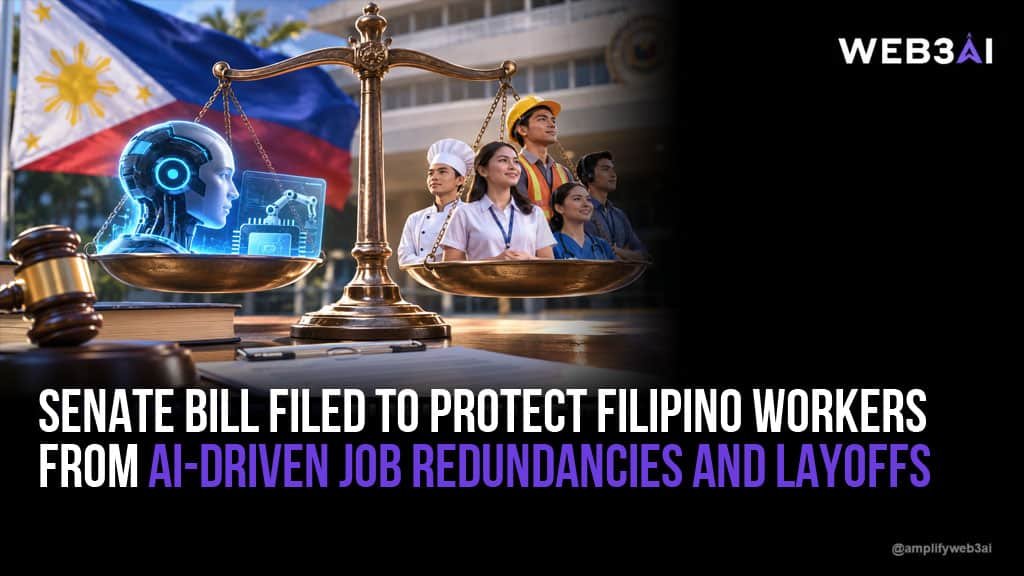

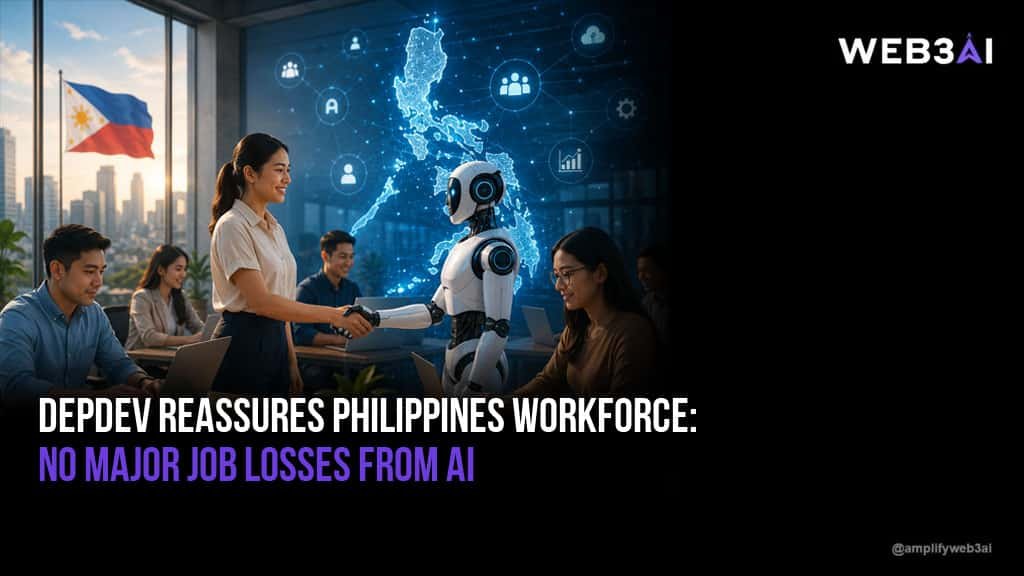
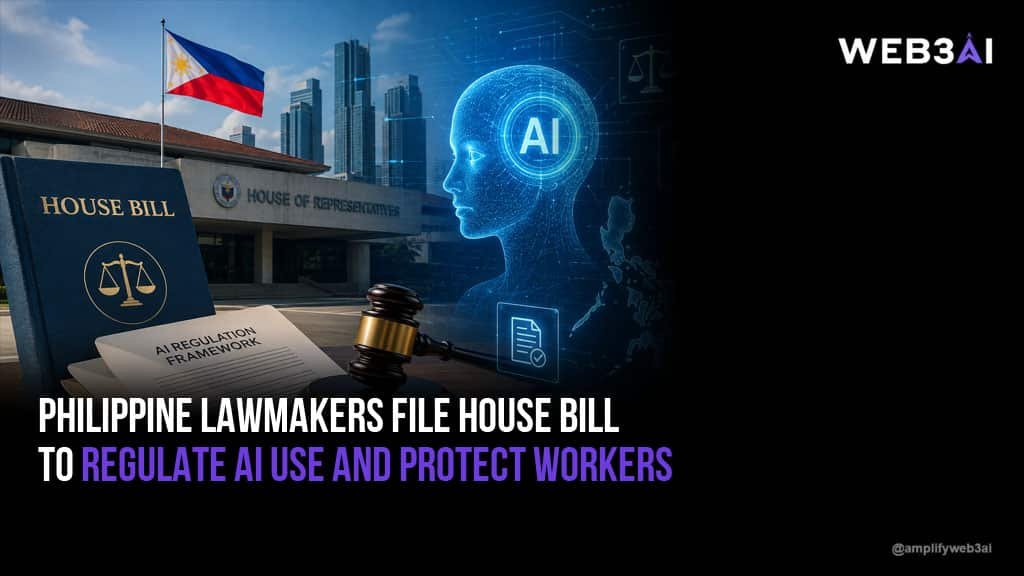
MANILA, Philippines — In response to rapid automation and the expanding role of artificial intelligence across key industries, a legislative measure has been introduced in the Senate to prevent arbitrary layoffs and establish strict safeguards for displaced workers.
Senator Erwin Tulfo, who chairs the Senate Committee on Social Justice, Welfare, and Rural Development, filed Senate Bill (SB) No. 2563, which proposes specific amendments to the Labor Code of the Philippines (Presidential Decree No. 442). The bill directly addresses employment termination stemming from the adoption and integration of AI systems.
“As companies adopt AI, employees whose jobs become redundant risk losing not only their employment but also their means of supporting their families,” Tulfo said in a statement released on Sunday. “Technological progress is inevitable, but Filipino workers should not be left behind or made to bear its costs alone.”
Under the proposed provisions of SB 2563, employers would no longer be able to cite automation as a blanket justification for dismissing personnel. To legally carry out layoffs resulting from AI implementation, management must satisfy five mandatory conditions:
Beyond procedural prerequisites, SB 2563 introduces strengthened safety nets for affected personnel.
The bill mandates that employers provide advance notification to the Department of Labor and Employment (DOLE) prior to planned terminations to allow regulatory review. It also establishes structured consultation processes, along with opportunities for internal redeployment and workforce reskilling before dismissal can proceed.
For workers whose separation is unavoidable, the measure guarantees substantial compensation. Terminated staff would be entitled to separation pay of at least two months’ basic salary, or two months’ salary for every year of completed service, whichever amount is higher.
The filing of SB 2563 comes amid heightened scrutiny over workplace automation, particularly in sectors heavily reliant on clerical, customer relations, and support roles.
While digital transformation continues to accelerate across Southeast Asia, labor advocates and lawmakers have voiced growing concern over the vulnerability of mid-skilled workers. If passed, the measure would establish one of the region’s earliest statutory frameworks explicitly governing artificial intelligence under existing labor termination law.
The bill is slated for formal committee review upon the resumption of legislative proceedings.