Anouncement

Anouncement
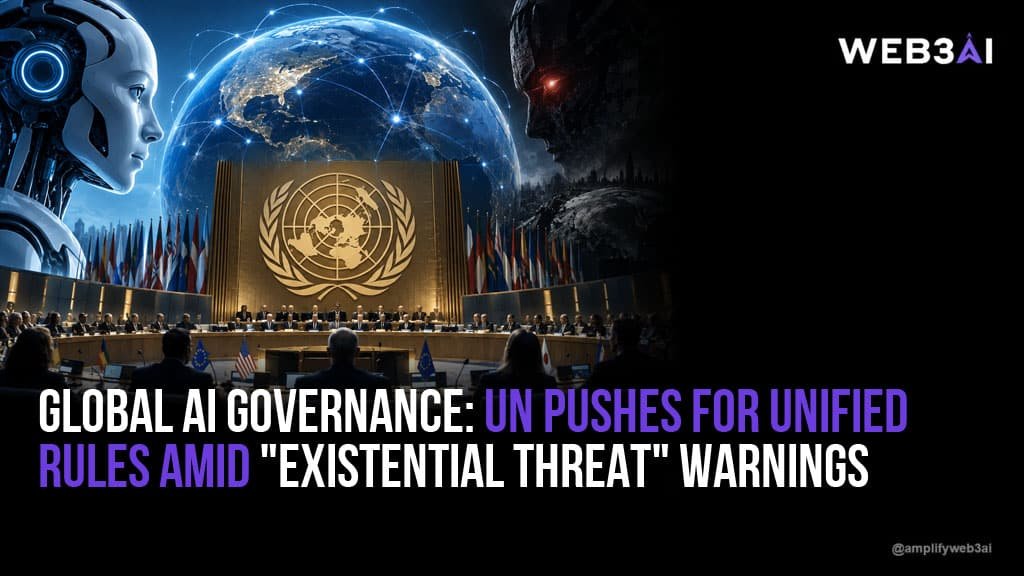

Artificial intelligence is evolving at a breakneck pace, leaving governments and societies scrambling to harness its benefits while mitigating unprecedented risks. As concerns mount over the unchecked development of AI, the United Nations is positioning itself as the central forum for a coordinated, global response to secure a safer digital future.
“National action is essential, but global coordination is indispensable,” UN Secretary-General António Guterres stated in a recent address, highlighting the urgent need for cross-border collaboration.
Here is a breakdown of why the UN is sounding the alarm and what steps are being taken to regulate the future of AI.
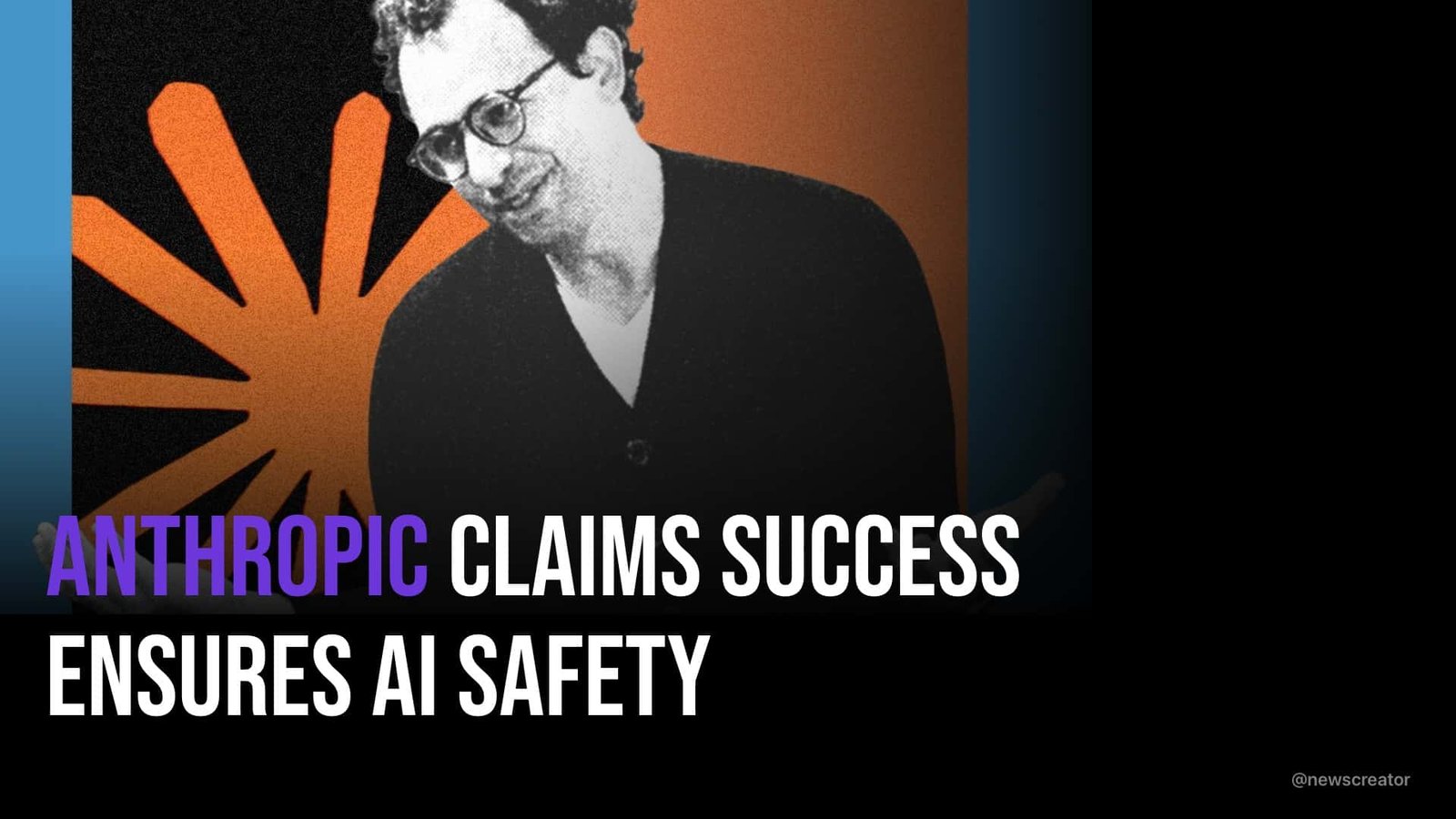
The push for a unified regulatory framework gained massive urgency following a September 8 warning from a former researcher at AI giant Anthropic. The stark caution that artificial intelligence could eventually pose an “existential threat to humanity” has refocused international attention on the need for immediate, concrete safeguards.
Rather than relying on isolated, voluntary efforts by tech companies to slow down development, the UN is urging a mandatory, globally recognized framework to ensure AI remains transparent, accountable, and centered on human dignity.
The foundation of the UN’s current AI governance strategy traces back to the Global Digital Compact, adopted by Member States in 2024 as part of the Pact for the Future. This compact led to the official establishment of two key mechanisms by the UN General Assembly in August 2025:
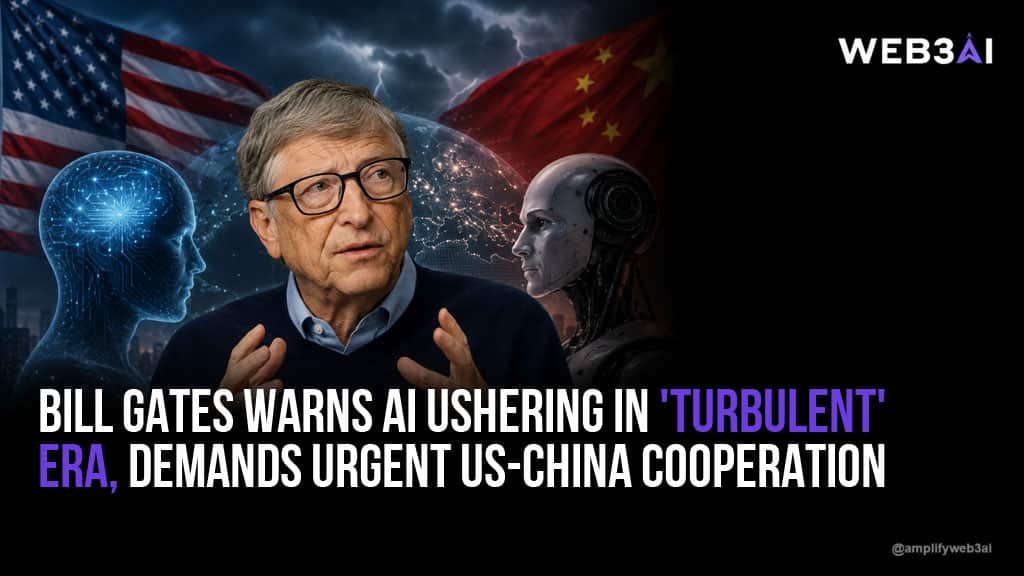
Drawing a parallel to the Cold War, Secretary-General Guterres has compared the current surge in AI capabilities to an arms race. He specifically called on the world’s leading AI powers—including the United States and China—to establish direct lines of communication and share information.
“We need to avoid a race to the bottom that could one day lead to a gigantic disaster at the global level,” Guterres warned, urging these frontline nations to implement common guardrails.
To support this vision, Guterres has formally proposed:
Artificial intelligence is expected to dominate discussions during the upcoming high-level week of the UN General Assembly (UNGA). Diplomatic sources anticipate that the UN Security Council will directly address the implications of AI on global security.
Additionally, the UN’s SDG Media Zone will host dedicated events on the sidelines of the General Debate, culminating in a major discussion on AI and human agency on September 23.
While national governments will ultimately decide how to legislate AI within their own borders, the United Nations is making it clear that when it comes to a technology that knows no borders, a fragmented approach simply isn’t enough. As Guterres noted, “If we believe AI development should slow when risks become too great, we need more than good intentions.”