Anouncement

Anouncement
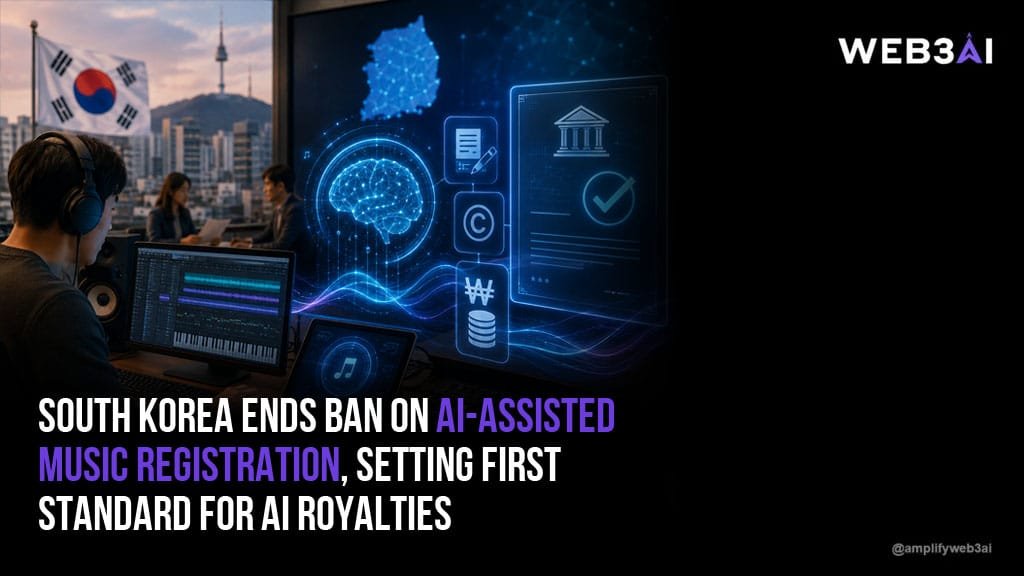

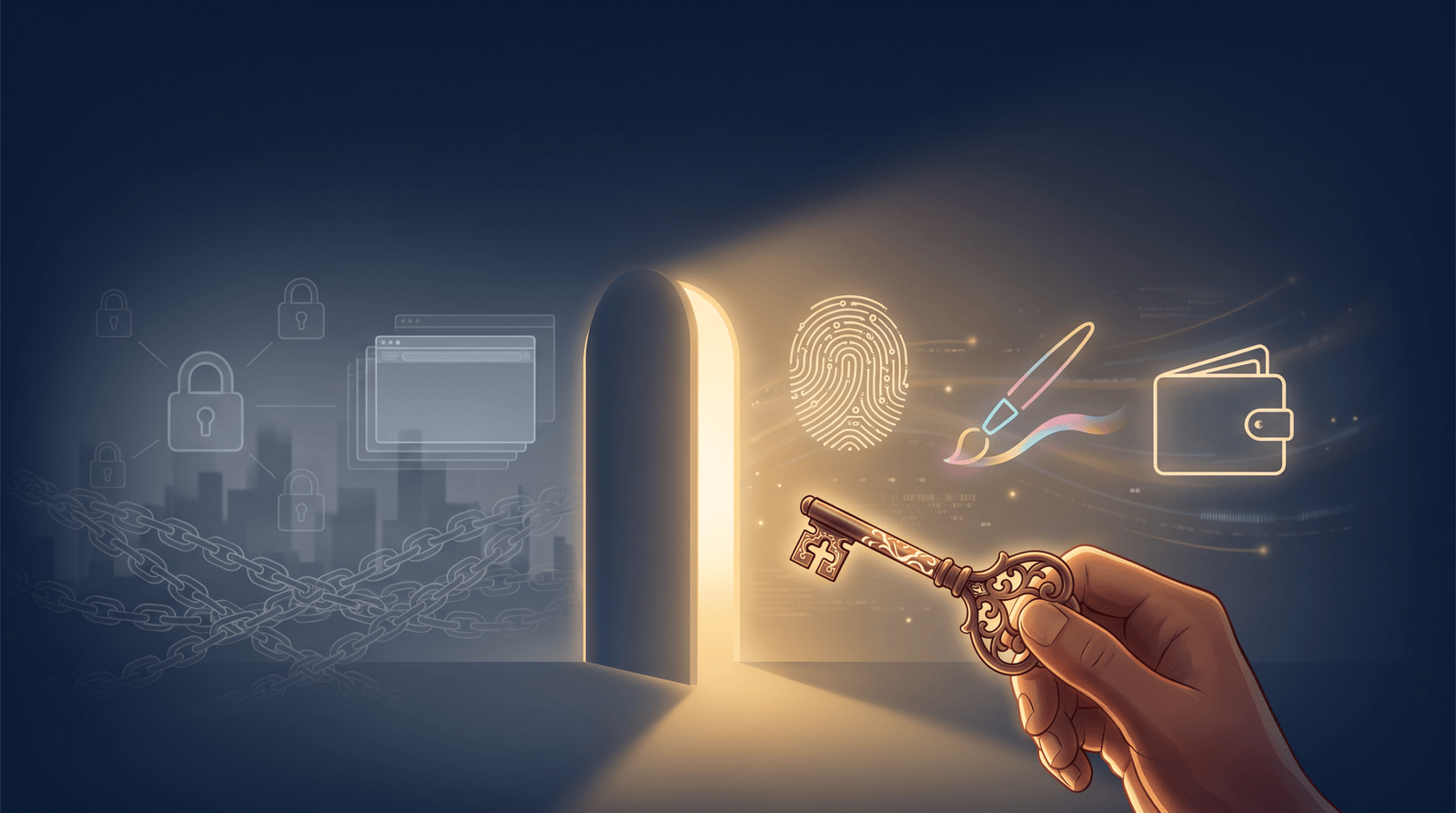
In a major policy pivot for the global music industry, South Korea’s primary music collective management organization has officially lifted its ban on registering artificial intelligence-assisted songs.
The Korea Music Copyright Association (KOMCA) announced the implementation of a new “disclosure-first” registration framework that allows creators to collect copyright royalties on AI-assisted music—provided human artists played a substantial and leading role in the creative process.
The amended guidelines took effect on August 3, 2026, overturning a strict rule enacted in March 2025 that required a “0% AI contribution” and barred any tracks containing AI-generated elements from registration and royalty payouts.
| Criteria | Policy Detail |
| Eligible Works | Songs where humans substantively contributed to lyric writing, composition, or arrangement using AI as an aid. |
| Ineligible Works | Purely text-prompted or “one-click” AI-generated tracks with no meaningful human creative input. |
| Disclosure Requirement | Creators must explicitly report the AI tools used, how they were applied, and the specific personal contributions made. |
| Enforcement & Audit | KOMCA reserves the right to request proof (DAW project files, MIDI files, prompt logs, editing histories). |
| Penalties for Fraud | Suspended royalties, agreement termination, and financial penalties up to 3 times improperly received funds. |
Under KOMCA’s updated rules, using AI tools—such as music generators like Suno or AI vocal models—will no longer result in automatic disqualification. However, the association draws a firm line between human-guided creation and automated generation.
Works produced entirely by entering text prompts into an AI generator—often referred to in the Korean industry as “one-click composing”—remain barred from copyright protection and royalty eligibility.
To register an AI-assisted work, applicants must complete a detailed disclosure form outlining:
Rather than pre-screening every submission technically, KOMCA will process registrations based on creators’ certified reports. However, to combat misrepresentation, the association has introduced robust post-registration verification protocols.
If a song’s origin is flagged or questioned, creators may be given 30 days to produce supporting evidence. Accepted documentation includes:
Failing to provide proof or submitting false disclosures carries severe consequences. KOMCA announced plans to suspend royalty distributions, reclaim improperly distributed funds, terminate trust agreements, and levy contractual fines up to three times the improperly received royalties in cases of intentional fraud or gross negligence.
The decision marks South Korea as one of the first major music markets to establish a codified framework for managing AI-assisted works within its existing copyright framework.
“This revision is not intended to provide all the answers to the challenges posed by AI-generated music. It is the first step toward managing a changing creative landscape within an institutional framework. We will build a trustworthy management system that ensures members who create their works honestly are not disadvantaged.”
— Lee Si-ha, Chairman of KOMCA
The move aligns South Korea more closely with recent regulatory approaches, such as those from the U.S. Copyright Office, which emphasize that copyright protection extends only to human-authored elements within AI-assisted works.