Anouncement

Anouncement
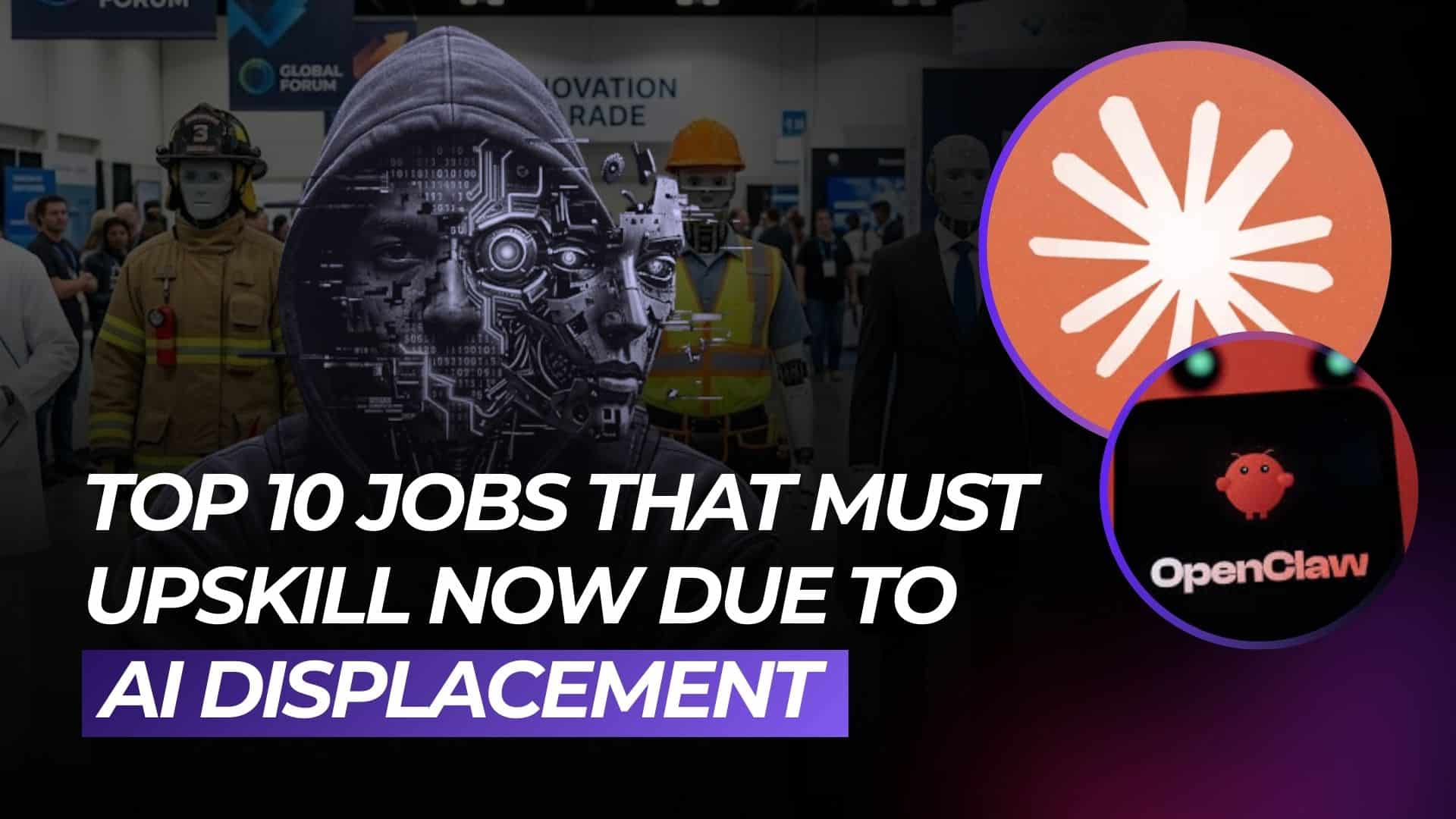

2026 is not a sci-fi movie moment where robots walk into offices and fire people.
It’s more subtle—and more dangerous.
AI doesn’t erase job titles overnight.
It replaces tasks inside jobs.
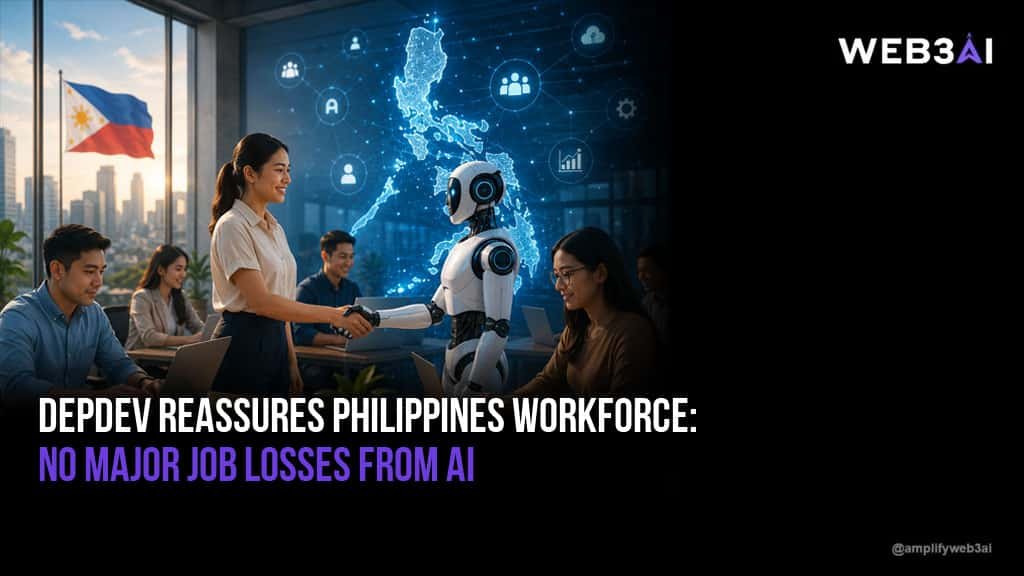
According to 2026 labor analyses, AI exposure is highest in roles that are routine, rules-based, and language-heavy . In the Philippines, BPO and clerical sectors face particularly high exposure rates as “intelligence arbitrage” replaces traditional labor arbitrage .
The key word isn’t panic.
It’s preparation.
Below are the Top 10 Jobs That Need to Upskill Soon—not because they will disappear instantly, but because their core tasks are already being automated.
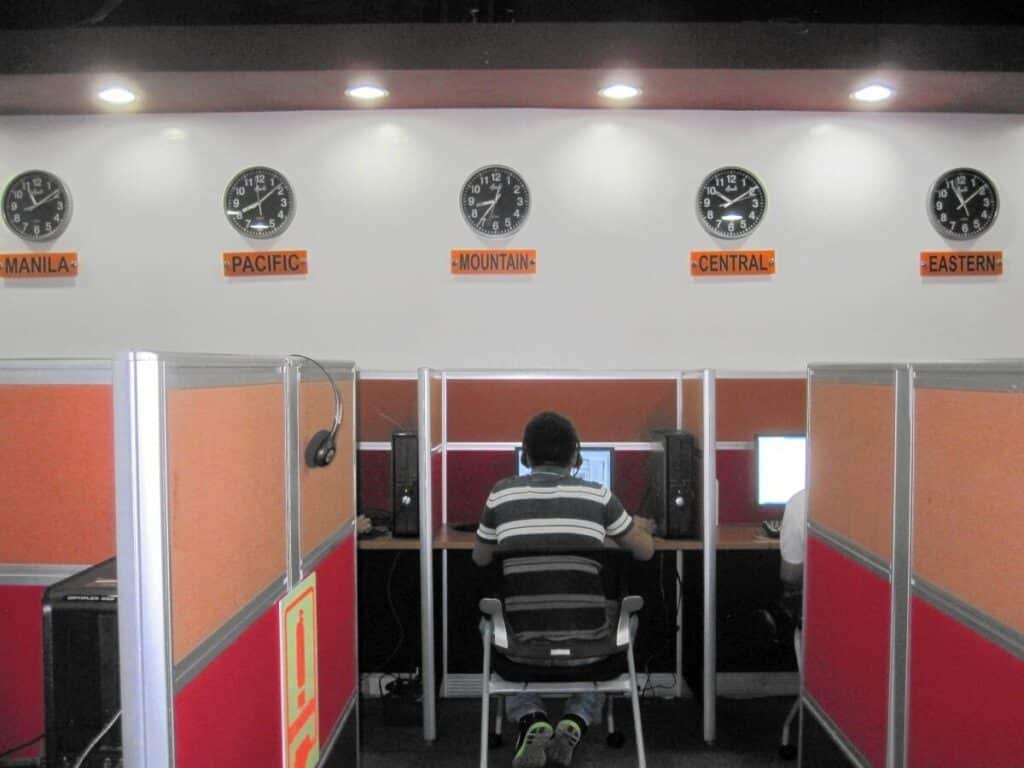
AI systems now resolve routine Tier 1 issues faster and cheaper than human agents . Studies show AI-assisted support improves productivity significantly, especially for novice workers .
When productivity rises, hiring slows.
The future BPO agent isn’t a script reader.
It’s a judgment specialist.
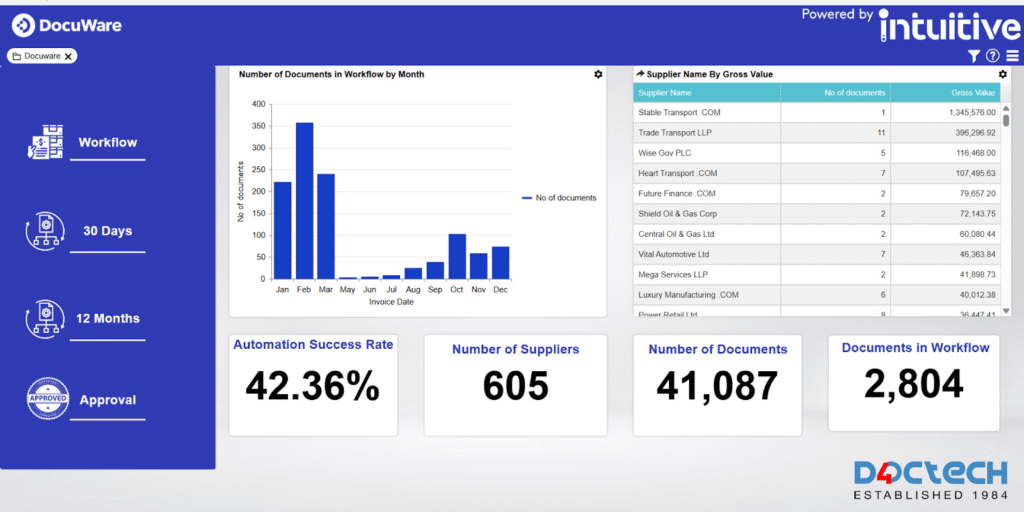
Data entry is one of the fastest-declining occupations due to AI-powered OCR and workflow automation . In outsourcing hubs, headcount reductions are already visible .
Typing data is replaceable.
Validating data integrity is not.

Agentic coding tools now handle boilerplate, testing, and debugging tasks autonomously . Companies are shifting toward senior-heavy teams where fewer juniors are hired.
This creates what analysts call a “Seniority Paradox.”
Writing code is not enough.
Designing systems is the moat.
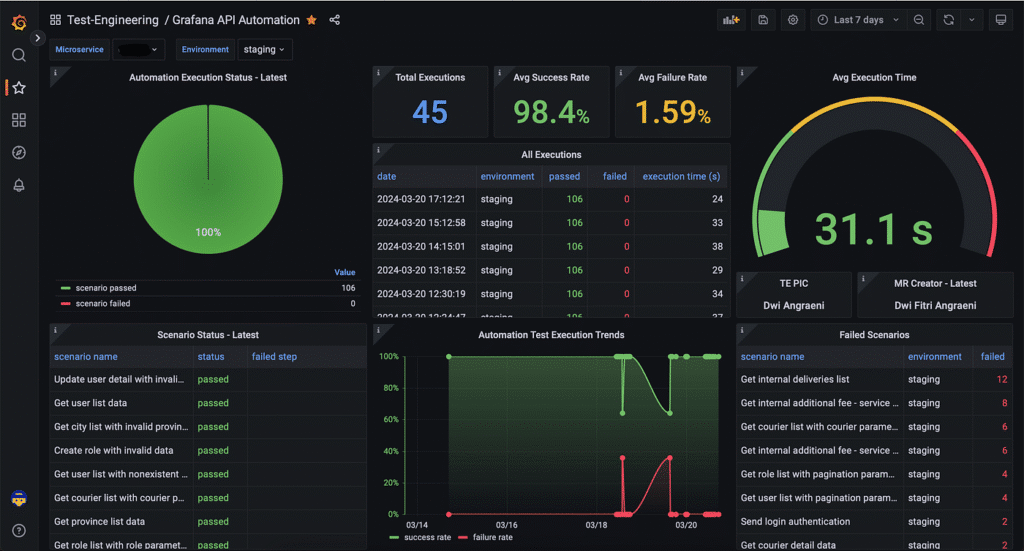
AI-driven testing systems now generate and execute adaptive test cases independently . Debugging pipelines increasingly use autonomous monitoring systems.
Manual checking is shrinking.
System reliability expertise is rising.

Clerical support roles are among the most exposed occupational groups . AI now handles scheduling, drafting, documentation, and routing tasks automatically.
The future assistant is not reactive.
They are process architects.
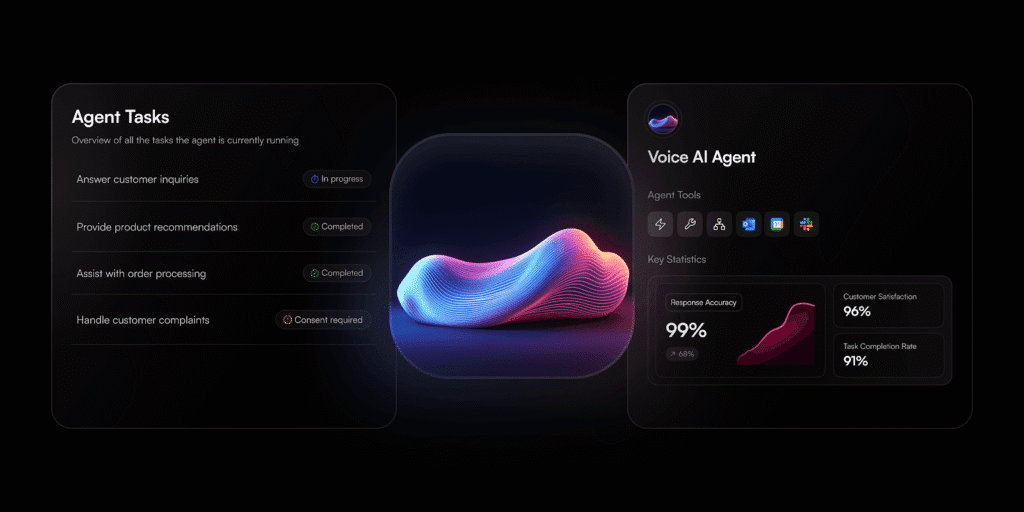
Telemarketing ranks among fast-declining occupations . AI voice systems now handle outbound calls, personalization, and follow-ups at scale.
Script reading is vulnerable.
Strategic selling is not.
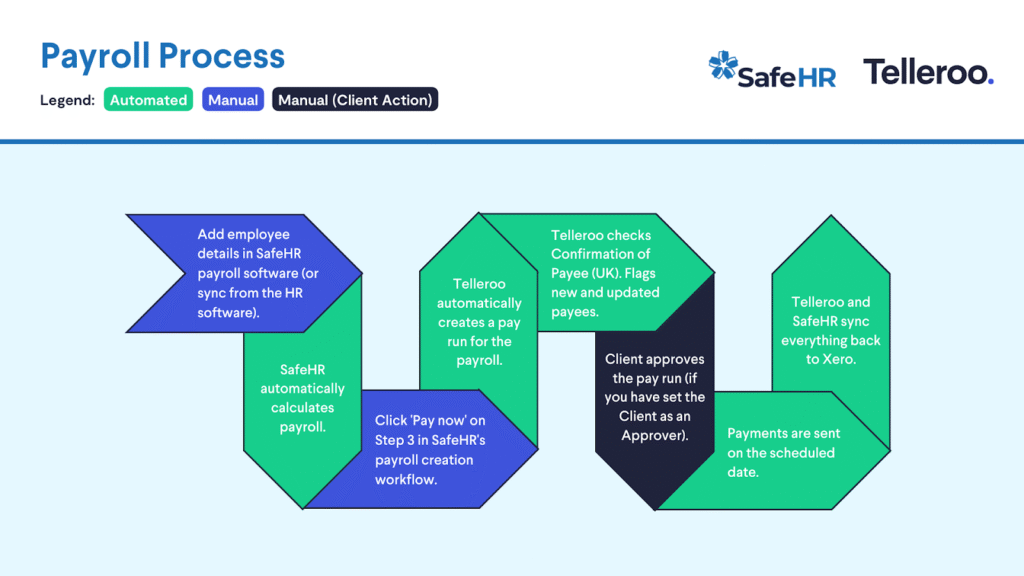
Bookkeeping and payroll are rules-driven and projected to decline due to automation .
AI excels at reconciliation, validation, and anomaly detection.
Transaction processing is automated.
Financial judgment remains premium.
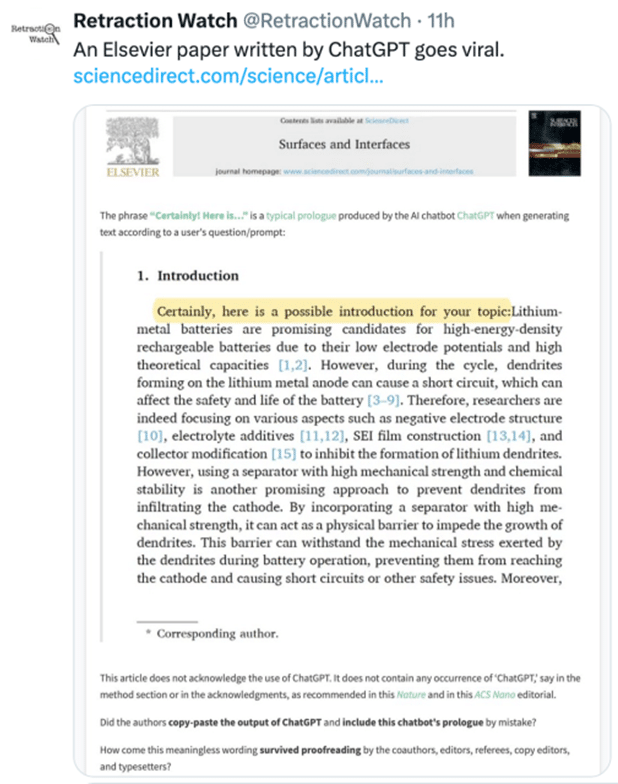
High-volume content production is heavily exposed to generative AI .
Companies now use AI for first drafts and research.
Writing words is easy for AI.
Crafting narratives and strategy is harder.

Standard translation tasks are increasingly automated by context-aware AI systems .
Literal translation is automated.
Cultural nuance consulting is not.

AI performs real-time data synthesis, scanning thousands of sources instantly .
Data gathering is no longer the bottleneck.Upskill Path
Collecting data is automated.
Interpreting ambiguity is not.
Across all ten roles, the trend is consistent:
AI automates:
Humans remain valuable for:
The IMF and global labor institutions emphasize that exposure does not automatically equal total job loss—but outcomes depend on adaptation and complementarity .
The question isn’t:
“Will AI replace this job?”
The real question is:
“Which tasks inside this job are already replaceable?”
2026 is the shift from “Hype” to “Math.”
Companies are evaluating ROI on AI investments and restructuring accordingly .
The workers who thrive will:
AI will not replace professionals who:
The age of AI doesn’t eliminate work.
It upgrades the standards.
Prepare now.