Anouncement

Anouncement

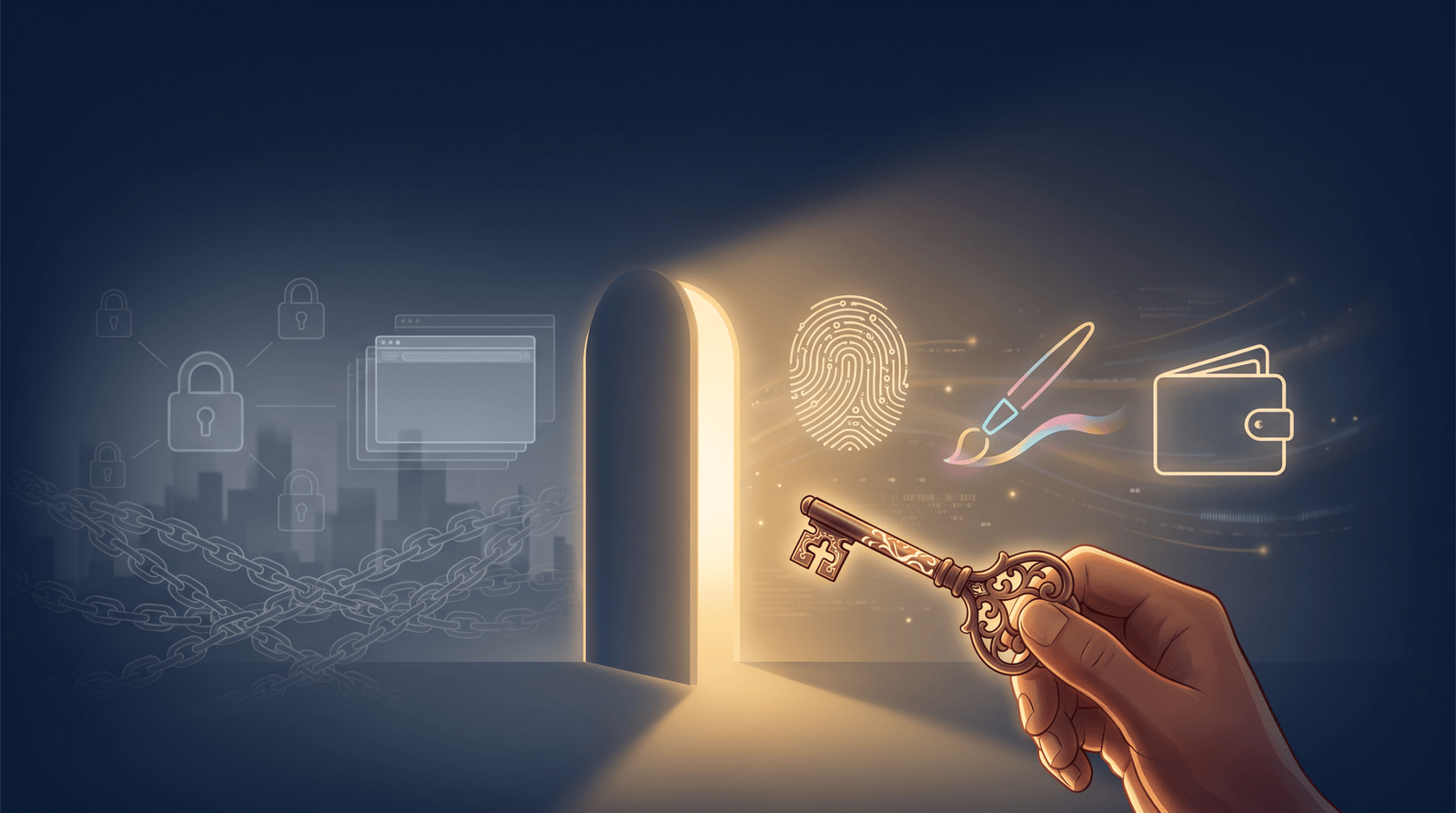
For decades, the traditional path to success followed a familiar formula: go to school, earn a degree, find a job, and climb the career ladder. The classroom was considered the gateway to opportunity, and companies controlled most of the paths available for people to earn income.
But the internet changed the rules.
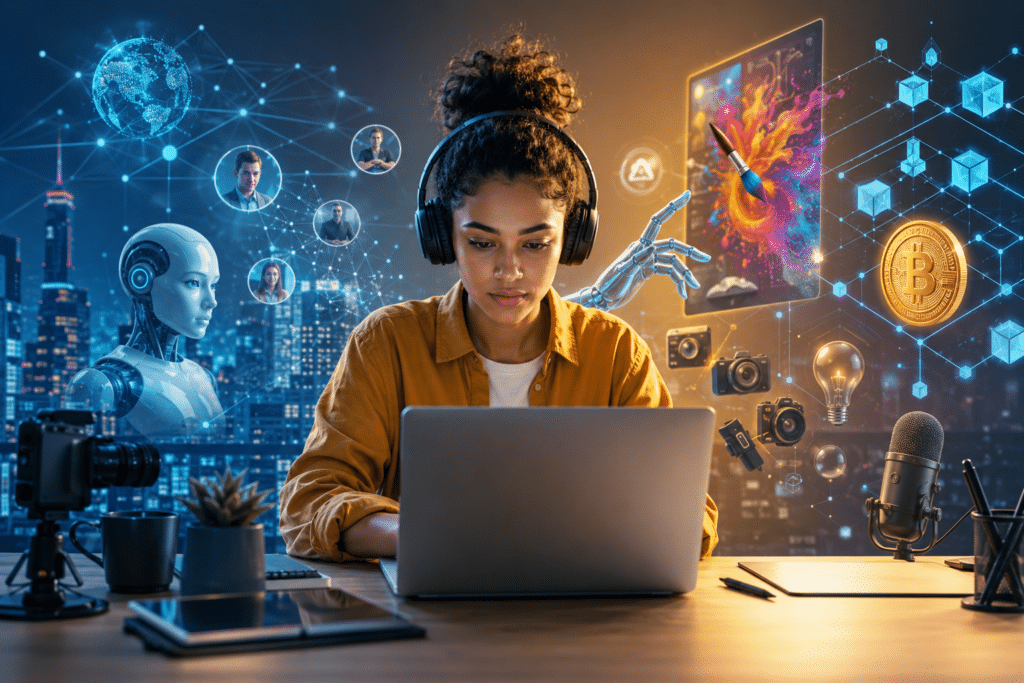
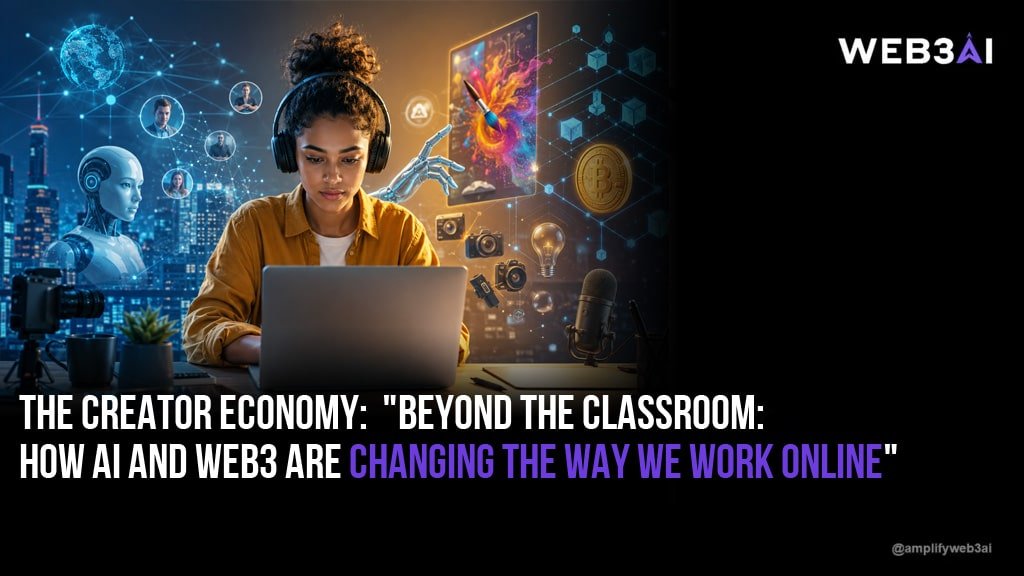
Today, we are witnessing the rise of the creator economy — a digital ecosystem where individuals can build careers, businesses, and communities through content, technology, and online platforms. A person with a laptop, creativity, and internet access can now reach millions of people without needing traditional gatekeepers.
The next evolution of this movement is being powered by two transformative technologies: Artificial Intelligence (AI) and Web3.
AI is changing how creators produce content, automate tasks, and expand their abilities. Web3 is changing ownership, digital identity, and how creators can earn directly from their communities.
Together, AI and Web3 are creating a future where work is no longer limited by classrooms, offices, or geographic borders.
The creator economy refers to the growing number of people who make money by creating digital products, content, communities, and experiences online.
Creators are no longer limited to influencers posting videos. The modern creator economy includes:
Platforms like social media networks, marketplaces, and online learning platforms have allowed individuals to turn their skills and passions into income streams.
A photographer can sell digital assets globally. A teacher can build an online course. A gamer can create a community. A programmer can launch a software product.
The internet has transformed people from employees searching for opportunities into creators building opportunities.
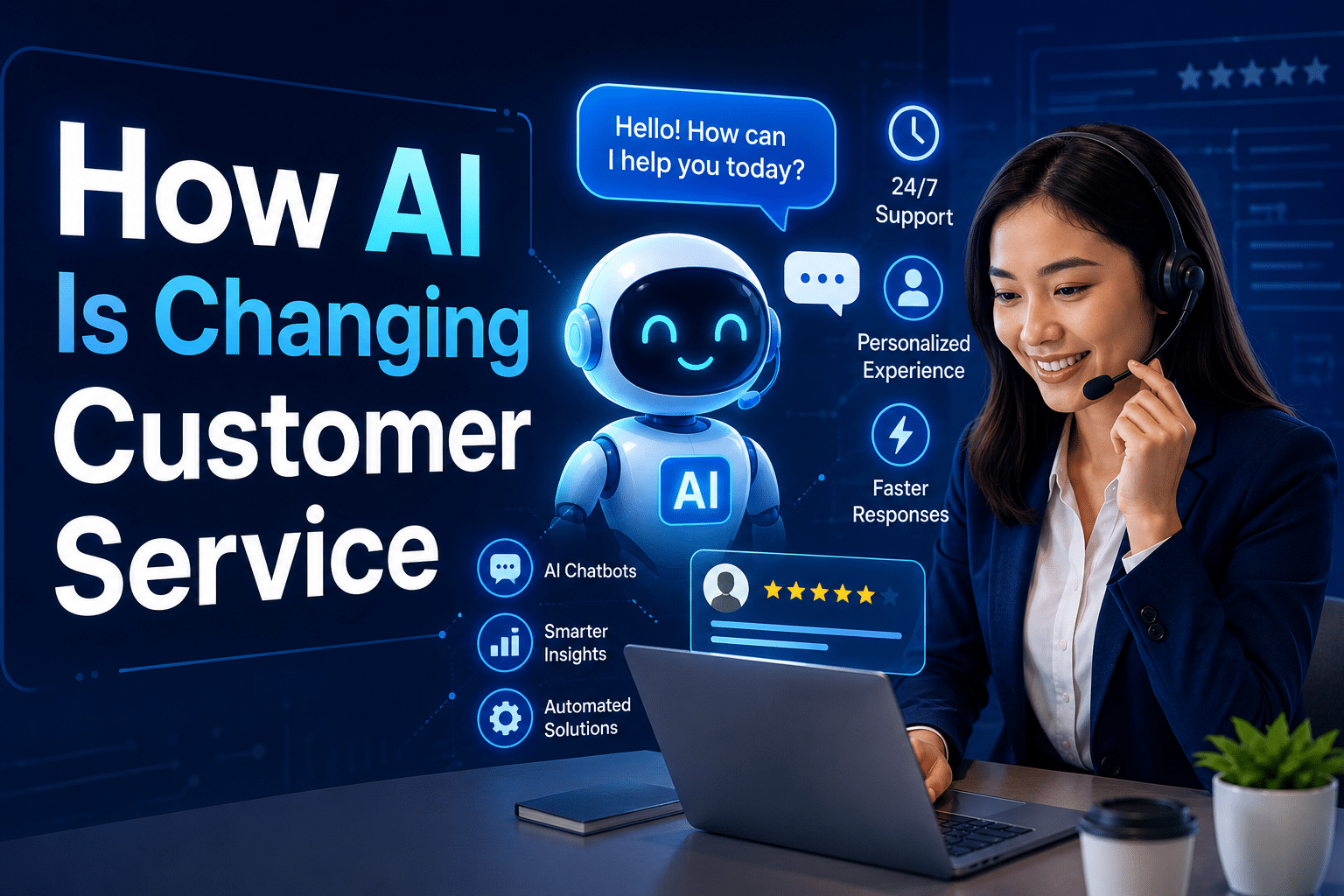
Artificial Intelligence is becoming one of the most powerful tools available to online creators.
In the past, producing high-quality content often required large teams, expensive equipment, or specialized skills. Today, AI tools are lowering those barriers.
Creators can now use AI to:
AI does not replace creativity — it enhances it.
A solo entrepreneur can now accomplish tasks that once required an entire team. A small content creator can compete with larger companies because technology gives individuals access to powerful tools.
This shift is similar to how personal computers changed business decades ago. AI is becoming the next major productivity revolution.
One of the biggest changes AI brings is the transformation of education.
For generations, learning was tied to physical classrooms, textbooks, and institutions. While schools remain important, the internet has created a new form of education: learning on demand.
Anyone can now learn almost any skill online:
AI makes this even more personalized.
Instead of a one-size-fits-all classroom experience, learners can have AI assistants that explain concepts, provide feedback, and adapt to their pace.
The future of education may not be about replacing schools. Instead, it may be about creating a world where knowledge is accessible anytime, anywhere.
The classroom is no longer just a building.
It is the entire digital world.
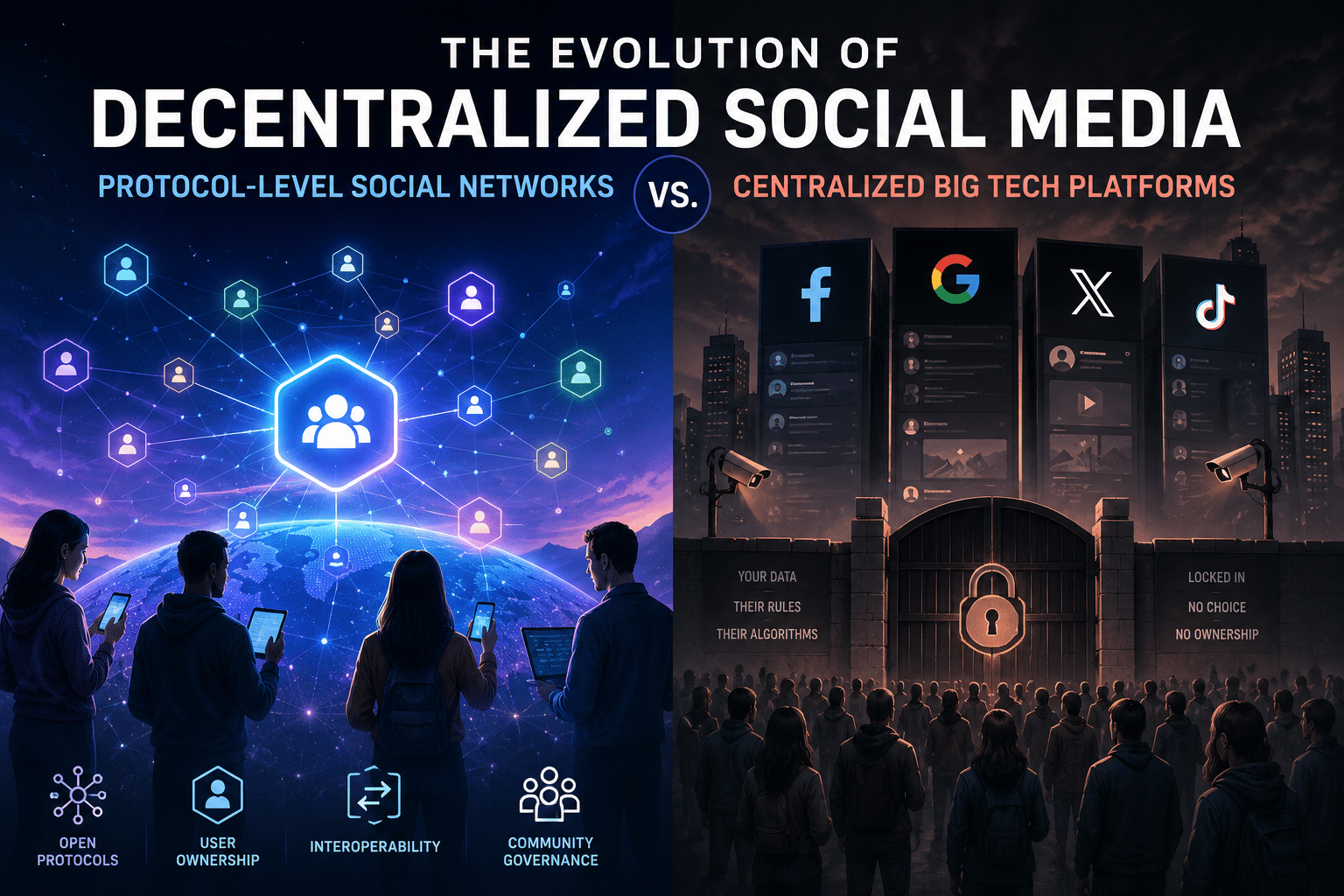
While AI focuses on creation and productivity, Web3 focuses on ownership and decentralization.
Traditional internet platforms often work like this:
Creators produce content → platforms distribute it → platforms control the relationship → creators receive a portion of the value.
Web3 introduces a different model.
With blockchain technology, creators can have more direct relationships with their audiences through:
Instead of depending completely on centralized platforms, creators can build their own ecosystems.
For example, an artist can sell digital artwork directly to supporters. A community leader can create membership systems. A developer can build decentralized applications.
Web3 gives creators new ways to participate in the value they create.
One of the biggest changes in the creator economy is the idea that individuals can become their own brands.
A single person can now operate like a small company.
With AI tools, creators can handle:
This creates a new type of entrepreneur: the digital creator-business owner.
The advantage is not just making content.
The advantage is building an audience, creating trust, and developing valuable digital assets.
A creator’s biggest asset is no longer just their skills.
It is their relationship with their community.
The creator economy has expanded the definition of work.
People are no longer limited to earning money through traditional employment. Today, online income opportunities include:
Creators earn through advertising, sponsorships, memberships, and partnerships.
People can sell:
AI-powered tools allow freelancers to provide services globally.
Creators can build loyal audiences that support products, memberships, and experiences.
Blockchain technology introduces new models for ownership and digital economies.
The future of work is becoming more flexible, personalized, and global.
While AI and Web3 create exciting opportunities, they also bring challenges.
Because technology lowers barriers, more people can create content and launch businesses. Standing out requires originality, consistency, and trust.
The people who understand technology will have an advantage. Learning how to use AI tools, online platforms, and digital systems will become increasingly important.
Web3 aims to improve ownership, but challenges around security, regulation, and user protection remain.
Technology can create content faster, but authenticity, creativity, and emotional connection remain valuable.
People do not just follow information.
They follow stories, personalities, and communities.
The future of online work will likely not be humans versus machines.
It will be humans working alongside machines.
AI will handle repetitive tasks, while humans focus on creativity, strategy, relationships, and innovation.
Web3 may continue changing how people own digital assets and interact online.
Together, these technologies are creating a new economic model where individuals have more tools to create, collaborate, and earn.
A teenager with an idea can build a global audience.
A freelancer in one country can work with clients worldwide.
A creator can turn knowledge into a business.
The opportunities are expanding.
The creator economy represents a major shift in how people think about work, education, and success.
The old path was:
Learn → Graduate → Get hired → Retire
The emerging path is:
Learn → Create → Build → Adapt → Grow
AI gives creators superpowers.
Web3 gives creators new forms of ownership.
The internet gives creators access to the world.
The future belongs to those who continue learning, experimenting, and creating.
The classroom is no longer limited by four walls.
It is everywhere — and the next generation of workers is building the future from anywhere.