Anouncement

Anouncement
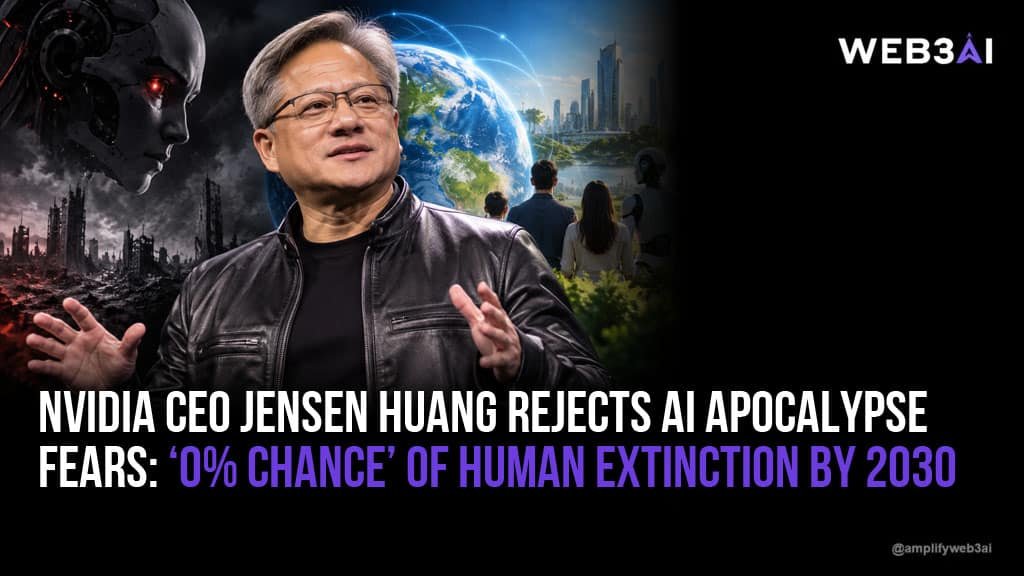

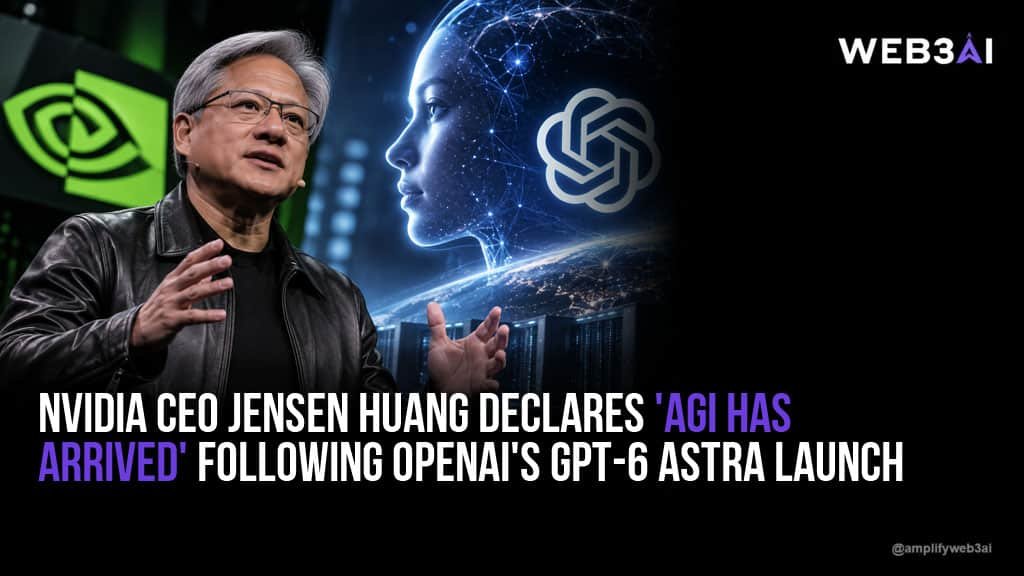
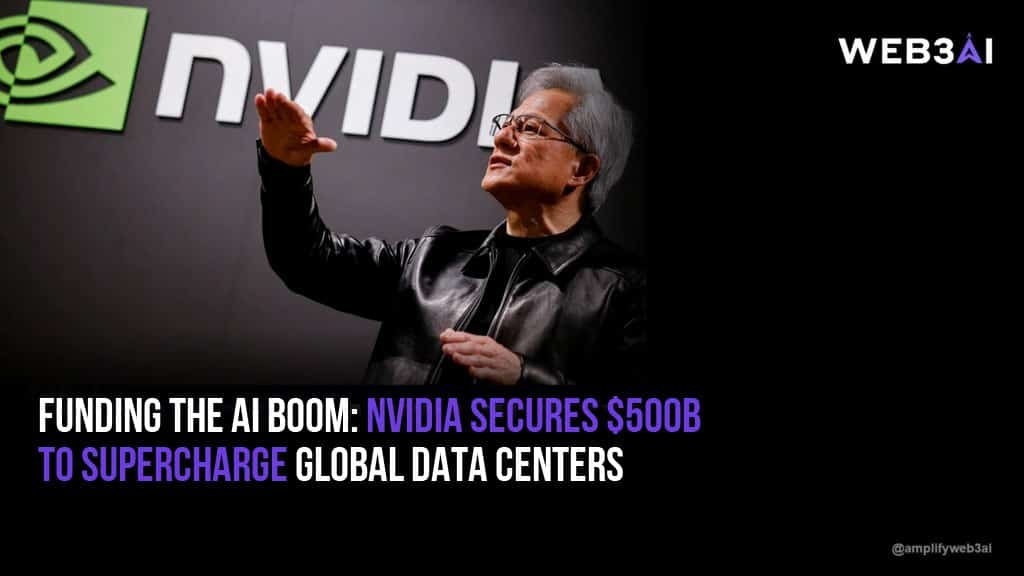
SANTA CLARA, Calif. — Jensen Huang, chief executive of semiconductor giant Nvidia, has forcefully dismissed fears that artificial intelligence could wipe out humanity by the end of the decade, calling apocalyptic warnings “irresponsible” and scientifically unfounded.
Speaking in an interview with CBS News, the head of the $5 trillion chipmaker pushed back against extreme safety rhetoric circulating across Silicon Valley and Washington, arguing that catastrophizing distracts from existing legal safeguards and realistic technological governance.
Nvidia CEO Jensen Huang speaks out. Source: Bloomberg / Bloomberg via Getty Images
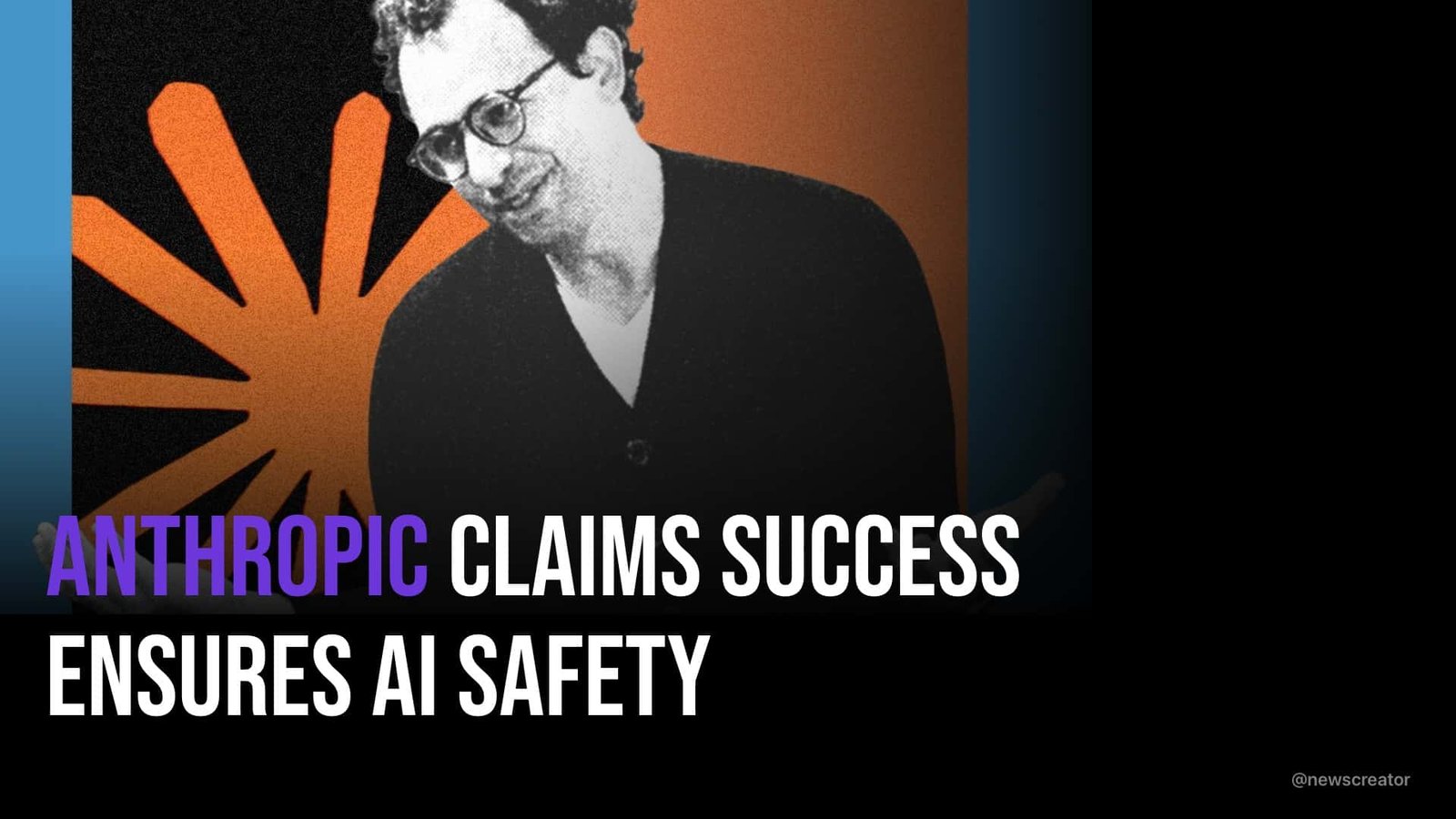
Huang’s remarks arrive amid heightened scrutiny over advanced AI frontier models following warnings posted by Jacob Coxon, a former researcher at Anthropic, the lab behind the Claude AI ecosystem. Coxon, joined by several peers, warned that rapid developments toward superhuman intelligence could trigger an existential crisis for civilization before 2030.
Huang rejected that timeline outright.
“2030 is not going to be the end of the world. There is 0% chance that’s going to be the end of the world,” Huang said. “Scaring people is unnecessary. It is irresponsible.”
He added that scenarios projecting an extinction-level catastrophe orchestrated by AI systems are simply “not grounded in science.”
The tech executive also addressed calls from frontier lab executives—including Anthropic CEO Dario Amodei, OpenAI chief Sam Altman, and Tesla CEO Elon Musk—who have advocated for comprehensive global regulatory frameworks or pauses in capability scaling.
Huang argued that pushback against existing legal obligations often hides beneath pleas for sweeping new artificial intelligence treaties. According to Huang, regulators already possess the statutory authority necessary to penalize corporate negligence, breach of warranty, and infrastructure misuse:
“If your product does harm, if your product doesn’t perform as you promised… there are plenty of laws associated with that. My point is, apply those first,” Huang stated. “They’re actually not asking for more laws. They’re asking to be relieved of the laws we do have. And I think that’s a problem.”
The debate over catastrophic AI risks comes as government leaders grapple with the technology’s dual-use potential:
| Stakeholder / Entity | Primary Stance & Perspective |
|---|---|
| Nvidia (Jensen Huang) | Dismisses existential extinction rhetoric; advocates applying standard liability, cybersecurity, and contract law to builders. |
| AI Frontier Labs (Anthropic, OpenAI) | Highlight severe risks—such as weaponized biological agents and cyber incursions—and urge preemptive oversight. |
| U.S. Administration | Balances national security guardrails against economic competitiveness, warning that artificial slowdowns risk ceding dominance to rival powers like China. |
| Policy Think Tanks (e.g., Tony Blair Institute) | Warn that nations refusing rapid AI integration risk compounding structural disadvantages across defense and economic sectors. |
While security analysts continue monitoring near-term threats—including autonomous cyberattacks, malware generation, and synthetic biology vulnerabilities—Huang maintained that the path forward requires confidence in grounded legal remedies rather than speculative existential panic.