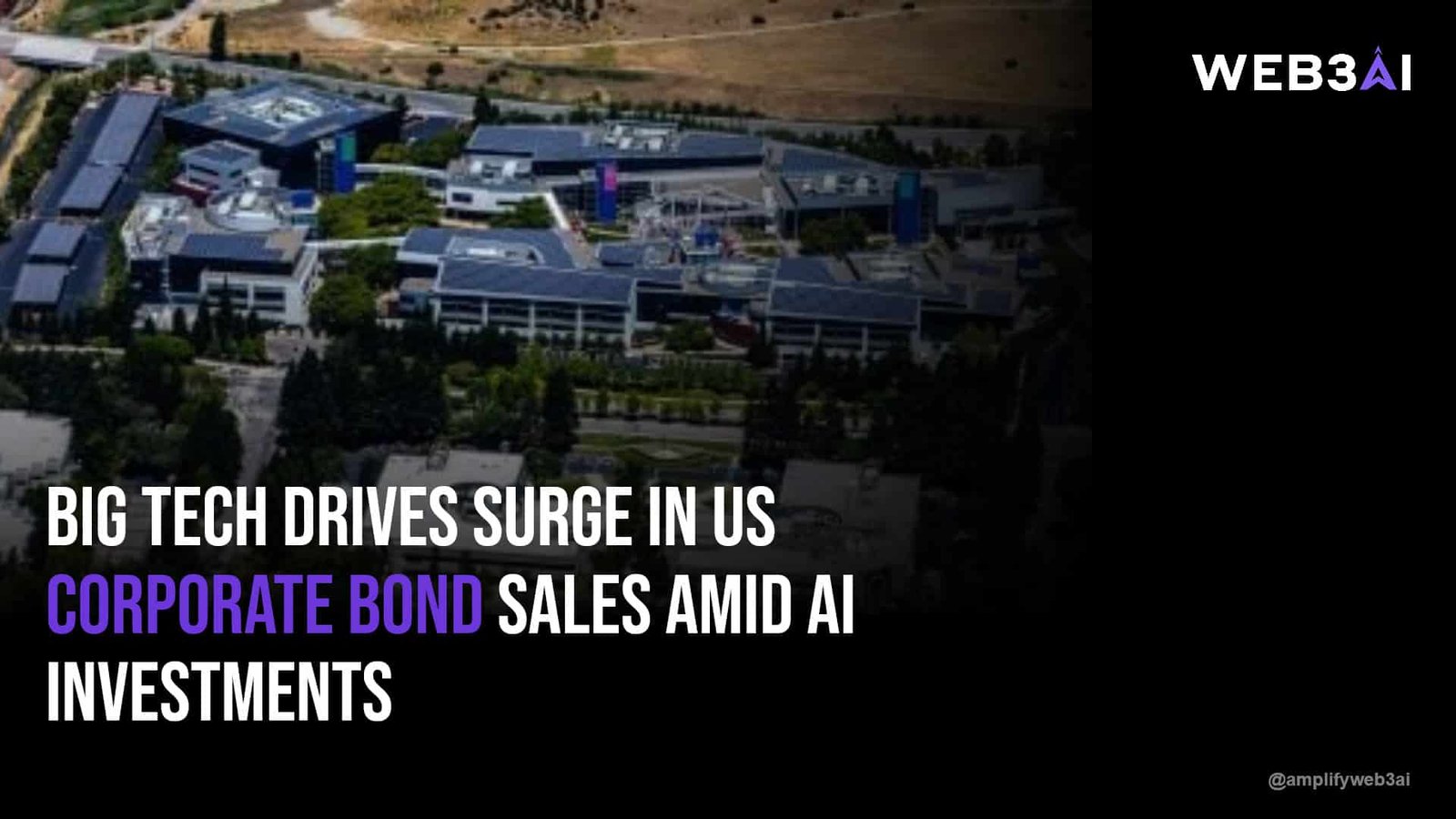
Big Tech drives surge in US corporate bond sales amid AI investments
Ramen
07/25/2026
## Why Big Tech Is Borrowing Billions to Build the AI Future
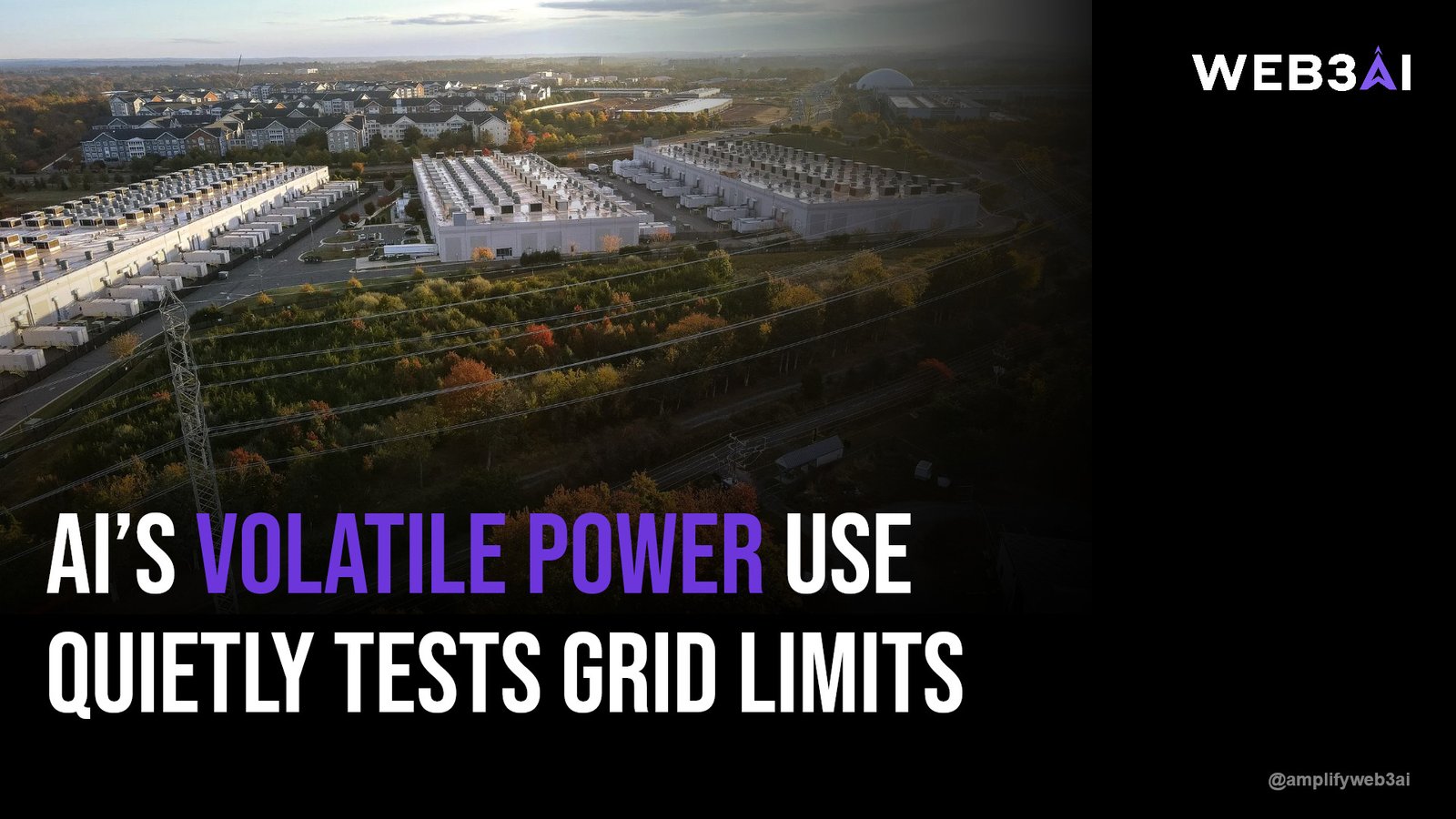
Big tech AI infrastructure spending has reached a scale that even the companies funding it seem uneasy about. Microsoft, Meta, Alphabet, and Oracle have all turned to the corporate bond market in recent months, raising tens of billions of dollars to bankroll data centers, chips, and power capacity for artificial intelligence. This isn’t the cash-rich Silicon Valley of a decade ago — it’s a debt-fueled race that increasingly resembles the capital intensity of industrial-era infrastructure buildouts.
According to Reuters’ coverage of the tech sector’s bond issuance surge, several of the world’s largest tech firms have issued record-breaking debt offerings this year specifically earmarked for AI infrastructure. That’s a notable shift for companies long known for hoarding cash rather than borrowing it. If you’ve felt like AI headlines keep escalating in scale and urgency, you’re not imagining it — the money behind the scenes is escalating just as fast.
In this post, we’ll break down what’s actually driving big tech AI infrastructure spending, why debt has become the preferred funding tool, and what it means for everyday investors, builders, and anyone paying attention to where Web3 and AI intersect.
## What’s Driving Big Tech AI Infrastructure Spending
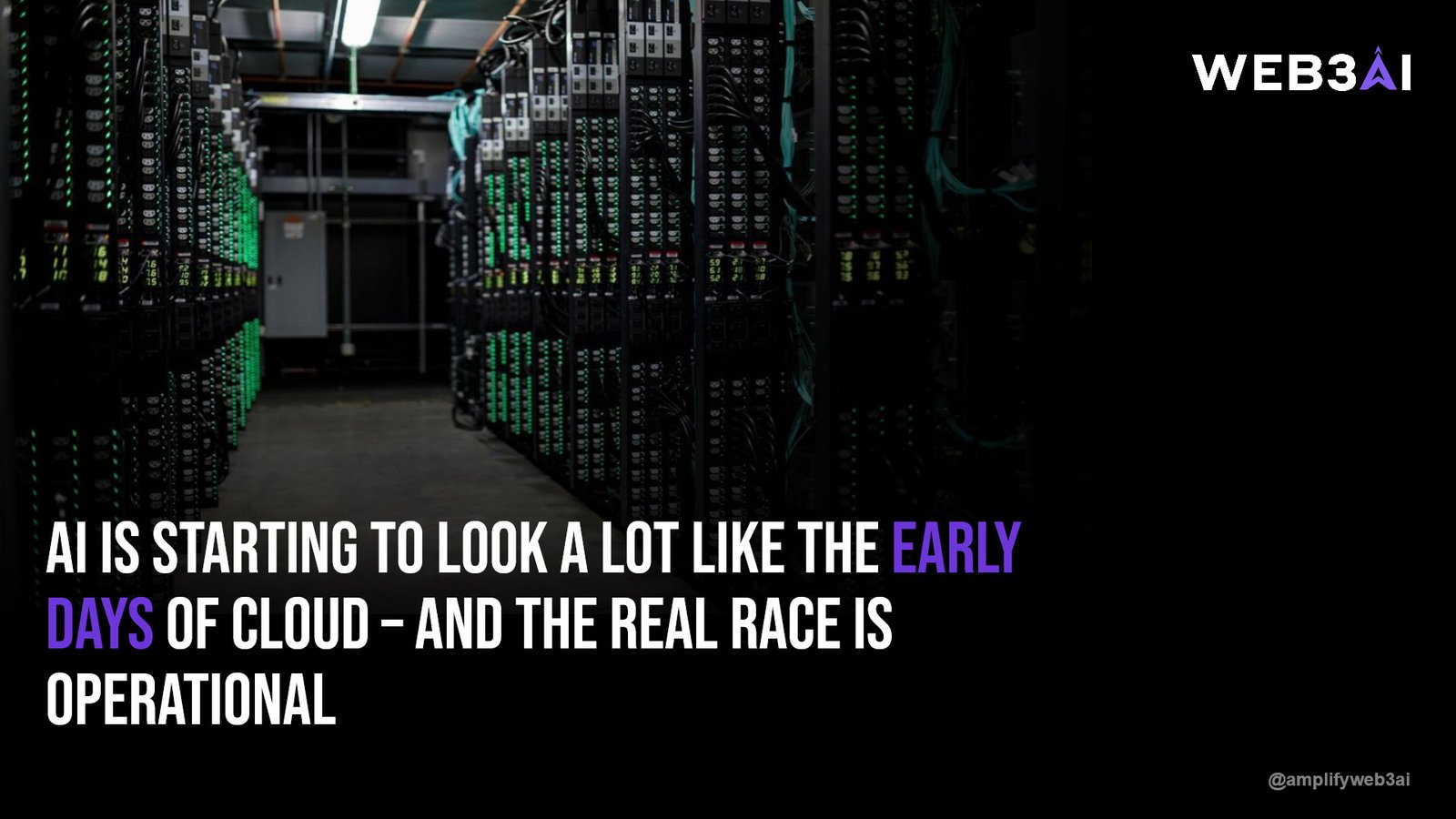
The core driver is simple: AI models are extraordinarily expensive to train and run. Every new generation of large language models demands more compute, more specialized chips, and more energy-hungry data centers. Companies that want to stay competitive in the AI race have little choice but to keep spending, even when it strains their balance sheets.
Historically, companies like Microsoft and Alphabet funded expansion primarily through operating cash flow. That’s changed. Capital expenditures tied to AI have grown so large — often tens of billions of dollars per quarter — that even massive cash reserves aren’t enough to cover it without tapping outside capital.
Bond markets offer a practical solution. Interest rates, while elevated compared to the 2010s, are still manageable for companies with strong credit ratings, and locking in long-term debt lets these firms spread AI infrastructure costs over many years rather than draining reserves all at once.
## The Mechanics Behind the Corporate Bond Surge
Corporate bonds work by allowing a company to borrow directly from investors in exchange for regular interest payments and eventual repayment of principal. For household names like Meta or Oracle, demand from institutional investors has been strong, since these bonds are seen as relatively low-risk compared to other corporate debt.
This dynamic has made 2025 one of the busiest years on record for tech-sector bond issuance. Multiple offerings have been oversubscribed, meaning investor demand exceeded the amount of debt actually issued. That’s a signal that Wall Street still trusts big tech’s long-term earning power, even as the AI capex numbers climb.
Pro Tip: When evaluating any company’s AI strategy, check whether its spending is funded by cash flow or by debt. Debt-funded growth isn’t necessarily bad, but it does raise the stakes if AI returns take longer than expected to materialize.
If you’re trying to understand how this fits into the broader AI and blockchain landscape, our beginner’s guide to Web3 breaks down the foundational concepts that make sense of where AI infrastructure and decentralized systems increasingly overlap.
Understanding foundational Web3 concepts helps decode how AI infrastructure spending connects to decentralized tech. Read more: What Is Web3? A Beginner’s Guide
## Why This Matters Beyond Big Tech
It’s tempting to view this as a story that only affects massive corporations and their shareholders. That’s not quite accurate. When big tech AI infrastructure spending increases, it ripples through chip suppliers, energy grids, cloud pricing, and even the broader crypto and Web3 ecosystem that increasingly relies on the same compute infrastructure.
Startups building AI-powered decentralized applications, for example, often depend on cloud capacity ultimately supplied by these same hyperscalers. When Microsoft or Alphabet expands data center capacity, it can lower costs and increase availability for smaller players building on top of that infrastructure.
There’s also a macro angle worth watching. Heavy corporate borrowing tied to AI could influence broader credit markets, especially if returns on AI investment don’t scale as quickly as spending does. Investors and builders alike should keep an eye on how this debt performs over the next several bond cycles.
## Risks Tied to the AI Bond Boom
Not everyone is comfortable with how fast this borrowing has accelerated. Some analysts have flagged concerns that AI capital expenditure is outpacing clear, provable revenue growth from AI products themselves. That mismatch is exactly the kind of gap that made prior tech cycles — from dot-com to fiber-optic overbuilds — eventually correct sharply.
To be fair, today’s big tech balance sheets are far stronger than those of the dot-com era. Still, the sheer size of recent bond issuances means any slowdown in AI adoption or monetization could have outsized consequences.
Pro Tip: Diversify your understanding of AI exposure — don’t just track stock prices. Corporate bond yields and issuance volume often reveal investor sentiment before equity markets catch up.
For readers exploring how AI tools intersect with practical Web3 use cases, our roundup of AI tools for Web3 projects offers a grounded look at where this infrastructure spending is ultimately headed.
AI tooling built on top of hyperscaler infrastructure is reshaping how Web3 projects operate. Read more: Best AI Tools for Web3 Projects
## How Investors Should Read the Trend
If you’re an investor watching this unfold, there are a few practical signals worth tracking. First, keep an eye on capital expenditure guidance during quarterly earnings calls — companies are increasingly transparent about how much they plan to spend on AI infrastructure. Second, watch credit rating agency commentary, since downgrades or negative outlooks tend to follow closely behind aggressive borrowing trends.
Is the spending funded through cash flow, debt, or a mix of both?
What specific AI products or services is the spending tied to?
How does the company’s debt-to-equity ratio compare to its historical average?
Are credit rating agencies maintaining, upgrading, or downgrading outlooks?
Read the company’s latest 10-Q or 10-K for capex breakdowns.
Check recent bond issuance size and investor demand (oversubscription rates).
Compare AI-related revenue growth against infrastructure spending growth.
Track analyst commentary from major financial outlets for sentiment shifts.
## What This Means for the Web3 and AI Convergence
The AI infrastructure boom isn’t happening in isolation from Web3. Decentralized compute networks, AI-agent platforms, and tokenized infrastructure projects are all watching how centralized hyperscalers scale their capacity. Some see this as competition; others see it as validation that compute demand is only going to grow.
For builders working at this intersection, understanding the broader industry impact of AI infrastructure investment is essential context. Our piece on how AI is transforming blockchain industries explores this convergence in more depth, including where decentralized alternatives to centralized AI infrastructure are starting to emerge.
## Frequently Asked Questions: Big Tech AI Infrastructure Spending
Why is big tech AI infrastructure spending increasing so quickly?
AI models require enormous compute power to train and operate, and demand for AI products has grown faster than most companies anticipated. To keep pace with competitors, big tech firms are rapidly expanding data centers, chips, and energy capacity, which requires massive ongoing investment.
Why are tech companies using bonds instead of cash reserves?
Even companies with large cash reserves have found that AI capital expenditures now exceed what cash flow alone can cover. Bonds allow companies to spread costs over many years while taking advantage of relatively strong credit ratings to secure manageable interest rates.
Is big tech AI infrastructure spending a financial risk?
It carries some risk, particularly if AI monetization doesn’t scale as quickly as spending does. However, most of the companies involved have strong balance sheets and diversified revenue, which reduces — but doesn’t eliminate — that risk.
How does this trend affect smaller AI and Web3 companies?
Increased infrastructure investment from hyperscalers can lower cloud computing costs and improve availability for smaller companies building AI or Web3 products. It also signals strong long-term demand for compute-intensive applications across industries.
What should investors watch regarding big tech AI infrastructure spending?
Investors should track capital expenditure guidance, bond issuance size, credit rating changes, and how closely AI revenue growth tracks with infrastructure spending growth. These signals often reveal risk before it shows up in stock prices.
## Conclusion: Big Tech AI Infrastructure Spending Is Reshaping the Industry
Big tech AI infrastructure spending has moved from a talking point to one of the defining financial stories of 2025. The shift toward debt-funded growth shows just how capital-intensive the AI race has become, and it’s a trend worth watching whether you’re an investor, a builder, or simply someone trying to make sense of where technology is headed next. As centralized and decentralized infrastructure increasingly intersect, understanding these financial dynamics matters more than ever. Explore what we have built at attn.live.