Anouncement

Anouncement
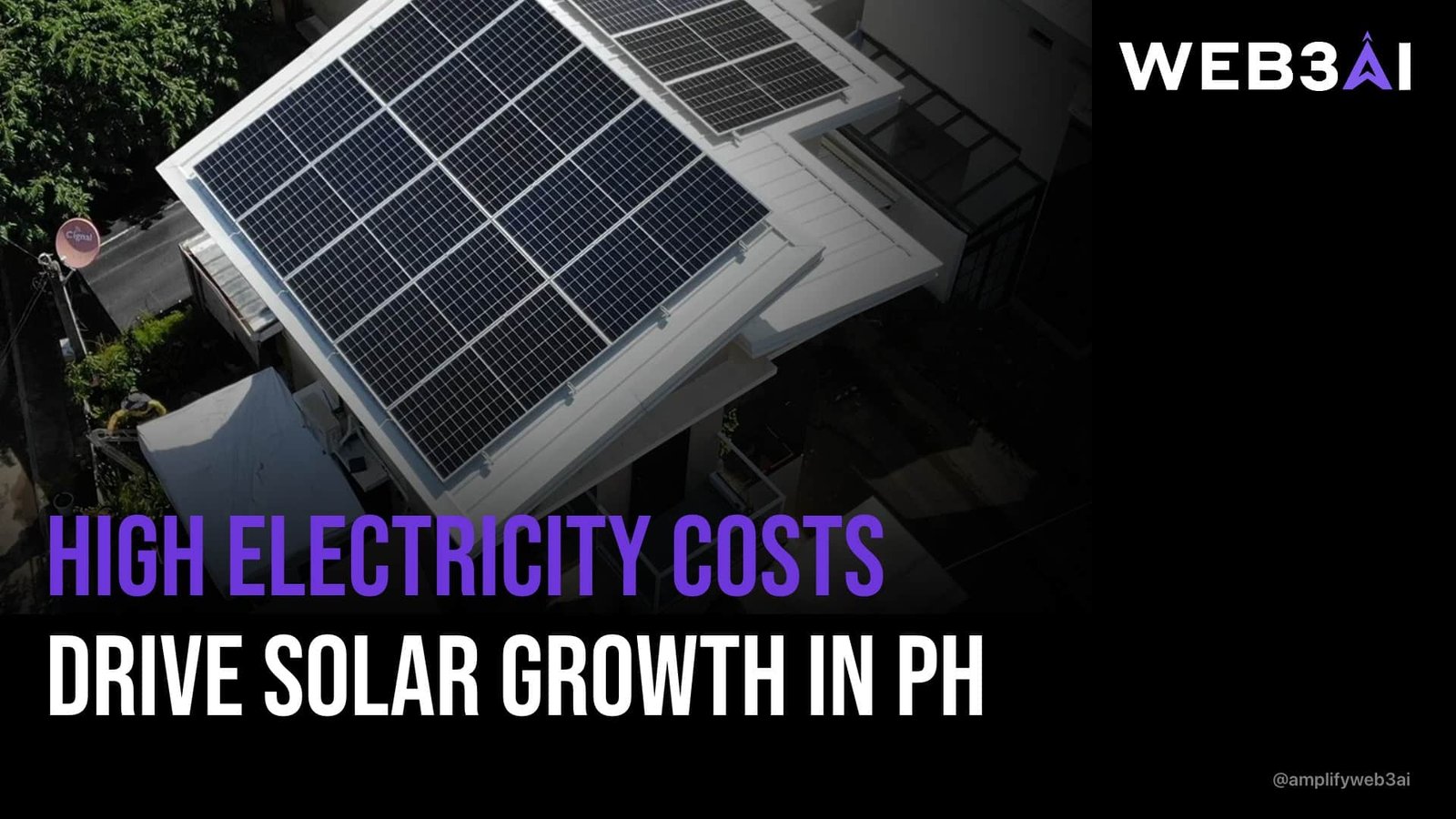

Solar energy Philippines renewable future is no longer just a policy slogan — it is becoming a lived reality for millions of Filipinos who have spent decades enduring some of the highest electricity bills in Southeast Asia. The sun-drenched archipelago receives an average of 4.5 to 5.5 peak sun hours per day, making it one of the most naturally solar-advantaged nations on the planet. Yet despite this geographic gift, the country still relies heavily on coal for more than half of its electricity generation. Something does not add up — and that tension is exactly what makes this conversation so urgent.
The promise is real, but so are the gaps. According to the International Energy Agency’s Southeast Asia Energy Outlook 2024, solar capacity across the region must scale dramatically to meet net-zero targets by mid-century, with the Philippines identified as one of the highest-potential markets in the region. Yet installation rates, grid infrastructure, and policy consistency have not kept pace with the ambition. The result is a country caught between enormous natural potential and structural bottlenecks that keep clean power out of reach for many households.
This post breaks down where the Philippines stands on solar today, what the real barriers are, and why the next five years could either unlock or delay a genuinely transformative energy shift for the nation.
The numbers, on paper, are staggering. The Philippine Department of Energy has set a target of 35% renewable energy in the power mix by 2030, with solar playing a central role. The country’s total technical solar potential has been estimated at over 500 gigawatts — a figure that dwarfs current installed capacity by an almost comical margin. As of 2024, the Philippines has installed roughly 3 to 4 gigawatts of solar, meaning the nation has barely scratched the surface of what is physically possible.
Rooftop solar has emerged as the most democratically accessible entry point. Net metering policies allow households and businesses to sell excess energy back to the grid, creating a financial incentive that did not exist a decade ago. Large solar farms in provinces like Negros Occidental, Pampanga, and Nueva Ecija are already online and generating meaningful capacity. The trajectory is upward — but “upward” still means starting from a very low baseline.
Pro Tip: If you are a homeowner in the Philippines considering rooftop solar, check your local distribution utility’s net metering application process first — approval timelines vary widely by region and can significantly affect your return on investment timeline.
The opportunity is not just environmental. Solar energy independence would reduce the Philippines’ exposure to volatile global coal and liquefied natural gas prices — a vulnerability that was painfully exposed during the 2022 global energy crisis when electricity costs spiked sharply for Filipino consumers and businesses alike.
Technology is rapidly becoming one of the most powerful enablers of solar adoption in the Philippines. Artificial intelligence is being deployed to optimize energy dispatch, predict solar generation output based on weather patterns, and manage the intermittency that has historically made renewables harder to integrate into national grids. For a country like the Philippines — where typhoons, cloud cover, and geographic fragmentation across 7,000 islands create complex energy management challenges — AI-assisted grid optimization is not a luxury. It is a necessity.
Smart inverters, battery storage systems, and demand-response platforms are beginning to appear in pilot programs across Luzon. These tools help smooth out the peaks and troughs of solar generation, making the grid more reliable rather than less. If you want to understand how this technological layer is reshaping energy systems globally and locally, our deep dive on how AI is transforming the energy sector walks through the mechanisms in detail.
The convergence of AI with renewable energy infrastructure is also attracting a new class of investors and developers. Tech-forward energy startups are entering the Philippine market, drawn by the combination of strong solar irradiance, a growing middle class with rising energy demand, and government signals that the regulatory environment is gradually opening up. This is a market in motion — and technology is accelerating it.
Let us be honest about the obstacles, because optimism without clarity is just wishful thinking. The Philippine grid — particularly outside of Luzon — remains fragmented, aging, and ill-equipped to handle large volumes of variable renewable energy without significant upgrades. Distribution utilities in the Visayas and Mindanao operate under different regulatory frameworks, creating inconsistency in how solar projects are approved, connected, and compensated.
Policy continuity is another persistent challenge. Solar developers cite regulatory uncertainty as one of the top deterrents to long-term investment. Rules around feed-in tariffs, renewable energy certificates, and foreign ownership restrictions in the energy sector have shifted enough times to make some investors cautious. The Philippine government has made genuine progress — the Green Energy Auction Program and the renewable portfolio standards are meaningful steps — but execution speed matters as much as policy design.
Financing is perhaps the most underappreciated barrier. Most Filipino households cannot afford upfront solar installation costs, which can run from ₱150,000 to ₱400,000 for a mid-sized rooftop system. Without accessible green lending products, solar-as-a-service models, or community aggregation schemes, the benefits of solar risk remaining concentrated among wealthier households and large commercial entities — widening rather than narrowing the energy equity gap.
Pro Tip: Look for solar leasing and pay-as-you-save programs from local energy cooperatives — these models can reduce or eliminate upfront costs and are beginning to gain traction in several Philippine provinces.
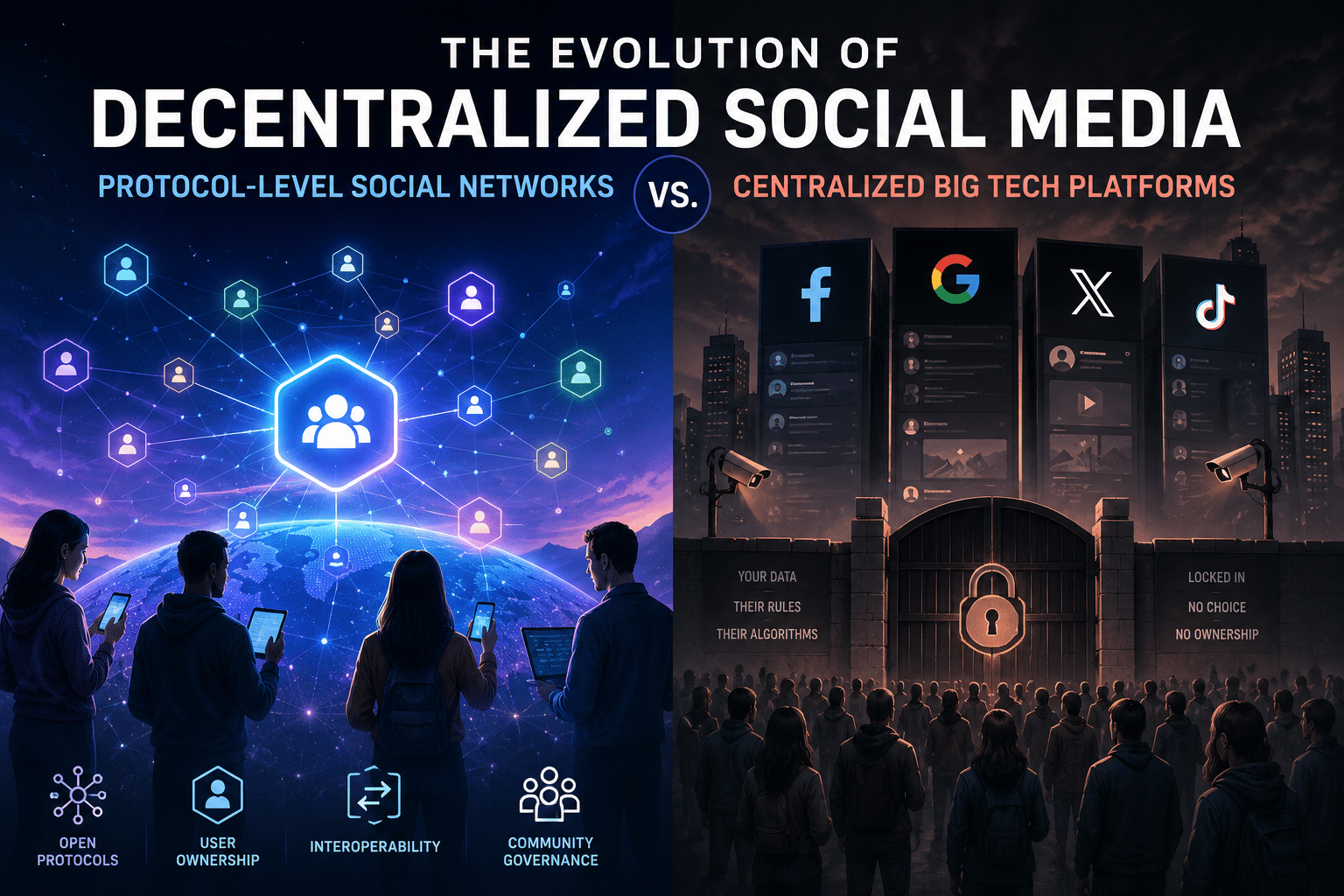
Here is where the conversation gets genuinely exciting. Decentralized energy models — powered in part by blockchain and Web3 infrastructure — offer a compelling answer to the Philippines’ grid fragmentation problem. Rather than waiting for a single national grid upgrade to trickle down to remote islands and rural barangays, peer-to-peer energy trading and tokenized renewable energy certificates could enable communities to generate, trade, and account for their own clean power locally.
This is not science fiction. Pilot programs using blockchain-based energy tracking are already operating in parts of Southeast Asia, and the Philippines — with its strong mobile internet penetration and digitally engaged population — is a natural candidate for adoption. Our article on Web3 and climate tech building a sustainable future explores how these decentralized tools are being applied to real-world energy challenges right now.
The synergy between solar hardware and decentralized digital infrastructure is particularly powerful in an archipelago like the Philippines, where central grid dependency has always been a structural weakness. When each island or community can manage its own energy economy — generating, storing, and trading solar power — the entire system becomes more resilient, not less. That is a fundamentally different relationship between citizen and energy than the Philippines has ever had.
The shift toward decentralized energy is not just a technical conversation — it is a political and social one. When communities own their energy generation, they gain a form of economic sovereignty that centralized utility models have historically withheld. For remote Philippine islands that have relied on diesel generators for decades, a solar microgrid is not merely an environmental upgrade. It is a reduction in fuel costs, an improvement in reliability, and a foundation for local economic development.
Microgrids powered by solar and backed by battery storage are already operating in off-grid communities in Palawan and parts of Mindanao. These projects demonstrate that the technology works at community scale — the remaining challenge is replication and financing at sufficient speed. For a deeper look at how decentralized grid models are evolving globally and what they mean for markets like the Philippines, explore our coverage on the rise of decentralized energy grids.
The trajectory points toward a Philippines where energy is no longer a top-down, utility-controlled commodity but a community-managed resource. That shift will take time, investment, and political will — but the building blocks are already in place.
Moving from potential to reality requires action on several fronts simultaneously — and not all of them are glamorous. Grid upgrades are unglamorous but essential. Without transmission infrastructure capable of absorbing large-scale solar generation, new capacity will remain stranded. The government and distribution utilities need to accelerate grid modernization investment, particularly in the Visayas and Mindanao where energy poverty is most acute.
None of these steps are easy, and none can be done in isolation. But each one compounds the others — better financing unlocks more installations, more installations justify grid upgrades, better grids attract more developers, and the cycle accelerates.
As of 2024, solar accounts for roughly 4 to 5 percent of the Philippines’ total electricity generation — a figure that has grown steadily but remains well below the country’s stated renewable energy targets. Coal continues to dominate the generation mix at over 50%, highlighting the scale of the transition still required. The government’s Green Energy Auction Program is designed to accelerate solar additions through competitive procurement rounds.
The Philippine Department of Energy has set a target of 35% renewable energy in the power mix by 2030, with solar expected to be the largest contributor to new renewable capacity. Beyond 2030, longer-range scenarios point toward 50% renewable energy by 2040. Achieving these targets will require not just new solar installations but significant grid infrastructure upgrades and financing innovation.
The Philippines’ high electricity prices are driven by a combination of heavy reliance on imported coal and liquefied natural gas, an aging grid infrastructure that requires costly maintenance, and a fragmented utility landscape with limited economies of scale. Transitioning to domestic solar generation would reduce exposure to volatile global fossil fuel prices, which is one of the strongest economic arguments for accelerating the solar rollout.
Yes — but access remains the central challenge. Net metering allows households to offset their electricity bills and sell surplus energy back to the grid, creating genuine financial returns. The barrier is upfront cost, which typically ranges from ₱150,000 to ₱400,000 for a functional rooftop system. Solar leasing programs and green lending products are emerging to address this, and their expansion will determine how equitably the solar transition is distributed across income levels.
The Philippines sits within a regional energy transition that is gaining momentum across all of Southeast Asia. The International Energy Agency’s 2024 Southeast Asia Energy Outlook identifies solar as the single largest driver of the region’s clean energy future, with the Philippines among the highest-potential markets. Regional cooperation on grid interconnection, financing frameworks, and technology transfer could significantly accelerate what any single country can achieve on its own.
Blockchain and Web3 technologies offer tools for transparent renewable energy certificate tracking, peer-to-peer energy trading in microgrid communities, and decentralized financing for solar projects. In a geographically fragmented country like the Philippines, these tools are particularly valuable because they can enable energy sovereignty at the community level — without waiting for national grid upgrades to reach every island. Several pilot programs are already exploring these applications across Southeast Asia.
The solar energy Philippines renewable future debate is not really a debate about whether solar can work. The physics is settled, the economics are increasingly favorable, and the technology is proven. The real questions are about speed, equity, and political commitment — whether the country can deploy solar fast enough to matter, broadly enough to be fair, and consistently enough to attract the sustained investment the transition requires. The Philippines has every natural advantage it needs. What it needs now is the institutional and financial architecture to match that advantage.
The convergence of solar hardware, AI-powered grid management, and Web3 decentralization tools creates a genuinely new possibility: an energy system that is cleaner, cheaper, more resilient, and more democratically distributed than anything the Philippines has had before. That future is not guaranteed — but it is closer than it has ever been, and the decisions made in the next three to five years will determine whether the country seizes it or delays it by another decade.
Explore what we have built at attn.live.