Anouncement

Anouncement

In the time it took you to open this article and read the first paragraph, three new AI tools were likely launched, a dozen “thought leaders” posted a thread on why you’re failing if you aren’t using a specific blockchain protocol, and the tech landscape shifted just enough to make you feel like you’re standing on moving sand.
Welcome to The Paradox of Speed.
In Episode 8 of the podcast, we tackled a question that is currently haunting every professional, creator, and entrepreneur: How do we stay relevant without losing our minds? The pressure of the 24/7 tech cycle has created a culture of perpetual anxiety. We feel constantly “behind,” even when we are working at a breakneck pace. But here’s the secret: the solution isn’t a faster processor or a new subscription. The solution is your internal framework.
We are living through what some call the “Red Queen” effect—a concept from Through the Looking-Glass where you have to run as fast as you can just to stay in the same place. In the tech world, this manifests as the feeling that if you aren’t early to every trend, you’ve already lost.
This speed is an illusion. While the output of technology is accelerating, human capacity to process change remains relatively constant. When we try to match the speed of the machine, we experience burnout, decision fatigue, and a total loss of creative direction. We stop asking, “Is this good?” and start asking, “Is this new?”
At ATTN.LIVE, we’ve been leaning into Human-First Content. We’ve realized that in an age of automated noise, the most valuable thing we can offer is thoughtfulness. Our latest blogs are designed to be a sanctuary a place where we slow down enough to actually see where we are going. Because if you’re running in the wrong direction, it doesn’t matter how fast you’re moving.
We spend thousands of dollars on the latest laptops and software suites. We obsess over “productivity hacks” and browser extensions. But we rarely invest in Mindset Tech.
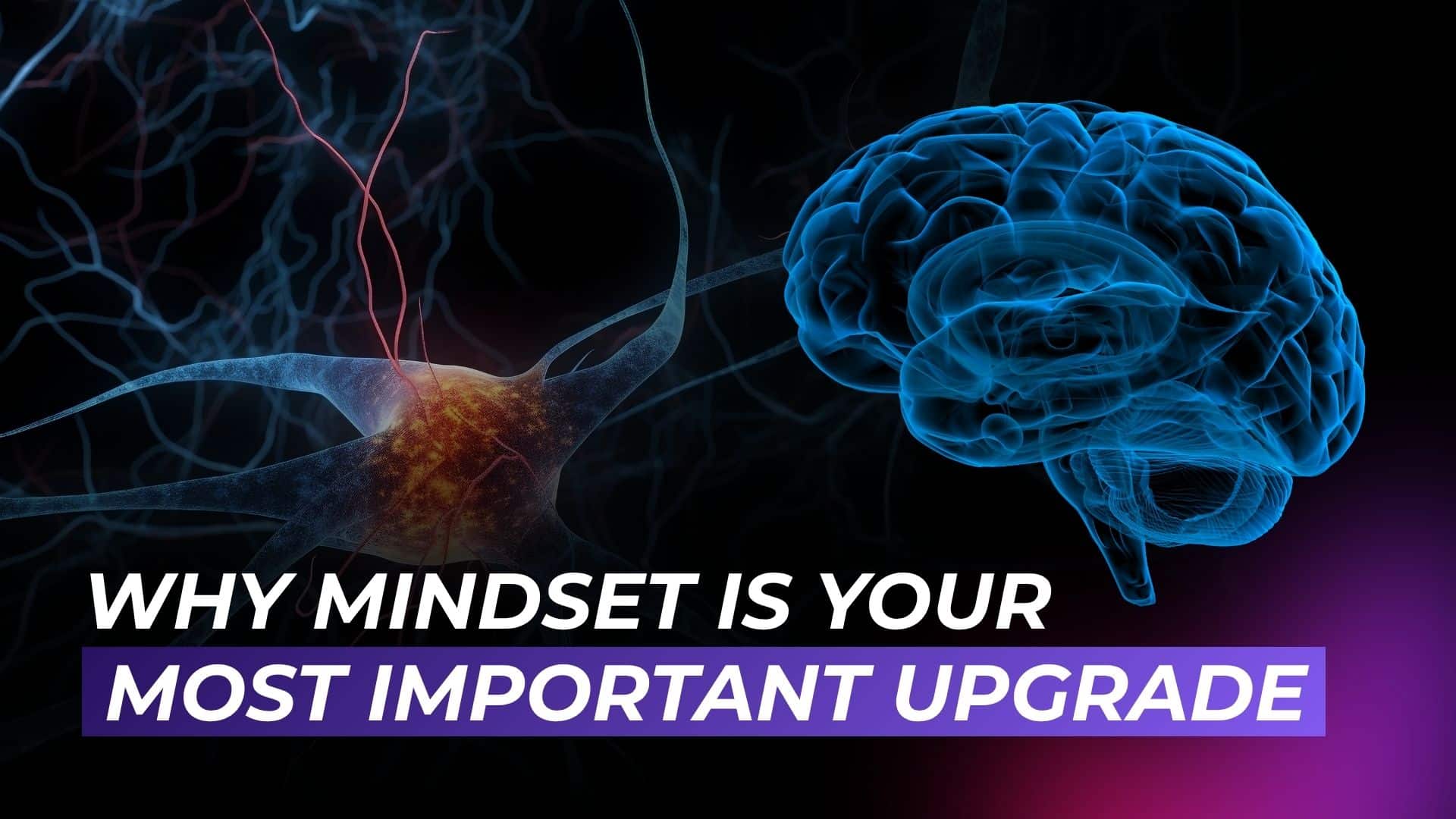
Your internal framework is the “Operating System” that runs your life. Think about it: you can give the most advanced 3D modeling software to two different people. One will use it to create a masterpiece; the other will get frustrated by the interface and quit. The difference isn’t the software; it’s the mindset of tech.
Mindset tech is the collection of values, filters, and mental models you use to process the world. If your internal OS is outdated—if it’s still running on “fear of missing out” or “linear thinking”—it will crash when you try to run the “exponential change” of the 2020s. To survive the modern era, you need to upgrade your discernment, not just your hardware.
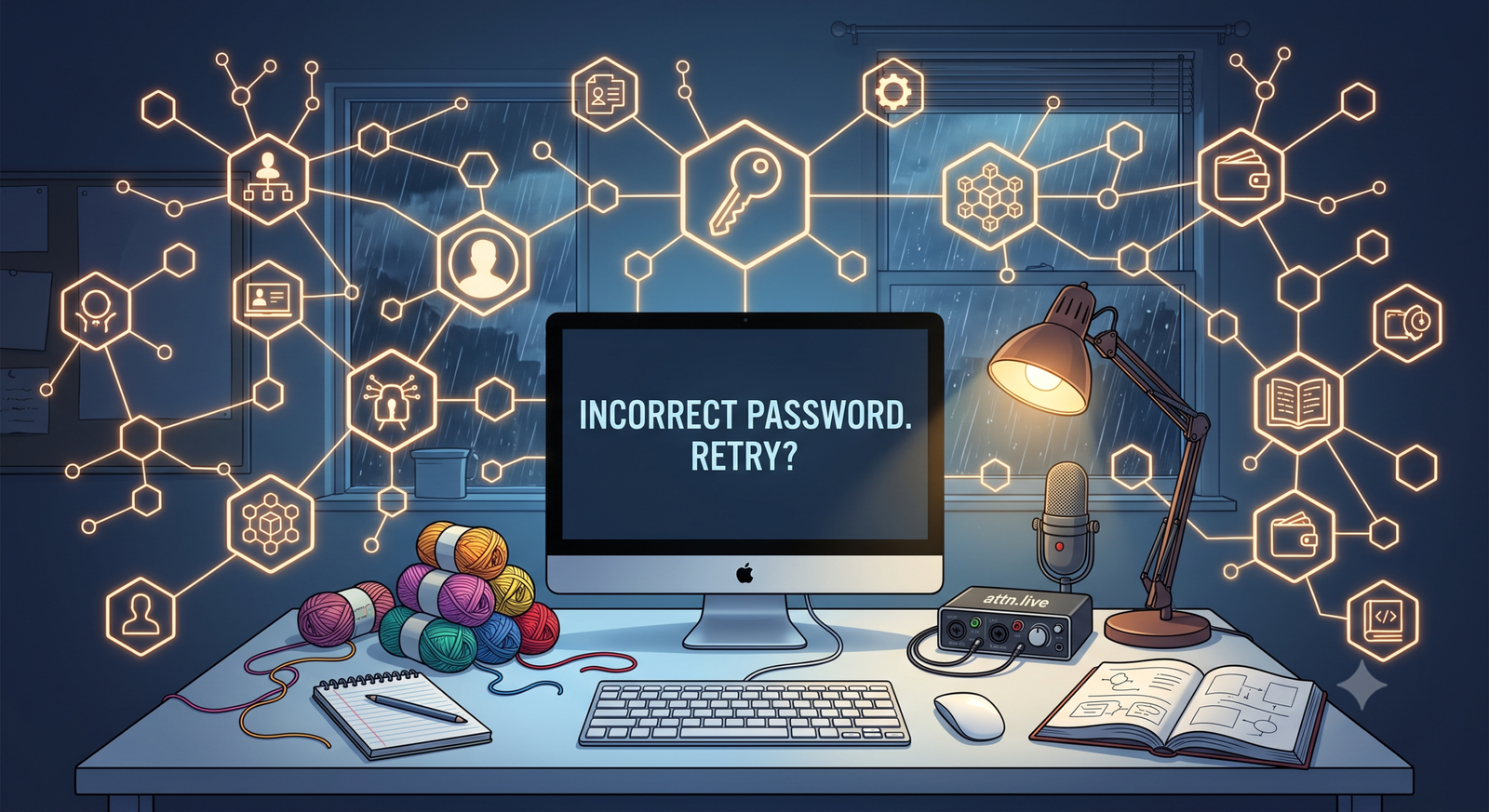
Imagine the current flow of information the tweets, the headlines, the product launches—as a constant storm.
For most of us, our current strategy is to stand right in the middle of the downpour, trying to catch every single raindrop. We want to know everything. We want to see everything. The result? We’re soaked, cold, and miserable.
Information is like the weather; it is a natural force that you cannot control. You cannot stop the storm of new AI developments or the thunder of Web3 volatility. But you can build a shelter.
Building your shelter means defining your boundaries. It means realizing that you don’t need to be “in the rain” to know that it’s raining. Discernment is the roof over your head. It allows you to watch the storm from a place of safety and warmth, choosing exactly when you want to step out and engage with it, rather than being at the mercy of the elements.
In a world that demands instant reactions, “Slow Thinking” is a superpower. When a new tool goes viral, the “Fast Thinking” brain screams: “Download it! Everyone else is! You’re getting left behind!”
The “Slow Thinking” brain asks: “What does this actually enable me to do that I couldn’t do yesterday? Does this solve a problem I actually have?”
Perspective is the ability to zoom out. When you are zoomed in, every “firework” (as we discussed in previous episodes) looks like a sun. When you zoom out, you realize it’s just a momentary flash in a much larger sky. Perspective protects your time, and time is the only non-renewable resource you have.
To help you build that “shelter,” I use a personal system for evaluating any new trend. Before I let a new piece of tech into my headspace, it has to pass through these three logic gates:
“Signal” is information that is useful, accurate, and actionable. “Noise” is everything else. Most of what we see on social media is noise—people talking about things they don’t understand to get engagement from people who are equally confused. Ask yourself: Is this a fundamental shift in how things work, or is it just a loud marketing campaign?
Just because a tool is “efficient” doesn’t mean it’s right for you. If your value is human connection, but a new AI tool automates your interactions to the point of being robotic, it’s a bad fit. Innovation should amplify who you are, not replace you.
This is the ultimate “hype-killer.” Think back to the trends of twelve months ago. How many of them are still part of your daily workflow? If a trend feels like it has the “half-life” of a TikTok dance, don’t give it your best hours. Focus on the “infrastructure” that will be here for the decade, not the firework that will be gone by Tuesday.
How does this look in practice? When a new tool let’s say a new “AI Agent” or a “Social Protocol” starts blowing up your timeline, pause.
Instead of jumping in impulsively, give it 72 hours. During those three days, the early adopters will find the bugs, the critics will find the flaws, and the actual utility will begin to surface. By waiting, you save yourself the “installation cost” of your time. If it’s truly revolutionary, it will still be there in three days. In fact, it will probably be better documented and easier to use.
Chasing waves is exhausting. If you spend your whole life paddling after the next big swell, you’ll be too tired to actually ride it when it arrives. Surfing the tech landscape is different. A surfer sits out past the break, watching the horizon. They don’t try to catch every ripple. They wait for the right wave—the one that aligns with their skill level and their goals. Then, they paddle with intent.
We know that talking about “mindset tech” can feel a bit abstract. That’s why we wanted to build something interactive for you.
We’ve officially launched the WEB3AI Mini-Game! It’s a low-pressure, fun way to test your knowledge of the current landscape. Think of it as a “stress test” for your discernment. Can you spot the difference between a real innovation and a well-funded hype machine? It’s a great way to engage with these concepts without the high stakes of real-world investing or career pivots. Check it out at the link in our bio—let’s see how high you can score!
If you take nothing else away from this, remember this: You do not need to adopt everything to stay relevant.
The most relevant thing you can be in an AI-driven world is a discerning, thoughtful, and creative human being. Technology is a tool, a surfboard, a piece of infrastructure—but you are the architect.
Don’t let the speed of the cycle dictate the rhythm of your life. Build your shelter, upgrade your internal OS, and remember that the best “tech” you will ever own is the mind between your ears.