Anouncement

Anouncement

In the fast-paced world of technology, we are constantly bombarded by the “Next Big Thing.” Whether it’s the sudden explosion of Generative AI, the fluctuating promises of Web3, or the metaverse, the cycle is always the same: a wave of intense excitement followed by a “trough of disillusionment.”
But for entrepreneurs, investors, and curious observers, the million-dollar question remains: How do you tell the difference between a high-speed hype train and a foundation of real innovation?
In a recent episode of the Web3 and AI Made Simple podcast, I dove deep into this distinction. Understanding this difference isn’t just an intellectual exercise—it’s a survival skill in the modern digital economy.
To navigate the future, we first have to define our terms.
Hype is a marketing phenomenon. It is driven by FOMO (Fear Of Missing Out), speculation, and the promise of “overnight” transformation. Hype focuses on the potential of a technology to make you rich or change the world instantly, often before the technology is even functional or accessible.
Real Innovation, on the other hand, is a utility phenomenon. It is the practical application of a new idea that solves a specific, identifiable problem. Innovation is often quiet, iterative, and—contrary to popular belief—boring in its early stages because it focuses on infrastructure rather than aesthetics.
Human psychology is wired for narrative. We love the “hero’s journey” of revolutionary technology. Hype feeds on three specific triggers:
So, how do we spot the real deal? Real innovation usually carries several distinct “fingerprints”:
Real innovation makes a process easier, faster, or cheaper. If a “new technology” adds ten steps to a process that used to take two, it isn’t innovating; it’s over-complicating. True innovation, like the transition from physical mail to email or from manual data entry to AI automation, removes friction from the human experience.
Hype starts with a solution (e.g., “We have a blockchain!”) and goes looking for a problem. Real innovation starts with a pain point (e.g., “Cross-border payments take five days and cost 10%”) and uses whatever technology—AI, Web3, or even a simple database—solves it best.
As I often point out, the most successful innovations eventually become invisible. You don’t think about the “TCP/IP protocol” when you send a WhatsApp message; you just send the message. When a technology stops being a “topic of conversation” and starts being a “tool for living,” it has graduated from hype to innovation.
The podcast specifically highlights the current state of AI and Web3 as the primary battlegrounds for hype vs. reality.
AI has existed for decades, but it recently entered a massive hype cycle. The “hype” version of AI is the fear that it will replace all humans tomorrow. The “innovative” version of AI is a tool that helps a doctor analyze an X-ray 20% faster or helps a student summarize a 50-page research paper. We are currently seeing a shift where companies are moving away from “AI for the sake of AI” and toward “AI for specific business efficiency.”
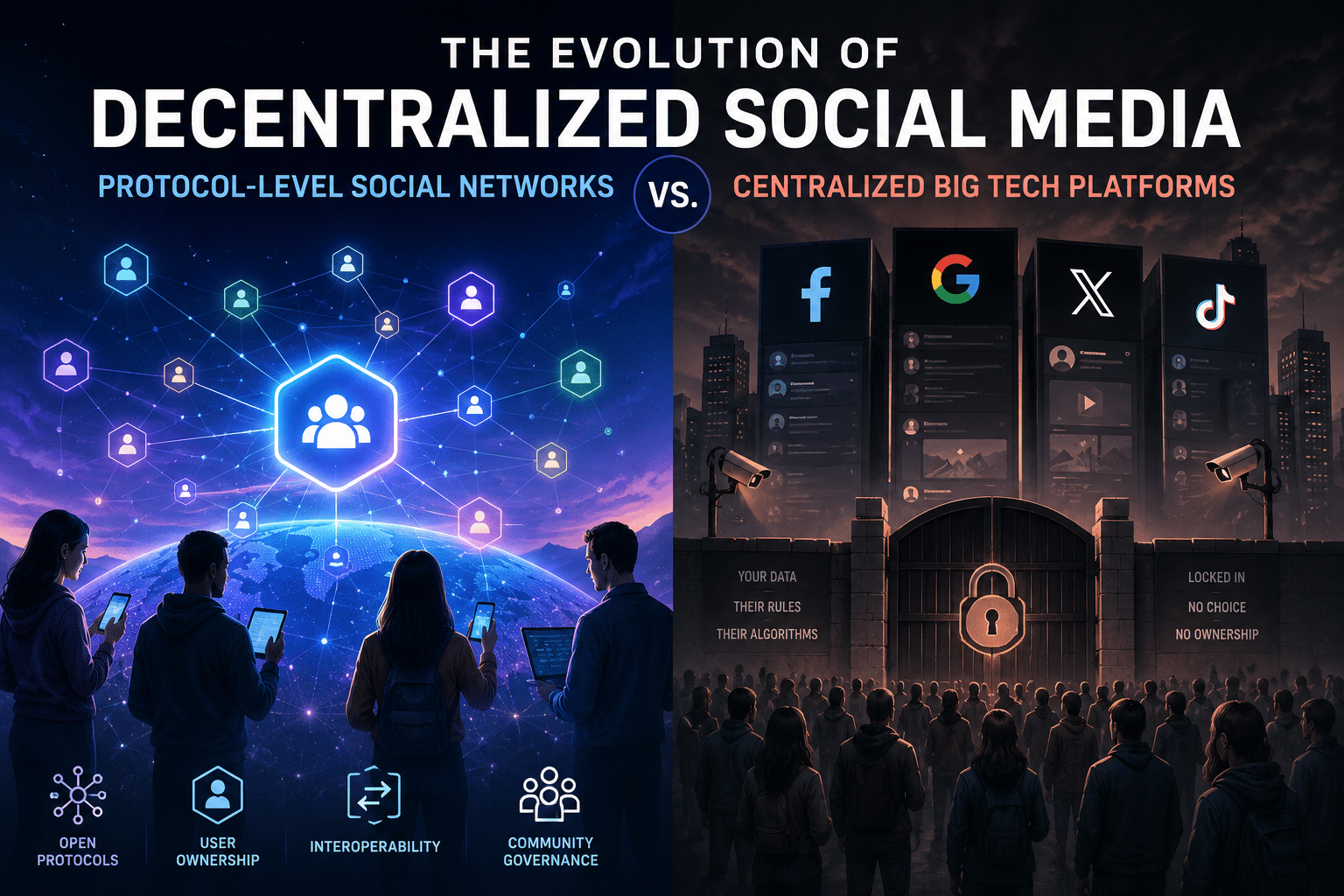
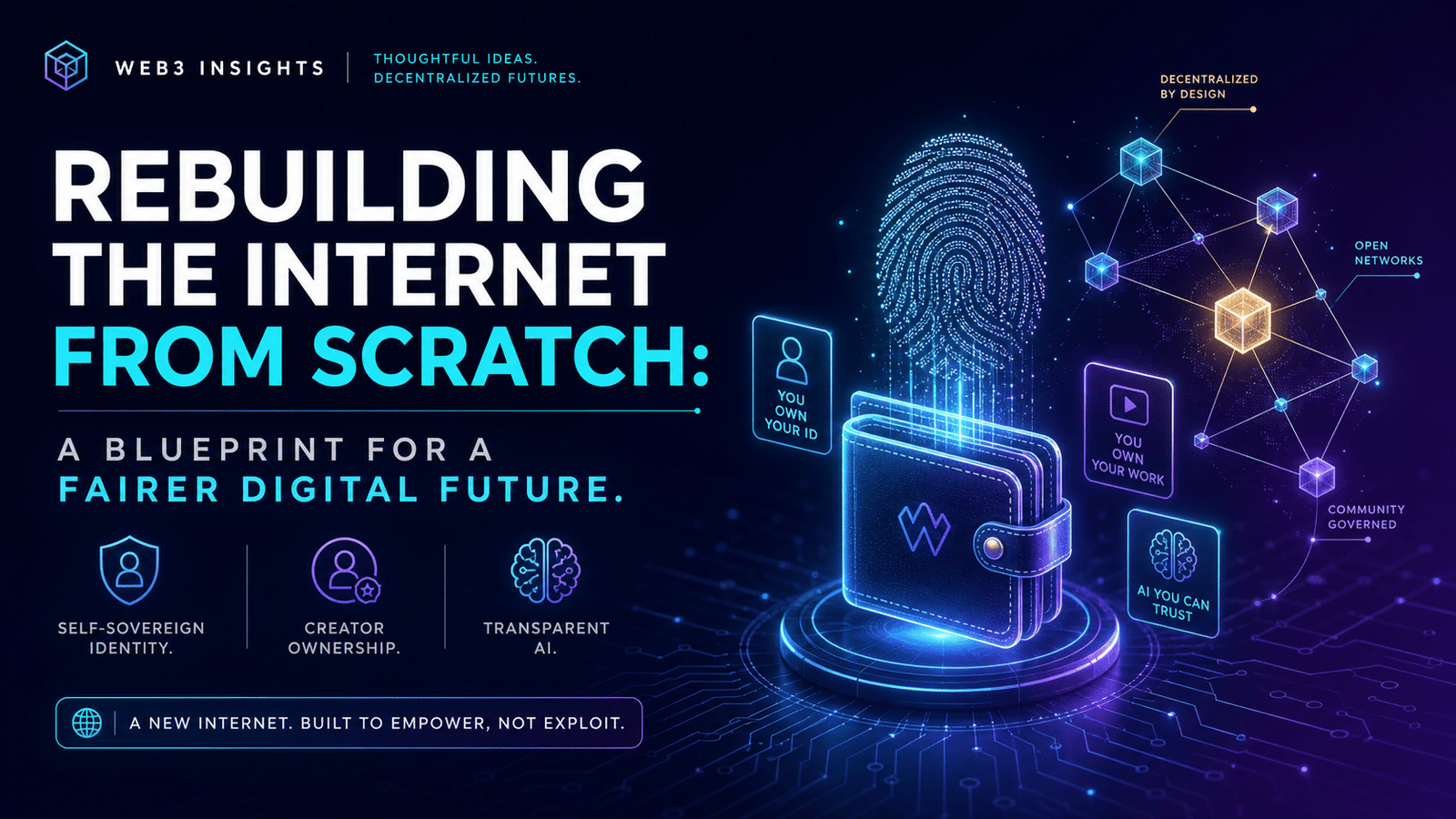
Web3 (blockchain, decentralization, ownership) is currently recovering from a massive hype hangover. The hype was about “monkey pictures” and get-rich-quick schemes. The real innovation of Web3 is the concept of digital sovereignty—the ability for an individual to own their data and digital assets without a centralized middleman like a big tech corporation or a bank.
If you are a founder or a leader trying to decide where to invest your time and resources, use this checklist:
There is a flip side: The Cynic’s Trap. Just because something is hyped doesn’t mean it isn’t real. The internet was incredibly hyped in 1999, and the “dot-com bubble” eventually burst. Many people dismissed the internet as a “fad” because of the hype. However, the underlying innovation (global connectivity) was real, and those who saw past the bubble to the utility built companies like Amazon and Google.
The goal isn’t to be a cynic; it’s to be a critical optimist. Acknowledge the potential, but demand evidence of utility.
In the Web3 and AI Made Simple podcast, the message is clear: Clarity is protection. The “Difference Between Hype and Real Innovation” is often just a matter of time and transparency. Hype burns bright and fast, fueled by excitement. Real innovation burns slow and steady, fueled by service and solution.
As we move deeper into this decade of rapid change, don’t let the noise of the hype cycle deafen you to the quiet progress of real innovation. Move slowly, ask “why” more often than “how much,” and remember that the best technologies aren’t the ones that make the most noise—they’re the ones that make the most difference.
For more insights on navigating the future of technology without the headache, listen to the full episode of Web3 and AI Made Simple with me (Riza Utile) on YouTube or your favorite podcast platform.