Anouncement

Anouncement

The room was filled with graduating students—some smiling, some anxious, and most quietly asking themselves the same question:
“Am I ready for the real world?”
They expected a typical talk—something about careers, success, or chasing dreams.
Instead, what they experienced that day challenged everything they thought they knew about the future.
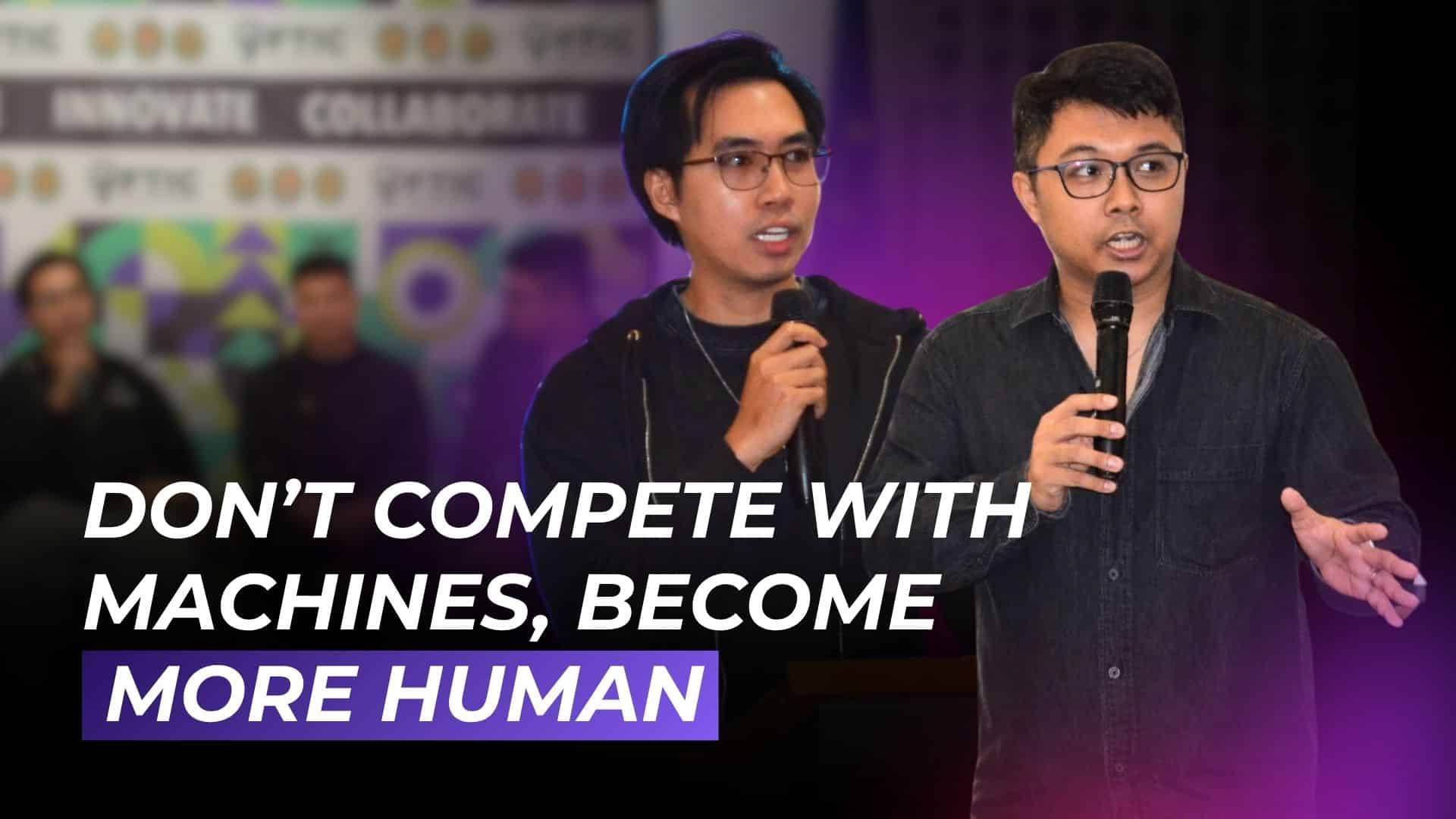
Not just from one speaker—but from two.
And both carried the same message in different ways:
👉 The future is not about competing with AI.
👉 It’s about understanding what makes you human.
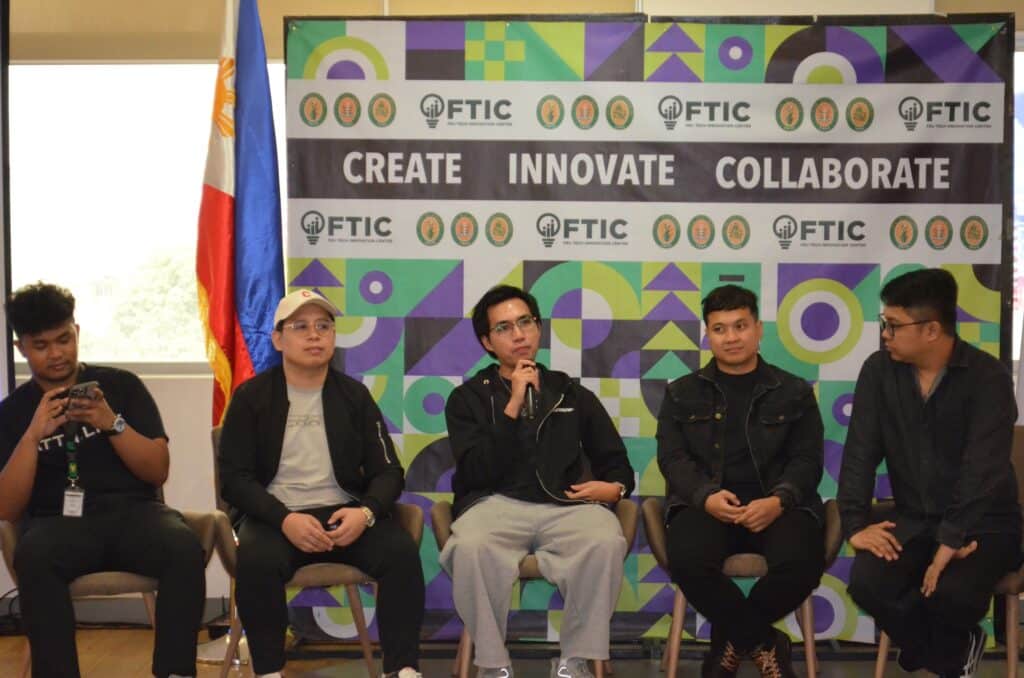
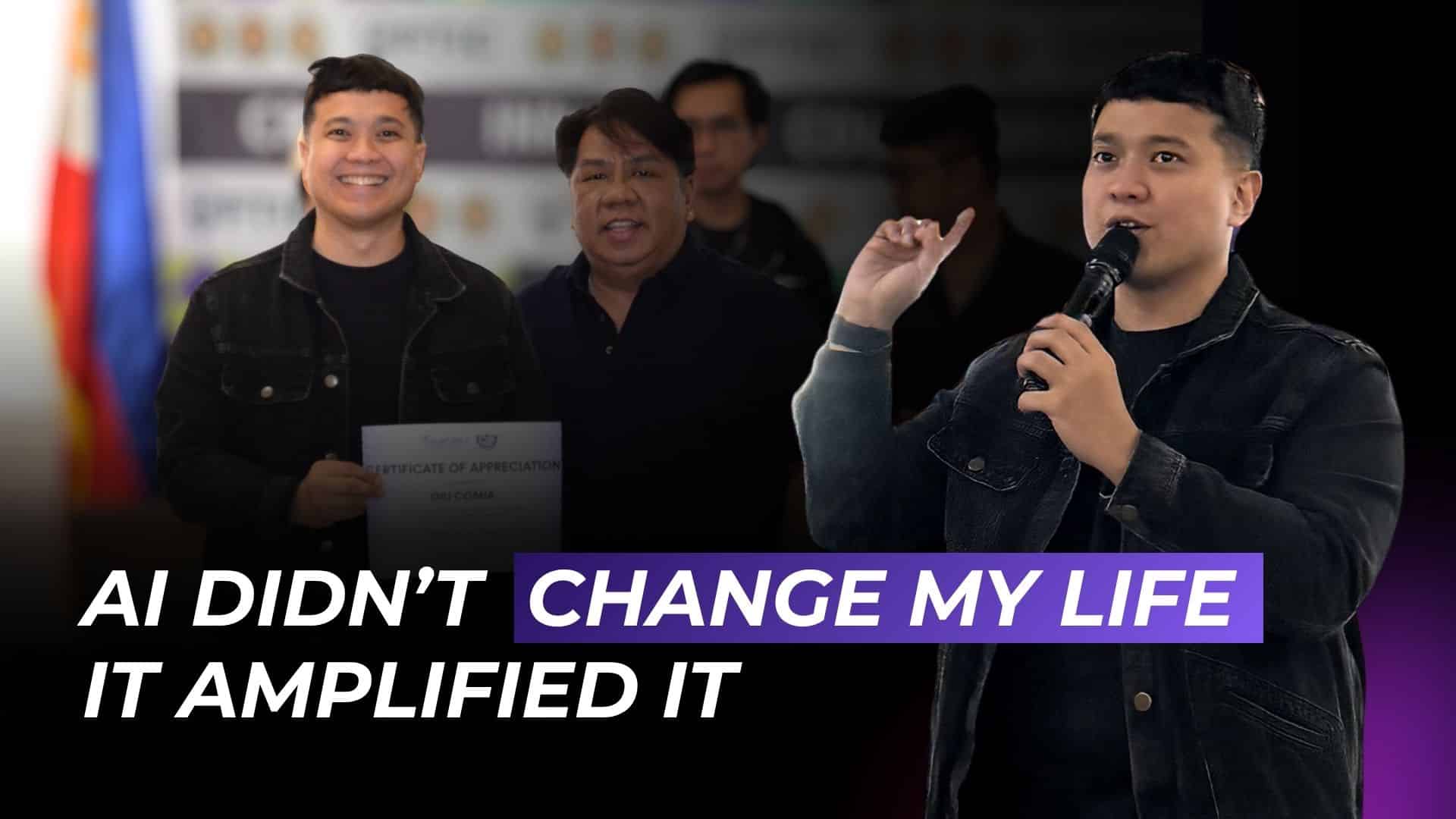
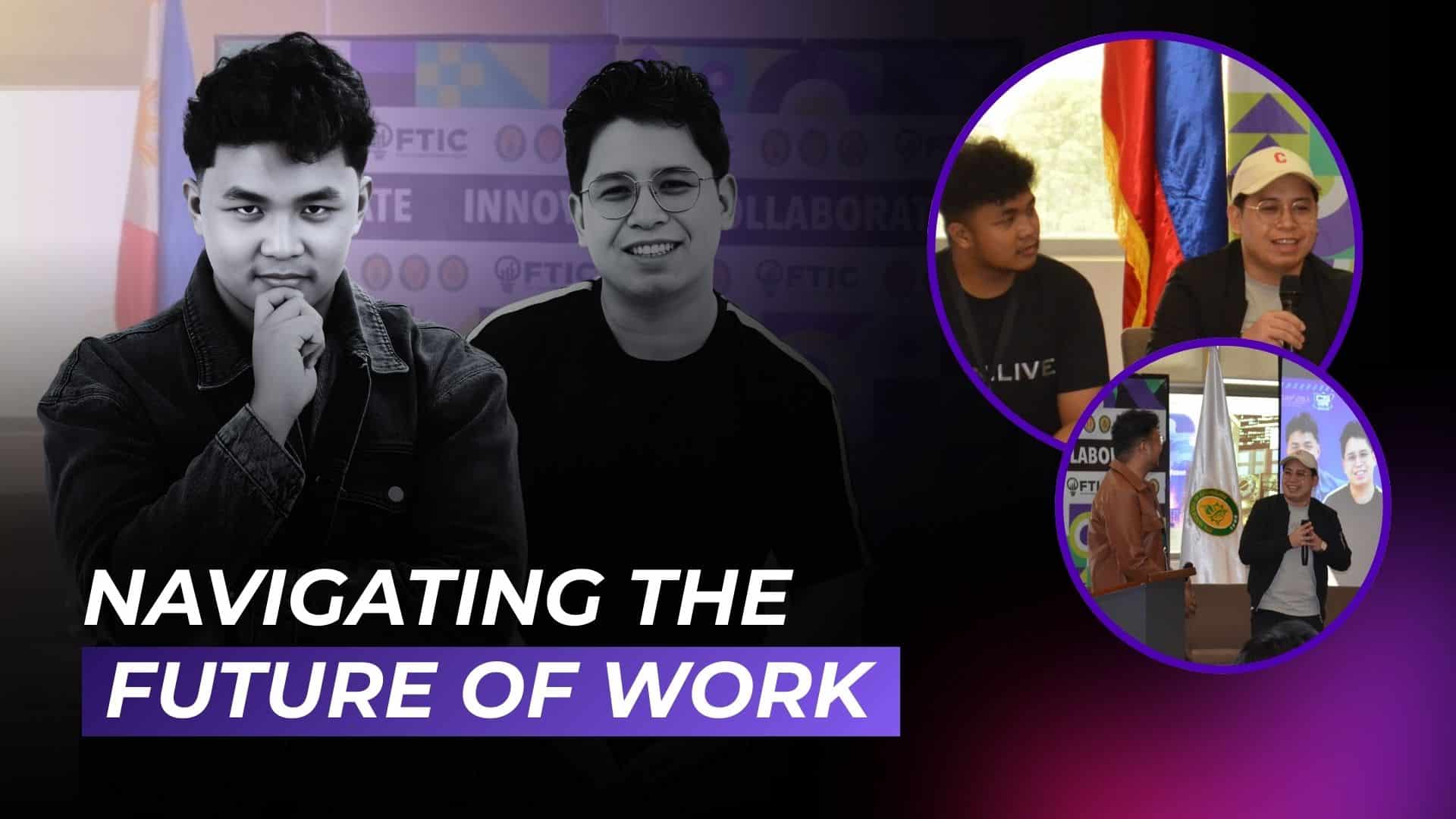
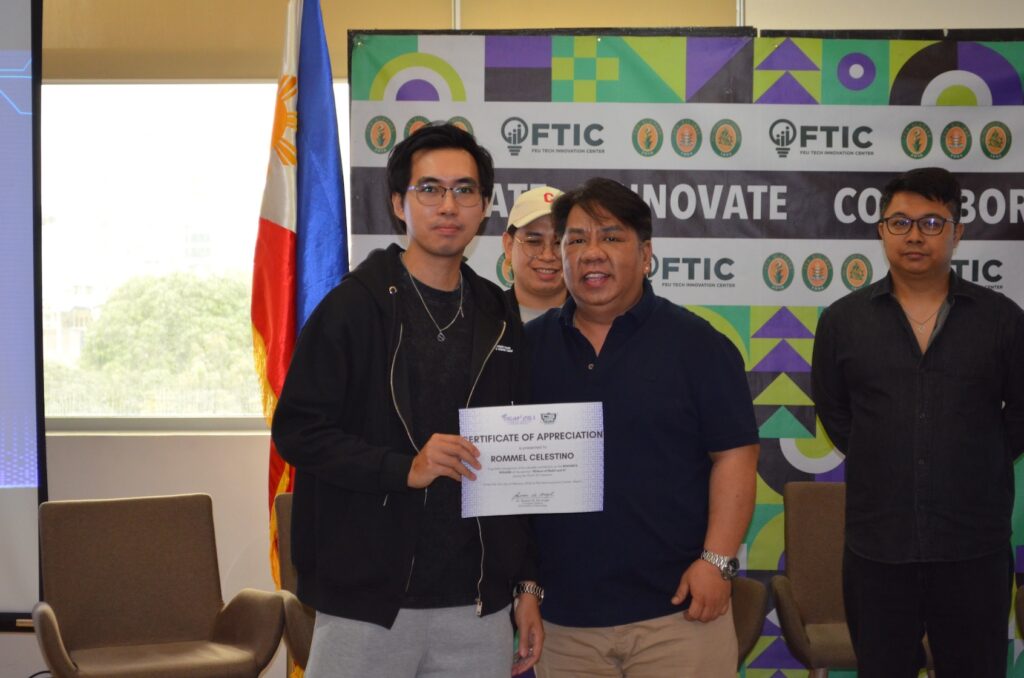
The first speaker, Rommel Celestino—known to many in the space as Shun—didn’t start with achievements or titles.
He started with honesty.
On one of his slides, he described himself simply:
It wasn’t the polished story most people expect.
And that’s exactly why it worked.
Because in a room full of graduates holding diplomas, here was someone reminding them:
👉 There is no single path to success anymore.
Shun didn’t talk about resumes or grades.
Instead, he introduced a concept that felt unfamiliar—but powerful:
“Community is the new currency.”
In the past, value came from credentials.
Today, it comes from:
Because in a digital world, attention and trust move faster than titles.
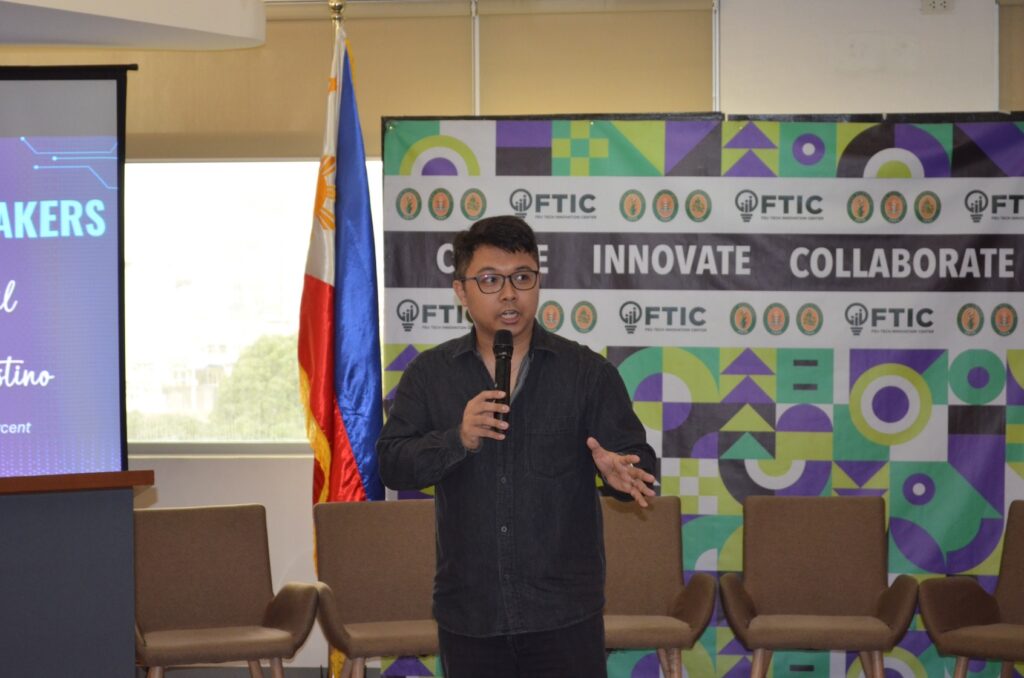
As the talk continued, Shun made something very clear:
“You are entering the builder era.”
This isn’t just about getting hired anymore.
It’s about:
And in this era, tools like AI and Web3 don’t replace people.
They empower builders.
Then came the line that shifted the room:
“AI is not your enemy—it is your amplifier.”
That one sentence reframed everything.
Because instead of fear, it introduced responsibility.
AI will amplify:
But it will also amplify your lack of direction if you don’t take control.
And that’s where the second speaker stepped in.
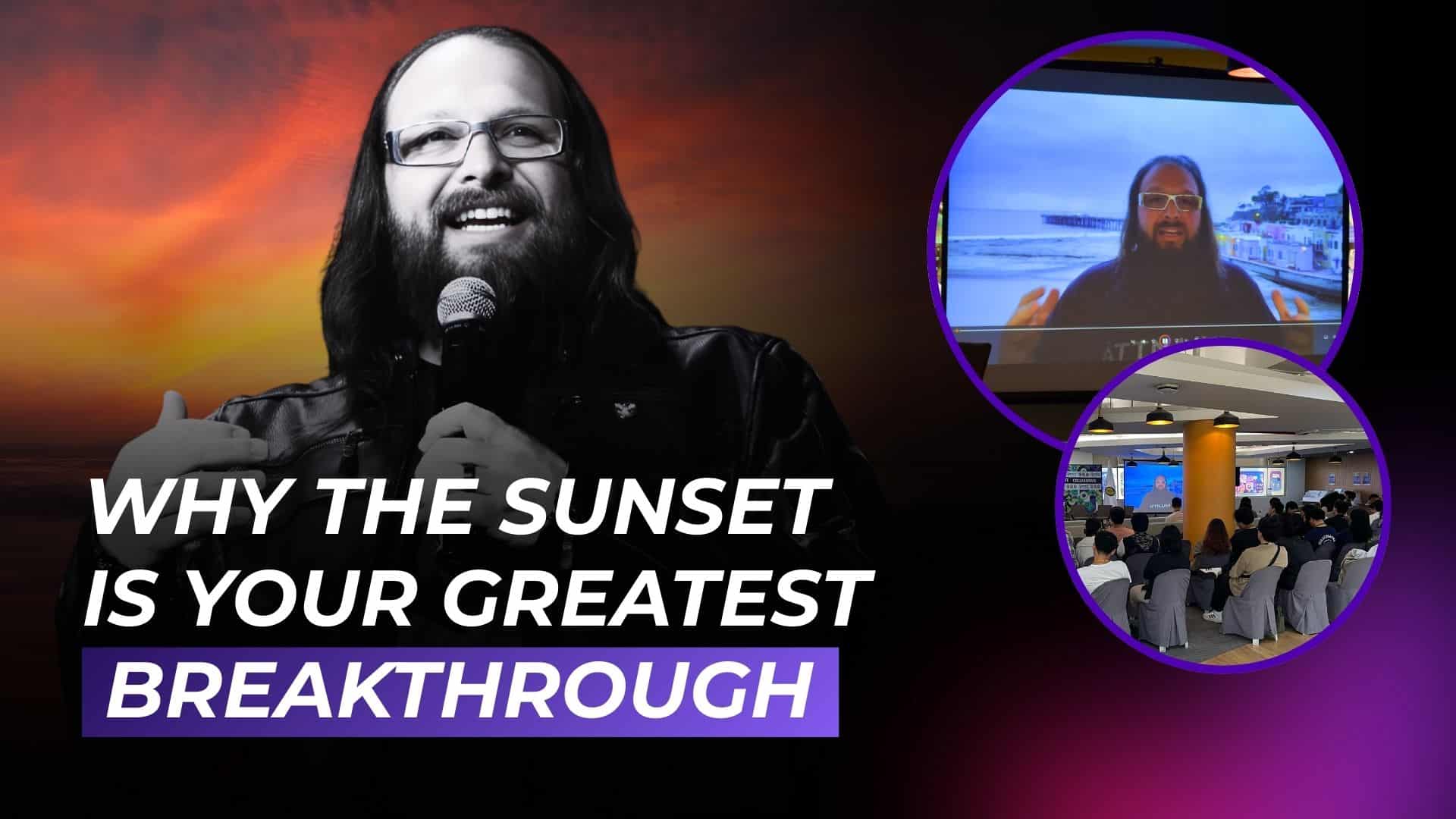
When Chris Rodil—known as Prof Toff—walked onto the stage, the tone shifted from opportunity to awareness.
He didn’t begin with tools.
He began with a question:
“What was your greatest achievement to date?”
Students paused.
Because for many of them, graduation itself was the answer.
But Prof Toff didn’t stop there.
He followed it with a statement that hit harder:
“Now imagine an AI that can do your job faster, cheaper, and 24/7.”
The room went quiet.
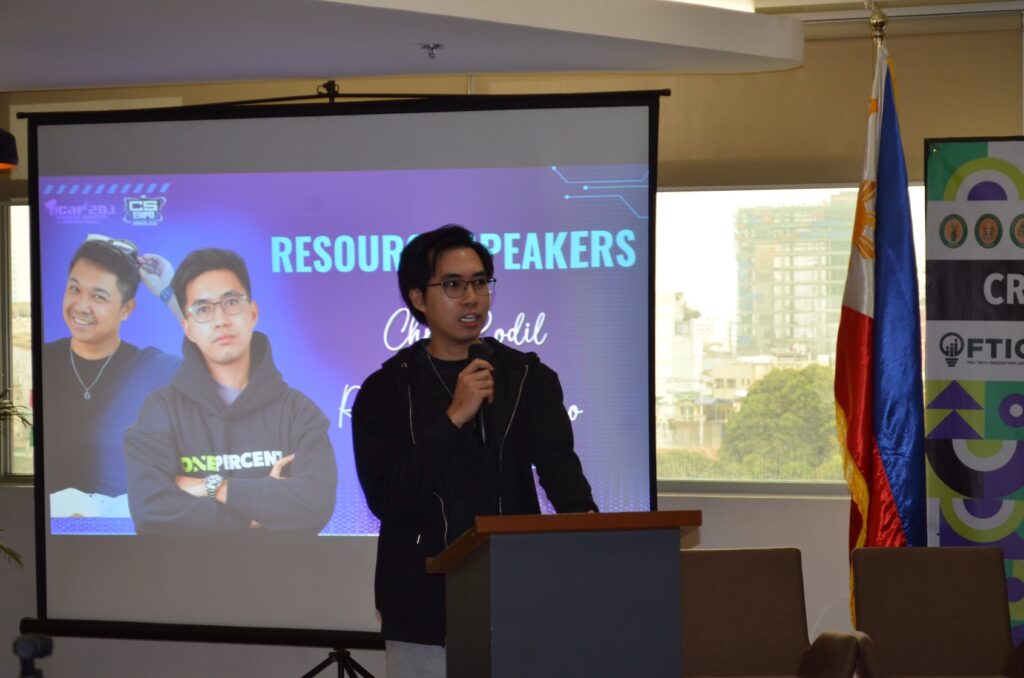
Prof Toff didn’t sugarcoat reality:
For many students, this was the fear they had been avoiding.
But instead of leaving them there, he reframed the question:
“The real question is not—will AI replace you?”
“The question is—what can AI never replace?”
And suddenly, the conversation shifted from fear to focus.
Prof Toff simplified the chaos into something actionable:
“You cannot control AI.”
“You cannot control the job market.”
“But you can control your skillset.”
“You can control your character.”
That was the moment everything clicked.
Because while the future is unpredictable, personal growth is not.
Instead of talking about success in abstract terms, Prof Toff showed his journey.
Images of travel, events, and experiences filled the screen:
Then he asked a simple question:
“Who here wants to travel?”
Almost every hand went up.
Because deep down, students don’t just want careers.
They want:
And that kind of life requires more than a degree.
Prof Toff broke it down into what truly matters in the age of AI:
These are not skills you memorize.
They are skills you develop.
And they are the ones AI cannot replicate.
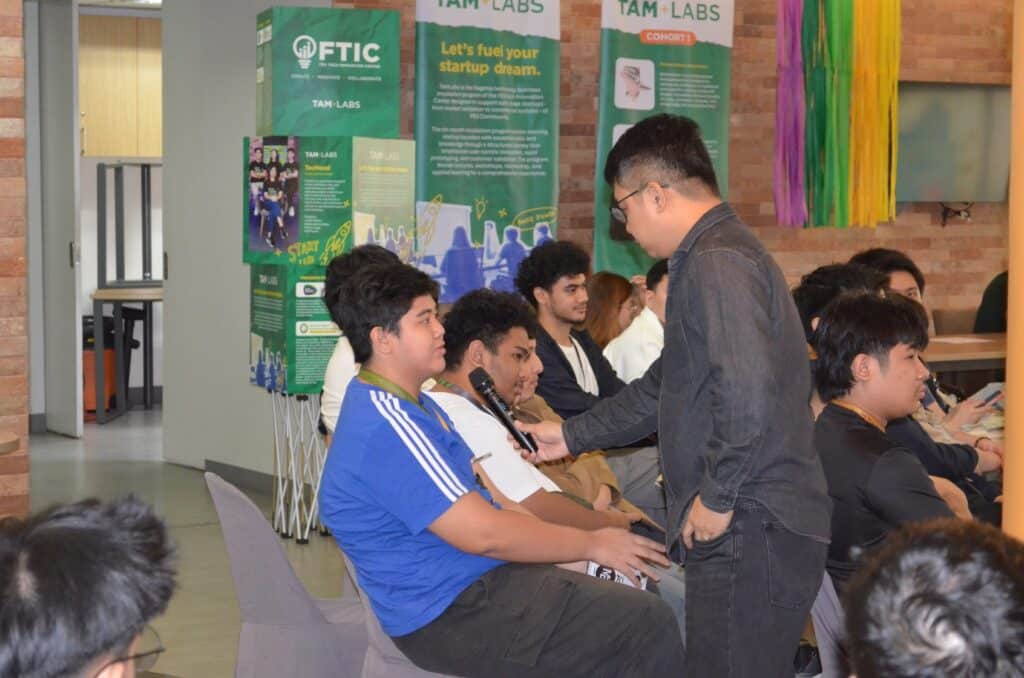
Then the talk went deeper—into something most people don’t expect in an AI discussion.
Mindset.
“Fear and anxiety often come from not being present.”
He explained it simply:
And then:
“Presence is the only place where power exists.”
In a world driven by comparison—especially with AI accelerating everything—this reminder grounded everyone.
Near the end, one slide appeared that no one could ignore:
“If everything was taken away from you—your degree, your job, your LinkedIn… sino ka nga ba?”
Who are you—without titles?
Without achievements?
Without external validation?
Because that is the version of you that AI can never replace.
Prof Toff closed with a message that tied both talks together:
“Humanizing AI is not about making machines emotional.”
“It’s about making sure humans don’t become robotic.”
Because the real risk isn’t AI becoming too powerful.
It’s people becoming too passive.
Both Shun and Prof Toff left the students with a shared truth:
“The future doesn’t belong to the smartest AI.”
“It belongs to the most responsible humans.”
Because in the end:
But it cannot replace:
👉 Your character
👉 Your judgment
👉 Your ability to connect
👉 Your humanity
And maybe that was the most important lesson of all.
In the age of AI, the goal is not to become better than machines.
It’s to become more human than ever before.