Anouncement

Anouncement

**
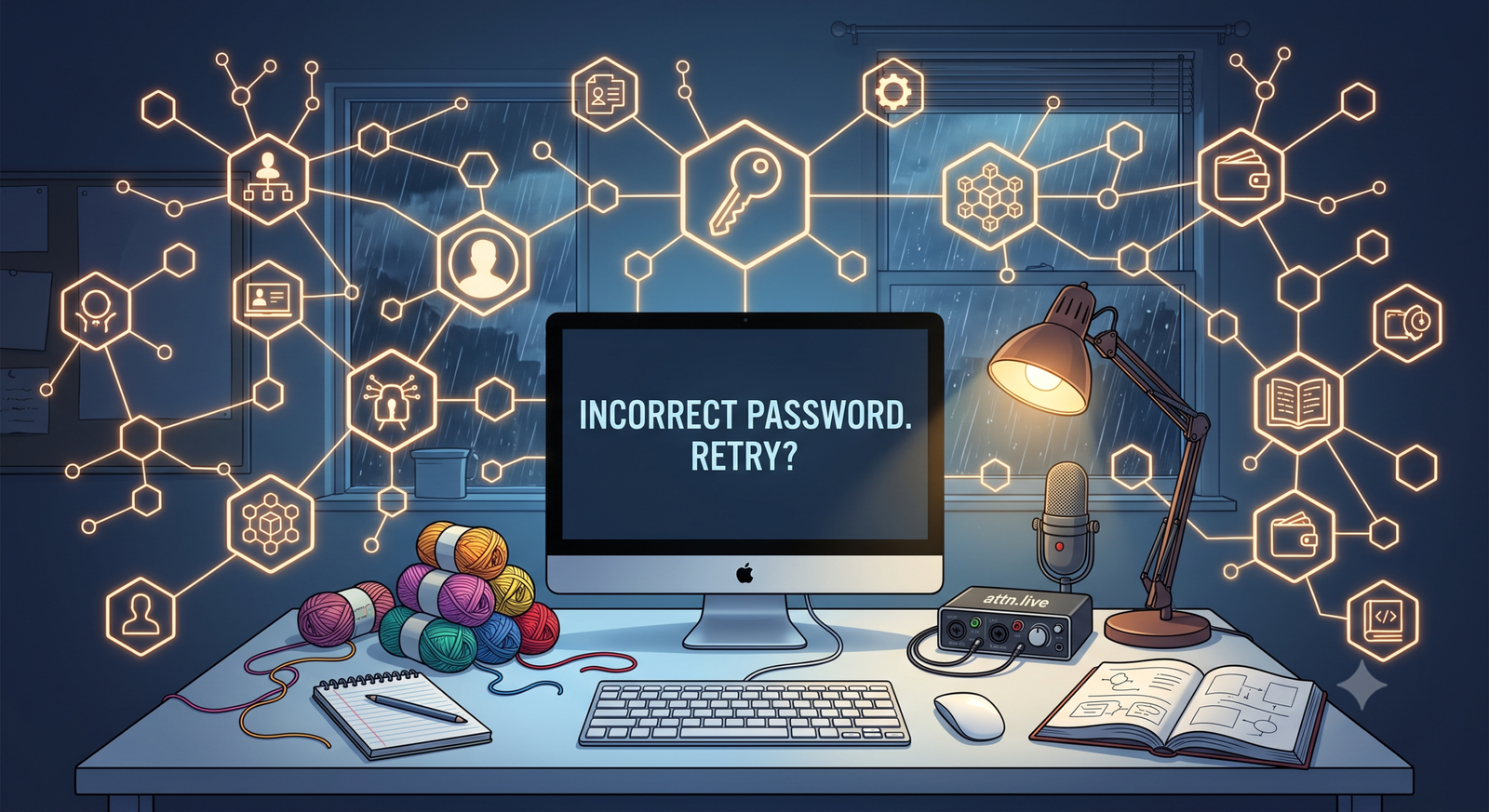
The LayerZero single verifier exploit has become one of the most important Web3 security wake-up calls of 2025 — not because of the exploit itself, but because of what the response revealed about how critical infrastructure can quietly fail. LayerZero, one of the most widely used cross-chain messaging protocols in decentralized finance, issued a rare public apology after it was revealed that Kelp DAO had been configured with a single verifier in its Decentralized Verifier Network (DVN) setup. That single point of failure played a central role in enabling the exploit.
According to reporting by The Block, LayerZero CEO Bryan Pellegrino acknowledged the fault publicly, admitting the team did not do enough to enforce stronger security defaults for projects building on their protocol. This kind of accountability is rare in Web3 — and that is precisely why it deserves a deeper look. Understanding what went wrong, and why the single-verifier configuration was so dangerous, can help builders and investors make smarter decisions going forward.
In this post, we break down the LayerZero-Kelp DAO situation, explain the technical risks of single-verifier setups, and explore what stronger cross-chain security looks like in practice. If you build on or invest in DeFi infrastructure, this is a story you need to understand.
Kelp DAO is a liquid restaking protocol that integrates with LayerZero for cross-chain messaging. When the exploit occurred, investigators found that Kelp DAO’s integration had been set up using only a single verifier in its DVN configuration. In LayerZero’s security model, the DVN is supposed to act as a decentralized layer of verification — multiple independent verifiers confirm that a cross-chain message is legitimate before it is executed. Using just one verifier collapses that model entirely.
Think of it like a bank vault that requires three separate keys to open. If you configure it to only need one key, you have not just reduced security — you have fundamentally changed the threat model. A single compromised or malicious verifier can now authorize any transaction it wants. That is not a minor misconfiguration. It is a structural vulnerability.
LayerZero’s apology centered on the fact that the protocol did not prevent or flag this configuration. Projects should not have been able to deploy with a single-verifier setup without explicit warnings or guardrails. The team admitted that stronger defaults and better developer guardrails could have — and should have — been in place from the beginning.
Pro Tip: When evaluating any DeFi protocol you use or build on, always check the verifier or validator configuration. A single-verifier setup is a red flag regardless of how reputable the underlying protocol appears.
LayerZero’s Decentralized Verifier Network was designed to be one of the most flexible and secure approaches to cross-chain messaging. Unlike older bridge designs that relied on a single multisig or a fixed committee of validators, DVNs allow projects to choose their own set of verifiers — creating customizable, modular security. That flexibility is powerful, but it comes with a serious responsibility.
When projects choose their verifiers, they are essentially choosing how much security they want. LayerZero provides the tools; the project makes the decisions. In theory, this is a good design — it allows sophisticated teams to customize their security stack. In practice, it creates a risk that less experienced teams will choose convenience over safety, often without fully understanding the consequences.
For a deeper look at how cross-chain messaging and interoperability protocols work at a foundational level, read our guide to cross-chain interoperability and why it matters for Web3. Understanding the base layer is essential for evaluating the security decisions built on top of it.
The Kelp DAO situation exposed a gap between what LayerZero’s DVN model makes possible and what it enforces by default. The lesson is not that DVNs are broken — it is that flexible security models require strong defaults to protect teams that may not have the expertise to make optimal choices on their own.
The LayerZero single verifier exploit is far from an isolated incident. Across DeFi, some of the most damaging breaches have come not from sophisticated zero-day attacks, but from basic configuration errors that no one caught in time. Ronin Network lost over $600 million because its bridge relied on too few validators. Multichain collapsed after control was consolidated in a single operator. The pattern repeats itself with remarkable consistency.
What makes this particularly difficult is that these configurations often look fine on the surface. A project can be audited, have a credible team, and run on a reputable protocol — and still have a critical single point of failure buried in its verifier setup. Audits do not always check operational configuration. That gap is where exploits hide.
DeFi security is not just about smart contract code. It is about the entire system: who controls the keys, how messages are verified, what happens if one component fails, and whether anyone has the power to act unilaterally. Our breakdown of DeFi security risks and how to protect yourself covers these systemic vulnerabilities in detail and is essential reading for anyone serious about building or investing in Web3.
Pro Tip: Before using any cross-chain DeFi product, check whether the project has publicly disclosed its verifier or validator configuration. Transparency here is a strong signal of security maturity.
Bryan Pellegrino’s public admission of fault is genuinely notable. Most protocol teams, when an exploit occurs on their infrastructure, retreat behind legal disclaimers and point to the project’s own configuration choices. LayerZero did something different — they acknowledged that the protocol itself bore some responsibility for not enforcing better defaults.
That said, an apology is a starting point, not a solution. The real question is what structural changes LayerZero puts in place to prevent this from happening again. Promising directions include mandatory minimum verifier counts, configuration auditing tools built into the deployment process, and clearer documentation that treats single-verifier setups as explicitly discouraged or unsupported.
The broader Web3 ecosystem should take note. Protocol teams bear a shared responsibility for how their infrastructure is used. Flexible security models are valuable, but they need guardrails — especially when they underpin billions of dollars in user funds.
In the aftermath of the LayerZero single verifier exploit, it is worth stepping back and asking what genuinely robust cross-chain security looks like today. The answer involves multiple layers working together: decentralized verification, economic incentives for honest behavior, transparent configuration, and meaningful incident response when things go wrong.
Protocols like LayerZero, Chainlink CCIP, and Wormhole have each taken different approaches to this problem. The common thread among the more secure implementations is that no single entity — human, contract, or verifier — should have unilateral power to authorize a cross-chain message. Redundancy is not just a nice-to-have; it is the foundational requirement.
For a deeper understanding of the infrastructure layer that supports these security models, our Web3 infrastructure explainer walks through how decentralized networks are structured and why that structure matters for security. The more you understand the foundation, the better equipped you are to evaluate what is built on top of it.
The LayerZero single verifier exploit refers to a security incident involving Kelp DAO, where the project’s LayerZero integration was configured with only one verifier in its Decentralized Verifier Network (DVN) setup. This single point of failure was exploited, allowing unauthorized cross-chain messages to be approved. LayerZero subsequently issued a public apology admitting fault in not preventing this configuration.
LayerZero’s DVN model is designed to use multiple independent verifiers to confirm cross-chain messages. When only one verifier is used, the entire security guarantee collapses — a single compromised or malicious verifier can approve any message it chooses. This eliminates the decentralization and redundancy that makes the DVN model secure in the first place.
LayerZero CEO Bryan Pellegrino publicly admitted that the protocol failed to implement sufficient guardrails to prevent projects from deploying with a single-verifier configuration. The apology acknowledged that stronger defaults and better developer tooling could have prevented the vulnerability from existing in the first place, and accepted shared responsibility for the outcome.
For DeFi users, the exploit is a reminder that the security of a protocol is only as strong as its configuration in production. Even reputable protocols can be deployed insecurely by individual projects. Users should research the verifier and validator configurations of any cross-chain product before trusting it with significant funds.
Security researchers and the broader community have called for LayerZero to enforce minimum verifier counts, add automated configuration warnings during deployment, require explicit consent from teams choosing reduced-security setups, and make DVN configurations publicly visible. These changes would help ensure that the flexibility of the DVN model does not come at the cost of baseline security for every project that uses it.
The LayerZero single verifier exploit is more than a story about one protocol and one project. It is a signal that the Web3 industry needs to evolve its standards around how infrastructure is configured, not just how it is coded. Smart contract audits, bug bounties, and formal verification are all valuable — but they miss the operational layer where single points of failure quietly accumulate. LayerZero’s public apology is a meaningful first step, but the real measure of accountability will be the structural changes that follow.
For builders, the lesson is clear: flexibility without guardrails is a liability. For investors and users, the lesson is equally clear: always look beyond the brand name of a protocol and examine how it has actually been configured for the specific product you are using. Security in Web3 is not a feature — it is a practice that requires constant vigilance at every layer of the stack.
We will continue tracking how LayerZero and the broader cross-chain ecosystem respond to this moment. Explore what we have built at attn.live.
**