Anouncement

Anouncement
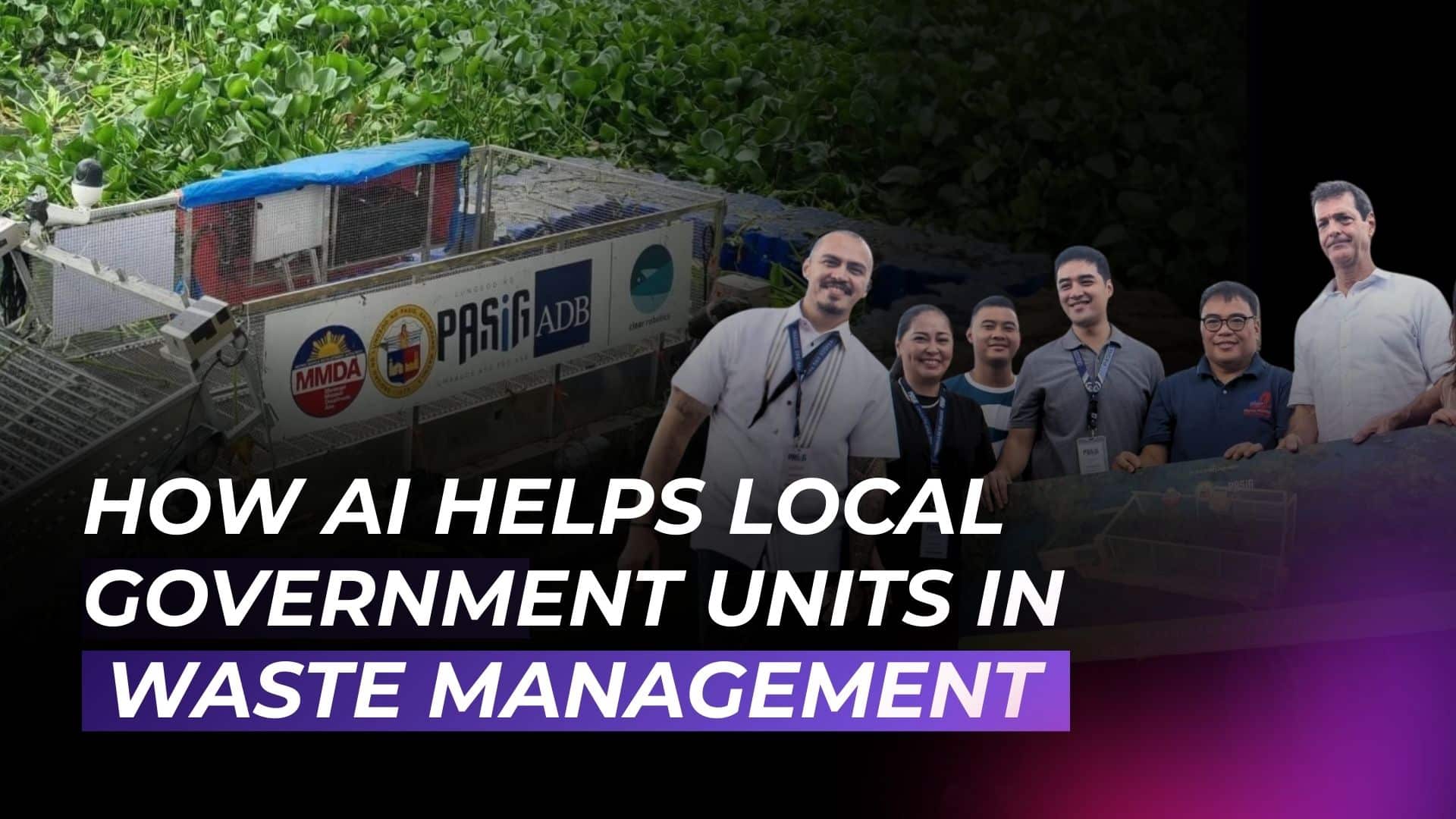

Waste management has long been one of the biggest challenges for local government units (LGUs) in the Philippines. Rapid urbanization, population growth, and increased consumption have led to rising amounts of solid waste—much of which ends up in rivers, canals, and drainage systems. These environmental issues not only threaten ecosystems but also contribute to flooding, pollution, and public health concerns.
In recent years, however, technology has started to play a transformative role in how cities tackle these problems. Artificial intelligence (AI), robotics, and data-driven innovations are giving LGUs new tools to manage waste more efficiently and sustainably.
One of the best examples in the Philippines is Pasig City, which has gained recognition for its innovative solutions in urban governance and environmental management. From AI-powered river cleanup robots to data-driven environmental monitoring, Pasig demonstrates how local governments can leverage emerging technologies to address long-standing waste problems.
This article explores how AI helps LGUs improve waste management, focusing on Pasig City’s initiatives and the broader implications for cities across the Philippines.
In the Philippines, several cities have earned reputations as progressive local governments due to effective leadership, transparency, and innovative public service programs. Cities such as Naga and Pasig are frequently highlighted in surveys, news reports, and public discourse as models of modern governance.
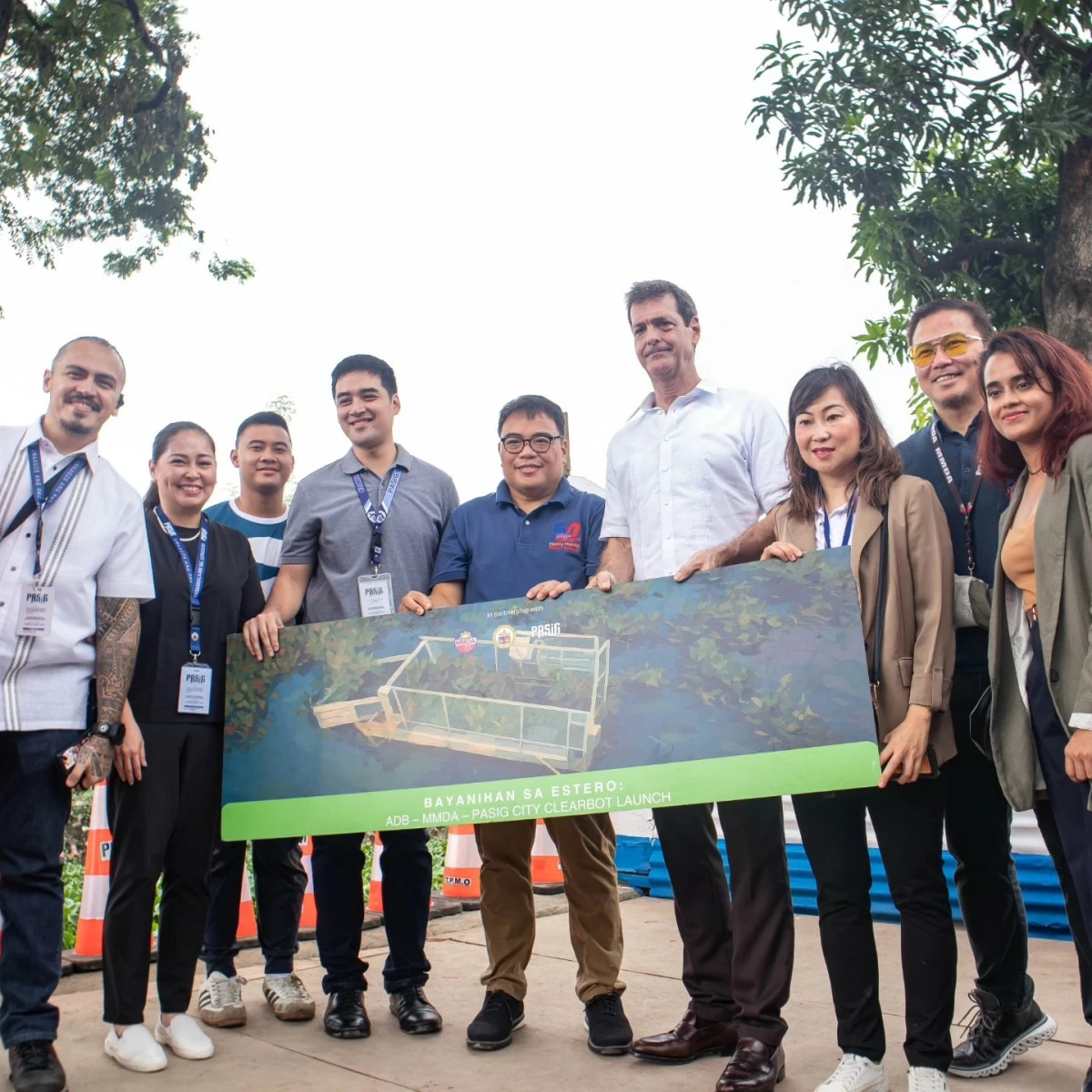
Pasig City, under the leadership of Mayor Vico Sotto, has received international recognition for its innovative solutions to urban challenges. The city was named one of the global winners of the Bloomberg Philanthropies 2025–2026 Mayors Challenge, which recognizes cities that propose creative solutions to improve essential public services. (Philippine Information Agency)
As one of the 24 winning cities from 20 countries, Pasig was awarded $1 million in funding and expert support to help implement and scale its innovative ideas. (Manila Bulletin)
Such recognition highlights how forward-thinking local governments can combine technology, community participation, and environmental policy to improve city management.
Metro Manila’s rivers and esteros have long suffered from pollution caused by solid waste, particularly plastic. When garbage accumulates in waterways, it restricts water flow and increases the risk of flooding—especially during heavy rains and La Niña seasons.
Cleaning these waterways traditionally relies on manual labor and mechanical equipment. While these methods remain essential, they often require significant manpower, time, and operational costs.
This is where artificial intelligence and robotics are beginning to make a difference.
.png)
One of the most notable technological innovations deployed in Pasig is the Clearbot, an AI-powered robotic vessel designed to remove floating waste from waterways.
The Clearbot is a six-meter-long autonomous vessel equipped with artificial intelligence and powered by solar energy. Its main function is to collect floating trash and other debris from rivers and esteros. (GMA Network)
Unlike traditional cleanup methods, the Clearbot can operate autonomously, navigating waterways while detecting and collecting waste along the way.
Several features make the AI-powered robot an effective tool for urban waste management:
1. High Waste Collection Capacity
Each Clearbot unit can collect up to 500 kilograms of waste in a single run, significantly reducing the volume of trash floating in rivers. (Spot.ph)
2. Long Operational Time
The robot can operate for up to eight hours on a single charge, allowing it to conduct extended cleanup missions without frequent interruptions. (Spot.ph)
3. Autonomous Navigation
Clearbot uses artificial intelligence to navigate narrow and obstructed waterways, making it ideal for urban river systems such as the Pasig River. (Spot.ph)
4. Environmentally Friendly Design
The vessel is fully electric and solar-powered, allowing it to perform cleanup operations with minimal environmental impact. (Property Report)
Through these features, the technology demonstrates how AI can complement traditional environmental programs implemented by LGUs.
The success of the AI-powered cleanup initiative is the result of collaboration among several organizations.
The Clearbot deployment in Pasig involved cooperation between:
These partnerships enable cities to pilot innovative solutions that may otherwise be difficult to implement due to resource constraints.
The Clearbot project was also part of broader initiatives aimed at restoring the Pasig River and strengthening disaster resilience in Metro Manila. (ADB Knowledge Events)
Waste management in waterways is closely connected to flood prevention.
When garbage accumulates in canals and rivers, it blocks water flow and worsens flooding during heavy rains. By removing floating debris and maintaining cleaner waterways, AI-powered systems help LGUs address flood risks.
Pasig City’s cleanup efforts contribute to broader flood control strategies across Metro Manila, including canal and river cleanup projects coordinated with national agencies.
Maintaining clear waterways is particularly critical during the La Niña season, when heavy rainfall increases the likelihood of flooding.
Beyond robotic cleanup, AI can also help local governments collect and analyze environmental data.
For example, technological projects related to the Pasig River include systems that monitor pollution patterns and identify areas where plastic waste accumulates. These tools can model river conditions and detect pollution hotspots by analyzing factors such as weather patterns, human activity, and water flow. (YouTube)
By providing actionable data, such systems allow policymakers to design more targeted interventions, improving the efficiency of waste management programs.
In practice, this means that instead of deploying cleanup resources randomly, LGUs can focus their efforts on the areas where waste buildup is most severe.
The integration of artificial intelligence into waste management offers several advantages for local governments.
AI-powered robots can perform tasks continuously and autonomously, reducing reliance on manual labor for routine cleanup operations.
Robotic vessels can quickly collect large volumes of waste, helping prevent trash accumulation before it becomes a major environmental problem.
Although technological solutions require initial investments, automation can reduce long-term operational costs for local governments.
AI systems can analyze environmental data and provide insights that help policymakers design better waste management strategies.
Many AI-powered systems use renewable energy sources such as solar power, reducing their environmental footprint.
Despite its advantages, integrating AI into waste management is not without challenges.
Many LGUs in the Philippines operate with limited budgets, making it difficult to invest in advanced technologies.
AI systems require skilled personnel for maintenance, monitoring, and data analysis.
While pilot programs like Clearbot demonstrate promising results, scaling these technologies across multiple cities requires coordination among national agencies, LGUs, and private partners.
Nevertheless, successful pilot programs can pave the way for wider adoption of these technologies.
Pasig City’s experience shows how local governments can combine technology, innovation, and governance to address environmental challenges.
By embracing AI-powered solutions such as robotic waste collectors and data-driven environmental monitoring, LGUs can significantly improve waste management systems.
The city’s international recognition through the Bloomberg Philanthropies Mayors Challenge further highlights how innovative ideas can transform public services and urban environmental management.
More importantly, Pasig’s initiatives demonstrate that technology does not replace traditional waste management practices—it enhances them.
Robotic cleanup vessels, data analytics tools, and environmental monitoring systems can work alongside human workers and community programs to create more effective waste management strategies.
Waste management remains a critical issue for many cities in the Philippines, particularly in densely populated urban areas where waterways are vulnerable to pollution.
Artificial intelligence offers a powerful new set of tools that can help local governments address these challenges. Through AI-powered robots, data-driven environmental monitoring, and collaborative innovation programs, LGUs can improve efficiency, reduce pollution, and enhance urban resilience.
Pasig City’s deployment of AI-powered cleanup technologies such as Clearbot demonstrates how forward-thinking governance can transform environmental management.
As more cities explore the use of AI in waste management, these innovations may become a key component of sustainable urban development across the Philippines.
Asian Development Bank. (n.d.). Piloting innovation: Pasig River cleanup insights from a 6-month Clearbot pilot study. Development Asia. https://events.development.asia/learning-events/piloting-innovation-pasig-river-cleanup-insights-6-month-clearbot-pilot-study
Baclig, C. E. (2025, October 12). AI-powered robot waterway-cleaning vehicle launched in Pasig. Manila Bulletin. https://mb.com.ph/2025/10/12/ai-powered-robot-waterway-cleaning-vehicle-launched-in-pasig
GMA Integrated News. (2025). MMDA cleans Pasig canal to help prevent flooding. https://www.gmanetwork.com/news/topstories/metro/963058/mmda-cleans-pasig-canal-to-help-prevent-flooding/story/
Inquirer Opinion. (2025). Pasig wins Bloomberg Global Mayors Challenge. Philippine Daily Inquirer. https://opinion.inquirer.net/190020/pasig-wins-bloomberg-global-mayors-challenge
Spot.ph. (2025, December 1). AI robot removes floating waste to clean up Pasig River. https://www.spot.ph/newsfeatures/culture/ai-robot-removes-floating-waste-to-clean-up-pasig-river-a5229-20251201-dyn
University of the Philippines. (2025). Can AI save our country’s water? https://up.edu.ph/can-ai-save-our-countrys-water/