Anouncement

Anouncement
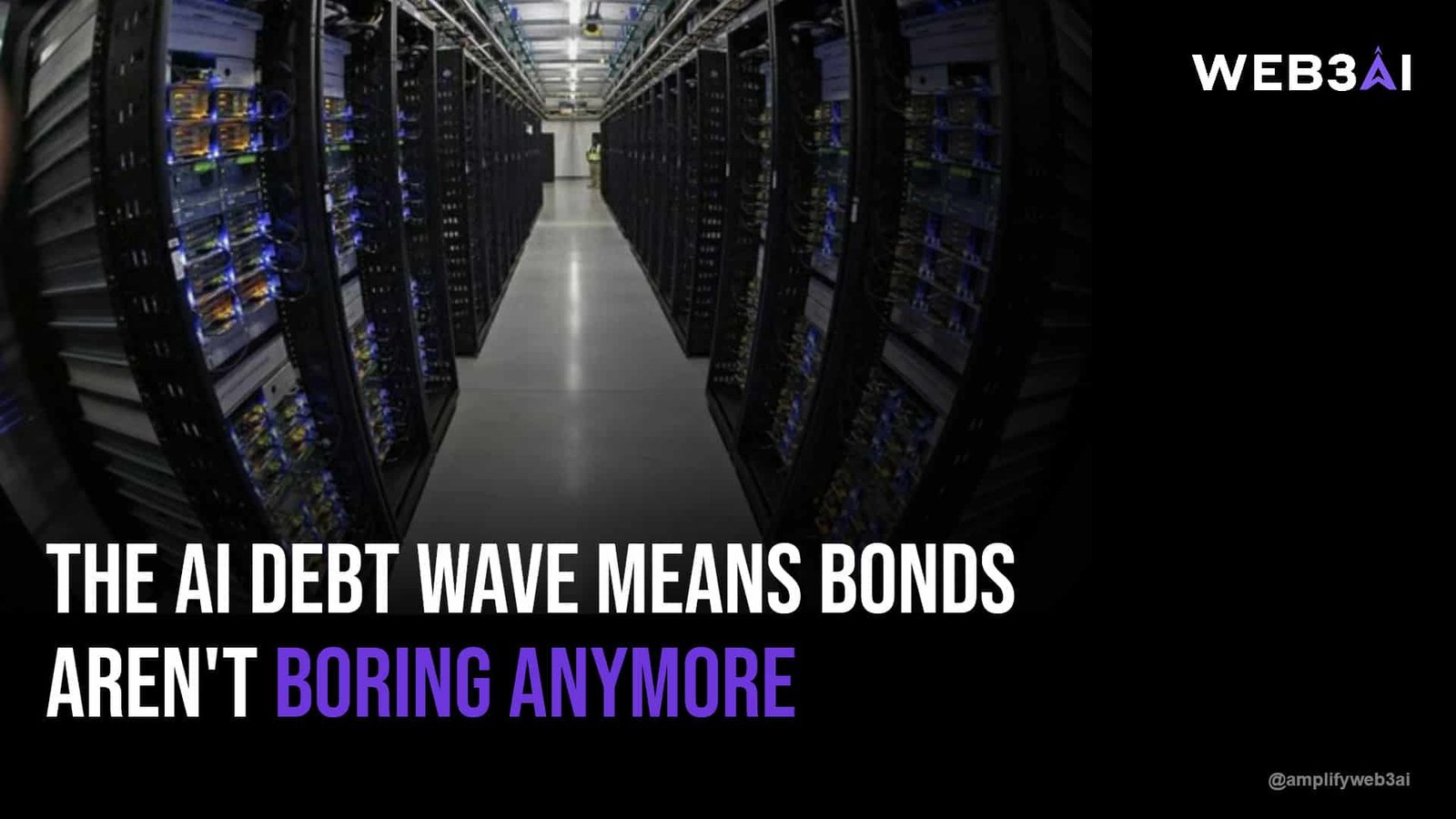

AI data center debt financing has quietly become one of the most consequential trends reshaping global capital markets in 2025. As the appetite for artificial intelligence infrastructure accelerates, the companies building and operating the physical backbone of AI — massive, power-hungry data centers — are turning to bond markets in unprecedented ways to fund their ambitions. If you have ever wondered why your electricity bill feels higher and why bond yields keep moving in unexpected directions, the answer may be closer to AI than you think.
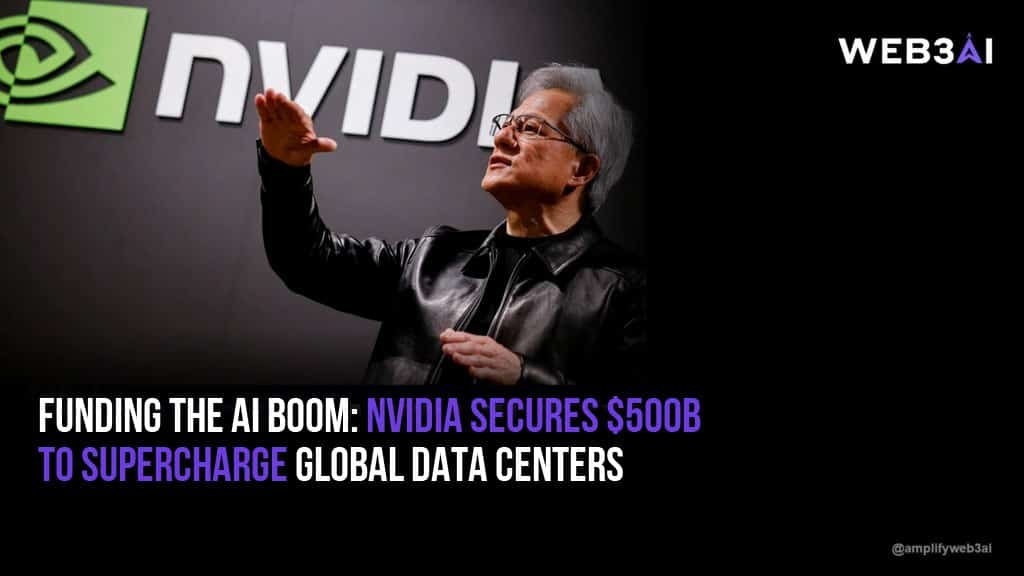
The scale of spending involved is staggering. According to reporting from Quartz, technology companies and data center operators have been tapping bond markets at record levels, issuing billions in corporate debt to finance the compute infrastructure that powers modern AI models. Research from leading financial analysts confirms that capital expenditure commitments from hyperscalers — companies like Microsoft, Amazon, Google, and Meta — are running at levels not seen since the broadband buildout of the late 1990s. This time, the stakes, and the sums, are even larger.
This post breaks down exactly what is happening, why it matters to investors, businesses, and everyday technology users, and what the long-term implications of this debt-fueled AI buildout might look like for the broader economy.
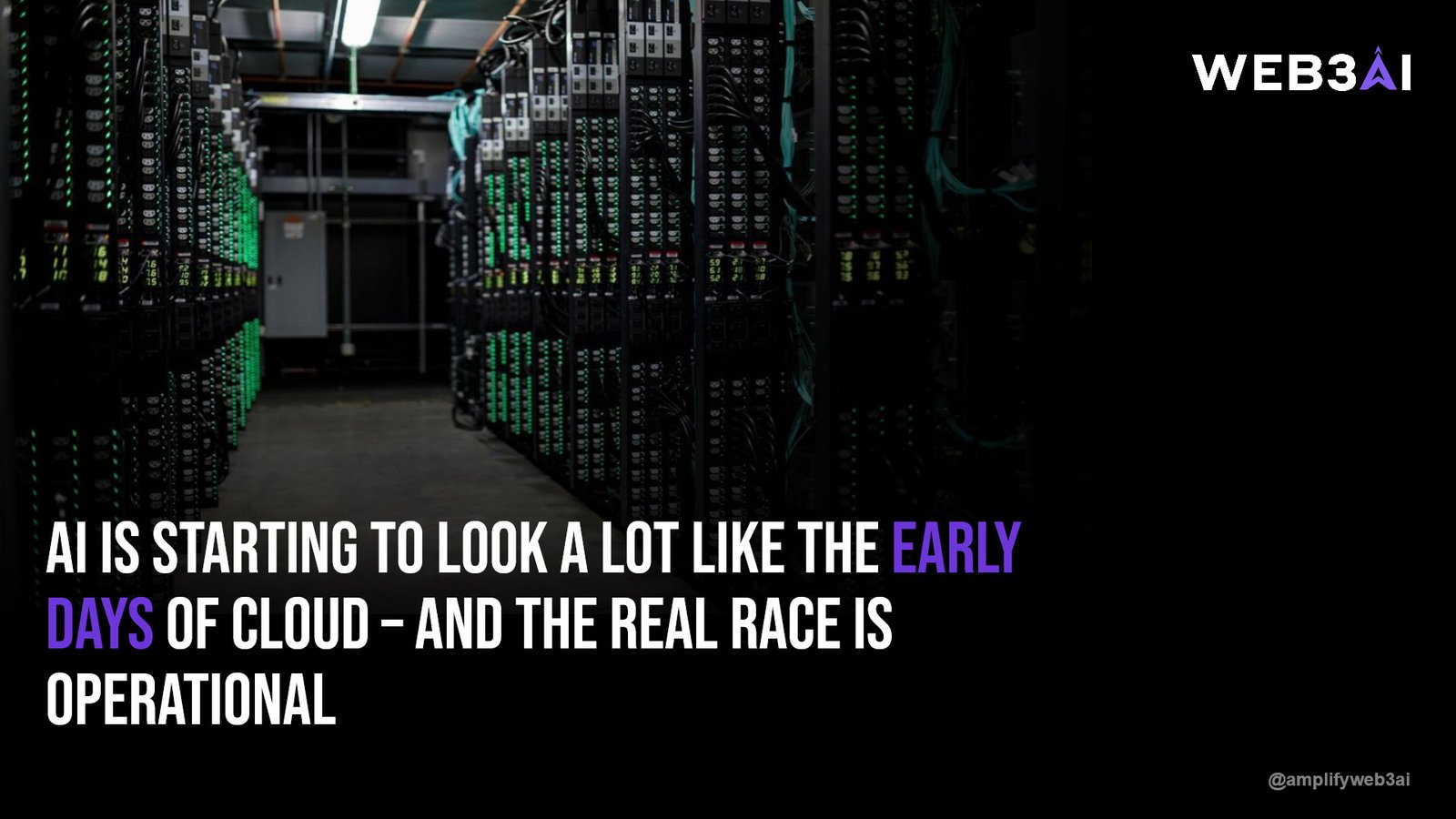
To understand AI data center debt financing, you first need to appreciate the sheer physical scale of what is being built. A modern hyperscale data center is not a server room — it is an industrial complex consuming as much electricity as a small city, requiring billions in upfront capital before a single AI model runs on its hardware. Training a frontier AI model like GPT-4 or Google Gemini requires tens of thousands of high-end graphics processing units running continuously for months.
The numbers are sobering. Microsoft has committed to spending over $80 billion on AI infrastructure in fiscal year 2025 alone. Amazon Web Services, Google Cloud, and Meta have made similar multi-year commitments totaling hundreds of billions of dollars. These are not operating expenses — they are massive capital expenditures that require long-term financing strategies, which is precisely where bond markets enter the picture.
Rather than drawing down cash reserves or diluting shareholders through equity issuance, these companies are issuing investment-grade corporate bonds at competitive interest rates. The bond market, flush with institutional capital seeking reliable yield, has been a willing partner. The result is a feedback loop: AI demand drives data center construction, construction drives bond issuance, and bond issuance keeps construction funded even when interest rates are elevated.
If you want a deeper look at how artificial intelligence is restructuring the financial industry from the inside out, our post on how AI is transforming the future of finance provides essential context for understanding these capital flows.
Corporate bonds are essentially IOUs issued by companies to investors. The company borrows money, promises to pay regular interest (the coupon), and returns the principal at maturity. For investment-grade companies like Microsoft or Amazon, borrowing costs in the bond market are often lower than bank loans — making bonds an attractive tool for large, predictable capital expenditures like data center construction.
What makes the current wave of AI data center debt financing distinctive is both its volume and its velocity. Companies that historically issued bonds occasionally are now returning to markets multiple times per year. In 2024, technology-sector bond issuance hit record levels globally, with a meaningful portion directly attributable to AI infrastructure spending. Institutional investors — pension funds, insurance companies, and sovereign wealth funds — have been eager buyers, attracted by the creditworthiness of big tech issuers and yields that remain elevated relative to pre-2022 levels.
There is a compounding dynamic worth noting. As interest rates stay higher for longer, the cost of carrying this debt increases. Companies must therefore ensure that their AI infrastructure investments generate sufficient returns — through cloud services, AI licensing, and productivity gains — to service debt obligations over 10, 20, or even 30-year bond maturities. This creates a long-horizon bet that AI will remain economically central for decades.
Pro Tip: When evaluating the sustainability of big tech’s AI spending, track not just headline capex figures but also debt-to-EBITDA ratios and free cash flow yield — these reveal whether the bond-funded buildout is genuinely creating value or simply leveraging future growth.
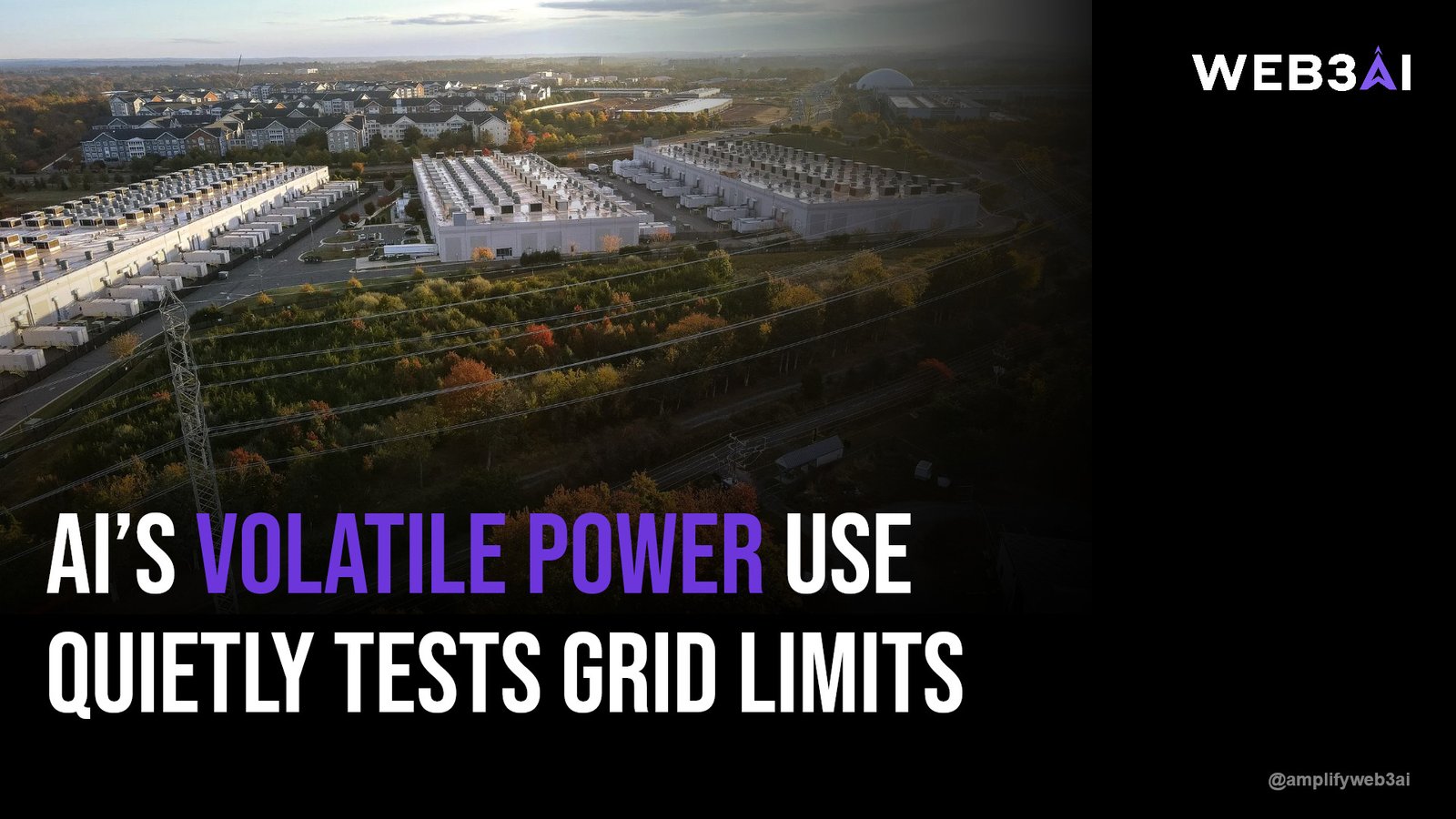
The bond-funded AI buildout is not just a financial story — it is an energy story. Every dollar of data center capital expenditure eventually translates into megawatts of electricity demand. The International Energy Agency estimates that data centers could account for 4% to 6% of global electricity consumption by 2026, up from around 1% to 2% a decade ago. AI workloads are a primary driver of this surge.
This energy demand is reshaping utility markets, power purchase agreements, and even nuclear energy investment. Companies like Microsoft and Amazon have signed long-term renewable energy contracts and, in Microsoft’s case, a landmark deal to restart the Three Mile Island nuclear plant. These energy commitments are themselves financed through complex structured debt instruments, layering another tier of financing activity onto the already substantial data center bond market.
The implications for Web3 and decentralized infrastructure communities are significant. The concentration of AI compute in a handful of hyperscaler data centers — financed through traditional bond markets — stands in direct contrast to the decentralization ethos that underpins blockchain and Web3 ecosystems. Understanding how traditional and decentralized finance intersect is increasingly important. Our explainer on what Web3 means for business provides useful framing for thinking about these competing infrastructure philosophies.
Not everyone is sanguine about the pace of AI data center debt financing. Skeptics point to a fundamental question: what if AI adoption does not scale fast enough to justify the debt being taken on today? The broadband bubble of the late 1990s offers a cautionary precedent. Enormous sums were borrowed to build fiber-optic networks that sat dark for years — and while the infrastructure eventually proved essential, many of the companies that built it went bankrupt before they could benefit.
The AI infrastructure cycle has some important differences from that era. The primary borrowers today are companies with trillion-dollar market capitalizations, investment-grade credit ratings, and massive existing cash flows. Unlike telecom startups of the 1990s, Microsoft or Amazon is not going bankrupt over a bond issuance. But that does not mean risks are absent — it means they are distributed differently, embedded in opportunity costs, misallocated capital, and the environmental cost of stranded assets if AI adoption plateaus.
There is also a geopolitical dimension. Data centers require advanced semiconductors, primarily from TSMC in Taiwan, and rare earth materials with complex global supply chains. Any disruption — trade restrictions, conflict, or export controls — could leave billions in bond-financed construction incomplete or underutilized. Bond investors pricing these instruments are making implicit bets on geopolitical stability alongside their AI growth assumptions.
Pro Tip: Diversified exposure to the AI infrastructure theme through ETFs tracking data center REITs (Real Estate Investment Trusts) can give investors access to the bond-funded buildout with more liquidity and transparency than direct corporate bond holdings.
The rise of centralized, bond-financed AI infrastructure has sparked renewed conversation in the DeFi and Web3 communities about alternative models for funding compute infrastructure. Could tokenized bonds finance decentralized AI compute networks? Could blockchain-based capital markets offer a more transparent, accessible alternative to traditional corporate debt for funding the next generation of AI infrastructure?
These questions are more than theoretical. Several projects in the decentralized physical infrastructure network (DePIN) space are already experimenting with token-based incentive structures to fund distributed compute and storage infrastructure. While the scale remains orders of magnitude smaller than hyperscaler capex, the direction of travel is interesting — and increasingly relevant to investors and builders in the Web3 space.
For a grounded introduction to how decentralized finance mechanisms work and how they might intersect with real-world infrastructure financing, our overview of the rise of decentralized finance is a valuable starting point.
The AI data center debt financing story is still in its early chapters. Here is what informed observers should keep their eyes on:
AI data center debt financing refers to the practice of technology companies and data center operators issuing corporate bonds or taking on other forms of debt to fund the construction and expansion of AI infrastructure. It is growing rapidly because the computational demands of training and running large AI models require enormous capital expenditures — often tens of billions of dollars annually — that exceed what most companies prefer to fund purely from cash reserves or equity. Bond markets offer a cost-effective, scalable financing mechanism for these multi-year infrastructure programs.
The most active issuers are the major hyperscale cloud providers: Microsoft, Amazon (AWS), Alphabet (Google Cloud), and Meta. These companies have investment-grade credit ratings and global brand recognition that make their bond offerings highly attractive to institutional investors. Beyond the hyperscalers, specialist data center operators like Equinix, Digital Realty, and newer AI-focused facility developers are also active in bond markets, often through REIT structures that offer tax advantages for real estate-heavy businesses.
If you hold a diversified bond fund, pension, or insurance product, you likely already have indirect exposure to AI data center debt through corporate bond allocations. The growth of this market also affects equity valuations — heavily indebted companies face pressure to demonstrate AI revenue returns, which influences stock prices. For retail investors, data center REITs offer a more accessible and transparent entry point into the infrastructure financing story than direct corporate bond purchases.
The primary risks include overbuilding relative to actual AI adoption rates, rising interest costs if rates remain elevated, geopolitical disruptions to semiconductor supply chains, and energy infrastructure constraints. There is also reputational and regulatory risk as governments scrutinize big tech concentration in critical AI infrastructure. If AI revenue growth disappoints relative to debt service obligations, companies may face pressure to cut costs, slow construction, or refinance at less favorable terms.
Decentralized finance and Web3 infrastructure models offer conceptually interesting alternatives to traditional bond-financed data centers. Projects in the DePIN space use token incentives to coordinate distributed compute and storage resources without centralized bond financing. However, the scale gap between decentralized networks and hyperscaler infrastructure remains vast. Over a longer horizon, tokenized debt instruments and blockchain-based capital markets could bring greater transparency and accessibility to infrastructure financing — but this transition remains nascent and faces significant regulatory and technical hurdles.
AI data center debt financing has transformed bond markets into a direct proxy for the future of artificial intelligence. When institutional investors buy Microsoft or Amazon bonds today, they are not just lending money to a corporation — they are placing a long-duration bet that AI will remain economically central for the next 10 to 30 years. That is a profound shift in how capital markets relate to technology, and it carries real implications for everyone from pension savers to sovereign wealth managers to Web3 builders imagining alternative infrastructure futures.
The coming years will reveal whether the bond-funded AI buildout generates sufficient returns to justify its extraordinary scale — or whether, like previous infrastructure booms, it overshoots and leaves a complicated legacy of stranded assets and financial restructuring. Either way, understanding the mechanics of this financing wave is essential for anyone serious about navigating the intersection of technology, capital, and the decentralized future. Explore what we have built at attn.live.