Anouncement

Anouncement
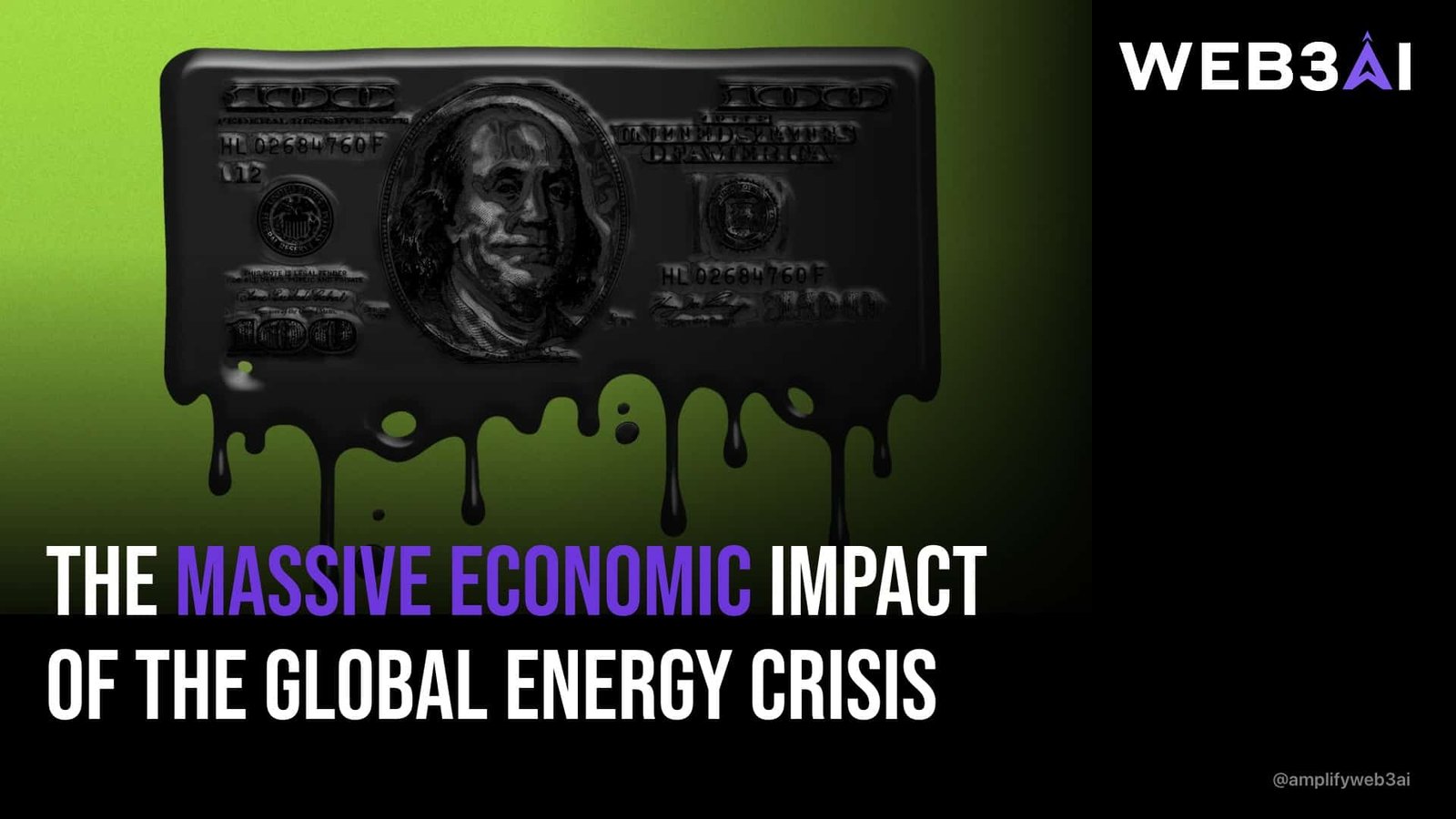

The global energy crisis economic impact is no longer a distant warning — it is reshaping household budgets, corporate strategies, and national policies right now. From skyrocketing electricity prices in Europe to fuel shortages rattling supply chains across Asia and Africa, the ripple effects of energy instability are touching virtually every corner of the global economy. This is not just an energy story. It is an economic story, a technology story, and ultimately, a human story.
According to the International Energy Agency’s World Energy Outlook 2024, the transition away from fossil fuels is accelerating — but not fast enough to prevent serious economic disruption in the near term. Energy price volatility continues to erode purchasing power, slow industrial output, and widen inequality between energy-rich and energy-poor nations. The window to act is narrowing, and the cost of inaction is compounding.
In this post, we break down the core economic consequences of the global energy crisis, explore how emerging technologies like Web3 and AI are opening new pathways, and share practical insight for businesses and individuals navigating this volatile landscape.
Understanding the global energy crisis economic impact starts with understanding what is driving the crisis itself. Several interconnected forces have combined to destabilize energy markets in ways that no single policy or technology can quickly fix.
The post-pandemic surge in energy demand caught producers off guard. Industrial activity rebounded faster than supply chains could adapt, creating a mismatch between what consumers and businesses needed and what the grid could deliver. At the same time, the war in Ukraine fundamentally disrupted European natural gas supplies and sent shockwaves through global commodity markets.
Climate change is also accelerating the problem in surprising ways. Drought conditions have reduced hydroelectric output in regions that depend on it heavily, including parts of South America and Southern Europe. Extreme heat waves are simultaneously driving up electricity demand for cooling — straining grids at precisely the moments when they are most vulnerable.
For ordinary families, the global energy crisis economic impact translates directly into a cost-of-living crisis. Heating bills, transportation costs, and the price of groceries — all heavily influenced by energy costs — have risen sharply. In many developed economies, lower-income households are spending a disproportionate share of their income just to keep the lights on and their homes warm.
For businesses, the calculus is equally brutal. Energy-intensive industries like steel, aluminum, chemicals, and food processing are facing margin compression that is forcing plant closures, production cuts, and accelerated offshoring decisions. Small and medium-sized enterprises, which rarely have the hedging tools available to large corporations, are absorbing these costs with far less cushion.
At the macroeconomic level, the crisis is fueling inflation, suppressing growth, and creating fiscal pressure on governments that are simultaneously trying to fund energy subsidies, accelerate clean energy investment, and manage ballooning public debt. It is a genuinely difficult trilemma with no easy exits.
For deeper context on how Web3 technology is beginning to offer new market structures for energy trading, read our post on How Web3 Is Reshaping the Future of Energy Trading — which explores how decentralized platforms are enabling peer-to-peer energy markets that bypass traditional utility monopolies.
Pro Tip: If you are a business owner, now is the time to audit your energy exposure. Understanding what percentage of your operating costs are energy-related — and at what price points your model breaks — is the first step toward building a resilient strategy.
Energy has always been political, but the current crisis has elevated it into one of the primary tools of geopolitical leverage. Nations that control significant energy resources — whether fossil fuels or critical minerals needed for batteries and solar panels — are wielding enormous economic influence over their neighbors and trading partners.
The race to secure lithium, cobalt, and rare earth elements needed for the clean energy transition has triggered a new wave of resource nationalism. Countries are restricting exports, renegotiating contracts, and forming new alliances specifically around energy security. This is reshaping trade flows in ways that will take decades to fully settle.
For businesses operating across borders, this creates real supply chain risk. Diversification of energy and material sourcing is no longer just a best practice — it is fast becoming a business continuity requirement. Companies that relied on single-source energy or material suppliers are learning that lesson the hard way.
While the near-term economic pain is real, there is genuine reason for optimism in the medium term — particularly around the role that AI and blockchain technology are playing in accelerating the clean energy transition. These are not hypothetical future solutions. They are being deployed right now to solve concrete problems.
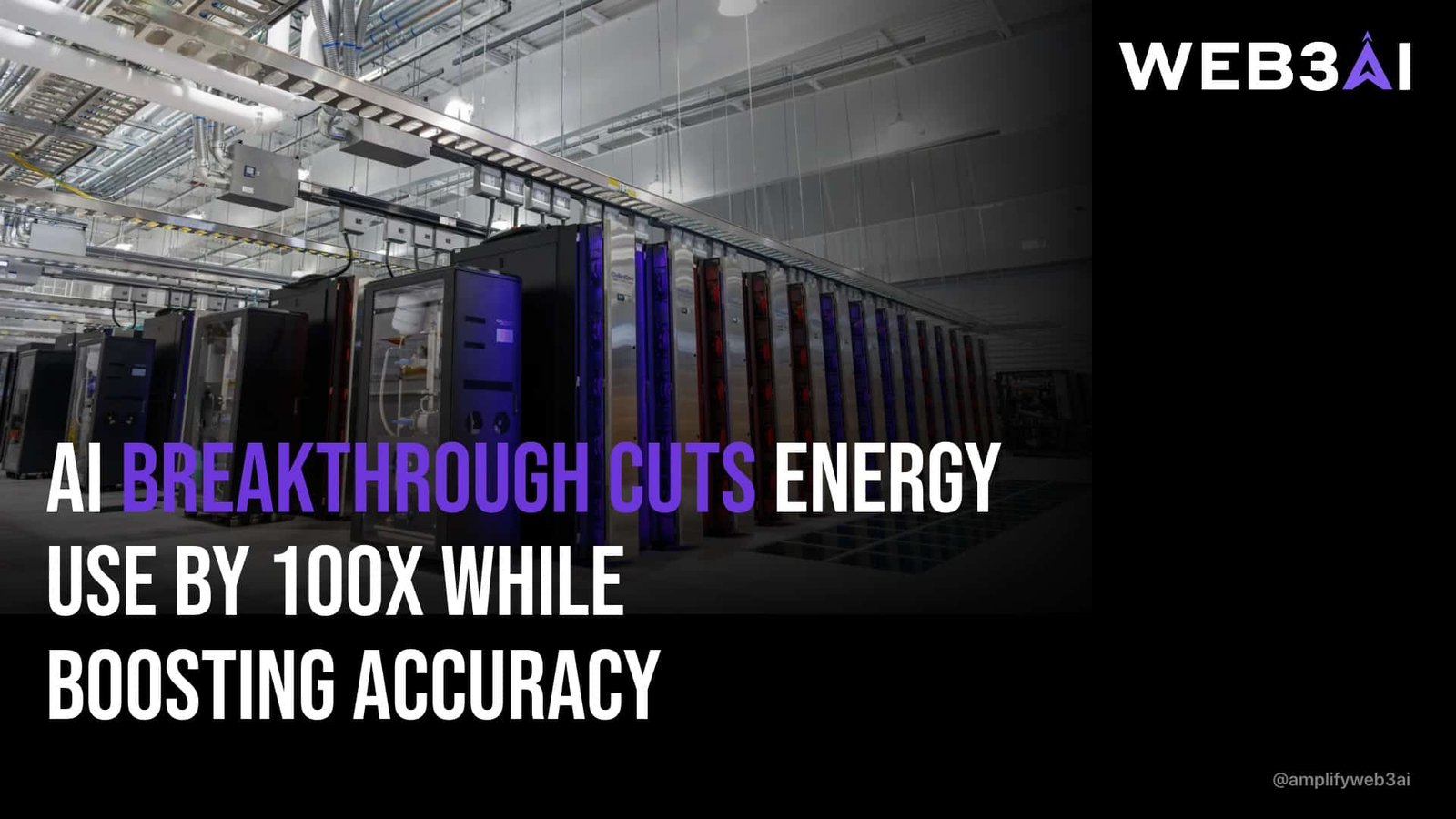
AI is being used to optimize grid operations, predict energy demand with remarkable accuracy, and accelerate the discovery of new battery chemistries. Machine learning models are helping utilities balance variable renewable energy sources — wind and solar — with demand patterns in real time, reducing waste and improving reliability. The economic value of better grid optimization alone runs into hundreds of billions of dollars annually.
Blockchain technology is enabling new forms of energy transparency and market efficiency. Smart contracts are automating renewable energy certificate trading, reducing fraud, and lowering transaction costs. Tokenized carbon credits are making it easier for smaller organizations to participate in climate markets. Our analysis of AI and Blockchain in Climate Tech covers these developments in detail and is essential reading for anyone building in this space.
Pro Tip: Blockchain-based renewable energy certificates (RECs) are one of the most underrated tools available to businesses seeking to document and verify their sustainability commitments. They offer far more transparency than traditional certificate systems.
One of the most underappreciated dimensions of the global energy crisis economic impact is the financing gap. The International Energy Agency estimates that clean energy investment needs to reach roughly $4.5 trillion per year by 2030 to stay on a credible net-zero pathway. Current investment levels are running at roughly half that figure.
Traditional financing mechanisms are struggling to bridge this gap. Development banks are stretched, sovereign debt markets are under pressure, and private capital has historically been cautious about the long payback periods associated with large-scale clean energy infrastructure.
This is where decentralized finance (DeFi) is beginning to play an interesting role. By enabling fractional ownership of clean energy assets, reducing intermediary costs, and creating programmable financial instruments tied to real-world energy data, DeFi platforms are opening new pools of capital for clean energy projects that would otherwise struggle to attract traditional investment. Explore how this is evolving in our post on Decentralized Finance and the Green Economy.
The global energy crisis economic impact may feel overwhelming in its scale, but there are concrete, practical steps that businesses and individuals can take today to reduce their exposure and build resilience. The key is to move from passive concern to active adaptation.
For businesses, the priority actions include conducting an energy audit, exploring power purchase agreements (PPAs) for renewable energy, investing in energy efficiency upgrades, and developing a clear understanding of how energy price scenarios affect your financial model. Companies that treat energy as a strategic variable — rather than just a cost line — will be far better positioned as markets continue to evolve.
For individuals, the practical steps include improving home insulation, considering an electric vehicle if your situation allows, looking into community solar programs, and engaging with local energy co-operatives that are experimenting with peer-to-peer energy trading. Every kilowatt-hour of demand reduction or local clean energy generation helps reduce the systemic strain on overloaded grids.
The global energy crisis economic impact on inflation has been significant and widespread. Energy costs flow through virtually every part of the economy — from the fuel used to transport goods, to the electricity that powers factories, to the heating costs embedded in commercial rents. When energy prices spike, inflation tends to follow across most categories of consumer spending, making it one of the most powerful drivers of the cost-of-living pressures that households have experienced since 2022.
Energy-intensive industries face the greatest exposure. These include steel and metals production, chemicals and fertilizers, food processing, cement manufacturing, and data centers. Airlines and logistics companies are also heavily exposed through jet fuel and diesel costs. Industries with thin margins and limited ability to pass costs on to customers are particularly vulnerable to sustained energy price volatility.
AI, blockchain, and Web3 technologies are contributing in several meaningful ways. AI is improving grid efficiency and accelerating clean energy R&D. Blockchain is enabling more transparent and efficient carbon and renewable energy markets. Decentralized energy platforms are creating new peer-to-peer trading models that reduce reliance on costly centralized utilities. While none of these technologies is a silver bullet, together they are beginning to move the needle in important ways.
The impact is profoundly unequal. Wealthy nations generally have more fiscal capacity to absorb shocks through subsidies, strategic reserves, and accelerated clean energy investment. Poorer nations often lack these buffers and face a particularly cruel dilemma: they need affordable energy to fuel development, but clean energy infrastructure requires upfront capital they do not have. This inequality is one of the central justice issues embedded in the global energy transition debate.
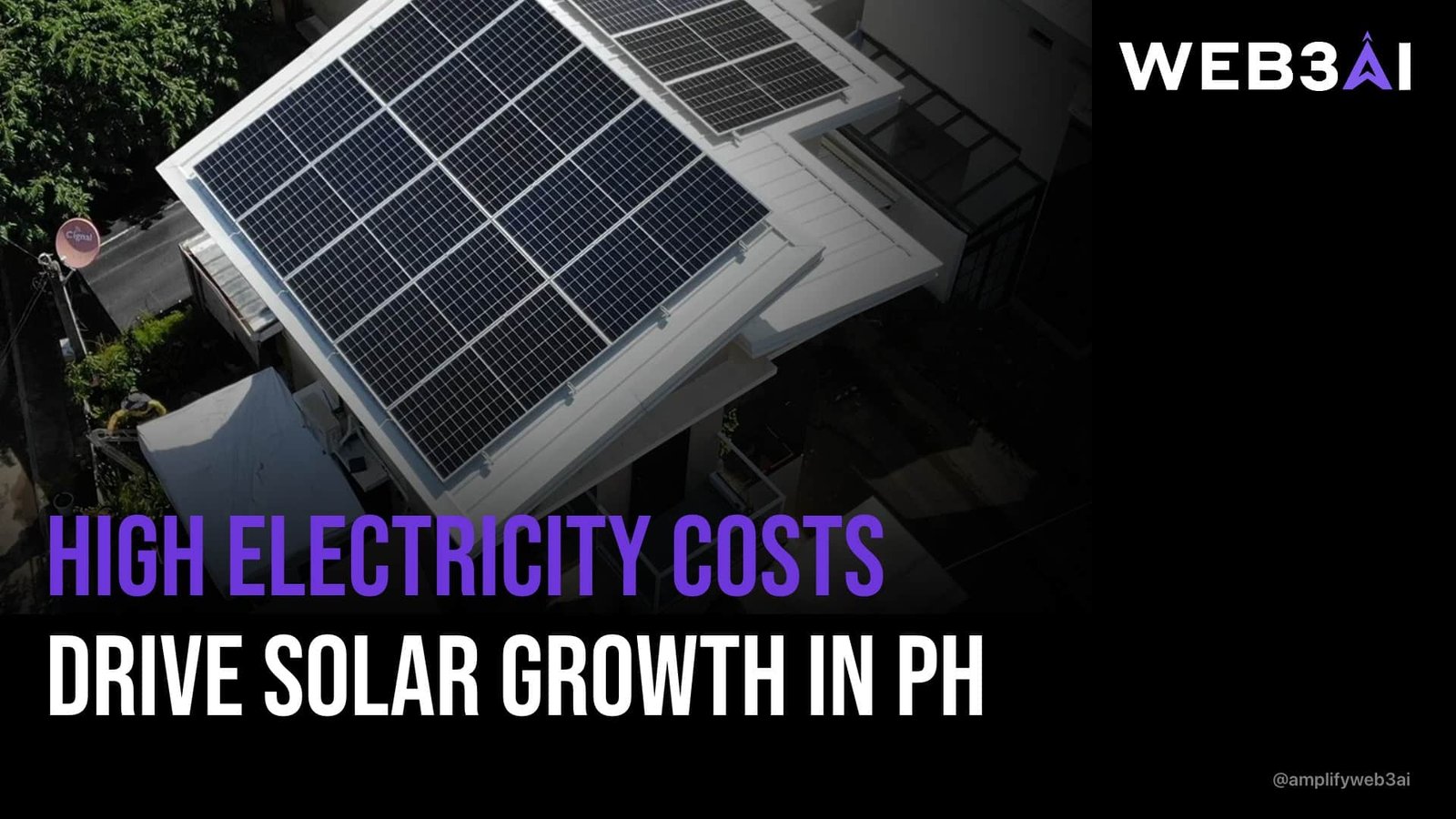
Paradoxically, the crisis is one of the most powerful accelerants of clean energy adoption in history. When fossil fuel prices spike, the economics of solar, wind, and battery storage become more attractive by comparison. Governments facing energy insecurity have dramatically increased their clean energy investment targets. The IEA’s World Energy Outlook 2024 notes that clean energy investment is now growing faster than at any previous point in history — partly as a direct response to the shock of the current crisis.
DeFi alone will not close a multi-trillion-dollar annual investment gap. But it represents a genuinely new pool of capital and a set of financial tools that did not exist a decade ago. By making clean energy assets more liquid, more transparent, and more accessible to a global base of smaller investors, DeFi can meaningfully complement traditional finance. The most promising models combine DeFi mechanisms with regulatory frameworks that give institutional investors confidence to participate alongside retail token holders.
The global energy crisis economic impact is real, complex, and still unfolding. It is reshaping inflation, trade, geopolitics, and the pace of technological innovation all at once. Understanding it clearly — rather than reacting to it emotionally — is the first step toward making decisions that hold up over the long term, whether you are running a business, managing a portfolio, or simply trying to keep your household budget under control.
The good news is that solutions are emerging faster than most people realize. Web3 energy markets, AI-powered grid optimization, blockchain-verified sustainability instruments, and DeFi-enabled clean energy investment are all early but real signals of a more resilient energy economy taking shape. The transition will be uneven and at times painful. But the direction is clear, and the technology to support it is maturing rapidly.
We are building tools at the intersection of AI and Web3 to help organizations understand, communicate, and capitalize on these shifts. Explore what we have built at attn.live.