Anouncement

Anouncement
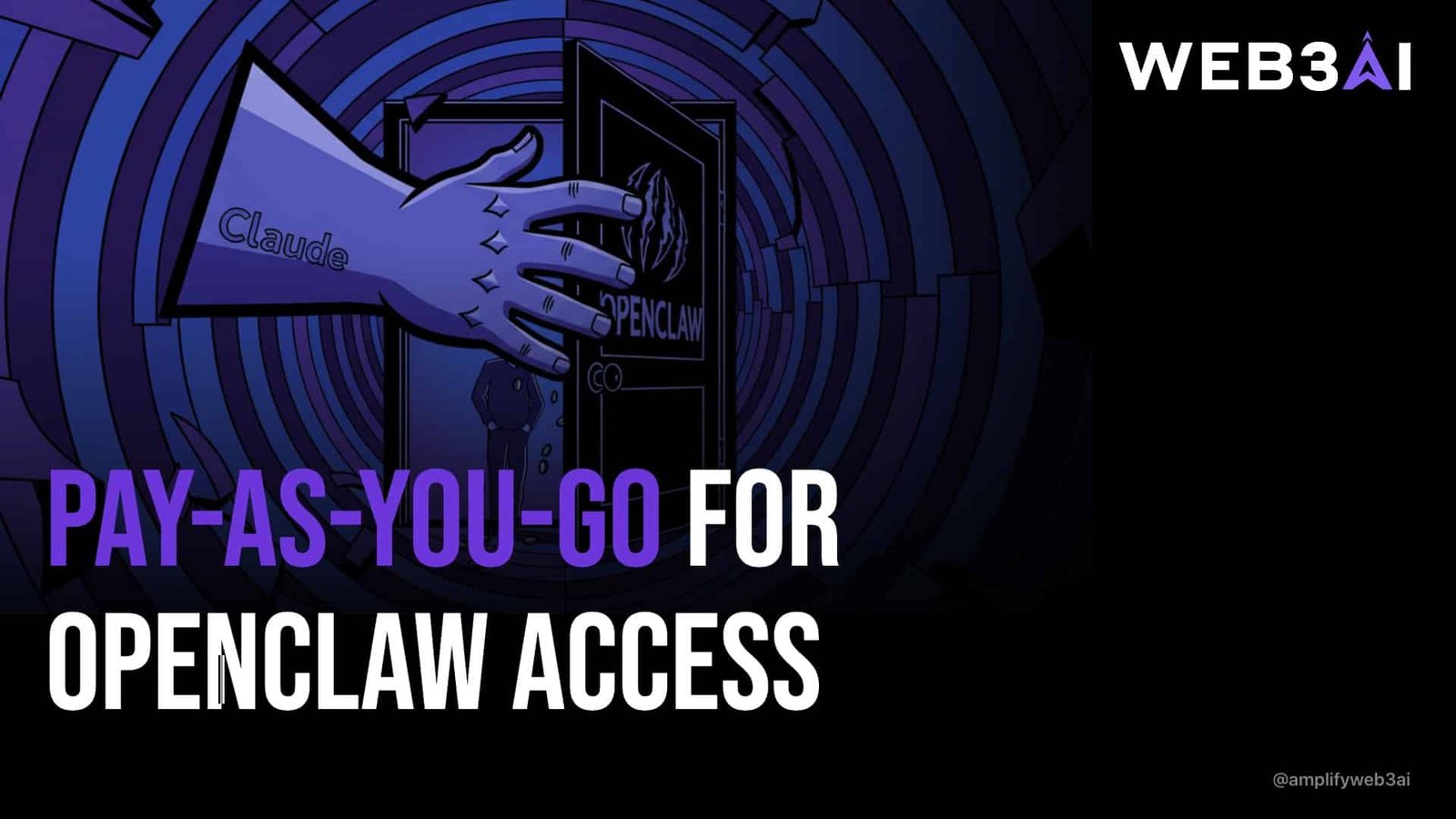

Claude AI free tier limitations just became a much bigger conversation, and if you rely on Anthropic’s Claude for daily tasks without a paid subscription, you may already be feeling the squeeze. Anthropic has quietly but decisively narrowed the capabilities available to free users — most notably by restricting access to its powerful Projects feature, which had previously been accessible to everyone. What once felt like a generous on-ramp to a world-class AI assistant is now increasingly a carefully gated preview.
This shift isn’t happening in isolation. Across the AI industry, companies are rethinking what “free” really means as infrastructure costs balloon and competition intensifies. According to TechCrunch’s coverage of Anthropic’s latest subscription changes, the company is actively restructuring its tier system to push heavier users — and more sophisticated use cases — toward paid plans. For casual users, the impact may feel minor. For power users, it marks a genuine turning point.
In this post, we break down exactly what changed, who it affects most, what you actually get on each tier today, and how to decide whether upgrading is worth it for you.
The headline change is the restriction of the Projects feature to Claude Pro and higher-tier subscribers only. Projects allowed users to create persistent, organized workspaces where Claude could retain context across multiple conversations — essentially giving the AI a memory of your preferences, files, and instructions. For free users, that door is now closed.
Beyond Projects, free users are also subject to stricter message-rate limits. During peak hours, free accounts are more likely to hit usage caps and be asked to wait before continuing. Anthropic hasn’t published exact numbers, but users across Reddit and tech forums report hitting limits significantly faster in 2025 than they did even six months ago.
This is a deliberate product decision, not a technical accident. Anthropic is signaling clearly that Claude is maturing from an open research preview into a tiered commercial product — and the free tier is being repositioned as a discovery tool rather than a workhorse.
Pro Tip: If you hit Claude’s free-tier rate limit, switching to a different browser or waiting 30–60 minutes often resets your session quota temporarily — but this is a short-term workaround, not a solution for heavy daily use.
Understanding what each tier actually delivers helps you make a smarter decision. Here is a clear breakdown of what free users lose compared to Claude Pro subscribers:
The free tier still gives you access to Claude’s core conversational abilities — it remains one of the most capable free AI assistants available. But if your workflow depends on continuity, large files, or consistent availability, the free tier’s new constraints will feel real very quickly.
For a deeper look at how AI tools compare across use cases and price points, our guide to how AI agents are changing the way we work walks through the productivity implications of these evolving platforms.
Not every Claude user will feel this equally. Casual users who open Claude once or twice a day for quick questions will likely notice very little difference — the core chat functionality remains free and capable. The friction hits hardest for three specific groups.
Freelancers and content creators who were using Claude’s Projects to manage client briefs, maintain tone guides, or track ongoing work now need to either rebuild that context from scratch every session or pay for Pro. That is a meaningful productivity loss for anyone who had integrated Projects into a daily workflow.
Students and researchers who relied on extended document analysis and large context windows will find the free tier increasingly inadequate for serious academic work. Processing a 50-page research paper or a lengthy legal document now requires either a paid plan or creative workarounds like chunking content across multiple sessions.
Small business owners and solopreneurs who were using Claude as a free alternative to hiring additional support may now face a choice: absorb the Pro subscription cost (~$20/month) or find an alternative AI tool that still offers more generous free access.
The honest answer depends entirely on how you use AI. At roughly $20 per month, Claude Pro is priced comparably to ChatGPT Plus and competes directly with Google’s Gemini Advanced tier. If you are a daily power user, the math usually works in your favor — the time saved by persistent Projects, faster response times, and access to the most capable models often justifies the cost within the first week of use.
If you use AI primarily for occasional writing help, brainstorming, or simple Q&A, the free tier is probably still sufficient — especially if you spread your usage across Claude, ChatGPT’s free tier, and other tools. Many professionals are adopting a multi-tool approach precisely because no single AI’s free tier covers everything they need.
For creators specifically, it is worth comparing Claude Pro against other AI tools before committing. Our roundup of the best AI tools for content creators covers the full landscape, including where Claude sits relative to alternatives for writing, editing, and ideation tasks.
Pro Tip: Before upgrading to Claude Pro, run a one-week audit of your actual Claude usage. Count how often you hit rate limits and whether your work genuinely requires Projects or extended context. Many users discover they only need a paid plan for 2–3 weeks per month and can manage strategically from there.
Anthropic’s move is part of a broader industry pattern. Running frontier AI models at scale is extraordinarily expensive — estimates suggest that serving millions of users daily costs AI companies tens of millions of dollars per month in compute alone. The early “free everything” era of AI was always going to be temporary; it was a land-grab strategy to build user bases before monetization kicked in.
What we are watching now is the normalization phase. Just as cloud storage companies moved from unlimited free storage to tiered plans, AI companies are establishing sustainable commercial models. The question for users is not whether this was going to happen — it was always inevitable — but how to navigate it intelligently.
Anthropic, in particular, has been transparent about its commercial pressures. The company has raised billions in funding and carries enormous operational costs as it pursues its stated mission of building safe, beneficial AI. Revenue from Pro and enterprise subscriptions is not a side business — it is the engine that funds the research. To understand more about Anthropic’s founding mission and what drives its product decisions, our explainer on what Anthropic is and why it matters is a solid starting point.
This context matters because it reframes the free tier conversation. Anthropic is not restricting free users out of greed — it is making calculated decisions about where to invest its resources, and it is betting that enough users value Claude’s capabilities to pay for them.
If you are not ready to upgrade but want to maximize what the free tier still offers, here is a practical approach:
The most significant Claude AI free tier limitations in 2025 are the removal of Projects access, stricter daily and hourly message rate limits, restricted access to the most capable Claude model versions (Sonnet and Opus), and reduced file upload allowances. Free users can still access core Claude conversational features, but persistent memory, priority access, and advanced document handling are now reserved for paid subscribers.
Yes, for light to moderate use cases, Claude’s free tier remains genuinely useful. If you use Claude for quick writing help, brainstorming, answering questions, or short conversations, you will likely not hit the limits in ways that disrupt your work. The restrictions become significant primarily for users who need consistent, high-volume, or context-heavy interactions throughout the day.
Projects is a workspace feature that allows Claude to retain memory and context across multiple conversations within an organized project environment. For professionals, this meant Claude could remember your writing style, client preferences, ongoing instructions, and uploaded reference files across sessions — essentially acting as a persistent AI collaborator rather than a stateless chat tool. Restricting it to paid tiers removes one of Claude’s most differentiating capabilities from the free experience.
Both Claude and ChatGPT have tightened their free tiers in 2025. ChatGPT’s free tier still offers access to GPT-4o with daily limits, while Claude’s free tier offers its core model with similar time-based restrictions. Neither free tier is designed for power users anymore. Claude’s free tier arguably still leads on response quality for nuanced writing and reasoning tasks, but ChatGPT’s free tier currently offers broader feature access, including basic image generation through DALL-E.
For daily professional users, Claude Pro is generally worth the investment. The combination of Projects, priority access, higher message limits, and access to the most capable model versions delivers a meaningfully different experience from the free tier. For occasional users, the free tier may still suffice — especially combined strategically with other free AI tools. A one-week usage audit before committing is the best way to make an informed decision for your specific workflow.
Anthropic has not announced any plans to expand free tier access, and the direction of travel in 2025 points toward further commercialization rather than rollbacks. That said, competitive pressure from other AI providers could influence future decisions. If a major competitor offers significantly more generous free access, Anthropic may adjust to remain competitive for user acquisition. For now, the current restrictions appear to be a stable, intentional product direction.
Claude AI free tier limitations in 2025 represent a maturation moment for Anthropic’s product — and for the AI industry broadly. The free tier still delivers genuine value for casual users, but the removal of Projects and the tightening of rate limits signal clearly that Anthropic’s most powerful features are now reserved for paying customers. This is not a betrayal; it is the predictable evolution of a product built on expensive infrastructure and ambitious research goals.
The smart response is not frustration — it is strategy. Audit your actual usage, maximize what the free tier still offers, and make a clear-eyed assessment of whether the productivity gains from Claude Pro justify $20 per month for your specific situation. For many professionals, the answer will be yes. For lighter users, a multi-tool free approach may cover the gaps just fine.
As AI tools continue to evolve and tier structures shift, staying informed is your best advantage. Explore what we have built at attn.live.