Anouncement

Anouncement
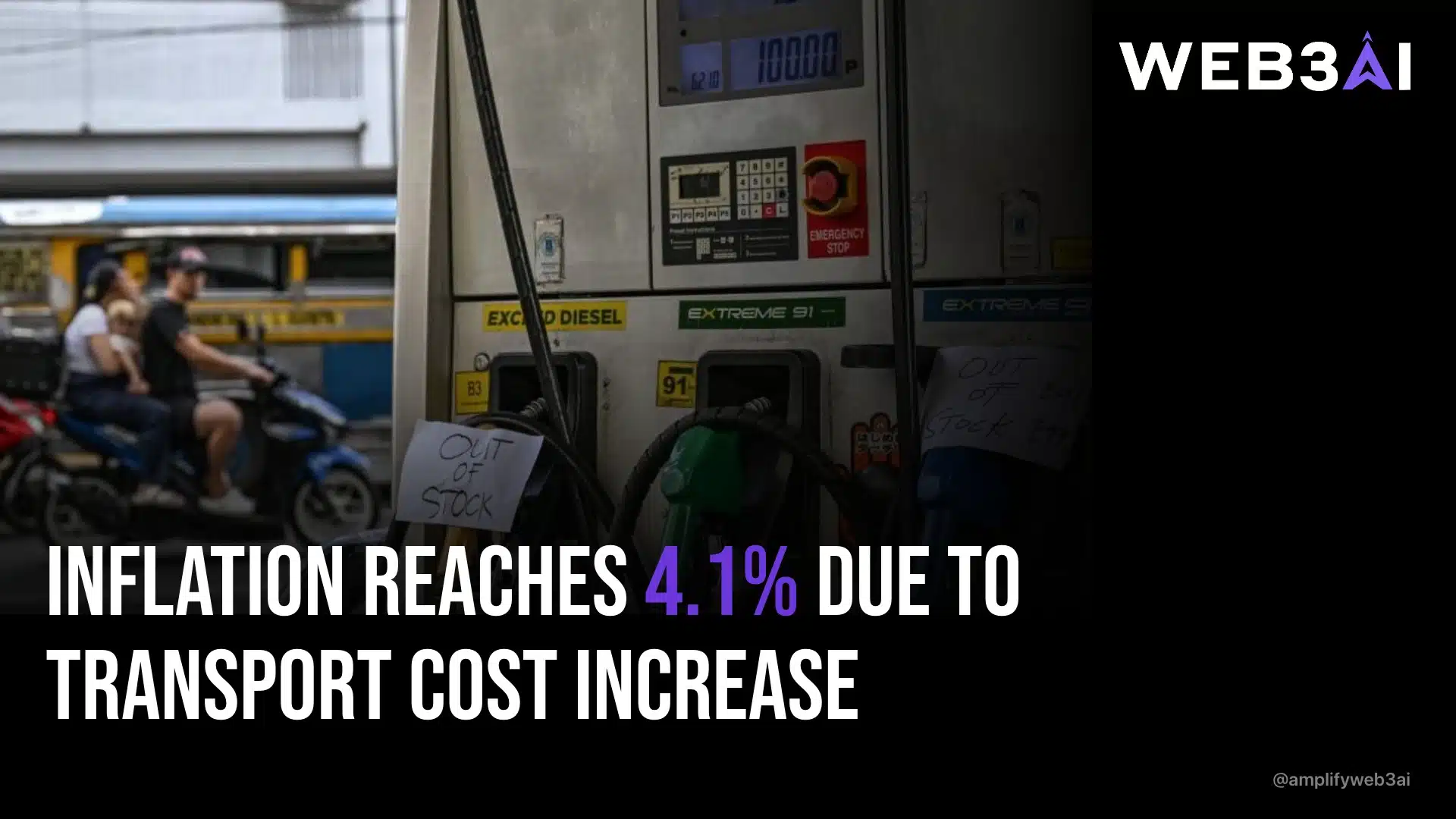

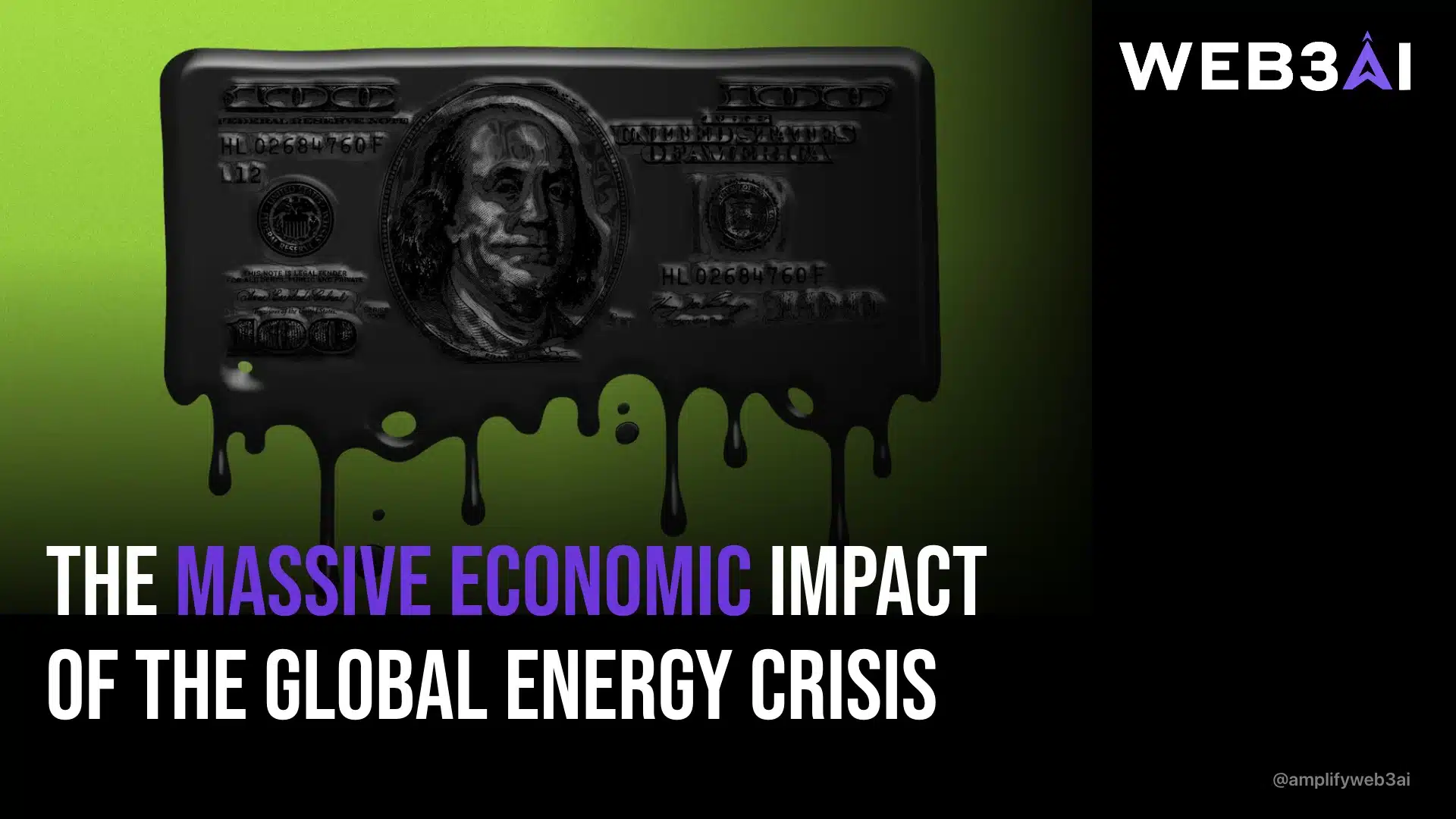
The Philippine inflation oil crisis impact has become impossible to ignore in 2025, as headline inflation climbed to 4.1% in March — the highest reading in months — driven largely by a sharp surge in transport and energy costs. For millions of Filipino households already stretching every peso, this latest spike arrives at a particularly difficult moment. Global oil market turbulence, amplified by geopolitical uncertainty and shifting trade dynamics, has sent fuel prices rippling through virtually every sector of the domestic economy.
The numbers tell a sobering story. Transport costs — one of the most sensitive indicators of fuel price changes — surged significantly, squeezing commuters, small business owners, and logistics operators alike. According to World Bank data tracking Philippine consumer price inflation, the country has historically faced periods of elevated inflation tied directly to global oil shocks, and the current environment echoes those earlier episodes with new intensity. The compounding effect on food prices, transportation, and basic utilities means that the real cost of living for ordinary Filipinos is rising faster than official figures alone can fully capture.
In this post, we break down exactly what is driving the current inflation surge, which sectors are feeling the most pain, what economists and policymakers are watching, and — crucially — what practical steps individuals and businesses can take to navigate this period of economic pressure.
The primary driver of March 2025’s 4.1% inflation reading is a global oil supply disruption that has sent crude prices higher across international markets. The Organization of Petroleum Exporting Countries (OPEC) and its allies have maintained production constraints, while renewed geopolitical tensions in key oil-producing regions have added a significant risk premium to every barrel. The Philippines, as a net oil importer, absorbs these shocks directly and immediately at the pump.
Domestic fuel prices for gasoline, diesel, and kerosene all posted substantial increases in the weeks leading up to the March inflation report. Diesel prices are particularly consequential in the Philippine context because they power the jeepneys, trucks, fishing boats, and farm equipment that form the backbone of the country’s transport and agriculture sectors. When diesel gets expensive, the cost increase cascades through the supply chain faster and more broadly than almost any other single input.
Beyond oil, the peso’s performance against the US dollar has added another layer of pressure. Since crude oil is priced globally in dollars, a weaker peso means Filipino importers pay more in local currency terms even when dollar-denominated prices remain stable. The combined effect of higher global oil prices and currency depreciation has created a double bind for the Philippine economy in early 2025.
Pro Tip: When tracking inflation’s real impact on your household, look beyond the headline CPI figure. Monitor sub-indices like transport costs, utilities, and food-at-home prices separately — these reflect day-to-day living costs more accurately than the aggregate number.
Transport costs recorded one of the steepest month-on-month increases in the latest inflation report, and this is where the Philippine inflation oil crisis impact is most immediately felt by everyday commuters. Jeepney and bus operators have been lobbying for fare increases to offset their spiraling fuel bills, and some routes have already seen informal adjustments that put additional pressure on workers commuting to and from Metro Manila and other major urban centers.
For small and medium enterprises, the transport cost surge translates directly into higher delivery fees, increased raw material costs, and compressed profit margins. A bakery paying more to have flour delivered, a restaurant absorbing higher produce transport costs, a construction company spending more to move materials — all of these businesses face the same underlying pressure from oil prices, and most lack the scale to renegotiate contracts or hedge fuel costs the way large corporations can.
Understanding how AI-driven financial tools are beginning to help businesses model and respond to cost volatility is increasingly relevant in this environment. Our post on how AI is transforming the future of finance explores how intelligent platforms are giving smaller players access to the kind of forecasting and risk management capabilities once reserved for large institutions — a development with real implications for businesses trying to survive inflationary periods like this one.
Oil prices do not stay neatly confined to the transport sector — they leak into food prices through every link in the agricultural supply chain. Farmers pay more for fuel to run irrigation pumps and farm equipment. Truckers charge more to haul produce from farm to market. Cold storage facilities face higher electricity bills, which are themselves partly tied to fuel costs. By the time a kilogram of rice or a bunch of vegetables reaches a wet market in Manila, it has absorbed fuel cost increases at multiple points along its journey.
The Philippine Statistics Authority’s data for March 2025 showed food inflation remaining elevated even as some earlier pressures from weather events began to ease. This means that oil-driven cost increases are now the dominant force pushing food prices higher, and there is limited near-term relief in sight unless global crude prices fall meaningfully or the peso strengthens. For low-income households, which spend a disproportionately large share of their budgets on food and transport, the combined impact is equivalent to a significant real wage cut.
Bangko Sentral ng Pilipinas (BSP) has signaled that it is watching inflation developments carefully, balancing the need to control price pressures against the risk of choking off economic growth with aggressive rate increases. The central bank’s monetary policy decisions over the next two quarters will be among the most consequential for Filipino households and businesses navigating this period.
Pro Tip: If you run a small business exposed to fuel or transport costs, consider building a simple rolling 90-day cost forecast. Even a basic spreadsheet model that tracks fuel price trends can help you price your products more accurately and avoid margin surprises.
As traditional financial pressures mount, more Filipinos are exploring alternative ways to protect and grow their wealth. The Philippine inflation oil crisis impact is arriving at a moment when Web3 technologies and decentralized finance tools are becoming more accessible to everyday users — not as a speculative escape from reality, but as practical instruments for financial resilience.
Stablecoins, for instance, allow Filipinos to hold dollar-denominated value without a traditional bank account, providing a natural hedge against peso depreciation — one of the amplifying factors in the current inflation episode. Decentralized savings and lending protocols offer yields that, in some cases, exceed what traditional bank deposits provide, giving savers a fighting chance against inflation’s erosion of purchasing power.
The role of the creator economy in this context is also worth noting. Digital creators and freelancers who earn in foreign currencies through Web3 platforms are, in effect, naturally hedged against local currency weakness. Our piece on Web3 and the future of the creator economy outlines how this shift is opening new income pathways for Filipinos who can access global platforms and get paid in digital assets that hold their value better than a depreciating peso.
Responding effectively to an oil-driven inflation episode requires action at every level — from government policy to household budgeting. Here is a breakdown of the most practical steps at each tier:
The deeper lesson of every inflationary episode is that preparation and diversification matter more than trying to time markets or predict when oil prices will fall. Building financial resilience before the next shock is always easier than scrambling to adapt after it has already arrived.
For those interested in how decentralized finance protocols actually work and what protections and risks they carry, our explainer on the rise of DeFi provides a clear, jargon-free introduction that is particularly relevant for Filipinos looking at alternatives to traditional banking during this inflationary stretch.
The primary cause is a global oil supply disruption driven by OPEC production constraints and geopolitical tensions in oil-producing regions. The Philippines, as a net oil importer, absorbs these shocks immediately through higher domestic fuel prices. A simultaneously weakening peso has amplified the impact, since oil is priced in US dollars internationally, making each barrel more expensive in local currency terms.
The impact is felt most directly through higher transport costs — affecting commuters, small businesses, and logistics operators — and through rising food prices, since fuel costs are embedded throughout the agricultural supply chain. Low-income households are disproportionately affected because they spend a larger share of their budgets on food and transport than wealthier households do.
The 4.1% headline inflation rate reflects the combined effect of elevated global oil prices, peso depreciation, and persistently high food costs. Transport costs recorded particularly sharp increases, acting as a key driver of the overall CPI reading. The Bangko Sentral ng Pilipinas has indicated it is monitoring the situation closely and weighing its monetary policy response.
Yes, in several practical ways. Dollar-pegged stablecoins provide a hedge against peso depreciation, which amplifies oil-driven inflation for Filipino importers and consumers. DeFi savings protocols can offer yields that partially offset inflation’s erosion of purchasing power. Earning in foreign currencies through Web3 creator platforms also provides natural insulation against local currency weakness.
Transport and logistics are most directly exposed, followed by agriculture and food production, manufacturing, and fishing. Any sector that relies heavily on diesel fuel — which includes most of the Philippine economy’s productive backbone — faces significant cost pressure. Consumer-facing businesses in retail and food service also absorb indirect cost increases through their supply chains.
The Bangko Sentral ng Pilipinas faces a difficult balancing act: raising interest rates can help control inflation but risks slowing economic growth and increasing borrowing costs for businesses and households. The BSP has historically been data-driven in its approach, and most economists expect it to proceed cautiously — monitoring whether the oil-driven spike proves transitory before committing to aggressive rate increases.
The Philippine inflation oil crisis impact unfolding in 2025 is a genuine challenge for households, businesses, and policymakers alike — but it is not unprecedented, and it is navigable with the right tools and mindset. Understanding the root causes, tracking which sectors are most exposed, and taking practical steps toward financial diversification can meaningfully reduce the personal and business impact of rising prices. Whether that means tightening household budgets, exploring Web3 financial tools, or advocating for smarter government responses, the key is informed action over passive anxiety.
At ATTN.LIVE and amplifyweb3.ai, we believe that access to better financial information and more resilient financial tools should not be limited to large institutions or wealthy investors. The same AI-powered insights and decentralized financial instruments that help multinationals hedge oil price risk can, with the right platforms, be made accessible to Filipino freelancers, small business owners, and everyday savers navigating exactly this kind of economic environment. The technology exists — the question is whether we use it wisely.
Explore what we have built at attn.live.