Anouncement

Anouncement
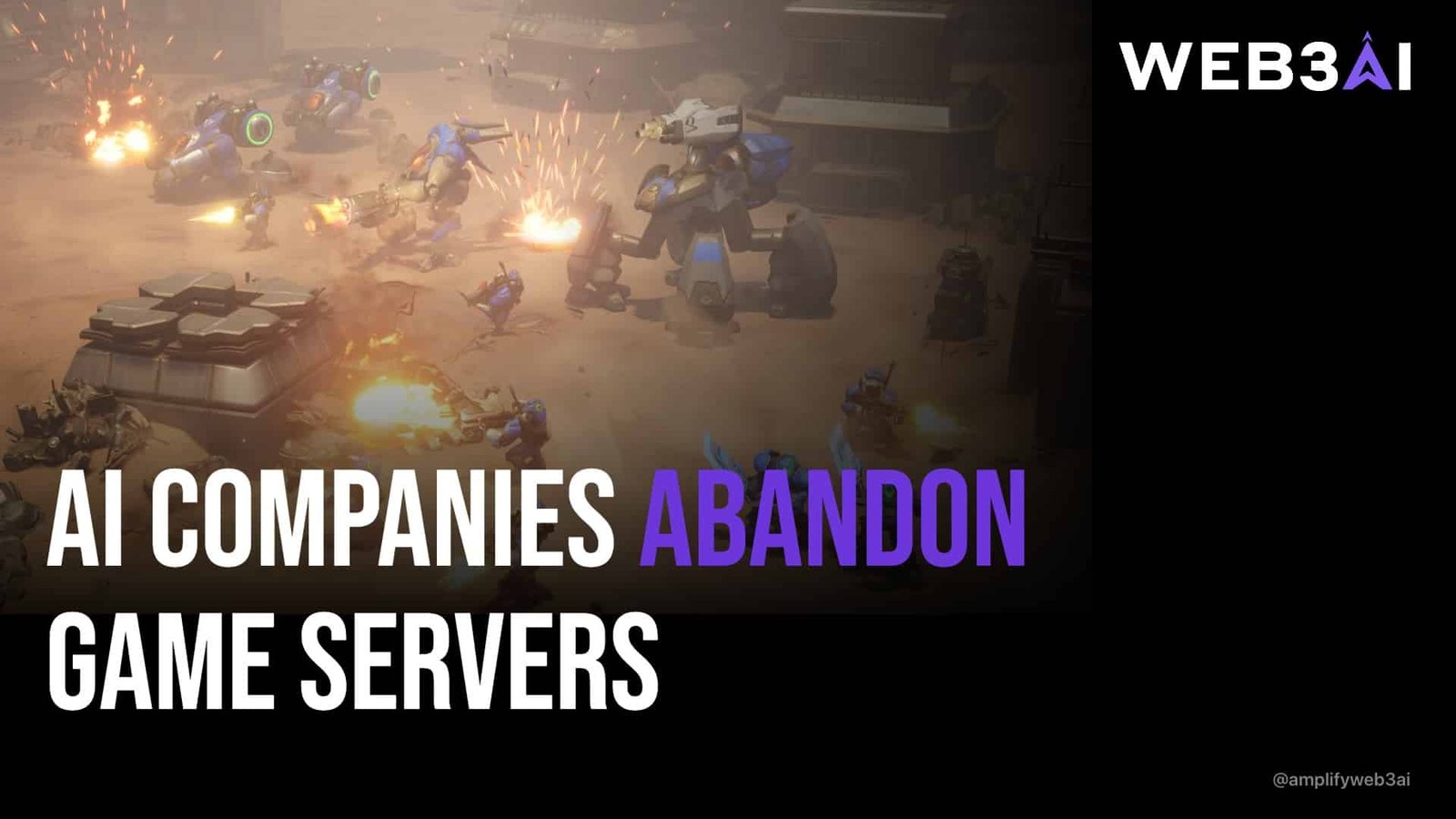

Stormgate RTS free to play is no longer a rumor — it is the new reality for Frost Giant Studios’ ambitious strategy game, and it arrives with some significant trade-offs that every RTS fan needs to understand. After a turbulent Early Access launch on Steam in 2024 that drew heavy criticism for its monetization model and unfinished state, the developers have made a sweeping pivot: drop the price to zero and restructure the entire game. On the surface, that sounds like a win for players. Dig a little deeper, and the picture gets more complicated.
The studio simultaneously announced it is shutting down its AI opponent servers and trimming back multiplayer infrastructure — cuts that feel counterintuitive for a game trying to grow its audience. According to coverage from TechRadar’s 2024 Early Access review, Stormgate had already been struggling to differentiate itself from legacy giants like StarCraft II and WarCraft III. A free-to-play label may drive downloads, but the removal of AI skirmish modes and reduced server capacity raises real questions about long-term player retention. This post breaks down what the Stormgate free-to-play shift actually means — for the game, for the RTS genre, and for the studios betting on AI-driven gaming experiences.
Frost Giant Studios confirmed via a Steam update that Stormgate would transition to a fully free-to-play model, removing the upfront purchase requirement that had been a barrier since Early Access launched. The move is clearly designed to spike the player count and extend the game’s runway as the studio works through its development roadmap. It is the kind of bold reset that smaller studios sometimes pull off brilliantly — and sometimes use as a last-ditch effort before things go quiet.
But paired with that announcement came the news that AI skirmish servers are being shut down. For a real-time strategy game, this is not a minor footnote. AI opponents are the practice ground, the safe space where new players build confidence before stepping into ranked multiplayer. Removing that mode — or degrading its availability — essentially raises the skill floor for anyone picking up the game for the first time. That is a strange way to welcome a new wave of free-to-play users.
The studio cited infrastructure costs as the primary reason for scaling back server-hosted AI and some multiplayer modes. Running cloud-based AI opponents at scale is genuinely expensive, and for a studio that has faced financial pressures since its crowdfunding campaign, the math may simply not work right now. Understanding how AI fits into game economies is something we explored in depth in our post on how AI is changing the gaming industry — and Stormgate’s situation is a real-world case study in those trade-offs.
Pro Tip: If you are jumping into Stormgate for the first time after the free-to-play launch, focus on the campaign missions first. With AI skirmish servers reduced, the campaign is now your primary low-pressure learning environment before entering live multiplayer.
Real-time strategy games have one of the steepest learning curves in all of gaming. StarCraft II — the obvious benchmark Stormgate is chasing — has spent years refining its AI difficulty tiers to give players a legitimate path from beginner to competitive. Frost Giant Studios clearly understood this when they built AI skirmish into Stormgate’s design. Pulling it back now, precisely when the game is supposed to be attracting its largest-ever audience, creates a friction point that could quietly kill retention.
Think about it from the new player’s perspective. You see “free to play” on Steam, you download the game, you boot it up with zero RTS experience, and suddenly your primary practice tool is unavailable or degraded. You queue into ranked, get demolished by veterans who have been playing since Early Access, and you uninstall. That churn cycle is the enemy of any live-service game, and it is especially brutal in a niche genre where the community is already small by mainstream standards.
There is also a longer-term implication here for how studios think about AI in games — not just as an opponent, but as an infrastructure investment. We have written about the intersection of Web3 and gaming economies before, and it is worth noting that Web3 gaming models offer some structural answers to exactly this kind of server cost problem — decentralized compute, player-owned infrastructure, and tokenized incentives for hosting game nodes. Stormgate is not a Web3 game, but the problem it faces is one that decentralized models are actively trying to solve.
Pro Tip: Studios considering free-to-play pivots should audit their AI and server infrastructure costs before the announcement — not after. Cutting features at the same time you are trying to grow your player base sends a mixed signal that is difficult to recover from in community perception.
Stormgate was always going to live or die in the shadow of StarCraft II, and that is not unfair — Frost Giant Studios was founded largely by former Blizzard veterans who worked on StarCraft and WarCraft. The expectation, from day one, was that this team would know exactly what makes a great RTS tick. And in many ways, they do. The game’s core mechanics were praised even by early critics who found fault with its presentation and monetization.
Going free to play removes the monetization friction, but it does not solve the question of identity. StarCraft II went free to play in 2017 and had the benefit of being a fully completed, decade-refined product when it made that move. Stormgate is making the same transition while still in Early Access, with a smaller content library and a community that is still forming opinions about the game’s long-term vision. The circumstances are meaningfully different, even if the headline looks the same.
What Stormgate needs most right now is not more downloads — it is a stable, growing community of players who feel invested in the game’s future. That requires consistent content updates, responsive developer communication, and yes, accessible practice tools like AI opponents. Two of those three things can be managed without significant server costs. The third — the AI skirmish problem — is going to require a creative solution if Frost Giant wants to make the free-to-play bet pay off.
Stormgate’s pivot is not happening in isolation. The RTS genre has been in a slow revival mode for several years, with titles like Age of Empires IV, Dune: Spice Wars, and various indie strategy games pulling the audience back toward base-building and unit management. Stormgate was supposed to be the AAA torchbearer for a new generation of competitive RTS — a direct successor to the eSports era that StarCraft II defined.
If Stormgate’s free-to-play move succeeds and the game finds its footing, it would be a genuine shot in the arm for the genre. A healthy Stormgate community validates the commercial viability of competitive RTS in 2025, which gives publishers more confidence to greenlight similar projects. Failure, on the other hand, could reinforce the narrative that RTS is too niche and too expensive to develop for a modern audience — a narrative the genre does not need right now.
The decisions Frost Giant makes over the next six months will likely define not just Stormgate’s future but the trajectory of big-budget real-time strategy development for the rest of the decade. That is a heavy weight for a studio that is still in Early Access, but it is the reality of being the most visible project in a genre hungry for a win. For more on how decentralized economies are reshaping gaming business models, see our breakdown of the rise of decentralized gaming economies.
If you are a current or prospective Stormgate player, here is a practical summary of what the free-to-play transition means for your experience right now:
Here is a suggested onboarding path for new players joining post-free-to-play launch:
The Stormgate free-to-play transition removes the upfront purchase price on Steam, making the base game fully accessible at no cost. Players can access core multiplayer and campaign content without spending money, while cosmetic items remain available for purchase. The shift is intended to grow the player base significantly during the ongoing Early Access period.
Frost Giant Studios cited infrastructure costs as the primary driver behind scaling back server-hosted AI opponents. Running cloud-based AI at scale is expensive, and the studio is reallocating resources to support the free-to-play transition and ongoing game development. The timing is unfortunate, as AI skirmish modes are a primary learning tool for new RTS players.
StarCraft II went free to play in 2017 after nearly a decade of full development and a massive established player base. Stormgate is making the same move while still in Early Access with a smaller content library. The core mechanical quality is respected by the community, but Stormgate faces the challenge of building its identity and player base simultaneously — something StarCraft II did not have to do in free-to-play mode.
A larger free player base typically benefits competitive scenes by deepening the matchmaking pool and increasing overall skill diversity. However, the reduction in AI servers may slow the development of new competitive players who rely on skirmish practice. The competitive ecosystem will depend heavily on how quickly Frost Giant restores or replaces the AI infrastructure.
For players interested in the RTS genre, Stormgate is worth trying simply because it is now free and the core gameplay has genuine merit. The server reductions are a real setback, particularly for solo players and beginners. If you approach it as an evolving Early Access game rather than a finished product, the free-to-play version offers reasonable value — especially with community resources filling some of the AI practice gap.
The Stormgate RTS free to play announcement is equal parts exciting and cautionary. It is exciting because it removes the single biggest barrier to entry for a genre that desperately needs new blood. It is cautionary because the simultaneous cuts to AI and multiplayer servers suggest the studio is managing significant resource constraints at a critical moment. How Frost Giant navigates the next few months — whether it restores AI infrastructure, delivers on its content roadmap, and builds genuine community trust — will determine whether this pivot is remembered as a brilliant comeback or a desperate contraction.
The broader lesson here extends well beyond Stormgate. AI infrastructure, server costs, and sustainable game economies are challenges every studio faces in 2025, and the solutions are not always obvious. At amplifyweb3.ai, we track exactly these kinds of intersections between AI, gaming, and emerging technology — because the decisions studios make today are shaping the digital entertainment landscape for years to come. Explore what we have built at attn.live.