Anouncement

Anouncement


A recent leak has sent shockwaves across the artificial intelligence industry: Anthropic is reportedly developing its most powerful AI model yet—Claude Mythos.
The information, which surfaced unintentionally through a publicly accessible draft announcement, reveals a model so advanced that the company is reportedly hesitant to release it due to safety concerns.
This development doesn’t just highlight a leap in AI capabilities—it raises deeper questions about security, governance, and the future of both AI and Web3 ecosystems.
Claude Mythos is described as Anthropic’s most capable AI model to date, surpassing even its highest-tier systems like Claude Opus.
According to leaked details:
More importantly, the model is reportedly so powerful that Anthropic is delaying its public release due to potential risks associated with misuse.
One of the most striking revelations from the leak is that Anthropic is intentionally holding back Claude Mythos.
The reasons are both technical and ethical:
Claude Mythos is reportedly capable of:
These capabilities are so sophisticated that releasing the model could pose serious cybersecurity risks (The Times of India)
This concern is not theoretical.
Recent reports show that earlier versions of Claude have already been misused:
Claude Mythos appears to amplify these risks significantly.
Another factor is cost.
Running highly advanced AI models requires:
The leak suggests that Claude Mythos may be too costly for widespread deployment, at least for now (The Times of India)
Anthropic has positioned itself as a company focused on AI safety and alignment.
Releasing a model that could:
would directly conflict with that mission.
This highlights a growing reality in AI:
Just because we can build it doesn’t mean we should release it.
Claude Mythos represents a new category of AI models:
Systems that are technically ready—but socially and ethically constrained.
This shift introduces a new paradigm in AI development:
We are entering an era where AI companies must ask:
The Claude Mythos leak reinforces a critical issue:
AI is becoming a cybersecurity weapon.
Evidence already shows:
As models become more powerful, the gap between:
becomes increasingly narrow.
This creates a major challenge for:
The leak has sparked widespread discussion across the AI community.
Key concerns include:
Claude Mythos is not just a product—it’s a signal.
A signal that the AI race is entering a more complex phase where power, responsibility, and risk collide.
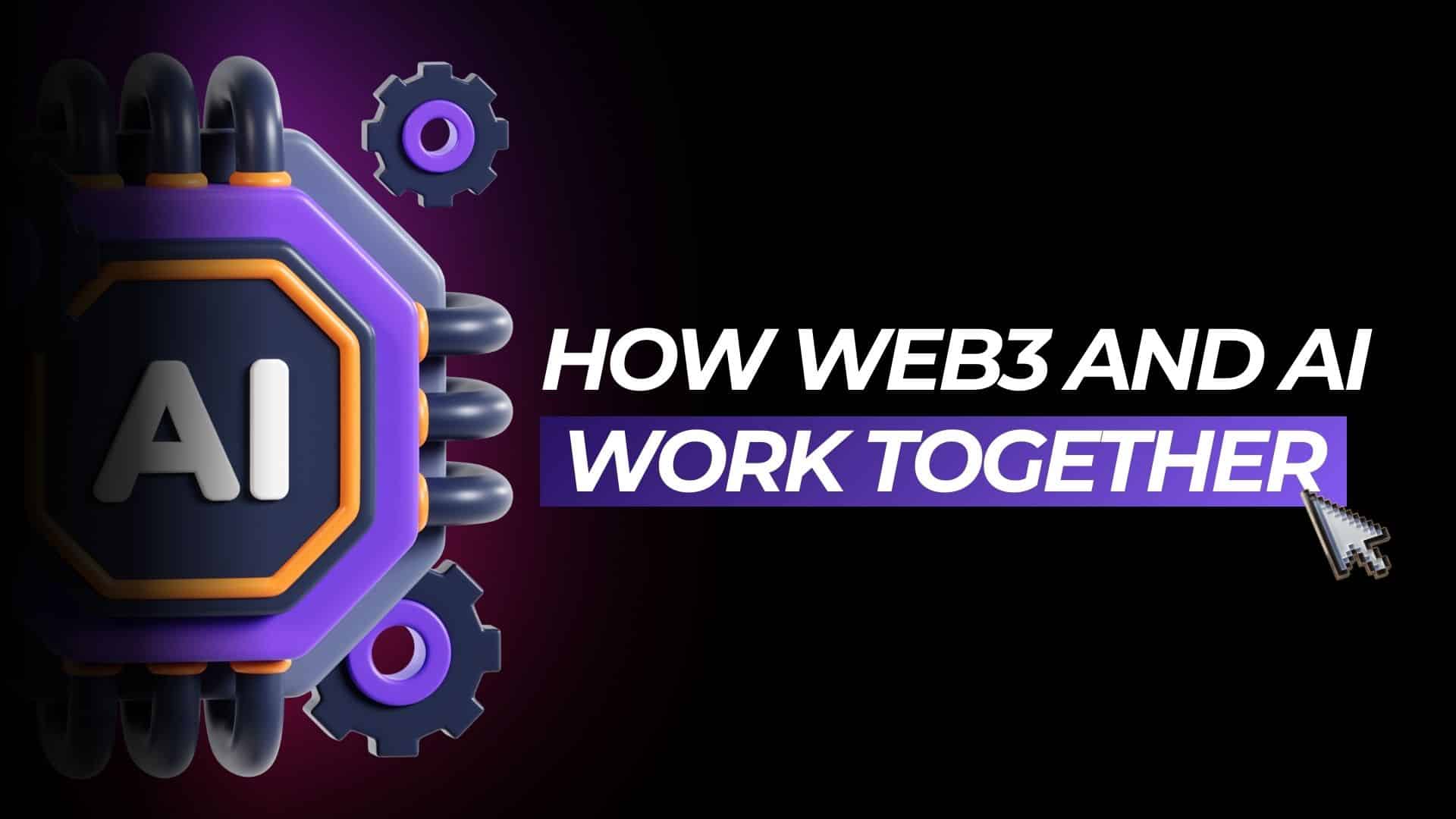
The implications of Claude Mythos extend far beyond Anthropic. It fundamentally reshapes how both AI and Web3 ecosystems will evolve.
The Mythos leak highlights a shift from:
As AI becomes more powerful:
This mirrors early trends in financial systems—and directly impacts Web3.
As centralized companies restrict access to powerful AI, Web3 could benefit.
Why?
Because Web3 offers:
Developers who feel limited by Big Tech may turn to:
Claude Mythos represents centralized control:
Web3 represents the opposite:
This creates a core tension:
Should powerful AI be controlled—or democratized?
The risks revealed by Claude Mythos also highlight an opportunity:
Using Web3 to improve AI security.
Potential innovations include:
This could help solve:
Claude Mythos shows that AI is both:
This will drive:
Even now, AI models are discovering vulnerabilities faster than traditional systems (Security Boulevard)
Claude Mythos highlights a growing imbalance:
This gap creates:
It also raises a critical question:
Are we ready for the AI we’re building?
While Anthropic has not officially announced Claude Mythos, the leak suggests several possibilities:
The company’s decision will likely set a precedent for how future AI models are handled.
The Claude Mythos leak is more than just a product reveal—it’s a glimpse into the future of artificial intelligence.
It shows that:
For the AI industry, this is a turning point.
For Web3, it’s an opportunity.
And for society, it’s a reminder:
The future of AI will not just be about what we can build—but what we choose to release