Anouncement

Anouncement
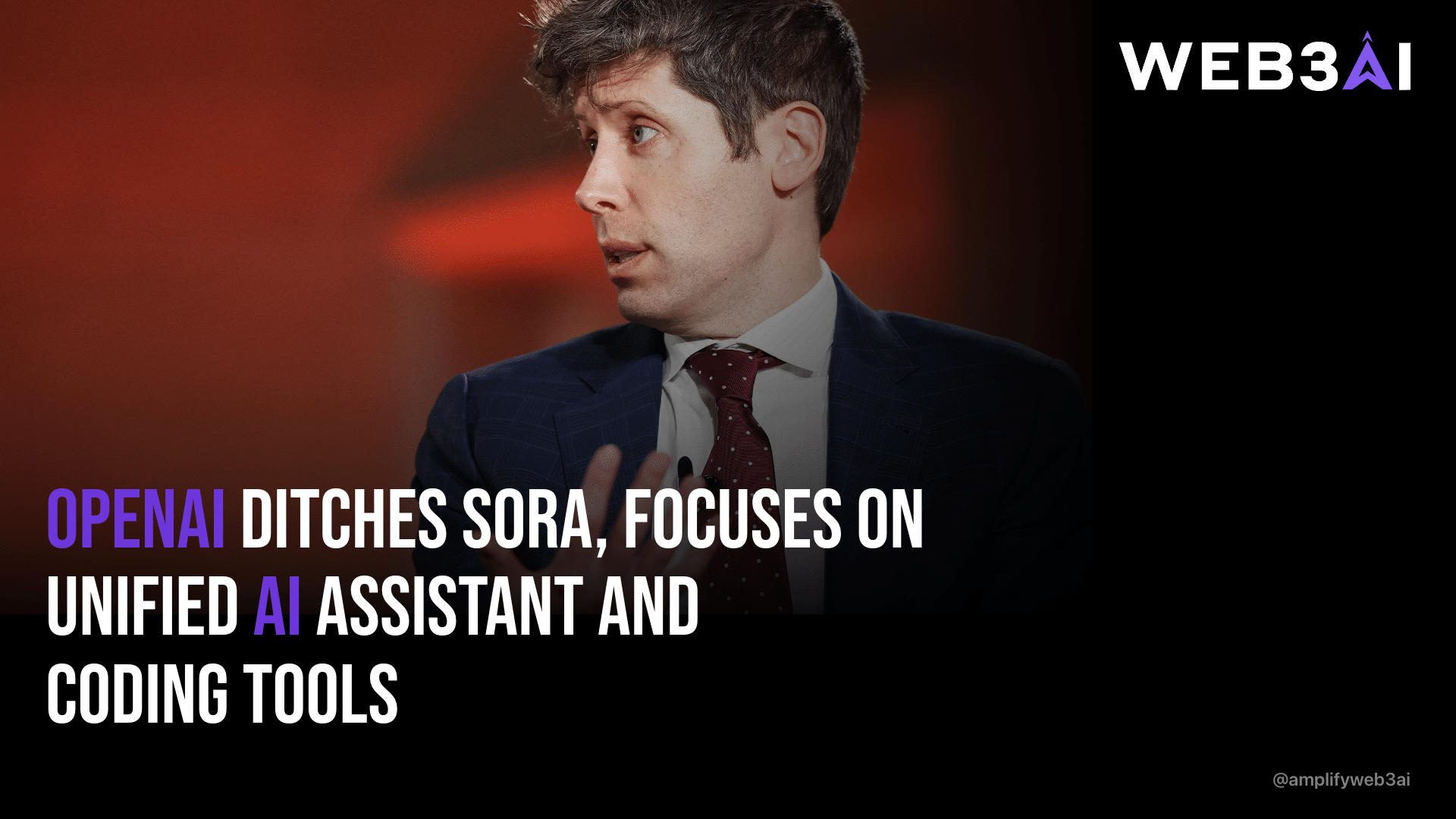

OpenAI has officially shut down Sora, its high-profile AI video generation app, signaling a major strategic shift as the company prepares for a potential IPO and a new era of artificial intelligence products.
The move surprised many in the tech world—especially after Sora went viral for its ability to generate hyper-realistic videos from simple text prompts. But behind the scenes, this decision reveals something bigger: the future of AI may not be in flashy consumer apps—but in integrated, all-in-one AI ecosystems.
Sora was one of the most talked-about AI tools of the past year. It allowed users to create cinematic-quality videos using text prompts, pushing the boundaries of generative AI.
However, despite its popularity, OpenAI decided to discontinue both the app and its API just months after launch. (WIRED)
1. Preparing for an IPO
OpenAI is restructuring its business to become “IPO-ready,” focusing on scalable, revenue-generating products rather than experimental tools. (WIRED)
2. High Compute Costs
AI video generation is extremely resource-intensive. Running Sora at scale required massive computing power, making it difficult to sustain without strong monetization. (Business Insider)
3. Declining User Engagement
After an initial surge, Sora’s downloads dropped significantly—from millions of users to a noticeable decline within months. (WIRED)
4. Legal and Ethical Risks
AI-generated video raised concerns around copyright, deepfakes, and misuse—issues that could create long-term regulatory challenges. (Business Insider)
The shutdown of Sora is not just about one product—it reflects a broader shift in how AI companies are operating.
Instead of chasing viral consumer tools, OpenAI is now prioritizing:
This marks a transition from “AI hype” to “AI business fundamentals.”
As one report highlights, OpenAI is reallocating resources toward tools like its coding platform, which is already generating significant revenue. (WIRED)
One of the most important takeaways from this shift is OpenAI’s plan to build a unified AI “super app.”
Instead of separate tools like Sora, ChatGPT, and coding assistants, OpenAI aims to combine everything into one platform.
This approach mirrors the success of “super apps” in Asia—platforms that combine multiple services into one ecosystem.
The goal:
👉 One AI assistant that can do everything—from chatting to coding to creating.
For content creators, marketers, and everyday users, the shutdown of Sora raises important questions:
The focus is shifting from “cool demos” to tools that solve real problems—like coding, research, and productivity.
Instead of downloading multiple AI apps, users may rely on a single platform that integrates all capabilities.
Tech giants and AI startups are now racing to build their own versions of a “super AI assistant.”
One major theme behind this decision is cost.
AI development—especially at OpenAI’s scale—requires:
These costs are forcing companies to make hard decisions about which products are worth keeping.
Sora, while impressive, didn’t justify its operational cost compared to other tools with clearer revenue potential. (Business Insider)
The shutdown of Sora doesn’t mean AI video is dead. Instead, it signals that:
At the same time, OpenAI is exploring robotics and “world simulation” technologies, hinting at even bigger ambitions beyond digital content. (Business Insider)
OpenAI’s decision to shut down Sora marks a turning point in the AI industry.
This is no longer just about innovation—it’s about sustainability, scalability, and strategy.
The message is clear:
The future of AI isn’t just about what’s possible—it’s about what’s practical.
As OpenAI moves toward an IPO and builds its AI super app, we’re entering a new phase where the winners won’t just be the most innovative—but the most efficient, focused, and integrated.