Anouncement

Anouncement
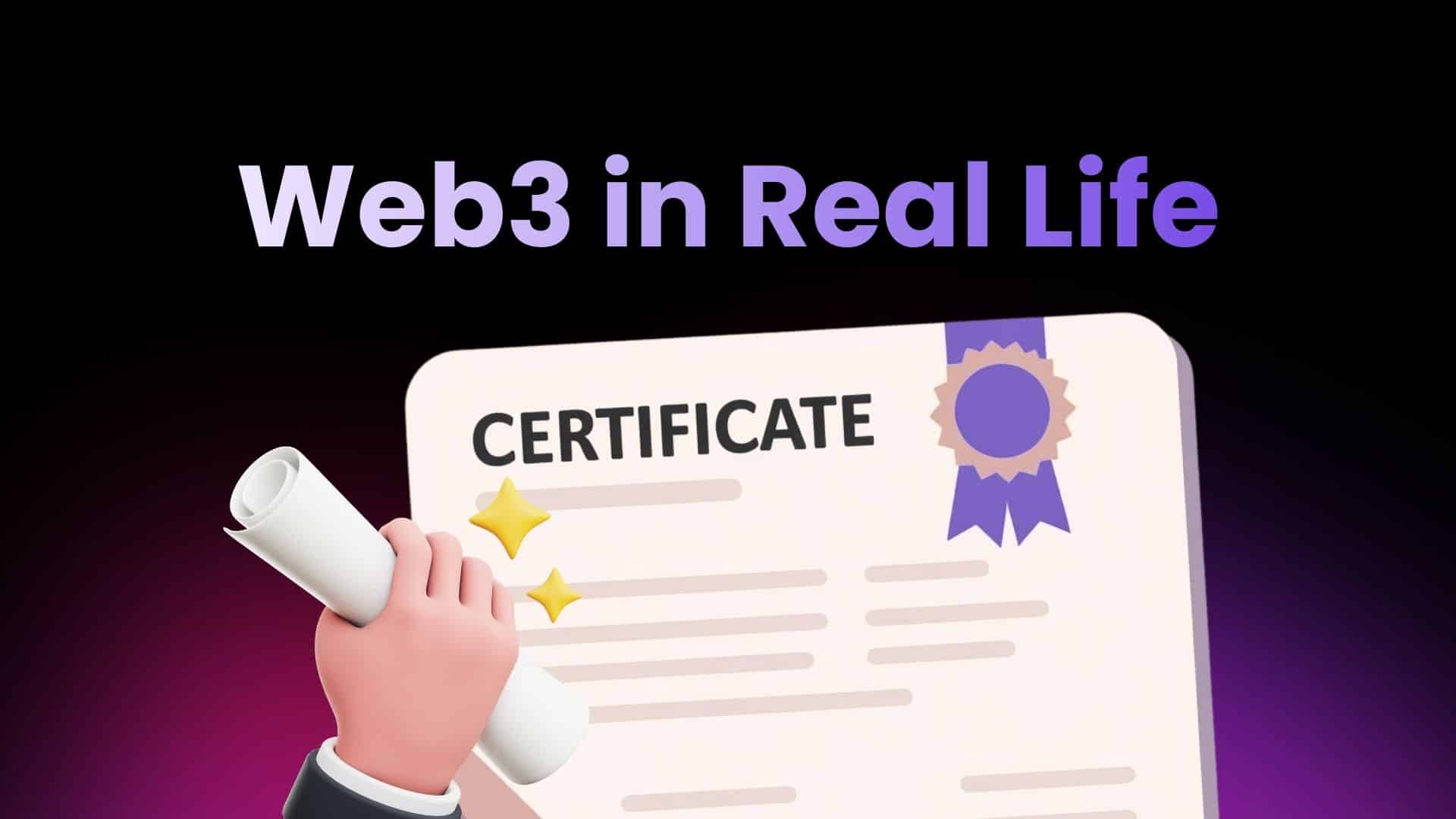

Web3 has become one of the most talked about ideas in the world of technology but also one of the most misunderstood. Many people hear the word Web3 and immediately think of cryptocurrency charts NFTs or complicated blockchain terms that feel intimidating or too advanced. But the truth is that Web3 is not meant to be confusing. It is simply the next evolution of how we use the internet and more importantly it is something that is already showing up in everyday life even for people who have never heard the term before.
To understand Web3 we need to take one step back and remember the basics of how the internet itself developed. Web1 was the era of reading information. Websites were digital billboards and people visited them the same way they would visit a library. Web2 introduced interaction. Social media platforms allowed people to comment share post and connect. But Web2 came with a cost. Big platforms owned the data controlled the visibility of posts and monetized user behavior. In many ways the users created the value but the platforms kept the rewards.
Web3 changes the model completely. Instead of signing into platforms the way we always have Web3 allows people to carry their identity wallet data and digital assets with them. It is the same shift that happens when you move from renting to owning. In Web2 you rented space on platforms. In Web3 you own your digital property. And the best part is that this shift opens up simple practical real life applications that anyone can understand even without any background in technology.
The goal of this blog is to make Web3 so simple that anyone from a student to a small business owner to a parent learning new technology can understand exactly how it works and why it matters. These examples are grounded in real life stories practical analogies and easy explanations without jargon. My mission with Web3AI has always been to make Web3 simple human and understandable. And today we will explore the real world applications that prove Web3 is more than hype. It is everyday life evolving right in front of us.
One of the easiest Web3 applications to understand is digital identity. In the Web2 world people create thousands of accounts with usernames passwords email verifications and endless forms. Every service stores your data separately and you do not truly own any of it. But Web3 introduces something like a digital passport called a decentralized identity. Imagine you have one backpack that carries everything important your ID your certificates your digital receipts your event tickets and your memberships. Wherever you go you simply show that backpack. Web3 works exactly like that. Instead of creating new accounts for every website you simply connect your wallet. It proves who you are without revealing unnecessary information and all your data stays with you.
Another major real life Web3 application is transparent proof of participation. Think about attending a seminar a workshop a class or a special event. In the Web2 world the organizer gives you a certificate or sometimes nothing at all. You have to remember it or keep a file somewhere. In Web3 when you attend an event you can receive something called a digital attendance badge. Imagine collecting small stamps in a notebook each one proving you were truly there. Except now the stamps are digital permanent and verifiable.
This becomes incredibly useful for job seekers students or professionals building a reputation. A person can show proof that they attended workshops training sessions hackathons conferences or online classes. No one can fake it because it is written on the blockchain like digital ink that never fades. This makes resumes more honest and opportunities more fair.
Next Web3 is revolutionizing how communities make decisions. In traditional organizations decisions are usually made by a small group of leaders. Sometimes the people affected by these decisions are never consulted. But Web3 communities often use a system called a DAO. A DAO is basically a digital version of a voting group chat. Imagine you have a group of friends deciding where to go for dinner. Instead of one person choosing for everyone the group proposes options votes and the decision is made together. A DAO is that same idea but used by global communities businesses or organizations.
The voting is transparent the results cannot be changed and every member can participate fairly. It is participation driven governance that allows people to have a real voice. The simplest example is a community deciding how to spend funds. Instead of one organizer holding the power the community members vote on what to support and the funds are automatically distributed based on the results. It removes corruption bias and confusion.
Another real life Web3 application is creator ownership. Today creators post videos music photos or articles on platforms like YouTube Instagram TikTok or Facebook. These platforms control the reach decide who sees the content and take the majority of advertising revenue. The creator relies on an algorithm that is unpredictable and often unfair. Web3 introduces a model where creators can mint their work as digital assets. When fans support or buy the asset the creator receives direct value without middlemen.
Here is the simplest way to picture it. Imagine you bake cookies. In Web2 the platform is the store that sells your cookies and keeps most of the profit. In Web3 you hand the cookies directly to your audience. The store no longer takes the biggest share. Fans can own pieces of your work and support you directly. This is not only financial. It also builds stronger communities where creators and supporters grow together.
Payments in Web3 are also much faster and more accessible. Traditional banks often require long processing times high fees and multiple steps just to send money. With Web3 payments can be sent across the world in seconds like sending a message. For people in countries with limited banking access Web3 becomes a powerful tool for financial inclusion.
Another simple Web3 example is digital property ownership. In the Web2 world files can be copied stolen or reposted. You never know who owns the original. Web3 solves this with verifiable ownership. It is like signing your name on an artwork. Even if people print copies everyone knows who owns the original because the signature is recorded forever.
Memberships are also evolving through Web3. Instead of plastic cards or email logins people can have digital membership tokens that unlock access to communities content events or discounts. It is like having a universal key that opens different doors depending on what you have earned or purchased.
Web3 also improves trust in charity and giving. When people donate they often worry about where the money goes. But Web3 makes every donation traceable. Imagine being able to follow your donation the same way you track a package online. You see exactly where it went and how it was used. This level of transparency builds trust and increases generosity.
Small businesses are also benefiting from Web3. Loyalty programs can be turned into digital collectibles that customers truly own. Instead of stamp cards or app based points customers have digital tokens that unlock rewards. These tokens can sometimes be traded or gifted creating new excitement and engagement.
Education is another area where Web3 shines. Certificates diplomas awards and achievements can all be verified through blockchain. This eliminates fake documents and makes academic history easy to prove. A student who attends online classes workshops or training programs can collect digital learning badges that stay with them for life.
Web3 also enhances community building by giving members a real sense of ownership. In Web2 you join groups on Facebook or Discord but you do not own anything about your membership. In Web3 your membership can be represented by a token that proves you belong. This makes communities stronger more committed and less dependent on centralized platforms.
Another relatable Web3 application is transparent supply chains. Imagine you buy coffee chocolate or clothing. You might wonder where it came from or whether it was produced ethically. Web3 allows companies to track products from origin to store shelf so customers can verify the journey. It is like having a digital map that shows every step the product took.
Healthcare can also benefit from Web3. Patient records stored privately in a secure digital identity allow you to carry your medical history safely. This reduces paperwork and ensures that your information belongs to you not to hospitals or clinics.
Web3 also empowers gig workers freelancers and creators by allowing them to verify skills earn direct payments build digital portfolios and join global markets without intermediaries. A creator in a rural town can reach global audiences without needing approval from large platforms.
Even family life can benefit from Web3 through secure digital storage of important documents. Birth certificates medical records school achievements or financial documents can be stored in decentralized systems that protect them from loss or tampering.
One of the biggest misconceptions about Web3 is that it is only about money or investments. But as shown in each of these simple examples Web3 is about making everyday digital life more fair more transparent and more human centered. It shifts power from institutions to individuals. It gives people ownership of their identity their work their community and their value.
The future of Web3 is not complicated. It is practical and simple. It is a world where people own their digital lives instead of renting them from platforms. A world where participation matters more than algorithms. A world where transparency is built in instead of demanded. A world where technology empowers instead of overwhelms.
As the founder of Web3AI my mission is to make sure this future is understood by everyone not just experts. Web3 does not belong only to developers or investors. It belongs to students parents professionals creators dreamers and entire communities. It belongs to you.
And the best way to understand Web3 is to see it for what it really is not a complicated system but a simple evolution of how we connect share learn govern exchange and collaborate.
The next chapter of the internet will be shaped by those who understand it early and apply it with intention. With clear explanations practical examples and human centered storytelling we can make Web3 not only simple but also meaningful.
This is the journey we are on together. One simple explanation at a time.
As the world moves rapidly toward digital transformation, it becomes increasingly clear that the story of decentralization is not only a technological one. It is deeply human. Behind every blockchain protocol, every AI system, and every governance experiment lies a fundamental question about who we want to become as a global community. The Capitol Hill summit represents not only a meeting of experts but a crossroads where humanity must decide how it will use its greatest tools.
Decentralization challenges long standing structures of authority and influence. It encourages individuals to have more control over their identity, their assets, and their participation in governance. Yet it also asks something new from society. It asks for responsibility. It asks for maturity. It asks for collaboration across cultures and borders. These qualities form the heart of any healthy decentralized ecosystem.
One of the most powerful ideas driving Web3 and AI innovation is the belief that ordinary people should have extraordinary access to opportunity. In many nations today, financial systems limit participation to those with connections or wealth. Educational opportunities remain unequal. Creativity is often filtered through the interests of institutions or corporations. Decentralized technologies alter this dynamic by creating new pathways for individuals to express their voice and their value.
Identity on the blockchain offers the possibility of recognition without bureaucracy. Decentralized finance opens access to global markets without traditional gatekeepers. AI programs can amplify creativity and productivity even for individuals who have never been part of the digital elite. These tools create a new landscape where power becomes something shared rather than hoarded.
However, this transformation also brings new risks and responsibilities. Decentralized systems require trust in code, but trust in code begins with trust in people. Communities must learn how to govern themselves fairly. Developers must design systems that protect users from harm. Policymakers must understand the balance between safeguarding citizens and allowing innovation to flourish. This is where events like the Capitol Hill summit play an essential role. They bring together the minds capable of bridging these worlds.
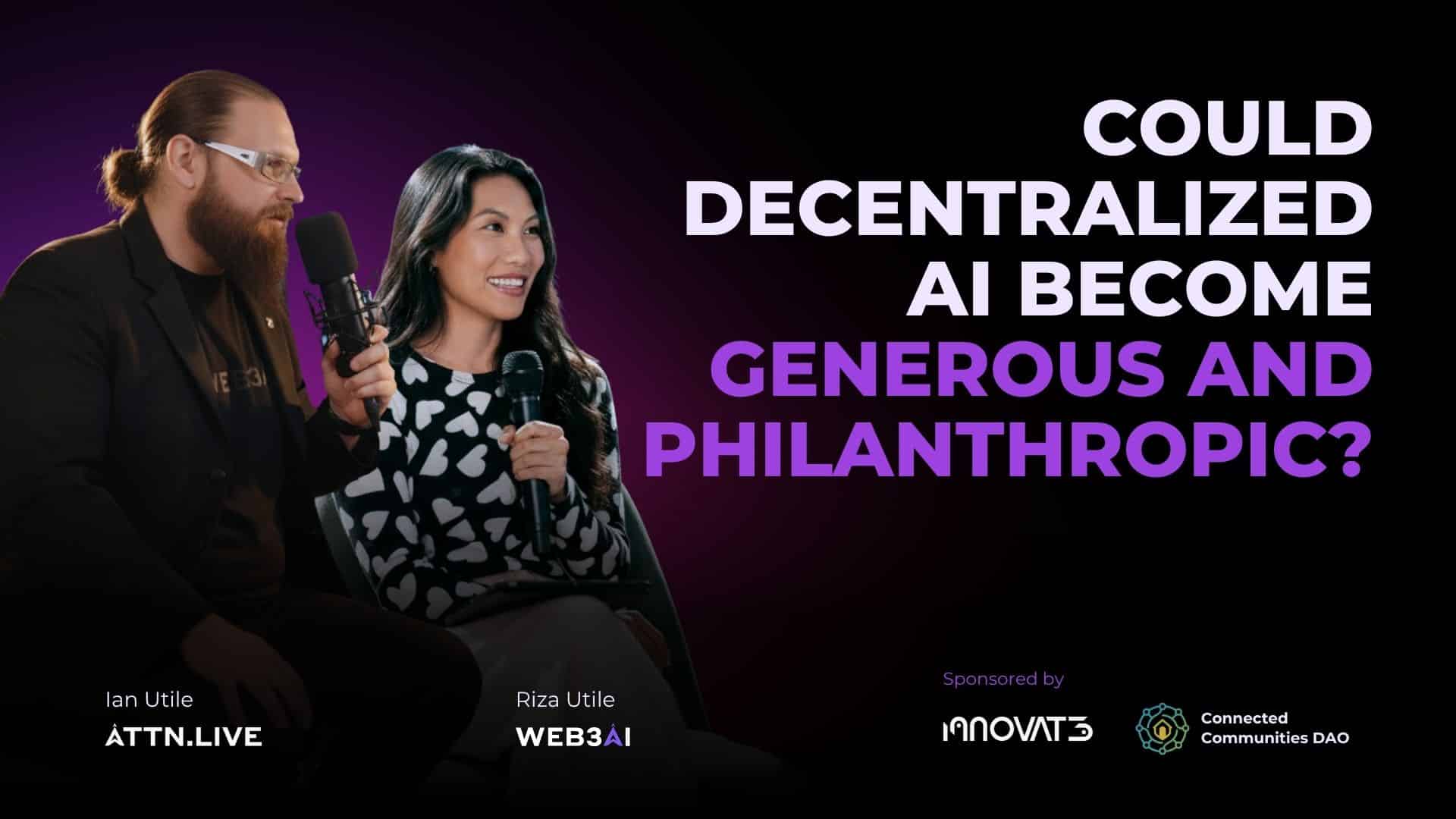
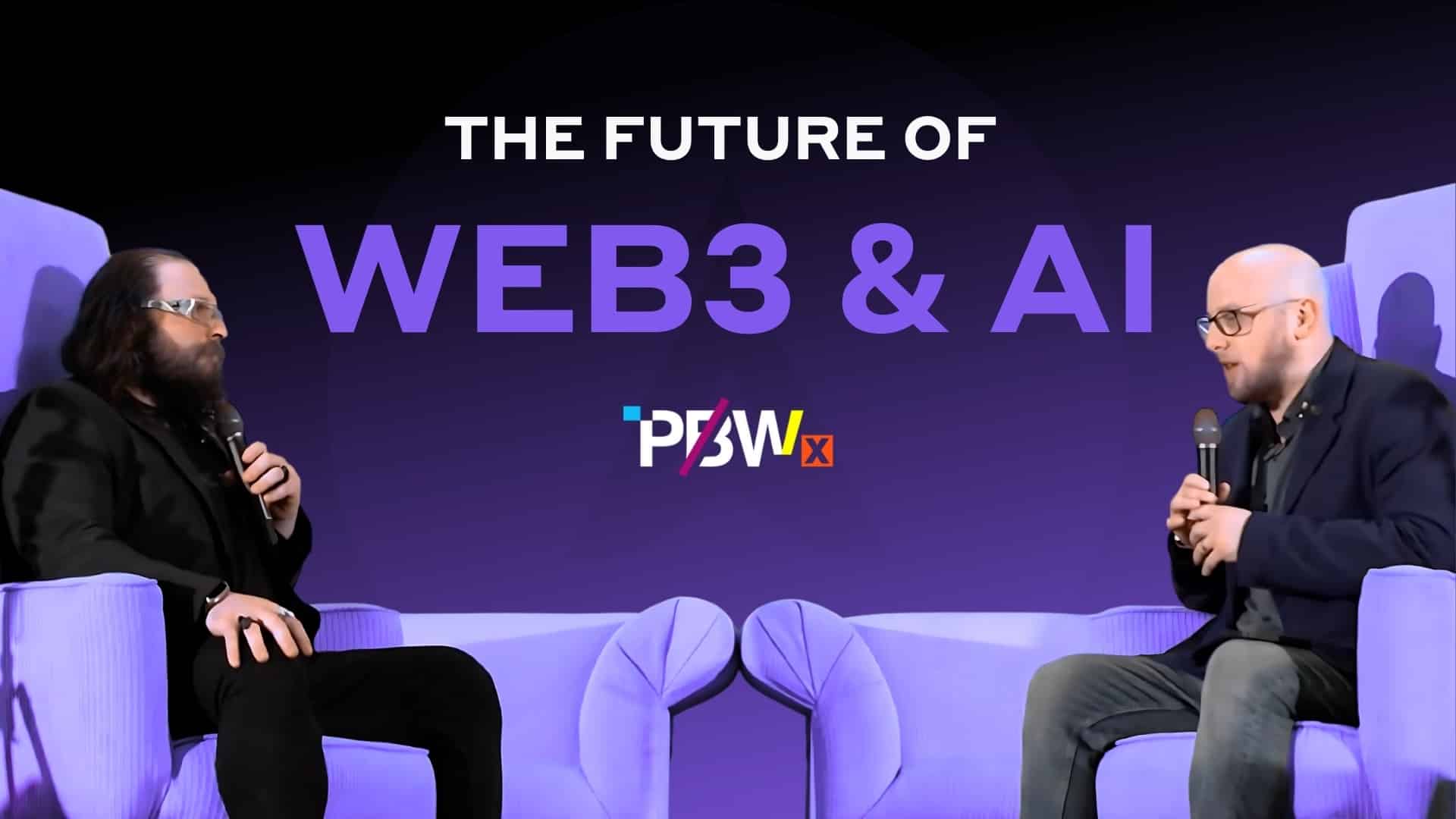
Riza Utile and Ian Utile stand within this global shift not only as innovators but as advocates for wisdom and compassion in technology. Their work highlights a critical truth. Technology alone does not create progress. Human intention does. Education is necessary to ensure that individuals understand the tools available to them. Storytelling is necessary to communicate visions that people can unite around. Leadership is necessary to align diverse stakeholders around values that protect and uplift society.
The future shaped at this summit will not simply evolve from code or algorithms. It will be shaped by the decisions that leaders, creators, educators, and lawmakers make about how these tools should serve humanity. Every conversation on Capitol Hill is a thread in a larger fabric that will determine how the next generation inherits digital power. These discussions carry weight not only for governments and enterprises but for families, students, and communities who will live in the systems created today.
As innovation accelerates, society stands at a profound moment in history. The question is not whether the world will adopt blockchain, AI, or quantum computing. The question is whether humanity will guide these technologies with clarity and conscience. The Capitol Hill gathering offers a space for that clarity to be defined. It reminds us that the future is not something that happens to us. It is something we build together through dialogue, collaboration, and purpose.